Dog Allergic to Rawhide? Signs and Safer Chews
By Dr. Zubair Khalid, DVM, MS, PhD ·
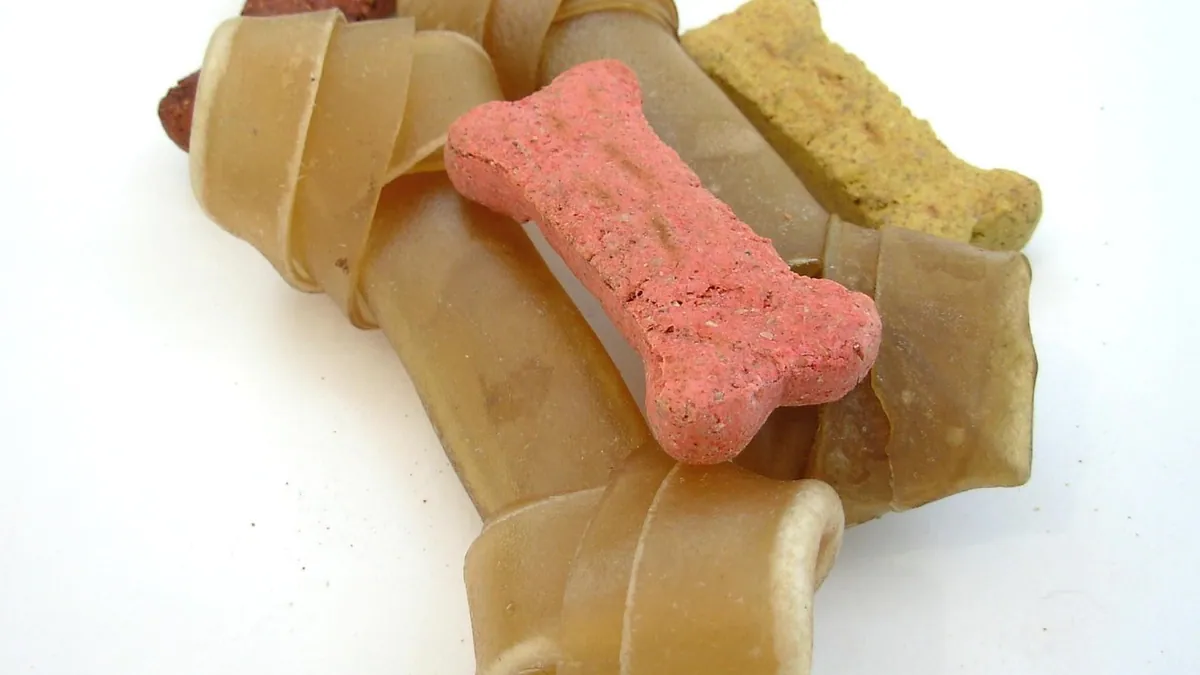
Dog allergic to rawhide? True allergy to rawhide itself is uncommon, and most reactions owners see are caused by irritation, choking, or contamination instead. The signs can look similar, so the only reliable way to know what is going on is a veterinary exam and, in some cases, a carefully performed diet trial. This article is educational and is not a substitute for veterinary diagnosis or treatment.
Quick Answer
- A genuine allergy to rawhide is not well documented in veterinary research. Most food allergies in dogs trace to proteins such as chicken, beef, dairy, wheat, lamb, and egg [1][2].
- The signs owners most often notice are itching, paw licking, red skin, hives, ear infections, vomiting, or diarrhea [3].
- Rawhide can also cause problems that mimic allergy, including choking, stomach upset from swallowed pieces, and irritation from chemical processing residues.
- Diagnosis of a food allergy requires an elimination diet trial followed by a controlled challenge, not a blood or saliva test [3].
- If your dog has trouble breathing, a swollen face, or repeated vomiting after chewing rawhide, treat it as an emergency and call your veterinarian right away.
What "Dog Allergic to Rawhide" Really Means
When people say their dog is allergic to rawhide, they usually mean one of three things. The first is a true immune reaction to a protein in the rawhide. The second is a sensitivity to something added during processing, such as preservatives or bleaching agents. The third is a physical problem, like a piece of rawhide scraping the mouth, throat, or stomach.
Veterinary dermatologists group immune reactions to food under the term cutaneous adverse food reactions, or CAFRs [1]. These reactions can show up as skin problems, gut problems, or both [3]. Rawhide is dried animal skin, most often from cattle, so a dog with a diagnosed beef allergy could react to it. That is different from being allergic to rawhide as a material.
It helps to separate two questions. Is your dog reacting to what is in the chew? Or is your dog reacting to how the chew behaves in the body? The answers lead to very different plans.
Signs Owners Notice
Skin and coat signs
The most common sign of a food-related reaction in dogs is itching that does not follow a season [1]. You may see your dog scratching the ears, face, paws, armpits, or groin. Redness, hives, and recurrent skin infections can appear [3]. Some dogs develop a pattern of itching along the lower back [3]. Paw licking is common, and it can progress to raw, inflamed pads. If that sounds familiar, our guide on dog chewing paws until raw walks through the next steps.
Gut signs
Vomiting, diarrhea, or both can occur with food reactions [3]. These signs may show up within hours of chewing, or they may build over days if your dog chews the same item regularly. Some dogs have gut signs without any skin signs at all.
Signs that point away from allergy
Choking, gagging, drooling, or pawing at the mouth right after a chew is more consistent with a physical obstruction than an allergy. A sudden swollen face or difficulty breathing points to a severe reaction and needs emergency care. Bad breath, drooling, and reluctance to chew can signal a broken tooth or a mouth injury from a hard chew.
Causes and Risk Factors
What is actually in rawhide
Rawhide is the inner layer of animal hide, cleaned and dried. It is not a single uniform product. Some chews are treated with chemicals to whiten or preserve them, and some are flavored or coated. Any of these steps can introduce something your dog reacts to.
Food allergy basics
The proteins most often linked to food reactions in dogs are beef, dairy, chicken, wheat, and lamb [1]. A study of dogs in Malaysia, Singapore, and Indonesia found chicken was the most common offending allergen, reported in 65% of cases in Malaysia, 31% in Singapore, and 63% in Indonesia [1]. Cross-bred dogs were most affected in Malaysia, and poodles in Singapore [1]. This shows that the common triggers can vary by region and population, so your veterinarian's advice should be based on your dog, not on a general list.
Other risk factors
Age of onset matters. Food reactions often start in young dogs, but they can begin at any age. Dogs with atopic dermatitis may also have a food trigger, and the two conditions can occur together [3]. That overlap makes diagnosis harder, because treating one problem may not fully control the itching.
How Veterinarians Diagnose It
The elimination diet trial
There is no reliable laboratory test for food allergy in dogs [3]. Diagnosis depends on an appropriately performed diet trial followed by a challenge [3]. Your veterinarian will pick a diet with proteins your dog has never eaten, or a hydrolyzed diet, and you feed only that diet for a set period. No table scraps, no flavored medications, no other chews.
The challenge phase
If signs improve on the trial diet, the next step is to reintroduce the suspected item and watch for relapse. This step is what confirms the diagnosis. A double-blinded, placebo-controlled challenge study in dogs with atopic dermatitis and adverse food reactions used single food items such as beef, chicken, codfish, corn flour, cow's milk, hen's egg, lamb, and wheat, each given for one week, with placebo challenges mixed in [2]. Blinding matters because owners can expect a reaction and report one even when the dog received a placebo [2]. That is why a controlled challenge is more reliable than an open one.
What this means for rawhide
If you suspect rawhide, your veterinarian may ask you to remove all chews during the trial and then reintroduce a single type later. Because rawhide is a beef product, a beef allergy could explain the reaction. Your veterinarian will decide the trial length and the challenge plan for your dog.
| Sign | More likely allergy | More likely non-allergy problem |
|---|---|---|
| Itchy skin, paws, ears | Yes | Less likely |
| Hives or facial swelling | Yes | Possible severe reaction, emergency |
| Vomiting or diarrhea | Yes | Yes, from swallowed pieces |
| Choking, gagging, drooling | No | Yes |
| Bad breath, broken tooth | No | Yes |
| Reaction every time the same chew is given | Yes | Possible |
Treatment Options
If it is a true food allergy
The main treatment is avoiding the offending protein. Once your veterinarian identifies the trigger, you read labels on every treat, chew, and medication. Some dogs also need medication to control itching while the skin heals. Your veterinarian will choose the drug and calculate the dose from your dog's weight and health.
If it is a physical or irritant problem
Stop offering the chew. Check your dog's mouth for cuts, swelling, or a stuck piece. If your dog is gagging or pawing at the mouth, seek care right away. For mild mouth irritation, soft food and a few days of rest often help, but a veterinarian should confirm there is no lodged fragment.
Managing itch in the meantime
Topical products can reduce itching in dogs with chronic, noninfectious pruritus. In one randomized trial, a cream containing essential oils, zinc, and salicylic acid produced a 1.75 times greater reduction in pruritus scores over 14 days compared with placebo [4]. This kind of product may help while you work through the diagnosis, but it does not replace finding the trigger. Ask your veterinarian before applying anything to broken skin.
When allergies and behavior overlap
Some dogs lick and chew their paws from allergies, and some do it from anxiety or boredom. The two can look identical. Our article on dog chewing paws: allergies, anxiety, or boredom? helps you sort out which pattern fits your dog. If the licking is focused between the toes, see dog licking inbetween paws raw.
Recovery, Outlook, and Long-Term Management
If a food trigger is confirmed and removed, skin and gut signs often improve over weeks. The exact timeline depends on your dog, the severity of the signs, and how strictly you avoid the trigger. Some dogs need ongoing medication for itch even after the diet change, especially if they also have atopic dermatitis [3].
Long-term management usually means:
- Reading every label, every time, because formulas change
- Telling everyone in the household which chews and treats are off limits
- Keeping a simple log of what your dog eats and when signs flare
- Scheduling routine rechecks so your veterinarian can adjust the plan
If your dog's itching is severe or the skin is broken, your veterinarian may recommend additional treatment. Interdigital dermatitis, which is inflammation between the toes, is a common and stubborn problem in dogs with atopic dermatitis. A study of focal cryotherapy applied at -5°C for 10 seconds to the interdigital spaces found improvement in redness and severity scores after treatment [5]. This is a specialist option, and your veterinarian will decide whether it fits your dog.
Prevention
The best prevention is avoiding the trigger once you know it. If rawhide is the problem, choose a different chew. If you are not sure, ask your veterinarian before trying a new product.
Safer chew options to discuss:
- Rubber or nylon toys sized for your dog
- Dental chews made from a single protein your dog tolerates
- Frozen carrots or other dog-safe vegetables
- Stuffed food toys using your dog's regular diet
Supervise every chew. Take away any piece small enough to swallow. Match the chew size and hardness to your dog's size and chewing style. Dogs who chew aggressively do better with flexible toys than with hard, brittle items.
If paw licking is your main concern, our guide on dog licking paws raw remedies covers home care steps that support veterinary treatment.
Limitations and When to Contact a Veterinarian
No article can tell you what your individual dog is reacting to. Your veterinarian needs to examine your dog, review the history, and design a plan for your pet.
Call your veterinarian the same day if your dog:
- Has a swollen face, lips, or eyelids
- Vomits repeatedly or has bloody diarrhea
- Refuses food or water
- Has a sudden increase in scratching or new hives
Go to an emergency clinic now if your dog:
- Has trouble breathing or noisy breathing
- Collapses or seems weak
- Has a piece of chew stuck in the mouth or throat
- Has a swollen, painful belly
Schedule a routine visit if your dog:
- Itches without a clear cause for more than a few days
- Has repeated ear or skin infections
- Has soft stool or vomiting that comes and goes
- Licks or chews the paws until the skin looks red or raw
Frequently Asked Questions
Can a dog be allergic to rawhide specifically?
A true allergy to rawhide as a material is not well established in veterinary research. Because rawhide comes from cattle, a dog with a diagnosed beef allergy may react to it. Most reactions owners report turn out to be irritation, contamination, or a physical problem from the chew.
How long does it take for a reaction to show up?
Food-related reactions can appear within hours or build over several days of repeated exposure. A controlled challenge study used one-week periods for each single food item to look for relapse [2]. Your veterinarian will set the observation window for your dog.
Will a blood test tell me if my dog is allergic to rawhide?
No reliable laboratory test exists for food allergy in dogs [3]. Diagnosis depends on an elimination diet trial followed by a challenge [3]. Be cautious of any test that claims to diagnose food allergy from a single blood or saliva sample.
What should I give my dog instead of rawhide?
Choose a chew that fits your dog's size and chewing style, and supervise every session. Rubber toys, nylon chews, single-protein dental chews, and food-stuffed toys are common options. Ask your veterinarian which one is safe for your dog, especially if a food allergy is suspected.
Can rawhide make my dog throw up?
Yes. Swallowed pieces can upset the stomach or cause a blockage, which is a separate problem from allergy. Repeated vomiting, a painful belly, or a dog who will not eat needs veterinary care right away.
Related Articles
- Dog Chewing Paws Until Raw
- Dog Chewing Paws: Allergies, Anxiety, or Boredom?
- Why Is My Dog Licking paws raw? Allergies, Yeast & Pain Triggers
- Dog Licking Paws Raw Remedies
- Dog Licking Inbetween Paws Raw
- Dog Licking Paws Raw
- Can Dogs Eat Rawhide? Risks, Safety, and Alternatives
- Dog Allergic to Milk-Bone Treats or Milk? What to Know
- Dog Allergic to New Food? Signs and Safe Switching
References
- Clinical Signs and Offending Food Allergens in Canine Cutaneous Adverse Food Reactions in Malaysia, Singapore and Indonesia: A Prospective Study. Veterinary dermatology, 2026.
- Randomised, Double-Blinded, Placebo-Controlled Challenge Test With Single Food Items in Dogs With Atopic Dermatitis and Adverse Food Reactions. Veterinary dermatology, 2026.
- Food allergy in dogs and cats; current perspectives on etiology, diagnosis, and management. Journal of the American Veterinary Medical Association, 2023.
- Topical cream with essential oils, zinc and salicylic acid reduces pruritus and skin lesion scores in pruritic dogs. Australian veterinary journal, 2026.
- Effect of localized cryotherapy on interdigital pruritus of dogs with canine atopic dermatitis. Journal of veterinary science, 2025.