Cat Vitiligo: Signs, Causes and What Owners Should Do
By Dr. Zubair Khalid, DVM, MS, PhD ·
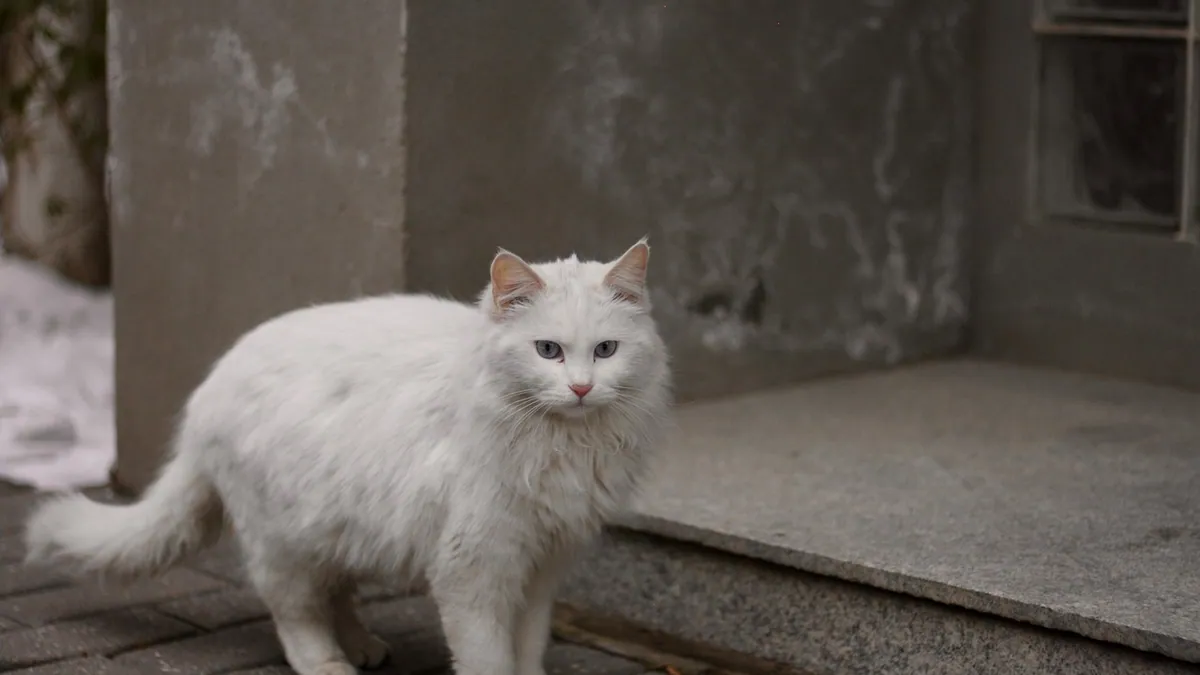
Yes, cats can have vitiligo. It is an autoimmune condition in which the immune system targets melanocytes, the cells that make pigment, so patches of skin and fur lose color [1]. Most cases are cosmetic and do not make your cat sick, but the change can look alarming and is easy to confuse with ringworm, mites, or allergies [2]. This article is educational and is not a substitute for veterinary diagnosis or treatment.
Quick Answer
- Vitiligo in cats causes flat, well-defined areas of depigmentation on skin, fur, or mucous membranes, with no redness, swelling, or itching from the pigment loss itself [1][3].
- The nose, lips, eyelids, inner ear, and paw pads are common sites, and cat ear vitiligo is one of the patterns owners notice first.
- Diagnosis is mostly clinical, and your vet will usually test for ringworm, mites, and other infections before calling it vitiligo [2].
- No treatment reliably restores pigment in cats, and many cases are managed by monitoring alone [1].
- Depigmentation with pain, swelling, discharge, vision changes, or appetite loss is not simple vitiligo and needs prompt veterinary care [2].
What Is Vitiligo in Cats?
Vitiligo is a pigment disorder, not a skin infection. Melanocytes are the pigment-producing cells in the skin and hair follicles, and in vitiligo the immune system destroys or suppresses them [1]. When those cells disappear, the skin and fur in that spot turn white or pink because no pigment is being made.
The color change is usually flat and sharply bordered. The surface of the skin stays smooth. There is no crust, no scale, and no pus unless something else is going on at the same time. In humans, vitiligo is a recognized autoimmune disease with a real effect on quality of life, and the animal form shares many features with the human disease [1][4].
Vitiligo is uncommon in cats. It is better documented in dogs and horses, and in horses the condition is strongly linked to coat color and to genes involved in immune response[5]. Feline immune-mediated skin diseases as a group are rare, which is one reason vitiligo can sit low on a vet's list at first [2][6].
Signs of Cat Vitiligo Owners Notice
The main sign is color loss. Owners often describe it as their cat "turning white" in one area, or as a patch that seems to spread slowly over weeks to months.
Skin and coat changes
- Flat white or pale pink patches on the face, especially the nose, lips, and around the eyes.
- Loss of pigment in the fur, sometimes with white hairs growing in a previously dark area.
- Depigmentation on the paw pads, muzzle, or around the anus.
- Symmetrical or patchy patterns that enlarge gradually over time [3].
Cat ear vitiligo
The ear is a frequent spot for owners to spot the first change. The inside of the ear pinna may lose pigment, and the skin can look pale pink where it used to be dark. This matters because the ear is also a common site for other problems, including infections, mites, and a condition called proliferative and necrotizing otitis externa, which is an immune-mediated disorder of the ear canal [6]. If the ear is painful, swollen, or has discharge, that points away from simple vitiligo.
What vitiligo does not usually do
Vitiligo itself does not itch, hurt, or smell. If your cat is scratching, shaking its head, or has a bad odor from the area, think about other causes first. A rash with bumps or a rash with odor is more consistent with infection or allergy than with vitiligo, and those need a different workup.
Causes and Risk Factors
The exact cause of vitiligo in cats is not fully understood. Autoimmunity, environmental triggers, and genetics are all thought to play a role [3]. In humans and in animal models, the disease involves an immune attack on melanocytes, and researchers continue to map which genes and immune pathways are involved [7].
What we know for cats:
- It is an autoimmune process directed at pigment cells, not an infection you can catch or pass on [1].
- Genetics likely matter, though the specific genes for feline vitiligo are not well established in veterinary research.
- Coat color and breed associations are strong in horses, where vitiligo-like depigmentation is far more common in grey horses than in non-grey horses [5]. A similar clear breed or color pattern has not been confirmed for cats.
- Age and sex patterns in cats are not well established. Cases have been reported across a range of ages.
Because the cause is immune-related, some vets will look for other immune-mediated conditions at the same time. Feline immune-mediated skin diseases can occasionally come with systemic signs, and those cases can affect quality of life significantly [2][6].
How Vets Diagnose Vitiligo in Cats
There is no single blood test that confirms vitiligo. Diagnosis is built from history, physical exam, and ruling out the look-alikes.
Step 1: History and exam
Your vet will ask when the color change started, whether it is spreading, and whether your cat seems uncomfortable. They will examine the whole body, including the mouth, eyelids, paw pads, and ears, and check for symmetry and sharp borders.
Step 2: Ruling out infection and allergy
This is the most important step. Ringworm, mites, bacterial skin infection, and hypersensitivity dermatitis can all change how skin looks, and they can sometimes cause pigment changes as they heal [2]. Your vet may use:
- A Wood's lamp and fungal culture for ringworm.
- Skin scrapings or tape preparations for mites.
- Cytology or bacterial culture for infection.
- A diet trial or allergy workup if itching is present.
Step 3: Skin biopsy
If the diagnosis is still unclear, or if the change is unusual, a biopsy can help. Under the microscope, vitiligo shows an absence of melanocytes in the epidermis and dermis [3]. This finding supports the diagnosis and helps exclude other diseases.
Step 4: Checking for other immune disease
If your cat has eye changes, mouth ulcers, or feels unwell, your vet will look beyond the skin. Immune-mediated conditions in cats can involve multiple body systems, and some carry a poor outlook if not treated early [2][6].
| What you see | More likely vitiligo? | Next step |
|---|---|---|
| Flat white patch, smooth skin, no itch | Yes | Monitor, routine visit |
| Scaly ring with hair loss, spreading edge | No | Test for ringworm |
| Itchy, red, crusted skin | No | Allergy or infection workup |
| Painful, swollen ear with discharge | No | Ear exam and treatment |
| Depigmentation plus eye redness or cloudiness | No | Same-day veterinary visit |
Treatment Options
There is no treatment that reliably restores pigment in cats with vitiligo, and the most effective approach and outcome remain unclear in veterinary medicine [1]. That is not as discouraging as it sounds. If your cat is comfortable and otherwise healthy, doing nothing to the skin is a reasonable plan.
Monitoring
Most vets will recommend periodic photos and rechecks to track whether the depigmentation is stable, slowly spreading, or changing character. Photos taken in the same lighting help far more than memory.
Treating anything else found
If your vet finds ringworm, mites, or a bacterial infection, treating that condition is the priority. Pigment may or may not return after the infection clears.
Immune-suppressing therapy
For cats with severe or rapidly progressive immune-mediated disease, vets sometimes use immune-modulating medications. The choice of drug and the dose are set by your veterinarian based on your cat's weight, bloodwork, and overall health. No standard feline vitiligo dose exists in the veterinary literature, so any number you see online should be treated with suspicion.
Sun protection
Depigmented skin has less natural pigment. Keeping your cat out of intense direct sun, especially during peak hours, is a sensible precaution for pale patches on the nose and ears.
Recovery, Outlook, and Long-Term Management
For most cats with limited vitiligo, the outlook is good. The condition is cosmetic, and cats do not appear bothered by the color change. Some cats stabilize with a few patches. Others slowly develop more over months or years [3].
Long-term management usually means:
- Routine rechecks, often every few months at first, then yearly if stable.
- Photos to document change.
- Watching for new symptoms outside the skin, such as weight loss, appetite change, or eye problems.
- Keeping up with parasite prevention and skin care, since other skin problems can overlap.
If your cat has a broader immune-mediated disease, the outlook depends on which organs are involved. Some feline immune-mediated skin diseases can be severe and can lead to poor quality of life, which is why early diagnosis matters [2][6].
Prevention
There is no known way to prevent vitiligo in cats. Because the cause involves the immune system and likely genetics, you cannot stop it with diet, supplements, or grooming habits [1][3].
What you can do is reduce confusion and catch other problems early:
- Take clear photos of any new pale patch and note the date.
- Do not apply human vitiligo creams or any medication to your cat's skin without veterinary guidance.
- Keep up with flea, tick, and mite prevention as your vet advises.
- Mention any color change at your next routine visit, even if it looks harmless.
If you are dealing with a rash that has bumps, crusts, or a bad smell, those are different problems. You can read more about cat skin rash with bumps and cat skin rash with odor to see how those compare. If your cat has a confirmed or suspected skin infection, see cat skin infection signs and treatment.
Limitations and When to Contact a Veterinarian
This article cannot tell you what is causing your cat's specific color change. Only a veterinarian who examines your cat can do that. Individual cases need a veterinarian, and the timing below is a guide, not a diagnosis.
Contact your vet the same day if you see:
- Depigmentation with redness, swelling, pain, or discharge.
- Eye changes such as redness, cloudiness, squinting, or vision trouble.
- Sores in the mouth or around the nose that are not healing.
- Rapid spread of white patches over a few days.
Go to an emergency clinic now if your cat:
- Is lethargic, not eating, or vomiting.
- Has trouble breathing.
- Has sudden severe skin pain or open wounds.
- Has a swollen, hot ear with head tilt or loss of balance.
Book a routine visit if:
- You notice a new flat white patch with no other symptoms.
- An existing patch is slowly getting bigger.
- You want the change documented and checked for infection.
Frequently Asked Questions
Can cats have vitiligo?
Yes. Vitiligo is a recognized autoimmune pigment disorder in cats, and it shares many features with the human form of the disease [1]. It is uncommon, and most cases are cosmetic.
Is cat vitiligo contagious to other pets or to people?
No. Vitiligo is an immune-mediated condition, not an infection, so it cannot spread to other cats, dogs, or people in your home [1]. If your cat has a contagious skin problem like ringworm, that is a separate diagnosis.
Will my cat's color ever come back?
Sometimes, but it is not predictable. Some cats regain pigment in affected areas, and others keep the white patches permanently [1][3]. Your vet can track changes over time with photos and rechecks.
Does vitiligo hurt or itch?
No. Vitiligo itself does not cause pain or itching because it only affects pigment cells [1]. If your cat is scratching, licking, or seems uncomfortable, another condition is likely involved and should be checked.
Can vitiligo in cats be cured?
There is no known cure, and no treatment reliably restores pigment in cats [1]. Management focuses on confirming the diagnosis, ruling out other diseases, and monitoring for changes that suggest a broader immune problem.
Related Articles
- Cat Skin Rash with Bumps: Common Causes and Next Steps
- Can Cats Get Psoriasis
- Cat Skin Rash with Odor: Causes and When to Worry
- Cat Skin Infection: Signs and Treatment Options
- Hypoallergenic Cats: Fact or Fiction? A Health Guide
- Cat Skin Bumps and Lumps: When to See a Vet and When to Monitor
- Brown and Black Spots on Cat Skin: Causes and Next Steps
- Cat Skin Red Spots: Causes and What to Do
- Cat Ear Vasculitis: Causes, Signs, and Treatment
References
- Autoimmune diseases affecting skin melanocytes in dogs, cats and horses: vitiligo and the uveodermatological syndrome: a comprehensive review. BMC veterinary research, 2019.
- Feline immune-mediated skin disorders: Part 1. Journal of feline medicine and surgery, 2025.
- Spontaneous Vitiligo in a Captive Rhesus Monkey (Macaca Mulatta). Comparative medicine, 2023.
- Comprehensive analysis of life quality of patients with vitiligo in Romania: insights from a multivariate approach. Frontiers in medicine, 2025.
- Equine vitiligo-like depigmentation in grey horses is related to genes involved in immune response and tumor metastasis. BMC veterinary research, 2021.
- Feline immune-mediated skin disorders: Part 2. Journal of feline medicine and surgery, 2025.
- Deciphering Depigmentation: Mouse Models for Vitiligo Research. The Journal of investigative dermatology, 2025.