Brown and Black Spots on Cat Skin: Causes and Next Steps
By Dr. Zubair Khalid, DVM, MS, PhD ·
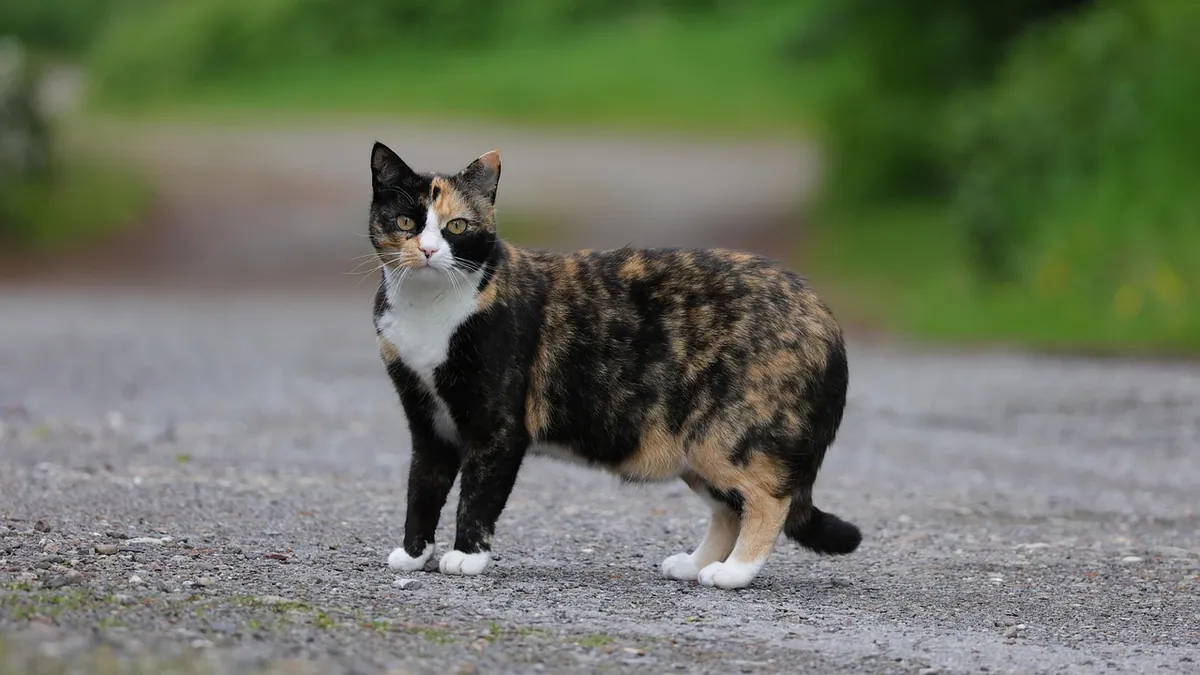
Brown or black spots on your cat's skin are usually harmless areas of extra pigment called lentigo, especially on the nose, lips, and eyelids of orange tabbies. Sometimes, though, cat skin brown spots are a sign of fleas, allergies, or an internal disease that needs treatment. The spot itself rarely tells you which one it is, so the pattern, the itch, and any other symptoms matter most.
This article is educational and is not a substitute for veterinary diagnosis or treatment.
Quick Answer
- Flat brown or black spots on the nose, lips, gums, or eyelids of an orange, cream, or tortoiseshell cat are most often lentigo, a cosmetic change with no treatment needed.
- Spots that come with scratching, hair loss, scabs, or redness point toward fleas, allergies, or infection, and these need a vet visit.
- A spot that is raised, growing, bleeding, or changing shape deserves prompt attention, because skin color changes can accompany many skin diseases [1].
- Never apply human creams, essential oils, or over-the-counter flea products made for dogs to a cat.
- Take dated photos every week or two so your vet can see whether a spot is stable or changing.
What Brown and Black Spots on Cat Skin Look Like
Pigment spots can appear anywhere on the body, but owners notice them most on the face, ears, and belly where the fur is thin. A lentigo spot is flat, sharply defined, and the same texture as the skin around it. The fur over it usually stays normal. These spots are common on the nose leather, lips, gum line, and eyelids, and they tend to multiply slowly with age.
Other kinds of spots look different. Flea dirt looks like small dark specks caught in the coat, and it turns reddish brown when you wipe it with a damp white paper towel. Allergy-related spots often sit on skin that is also pink, scabbed, or bald. Some skin diseases cause color changes along with scaling, thickening, oiliness, odor, or hair loss [1]. A single spot is hard to classify by eye, so the company it keeps matters.
Main Causes of Cat Skin Brown Spots
Lentigo (Most Common and Harmless)
Lentigo is a flat, dark area of pigment. It is not a disease and does not need treatment. It shows up most in orange, cream, and tortoiseshell cats and tends to increase with age. If your cat is otherwise comfortable and the skin under the spot feels normal, lentigo is the likely answer.
Fleas and Flea Dirt
Flea bites cause itching, and chronic scratching and biting can leave dark, thickened, pigmented skin. The specks themselves are flea feces, not skin pigment. Part the coat along the back, tail base, and belly and look for live fleas, specks, or tiny red bite marks. Treating the cat and the home is the fix.
Allergies
Allergies to flea saliva, food, or things in the environment cause itching, redness, and sometimes darkened, thickened skin from repeated scratching. Cats with allergies often have spots on the face, ears, or paws. If your cat has raised, itchy patches, our guide to a cat skin rash with bumps covers the common triggers. If the spots sit on the face, see cat skin rash on face. If your cat is chewing at the feet, cat skin rash on paws explains what to check.
Skin Infections
Bacterial and fungal infections can follow a scratch, a bite, or an allergy flare. They often cause redness, crusting, hair loss, and pigment changes [1]. A wound that keeps draining or fails to heal after standard antibiotics needs a closer look, because unusual infections such as mycobacteriosis can look like this and require specific testing and long treatment courses [2].
Demodex Mites
Feline demodicosis is a rare parasitic skin disease. Signs range from mild and localized to severe and generalized, and they include hair loss, redness, flat spots, itching, and increased pigmentation [3]. Diagnosis requires skin scrapings, and treatment options for cats are more limited than for dogs [3].
Endocrine and Internal Disease
Hormone problems and other body-wide disorders can change the skin. Dermatitis can result from internal or whole-body disease, not only from something on the skin surface [1]. When pigment changes come with weight loss, appetite changes, drinking more, or a dull coat, your vet will look beyond the skin.
Cause Table
| Cause | Typical clues | How urgent |
|---|---|---|
| Lentigo | Flat dark spots on nose, lips, gums, eyelids, normal fur and skin texture | Routine, cosmetic only |
| Fleas and flea dirt | Dark specks that turn red on a wet paper towel, itching, scabs at the tail base | Routine visit, treat promptly |
| Allergies | Itchy face, ears, or paws, redness, hair loss, seasonal or food-linked pattern | Routine visit |
| Skin infection | Crusts, pus, odor, spreading redness, hair loss | See a vet within days |
| Demodex mites | Hair loss, redness, flat spots, itching, often on the head or neck [3] | See a vet within days |
| Endocrine or internal disease | Pigment change plus weight, appetite, thirst, or energy changes [1] | See a vet soon |
| Non-healing wound or draining sore | A sore that fails to heal after standard antibiotics [2] | See a vet promptly |
Red Flags That Mean Emergency Care
Most spots can wait for a scheduled visit. Some cannot.
Go to an emergency clinic now if your cat has trouble breathing, swollen lips or face, hives spreading quickly, collapse, or a wound that will not stop bleeding. These can signal a severe allergic reaction or major injury.
Call your vet the same day if a spot is hot, painful, oozing pus, or surrounded by rapidly spreading redness. The same goes for a sore that suddenly gets much bigger, or a cat that stops eating or hides.
Book a routine visit within a week or two for slow changes. That includes new spots, mild itching, or a spot that looks different from the others.
Safe Things You Can Do at Home While You Wait
You cannot diagnose the cause at home, but you can keep your cat comfortable and gather useful information.
- Photograph each spot in good light with something for scale, such as a coin. Repeat every one to two weeks.
- Note the location, when you first saw it, and whether it has changed.
- Check for fleas with a fine-tooth comb. Wipe the debris onto a damp white paper towel. A reddish brown stain suggests flea dirt.
- Use only flea products labeled for cats, and follow the weight-based dose on the label. Never use a dog product on a cat.
- Keep the spot clean with plain warm water and a soft cloth. Do not scrub.
- Stop your cat from over-grooming the area with a cone if needed.
- Do not apply human antibiotic creams, steroid creams, essential oils, or tea tree products. Cats lick their skin and can become sick.
- Do not pick at scabs. You can pull off healing tissue and start an infection.
- If your cat is itchy, ask your vet before giving any medication. Never give human pain relievers, which are toxic to cats.
If your cat has a rash that smells bad, our article on cat skin rash with odor explains what that often means.
What Your Veterinarian Will Check and Test
Your vet starts with a full physical exam, not just the spot. The skin is the largest organ in a cat's body, and it can reflect problems elsewhere [4]. Skin disease is also common. Between 6 and 15 percent of feline patients have at least one skin condition, and many cats have more than one at the same time [4]. In one dermatology service, 22 percent of cats had evidence of two skin diseases and 6 percent had three [4].
Expect some of these steps:
- A detailed history: diet, flea control, other pets, indoor or outdoor access, and when the spot appeared.
- A Wood's lamp exam and skin scrapings to look for mites and fungi.
- A flea comb and tape prep to confirm flea dirt or surface bacteria.
- Cytology, which is a sample of cells from the surface, to check for infection.
- A fungal culture if ringworm is suspected.
- A skin biopsy for spots that are raised, growing, or not responding to treatment.
- Blood work if your vet suspects an internal or hormone-related cause [1].
Treatment depends on the diagnosis. Your vet calculates any medication dose from your cat's weight and health, so never reuse a leftover prescription. For demodicosis, recommended medications include lime sulfur, some macrocyclic lactones, and isoxazolines, given as rinses, injections, oral drugs, or spot-on products [3]. Many of these are poorly tolerated by cats and can cause side effects, so treatment is tailored case by case [3]. For unusual infections, a long course of specific antibiotics may be needed, and in one reported case complete remission took 24 weeks [2].
Prevention and Monitoring
You cannot prevent lentigo, and you do not need to. You can lower the odds of the other causes.
- Keep year-round flea control on every pet in the home, using cat-safe products.
- Check your cat's skin once a month. Part the coat and look at the belly, armpits, and tail base.
- Treat itching early. Long-term scratching thickens and darkens skin.
- Keep up with wellness visits so weight, thirst, and coat changes get caught early.
- Track existing spots with photos and a simple note on your phone.
- Ask your vet before starting any supplement or topical product.
Limitations and When to Contact a Veterinarian
No article can tell you what a specific spot is. Only an exam, and sometimes testing, can do that. Individual cases need a veterinarian.
Contact your vet the same day for a hot, painful, oozing, or rapidly spreading spot, a sore that will not heal, or a cat that stops eating or hides. Go to an emergency clinic now for breathing trouble, facial swelling, hives, collapse, or bleeding that will not stop. Schedule a routine visit for new flat spots, mild itching, or any spot that changes over weeks. If you are unsure, call your vet's office and describe what you see. A photo can help them decide how soon you need to come in.
Frequently Asked Questions
Are brown spots on my cat's skin always harmless?
No, but the flat spots on the nose, lips, and eyelids of orange and tortoiseshell cats usually are. Those are lentigo, a cosmetic change. Spots that itch, crust, bleed, or grow need a vet exam.
Can fleas cause dark spots on a cat's skin?
Yes. Flea bites cause itching, and constant scratching can darken and thicken the skin over time. The dark specks you see in the coat are often flea dirt, which turns reddish brown on a damp paper towel.
Should I worry about a single black spot on my cat?
It depends on what it looks like. A flat, stable spot on the face is usually not a concern. A raised, growing, or bleeding spot should be checked, because pigment changes can accompany many skin diseases.
Do I need to treat lentigo on my cat?
No. Lentigo does not need treatment and does not harm your cat. Keep an eye on the spots so you can tell your vet if one starts to change in shape, texture, or size.
Can I use human creams on my cat's spots?
No. Human creams, essential oils, and dog flea products can make cats sick. Keep the area clean with warm water and ask your vet before putting anything on your cat's skin.
Related Articles
- Cat Skin Rash with Bumps: Common Causes and Next Steps
- Cat Skin Rash with Blisters: What to Do Next
- Cat Skin Rash on Face: Common Causes and Home Care
- Cat Skin Rash on Paws: Causes and Home Care
- Cat Skin Rash with Odor: Causes and When to Worry
- Cat Itchy Skin: Causes and When to See the Vet
- Cat Skin Red Spots: Causes and What to Do
- White Bumps on Cat Skin: Causes and What to Do
- Lump on a Cat's Belly or Side: Causes and Next Steps
References
- Dermatitis and Dermatologic Problems in Cats - Cat Owners. Merck Veterinary Manual.
- Feline Cutaneous Mycobacteriosis Caused by Mycobacterium farcinogenes: The First Case Report from Asia. Animals : an open access journal from MDPI, 2026.
- Sarolaner/selamectin spot-on: An effective treatment of generalized demodicosis due to Demodex cati in a cat. The Canadian veterinary journal = La revue veterinaire canadienne, 2025.
- Feline Skin Diseases. Cornell University College of Veterinary Medicine.