Feline Gingivitis: Causes, Signs, and Treatment
By Dr. Zubair Khalid, DVM, MS, PhD ·
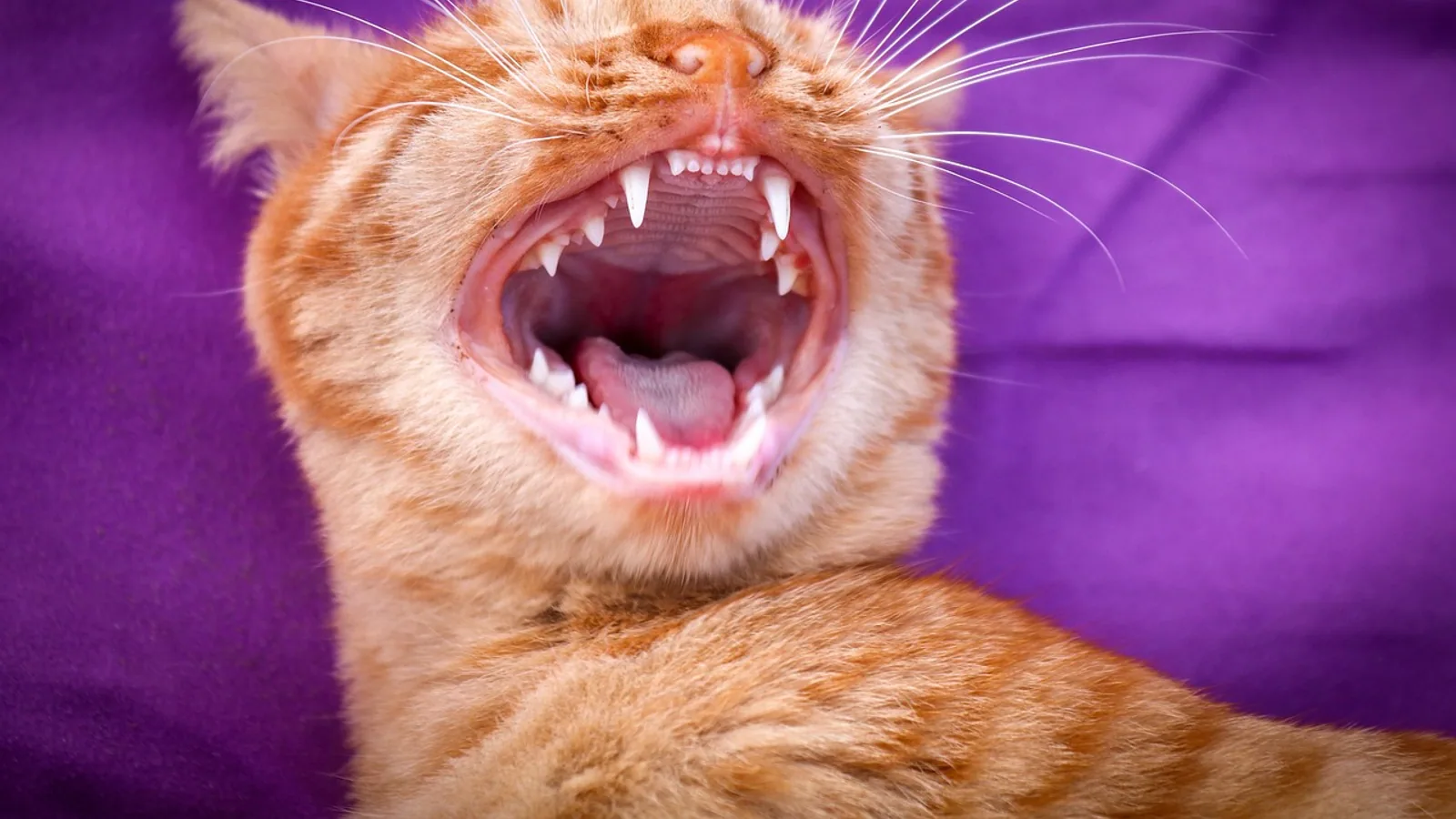
Feline gingivitis is inflammation of the gingiva, the gum tissue that surrounds the teeth. It is the earliest and most reversible stage of periodontal disease. In most cats, gingivitis is driven by plaque bacteria that accumulate along the gumline, and it can resolve completely with professional cleaning and consistent home care. The critical distinction for owners is that gingivitis is not the same disease as stomatitis. Feline chronic gingivostomatitis (FCGS) is a separate, severe, immune-mediated condition that affects the caudal oral mucosa and often the gingiva, causes substantial pain, and frequently requires tooth extraction to control. Confusing the two leads to undertreatment of a painful cat or overtreatment of a problem that good hygiene can reverse.
This article is educational and is not a substitute for veterinary diagnosis or treatment.
Quick Triage: What Owners Should Do First
If your cat has red gums but is eating, grooming, and behaving normally, schedule a dental examination within a few weeks. If your cat has bad breath, drools, drops food, paws at the mouth, or has stopped grooming, book an appointment within days. If your cat is not eating at all, is losing weight, cries when yawning, or has visible ulcers or bleeding, treat this as urgent and call your veterinarian today. Oral pain in cats is easy to miss because cats hide discomfort well, and a cat that stops eating can develop serious secondary problems within days.
At a Glance: Gingivitis vs Stomatitis vs FCGS
| Feature | Feline Gingivitis | Feline Chronic Gingivostomatitis (FCGS) |
|---|---|---|
| Primary tissue involved | Gingiva only | Caudal oral mucosa, often with gingiva |
| Cause | Plaque bacteria | Immune-mediated, multifactorial |
| Reversible | Yes, with plaque control | Often not reversible without extraction |
| Pain level | Mild to moderate | Severe |
| Typical signs | Red gumline, mild halitosis | Drooling, food dropping, weight loss, halitosis |
| First-line treatment | Professional scaling plus home care | Tooth extraction, medical management |
| Response to antibiotics alone | Temporary at best | Inadequate as sole therapy |
| Prognosis | Excellent with hygiene | Good with extraction, variable without |
This table is a decision aid, not a diagnosis. Only a veterinarian who examines your cat's mouth can tell these conditions apart.
Oral Anatomy and Why the Gingiva Matters
The gingiva is the band of pink mucosa that hugs each tooth at the gumline. It forms a seal that protects the deeper periodontal tissues, including the periodontal ligament and alveolar bone, from oral bacteria. When plaque sits on the tooth surface next to the gingiva, the immune system responds with inflammation. That inflammation is gingivitis. If plaque is not removed, it mineralizes into calculus and the inflammation extends below the gumline into periodontitis, which destroys the attachment between tooth and bone. Gingivitis is the warning stage. Periodontitis is the destructive stage.
The caudal oral mucosa, which includes the tissues behind the lower molar teeth and around the fauces, is a different environment. It is non-keratinized, thinner, and more vulnerable to severe inflammation. This is the region where FCGS lesions are most prominent, and it is why FCGS is described as a mucosal disease rather than a simple gum disease [1].
What Causes Feline Gingivitis?
Plaque and the Oral Microbiome
Plaque is a biofilm of bacteria, salivary proteins, and food debris. In cats with gingivitis, the microbiome at the gumline shifts toward a more diverse and inflammatory composition. A study comparing oral sites in cats with FCGS, periodontal disease, and tooth resorption found marked dysbiosis in diseased mouths, with different microbial profiles depending on which disease was present [2]. This means the bacteria present in a gingivitis mouth are not identical to those in a healthy mouth, and the host immune response to those bacteria drives much of the tissue damage.
Viral Contributors
Feline calicivirus (FCV) is the virus most consistently linked to chronic oral inflammation in cats. In a prospective study of 100 cats, FCV infection was significantly associated with the presence of FCGS, while other viruses tested were not [3]. FCV can cause acute oral ulceration and is thought to contribute to chronic immune stimulation in some cats. Feline herpesvirus type 1 (FHV-1) is another upper respiratory virus that can cause oral lesions, though its direct role in chronic gingivitis is less clear [3][4].
Bacterial and Vector-Borne Contributors
Bartonella species have been investigated as a possible contributor to chronic oral inflammation in cats, and a systematic review of factors associated with FCGS identified Bartonella among the infectious agents studied [4]. Pasteurella multocida subspecies multocida has also been reported in this context [4]. These findings do not prove causation. They suggest that in some cats, chronic bacterial exposure may add to the inflammatory burden.
Immunosuppression and Retroviruses
Feline leukemia virus (FeLV) and feline immunodeficiency virus (FIV) suppress immune function and are recognized risk factors for severe oral disease. In the coinfection study, FIV was identified in 4 of 100 cats and FeLV in 2, both with progressive infection [3]. Cats with retroviral infection may develop more severe gingivitis and are more likely to progress to FCGS. Testing for FeLV and FIV is standard when a cat presents with severe or recurrent oral inflammation.
Immune Dysregulation
FCGS is now understood as a disease of immune dysregulation rather than simple infection. Cats with active FCGS show exhaustion-like changes in CD8+ T cells and impaired mitochondrial function, and these abnormalities partially resolve after full-mouth extraction and mesenchymal stromal cell therapy [5]. Serum proteomic studies show systemic inflammatory signatures, including polyclonal hyperglobulinemia and elevated immunoglobulins, in affected cats [6]. This systemic component explains why some cats remain symptomatic even after the teeth are removed.
Risk Factors for Feline Gingivitis and Stomatitis
A systematic review of 17 studies reported a global frequency of FCGS of 10.9% across 6,881 cats [4]. The same review found that factors related to the cat itself, the environment, and infectious agents have all been explored, but no single factor reliably predicts disease. Age, sex, and housing conditions did not significantly influence the severity of clinical or histopathological findings in one clinic-based study [1]. What this means for owners is that gingivitis can appear in any cat, and severe stomatitis is not confined to one breed, age, or lifestyle.
Cats with crowded teeth, retained deciduous teeth, or malocclusion may trap plaque more easily. Cats fed only soft food may accumulate more plaque than cats that chew abrasive diets or dental treats. Cats with FCV, FIV, or FeLV infection are at higher risk. Cats in multi-cat households may have more exposure to oral pathogens through shared food and water bowls, though the evidence for environmental transmission is not definitive [4].
Signs of Feline Gingivitis
Gingivitis signs are often subtle at first. The most common early finding is a thin red line along the gumline where the tooth meets the gingiva. Halitosis may be mild. As inflammation progresses, the gums become swollen and bleed easily with brushing or chewing. Cats may show no obvious discomfort at this stage.
Signs that suggest more than simple gingivitis include:
- Drooling, sometimes blood-tinged
- Dropping food or chewing on one side
- Pawing at the mouth or face
- Reduced grooming, especially of the face and chest
- Weight loss or reduced appetite
- Vocalizing when eating or yawning
- Bad breath that is strong and persistent
- Visible ulcers, proliferative tissue, or bleeding in the back of the mouth
A cat with FCGS often has severe pain that is out of proportion to what an owner expects from "a little gum disease." These cats may sit with their heads tilted down, resist having their mouths touched, and become withdrawn. The Stomatitis Disease Activity Index (SDAI) is a clinical scoring tool used in research and specialty practice to grade lesion severity and response to treatment [1][7][8].
Grading Gingivitis: A 0 to 3 Scale
Gingivitis is graded by the degree of erythema, bleeding on probing, and ulceration. The following scale is a practical clinical framework. It is not a substitute for a full oral examination under anesthesia.
| Grade | Erythema | Bleeding | Ulceration | Clinical Meaning |
|---|---|---|---|---|
| 0 | None | None | None | Healthy gingiva |
| 1 | Mild redness at gumline | None | None | Early gingivitis, reversible |
| 2 | Moderate redness and swelling | Bleeds with probing | None | Established gingivitis, reversible with treatment |
| 3 | Severe redness, spontaneous bleeding | Bleeds easily or spontaneously | Ulceration present | Severe inflammation, evaluate for stomatitis or systemic disease |
Grade 0 and 1 gingivitis can often be managed with professional cleaning and home care. Grade 2 requires thorough scaling and polishing plus consistent home hygiene. Grade 3 should prompt a full evaluation for FCGS, viral infection, or other systemic disease, because ulceration and spontaneous bleeding are not features of simple plaque-induced gingivitis.
How Veterinarians Diagnose Gingivitis and Stomatitis
Oral Examination
A complete oral examination in a conscious cat is limited. Most veterinarians can assess the front of the mouth, the gingiva, and the visible mucosa, but the caudal oral cavity and the subgingival space require anesthesia. A dental examination under general anesthesia with a periodontal probe is the standard for staging periodontal disease and identifying FCGS lesions.
Dental Radiography
Dental radiographs are essential. They reveal bone loss, tooth resorption, retained roots, and other pathology that cannot be seen with the naked eye. Cats with severe gingivitis often have concurrent periodontal disease or tooth resorption that changes the treatment plan.
Laboratory Testing
Baseline blood work, including a complete blood count and serum chemistry, helps assess general health and identifies systemic inflammation. Cats with FCGS may show elevated globulins, low albumin-to-globulin ratio, and elevated serum amyloid A [9][6]. Testing for FeLV, FIV, and FCV is recommended in cats with severe or recurrent oral inflammation [3][4].
Biopsy and Histopathology
When the diagnosis is unclear or when lesions are proliferative, biopsy can help differentiate FCGS from other conditions. Histopathological features of FCGS include epithelial hyperplasia, intraepithelial inflammatory cell infiltration, spongiosis, and ulceration, along with inflammatory infiltration in the lamina propria and submucosa [1]. Biopsy is also important because oral squamous cell carcinoma can occur in cats with refractory FCGS, and chronic inflammation can mask a tumor [10].
Home Care for Feline Gingivitis
Home care is the foundation of gingivitis prevention and the maintenance phase after professional treatment. The goal is to reduce plaque at the gumline every day.
Toothbrushing with Enzymatic Toothpaste
Daily toothbrushing with a veterinary enzymatic toothpaste is the most effective home method for plaque control. Use a soft-bristled cat toothbrush or a finger brush. Human toothpaste is not safe for cats because it often contains xylitol, fluoride, and detergents that can cause gastrointestinal upset. Introduce brushing gradually, starting with a finger dipped in toothpaste and allowing the cat to lick it, then progressing to gentle brushing along the gumline. Focus on the outer surfaces of the teeth, where plaque accumulates most.
Chlorhexidine Rinses and Gels
Chlorhexidine is an antiseptic that reduces oral bacteria. Veterinary chlorhexidine rinses, gels, or impregnated wipes can be applied to the gums when brushing is not possible. Chlorhexidine can stain teeth with long-term use and may cause temporary taste aversion. It is a useful adjunct, not a replacement for mechanical plaque removal.
Dental Diets and Chews
Veterinary dental diets are formulated with kibble size and texture designed to scrub the tooth surface as the cat chews. Some diets also contain polyphosphates or other agents that reduce calculus formation. Dental chews and treats with the Veterinary Oral Health Council (VOHC) seal have been tested for plaque and calculus reduction. Always choose products appropriate for your cat's size and dental health, and avoid hard chews that can fracture teeth.
Water Additives
Water additives containing chlorhexidine or other antimicrobials can help reduce oral bacteria, but their efficacy depends on how much water the cat drinks. They are best used as part of a multi-modal home care plan.
Professional Veterinary Treatment
Professional Dental Cleaning
Professional scaling and polishing under anesthesia removes plaque and calculus above and below the gumline. This is the definitive treatment for grade 1 and 2 gingivitis. After cleaning, the gingival inflammation typically resolves within one to two weeks if home care is maintained. Follow-up examinations are usually scheduled within a few weeks to assess healing and reinforce home care.
Periodontal Therapy
If periodontal pockets are present, the veterinarian may perform subgingival scaling, root planing, or periodontal surgery. These procedures address the deeper infection that drives periodontitis. Gingivitis that has progressed to periodontitis cannot be reversed, but further attachment loss can be slowed or stopped.
Tooth Extraction
Extraction is the standard of care for FCGS and for teeth with advanced periodontal disease that cannot be saved. Full-mouth extraction (FME) or partial-mouth extraction (PME) is considered standard therapy for FCGS, with reported clinical remission rates ranging from 51.8% to 67.3% [11]. A case series of cats with unilateral caudal FCGS found that unilateral partial-mouth extraction of the affected side achieved complete clinical remission in all three cats, suggesting that some cats do not require full-mouth extraction [11]. However, most cats with bilateral disease still require extensive extraction.
The decision between full-mouth and partial-mouth extraction depends on the distribution of lesions, the presence of periodontal disease, and the cat's overall health. Your veterinarian will discuss the risks and benefits of each approach.
Corticosteroids and Immunomodulators
Corticosteroids reduce inflammation and are sometimes used short-term to manage pain and inflammation in FCGS, especially before or after extraction. Long-term corticosteroid use carries risks, including diabetes, weight gain, and immunosuppression. Cyclosporine, an immunomodulator, has been evaluated in combination with interferon-omega for refractory FCGS. In one study, 39.2% of cats achieved complete remission after surgical treatment alone, while 60.8% had refractory disease and required additional immunomodulatory therapy [8]. The combination of interferon-omega and cyclosporine improved clinical outcomes as measured by SDAI scores in that study [8].
Interferon
Feline interferon-omega has antiviral and immunomodulatory effects. It has been used as a submucosal injection at the time of extraction and as part of maintenance therapy for refractory FCGS [8]. Response varies, and it is typically reserved for cats that do not achieve remission after extraction.
Antibiotics
Antibiotics may be prescribed for secondary bacterial infection or before dental procedures in cats with severe inflammation. They are not a cure for gingivitis or FCGS. A study evaluating combination antibacterial and antiviral therapy in FCGS cats found improvements in physical signs and clinical biomarkers, but this was an adjunctive approach, not a replacement for extraction [12]. Antibiotics should be used judiciously and only under veterinary direction.
Mesenchymal Stromal Cell Therapy
Adipose-derived and uterine-derived mesenchymal stromal cells (MSCs) are being investigated for refractory FCGS. A clinical trial of intravenous allogeneic uterine-derived MSCs in 46 cats with refractory FCGS after partial or full-mouth extraction reported treatment success rates of 61.4% at day 28, 76.3% at day 60, and 78.8% at day 90 based on owner-reported quality-of-life measures [13]. Cats treated within 6 months of tooth extraction had greater improvement in oral lesion scores [13]. A long-term safety study found no serious adverse events associated with MSC administration, with transient nausea, vomiting, and pyrexia being the most common side effects [14]. Not all studies show benefit. A randomized placebo-controlled trial of equine peripheral blood-derived MSCs found no significant difference in SDAI scores between treatment and placebo groups [15]. MSC therapy remains an emerging option for cats that do not respond to extraction and medical management.
Omega-3 Fatty Acids
Omega-3 polyunsaturated fatty acids have anti-inflammatory properties and have been studied as adjunctive therapy for FCGS. A randomized controlled trial of omega-3-enriched lickable treats found that both krill oil and green-lipped mussel oil were well tolerated, with a non-significant downward trend in stomatitis and pain scores [16]. A separate study evaluating different omega-3 to omega-6 ratios in cats after full-mouth extraction found that a 1:4 ratio produced the most significant reduction in stomatitis index and pro-inflammatory cytokines [9]. These findings suggest that omega-3 supplementation may support recovery, but it is not a substitute for extraction or professional dental care.
Other Emerging Therapies
Topical indocyanine green antimicrobial photodynamic therapy has been reported in a single case of refractory FCGS that responded after 13 sessions over four months, with no recurrence over three years of follow-up [17]. Cannabidiol (CBD) has been evaluated as an adjunctive pain management option after dental extraction, with one placebo-controlled trial showing significant improvement in SDAI scores in treated cats [7]. These therapies are not first-line and should be discussed with a veterinary dentist or oral medicine specialist.
What Not to Do: Unsafe Home Remedies
Do not use human oral care products on cats. Human toothpaste, mouthwash, and dental floss are not designed for feline use and can be toxic. Do not attempt to remove calculus with a dental scaler at home. Scaling without polishing leaves rough enamel that accumulates plaque faster and can damage the gingiva. Do not give human pain medications such as acetaminophen, ibuprofen, or aspirin to cats. These drugs are toxic to cats and can be fatal. Do not rely on antibiotics obtained without a prescription. Do not delay veterinary care because a cat is still eating. Cats with severe oral pain often continue to eat until they cannot, and weight loss can be rapid.
Prevention of Feline Gingivitis
Prevention focuses on daily plaque control and regular veterinary dental assessments. Brush your cat's teeth daily with veterinary enzymatic toothpaste. Use veterinary dental diets, chews, or water additives as adjuncts. Schedule professional dental cleanings as recommended by your veterinarian, typically every 6 to 12 months for cats with a history of gingivitis or periodontal disease. Keep your cat's vaccinations current, especially against FCV, and test for FeLV and FIV as recommended. Address oral pain early. Cats do not outgrow gingivitis, and untreated inflammation progresses to periodontitis.
Prognosis
The prognosis for simple gingivitis is excellent. With professional cleaning and consistent home care, gingival inflammation resolves and teeth are preserved. The prognosis for FCGS is more variable. Full-mouth extraction resolves or substantially improves clinical signs in most cats, with remission rates reported between 51.8% and 67.3% [11]. Cats that do not respond to extraction may require long-term immunomodulatory therapy, and some may benefit from MSC therapy or other emerging treatments [18][13]. Refractory FCGS is a chronic condition that requires ongoing veterinary management. Cats with FCGS are also at risk for oral squamous cell carcinoma, and any proliferative or non-healing lesion should be biopsied [10].
Emergency Red Flags
Call your veterinarian immediately if your cat:
- Stops eating or drinking for more than 24 hours
- Has severe bleeding from the mouth
- Has difficulty breathing or swallowing
- Has facial swelling or asymmetry
- Has a fever or is lethargic
- Has a known oral mass that is growing rapidly
- Has been diagnosed with FCGS and is not responding to treatment
These signs may indicate a dental abscess, oral tumor, systemic infection, or other emergency that requires immediate care.
Limitations and When to Contact a Veterinarian
This article provides general information about feline gingivitis and stomatitis. It cannot diagnose your cat or replace a veterinary examination. Individual cats vary in anatomy, immune response, and concurrent disease. Contact your veterinarian if your cat has bad breath, red gums, drooling, difficulty eating, weight loss, or any change in oral behavior. If your cat has been treated for gingivitis and the signs persist or worsen, ask for a referral to a veterinary dentist or oral medicine specialist. If your cat has FCGS and is not improving after extraction, discuss immunomodulatory therapy, MSC therapy, or other options with your veterinarian.
Frequently Asked Questions
What is the difference between gingivitis and stomatitis in cats?
Gingivitis is inflammation of the gums caused by plaque and is reversible with cleaning and home care. Stomatitis is a severe, immune-mediated inflammation of the oral mucosa, often affecting the back of the mouth, and usually requires tooth extraction and medical management.
Can feline gingivitis go away on its own?
Mild gingivitis may improve temporarily if plaque is reduced, but it does not resolve reliably without professional cleaning and daily home care. Untreated gingivitis progresses to periodontitis, which is not reversible.
Is feline gingivitis contagious to other cats?
Gingivitis itself is not contagious, but the bacteria and viruses that contribute to oral disease can be transmitted between cats through saliva, shared food bowls, and grooming. Cats with FCV or FIV can spread these infections to other cats.
What does grade 3 gingivitis look like?
Grade 3 gingivitis involves severe redness, swelling, bleeding with minimal probing or spontaneously, and ulceration. It is not simple plaque-induced gingivitis and should prompt evaluation for stomatitis or systemic disease.
Can I treat my cat's gingivitis at home without a vet?
You can support gingival health at home with brushing, chlorhexidine rinses, and dental diets, but you cannot remove subgingival plaque or diagnose the cause of inflammation without a veterinary examination. Professional cleaning is required to treat established gingivitis.
How long does it take for gingivitis to heal after a dental cleaning?
Gingival inflammation typically improves within one to two weeks after professional cleaning if home care is maintained. Your veterinarian will schedule a recheck to assess healing.
Does my cat need full-mouth extraction for stomatitis?
Not all cats need full-mouth extraction. Cats with unilateral caudal lesions may achieve remission with partial-mouth extraction of the affected side. Most cats with bilateral FCGS require extensive extraction, and some still need medical management afterward.
What is the success rate of tooth extraction for feline chronic gingivostomatitis?
Reported clinical remission rates after full-mouth or partial-mouth extraction range from 51.8% to 67.3%. Cats that do not achieve remission may benefit from immunomodulatory therapy, mesenchymal stromal cell therapy, or other treatments.
Related Articles
- Feline Hyperthyroidism: Signs, Diagnosis, and Treatment
- Chinchilla Respiratory Infections: Causes, Signs, and Treatment
- Feline Upper Respiratory Infections: Causes, Transmission, and Treatment
- Guinea Pig Respiratory Infections: Causes, Signs, and Treatment
- Feline Toxoplasmosis: Etiology, Clinical Signs, Diagnosis, Treatment, and Zoonotic Considerations
- Dog Paw Allergies: Signs, Causes, and Treatment
- Mastitis in Dogs: Signs, Causes, and Treatment Options
Sources
- Histopathological Features and Clinical Findings of Feline Chronic Gingivostomatitis (FCGS) in Cats (Felis catus) at Gloriavet Clinic, Bandung.
- The Oral Microbiome across Oral Sites in Cats with Chronic Gingivostomatitis, Periodontal Disease, and Tooth Resorption Compared with Healthy Cats.
- Viral Coinfections Potentially Associated with Feline Chronic Gingivostomatitis in Cats with Feline Infectious Peritonitis.
- Feline chronic gingivostomatitis: a thorough systematic review of associated factors.
- Transcriptomic evidence of CD8⁺ T-cell exhaustion-like phenotype and mitochondrial impairment underlying immune dysregulation in feline chronic gingivostomatitis.
- Serum protein alterations characterize feline chronic gingivostomatitis: a case-control study of electrophoresis, immunoglobulin, and cytokine profiles.
- Placebo-Controlled Trial of Daily Oral Cannabidiol as Adjunctive Treatment for Cats with Chronic Gingivostomatitis.
- Long-term efficacy of cyclosporine and interferon-ω in feline chronic gingivostomatitis: insights from SDAI scores.
- Effects and safety analysis of diets with different Omega-3:Omega-6 ratios on postoperative recovery indicators in cats with feline chronic gingivostomatitis (FCGS).
- Co-occurrence of feline chronic gingivostomatitis and oral squamous cell carcinoma in 4 cats (2014-2024).
- Unilateral partial-mouth extraction achieves complete clinical remission in cats with unilateral caudal feline chronic gingivostomatitis: a case series.
- Combination Therapeutic Effect of Antibacterial and Antiviral Agents on Feline Chronic Gingivostomatitis Nonbounded to Prior Tooth Extraction Confirmed by Physical Signs and Clinical Biomarkers.
- Clinical field study evaluating the safety and efficacy of allogeneic uterine-derived mesenchymal stem cells for refractory feline chronic gingivostomatitis.
- Long-term field safety study evaluating allogeneic, uterine-derived mesenchymal stem cells for refractory feline chronic gingivostomatitis.
- Evaluating the safety and efficacy of equine peripheral blood-derived mesenchymal stem cells in feline chronic gingivostomatitis.
- Efficacy and safety of omega-3-enriched lickable treats as adjunctive therapy for feline chronic gingivostomatitis: A randomized controlled trial.
- Topical indocyanine green antimicrobial photodynamic therapy for refractory feline chronic gingivostomatitis: A case report.
- Stromal cell therapy in cats with feline chronic gingivostomatitis: current perspectives and future direction.