Cat Skin Rippling, Scrapes, and Weeping Sores Explained
By Dr. Zubair Khalid, DVM, MS, PhD ·
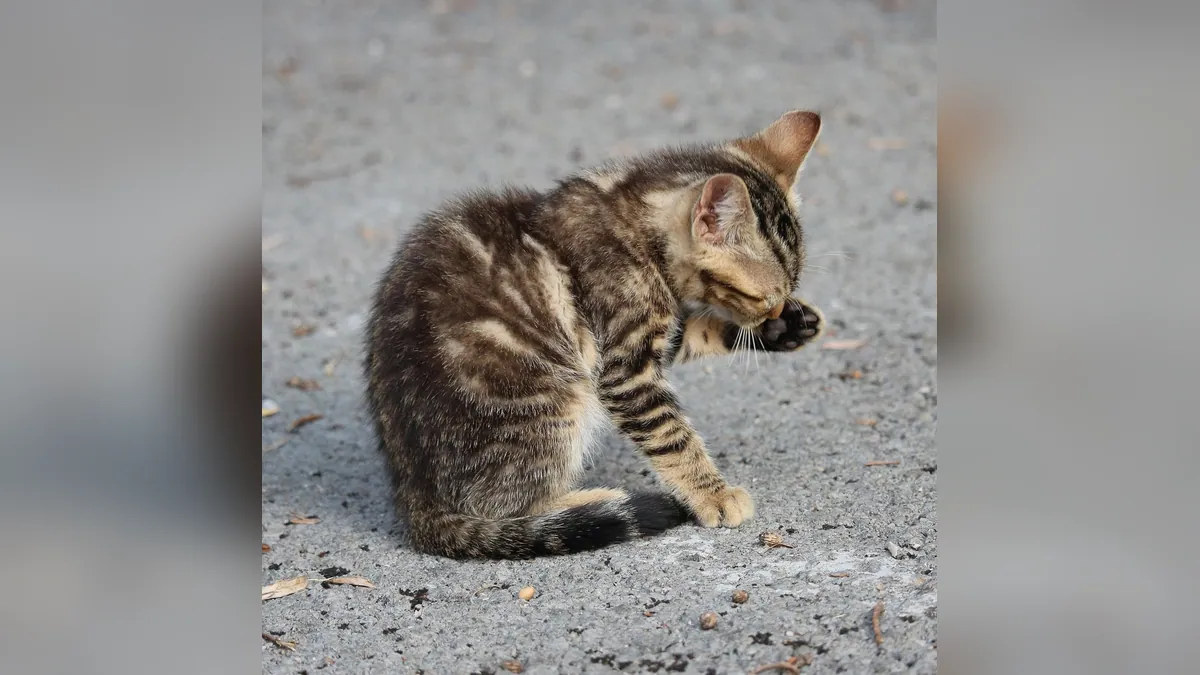
Cat skin rippling is a wave-like twitching of the skin along the back, and it usually means something is irritating or overstimulating your cat's skin or nerves. Scrapes and weeping sores are breaks in the skin that can come from scratching, parasites, allergies, or infections. Some of these problems are mild and easy to treat, while others need a veterinarian quickly.
This article is educational and is not a substitute for veterinary diagnosis or treatment.
Quick Answer
- Rippling skin over the lower back, often with tail chasing or sudden running, is a hallmark of feline hyperaesthesia syndrome, a poorly understood condition that often starts in young cats [1].
- Scrapes and crusty sores are most often self-inflicted from scratching and biting, which points to itchiness from fleas, mites, or allergies [2][3].
- Weeping, oozing, or ulcerated skin can signal a bacterial or viral infection, including feline herpesvirus dermatitis, and needs a vet visit [2][4].
- A single bleeding sore in the mouth or on the face after intense scratching can be a serious grooming injury that may need emergency care [5].
- Do not apply human creams, ointments, or essential oils to broken cat skin, and do not give any medication without veterinary guidance.
What Cat Skin Rippling, Scrapes, and Sores Look Like
Normal skin and grooming
Healthy cat skin is smooth, flexible, and covered by a dense coat. Cats groom themselves many times a day, and a little loose hair or minor dander is normal. A cat's skin can also twitch briefly when a fly lands on it or when you touch a sensitive spot. That kind of twitch is quick and stops on its own.
Rippling skin
Rippling looks like a wave moving under the fur, usually along the back and lower spine. In feline hyperaesthesia syndrome (FHS), the skin ripples over the dorsal lumbar area, and cats may also jump, run, vocalize, or chase and bite their tail [1]. Episodes can happen many times a day in some cats [1].
Scrapes and erosions
A scrape is a shallow injury that removes the surface of the skin. A skin erosion is a deeper loss of the top skin layer without going all the way through. Both can look like red, raw patches, thin scabs, or missing fur. Cats with scabies often have crusty lesions and intense itching that lead to scratching and excoriation (scratched-open skin) [3].
Weeping sores
Weeping means the sore is oozing fluid, which can be clear, bloody, or pus-like. Oozing and crusting are common signs of dermatitis, which is a general term for skin inflammation from irritants, allergens, trauma, or infection [2]. Ulcerative and crusting lesions can also appear with viral skin disease [4].
Main Causes of Cat Skin Rippling, Scrapes, and Weeping Sores
| Cause | Typical clues | How urgent |
|---|---|---|
| Feline hyperaesthesia syndrome | Rippling over the lower back, tail chasing, sudden running, vocalizing, self-trauma to the tail [1] | See your vet soon, urgent if the tail is bleeding or mutilated |
| Parasites (fleas, Sarcoptes mites) | Intense itching, crusty lesions, scratched-open skin, visible fleas or flea dirt [3][5] | See your vet soon, same day if the cat is bleeding or not eating |
| Allergies (flea allergy, food, environmental) | Itching, hair loss, redness, scabs, often on the back, flanks, or face [2][5] | Routine visit unless severe |
| Bacterial skin infection | Pus, oozing, odor, spreading redness, warm skin [2] | See your vet soon |
| Feline herpesvirus dermatitis | Ulcerated, crusting sores, often on the nose or face, sometimes on limbs [4][6] | See your vet soon, same day if the cat is lethargic or not eating |
| Grooming injury | A scrape or sore in a spot the cat can reach, often after a bout of itching [5] | Emergency if bleeding will not stop |
| Whole-body disease | Oozing, crusting, redness, hair loss on the face, genitals, or lower legs, plus thickened skin or footpad ulcers [7] | See your vet soon for bloodwork |
Feline hyperaesthesia syndrome
FHS is a poorly understood disorder. In one case series, most affected cats were young (median age 1 year), male, and had outdoor access [1]. The classic signs are skin rippling over the lower back, episodes of jumping and running, excessive vocalization, and tail chasing with self-trauma [1]. Routine bloodwork, imaging, and other tests often come back normal, which is part of why the diagnosis is tricky [1]. If your cat has rippling skin with tail attacks, see our guide to Feline Hyperesthesia Syndrome: Rippling Skin, Tail Attacks, and What Helps.
Parasites
Fleas are a very common trigger for itching and self-trauma in cats. One reported case involved a cat with documented flea infestation and marked itching that led to a severe mouth ulcer from excessive grooming [5]. Sarcoptic mange is rare in cats, but it does happen. In three confirmed cases, all cats had itching and scratched-open skin, and diagnosis was made by looking at skin scrape samples under a microscope [3]. If your cat is itchy, our article on Why Is My Cat So Itchy? walks through the common causes.
Allergies
Allergic skin disease causes itching, redness, scabs, and hair loss. Dermatitis from allergens is one of many types of skin inflammation in cats [2]. Flea allergy dermatitis is a frequent culprit, and it can drive intense grooming and scratching [5]. Food and environmental allergies can look similar, so a vet visit is the fastest way to sort them out.
Infections
Bacterial infections often follow scratching or another skin problem. Signs include oozing, pus, crusting, odor, and spreading redness [2]. Viral skin disease is less common but serious. Feline herpesvirus dermatitis causes ulcerative, crusting sores, and in one report the nose was affected in six of eight cats [4]. Another report described a cat with herpesvirus dermatitis on the limbs and shoulder with no facial or mouth involvement, so the sores are not always in the expected places [6].
Grooming injuries
Cats can create their own wounds by licking, chewing, or scratching a spot raw. A Menrath ulcer is a trauma-induced ulcer in the mouth that can result from excessive grooming linked to itchy skin disease [5]. In that case, the cat had severe oral bleeding and needed blood transfusions and surgery [5]. A bleeding sore in the mouth is not something to watch at home.
Whole-body disease
Sometimes skin changes are the first clue to a problem inside the body. Dermatitis can occur with liver, kidney, or pancreatic disorders, and liver disease or diabetes can rarely cause skin tissue death in old cats [7]. Fragile skin syndrome, where the skin breaks easily, has been linked to pancreatic, liver, or adrenal disorders [7]. If your cat has skin signs plus weight loss, appetite changes, or drinking more water, tell your vet.
Red Flags That Make It an Emergency
Go to an emergency clinic now if you see any of these:
- Bleeding that will not stop, especially from the mouth, nose, or a sore that keeps reopening [5].
- A sore that is deep, enlarging fast, or exposing tissue under the skin.
- Trouble breathing, pale gums, weakness, or collapse.
- A cat that stops eating or drinking, hides, or cries when touched.
- Sudden severe swelling of the face, lips, or throat.
- A tail or limb wound that looks mutilated from self-trauma [1].
Call your vet the same day for:
- New weeping sores with pus, odor, or spreading redness [2].
- Rippling skin episodes that are getting more frequent or intense [1].
- Intense itching that keeps your cat awake or causes constant scratching [3].
- Sores on the nose, face, or mouth [4][6].
- Any sore that has not improved after a few days of home monitoring.
Safe Things You Can Do at Home While Waiting
You cannot diagnose your cat at home, but you can keep things from getting worse.
- Stop the scratching cycle. A soft cone (Elizabethan collar) or a recovery suit can prevent your cat from reopening sores. This is often the single most helpful step.
- Check for fleas. Look for live fleas and dark specks (flea dirt) in the coat, especially near the tail base. Use only flea products labeled for cats, and never use a dog product on a cat.
- Keep the area clean and dry. Gently pat away oozing with a clean, damp cloth. Do not scrub scabs.
- Do not apply human creams, antibiotic ointments, hydrocortisone, or essential oils. Cats lick their skin, and many human products are toxic to them.
- Do not give any oral medication, including antihistamines or pain relievers, without veterinary guidance. The dose depends on your cat's weight and health, and your veterinarian will calculate it.
- Reduce stress. Keep the environment calm, stick to a routine, and give your cat quiet spaces to rest. Stress can worsen some skin and nerve-related conditions.
- Take photos and notes. Record when episodes happen, how long they last, and what your cat does during them. This helps your vet a lot, especially with rippling skin and tail chasing [1].
- Prevent spread if a parasite is suspected. Wash bedding, vacuum, and keep your cat away from other pets until your vet gives the all-clear.
If your cat has a scratch that looks infected, our article on Cat Scratch: When to Worry About Infection or Rabies covers what to watch for.
What Your Veterinarian Will Check and Test
Your vet will start with a full history and a hands-on exam. Expect questions about diet, flea control, outdoor access, other pets, recent stress, and when the signs started.
Common tests include:
- Skin scrape. Your vet scrapes a small amount of surface skin and looks at it under a microscope. This is how sarcoptic mange was confirmed in reported feline cases [3].
- Flea comb and coat exam. A quick check for fleas and flea dirt.
- Skin cytology. A swab or impression smear to look for bacteria and yeast.
- Fungal culture. If ringworm is a concern.
- Bloodwork. To check for underlying disease, since dermatitis can occur with liver, kidney, or pancreatic disorders [7].
- Allergy testing or diet trial. If allergies are suspected.
- Skin biopsy. For unusual, deep, or non-healing sores. Biopsy and specialized testing are how herpesvirus dermatitis is confirmed [4][6].
- Imaging or referral. If nerve or spinal disease is suspected with rippling skin, your vet may recommend advanced testing [1].
Treatment depends on the cause. Parasite treatment targets the specific mite or flea. Bacterial infections need antibiotics. Allergic disease may need steroids, immunosuppressants, or a special diet. FHS treatment often combines behavior changes, environmental changes, and medication, and it can take time to find what works [1]. Your vet will tailor the plan to your cat.
Prevention and Monitoring
- Use flea prevention year-round. Fleas are a leading cause of itching and self-trauma in cats [5].
- Keep up with routine vet visits. Early skin changes are easier to treat than open sores.
- Watch for early rippling. If you notice skin waves over the back, start a log and book a visit before tail trauma starts [1].
- Manage stress. Predictable routines, plenty of resources (litter boxes, food, water, resting spots), and quiet hiding places help.
- Groom gently. Brush your cat regularly so you notice scabs, lumps, or hair loss early.
- Do not switch diets or start supplements without asking your vet first. Some skin problems are linked to diet, but this is uncommon in cats fed modern, balanced diets [7].
- Follow up. If sores are not healing on schedule, call your vet. Non-healing sores need a closer look.
Limitations and When to Contact a Veterinarian
This article cannot tell you what is causing your cat's skin problem. Only a veterinarian who examines your cat can do that. Individual cases need a veterinarian, and the timing matters.
Contact an emergency clinic now for bleeding that will not stop, a deep or rapidly growing sore, trouble breathing, weakness, or a cat that will not eat or drink [5].
Call your vet the same day for new weeping sores, pus, spreading redness, sores on the nose or face, or rippling episodes that are getting worse [2][1][4].
Book a routine visit for mild itching, small scabs, or occasional skin twitching that is not affecting your cat's appetite, sleep, or behavior.
Frequently Asked Questions
Is cat skin rippling always a sign of a serious problem?
No, but it should not be ignored. Rippling over the lower back with tail chasing, running, or vocalizing is a classic pattern of feline hyperaesthesia syndrome, a condition that often needs long-term management [1]. A single brief twitch when something touches the skin is usually harmless.
Can I treat my cat's weeping sore at home?
You can keep it clean and stop your cat from licking it, but you should not treat it with human creams or leftover medications. Weeping and oozing are signs of skin inflammation that can have many causes, including infection [2]. A vet visit is the fastest way to get the right treatment.
How do vets find out what is causing the sores?
They combine the history, physical exam, and simple tests. Skin scrapes are used to find mites [3], and cytology or cultures check for infection. For unusual or deep sores, a biopsy may be needed, which is how herpesvirus dermatitis is confirmed [4][6].
Are these skin problems contagious to my other pets?
It depends on the cause. Parasites like fleas and Sarcoptes mites can spread between pets, and some infections can too. Keep your cat separated from other pets until your vet identifies the problem and tells you it is safe.
When should I stop watching and book the visit?
Book a visit if a sore is not improving within a few days, if new sores keep appearing, if your cat is itching constantly, or if you see rippling skin with tail attacks [1]. Go to an emergency clinic right away for bleeding that will not stop or a cat that seems weak or very ill [5].
Related Articles
- Feline Hyperesthesia Syndrome: Rippling Skin, Tail Attacks, and What Helps
- Cat Scratch: When to Worry About Infection or Rabies
- Why Is My Cat So Itchy?
- Cat Skin Rash with Pus: When to Rush to the Vet
- Cat Skin Rash with Crusting: What It Looks Like and What to Do
- Cat Scratch Disease: Comprehensive Veterinary Reference Guide
- Why Is My Cat Ripping Out His Fur? Over-Grooming Causes
- Why Is My Cat's Skin Rolling or Moving? Causes and Next Steps
- Cat Skin Necrosis: Causes, Signs, and Treatment
References
- Feline hyperaesthesia syndrome with self-trauma to the tail: retrospective study of seven cases and proposal for an integrated multidisciplinary diagnostic approach. Journal of feline medicine and surgery, 2019.
- Dermatitis and Dermatologic Problems in Cats - Cat Owners. Merck Veterinary Manual.
- Feline sarcoptic mange in Poland: A case series of three cats. Veterinary medicine and science, 2024.
- Dermal inflammatory vascular changes associated with felid alphaherpesvirus 1 dermatitis in cats. Journal of comparative pathology, 2026.
- Menrath ulcer resulting in life-threatening anaemia in a cat. JFMS open reports, 2026.
- Atypical felid alphaherpesvirus 1 dermatitis in a cat. Journal of veterinary diagnostic investigation : official publication of the American Association of Veterinary Laboratory Diagnosticians, Inc, 2026.
- Whole-body Disorders that Affect the Skin in Cats - Cat Owners. Merck Veterinary Manual.