Cat Skin Necrosis: Causes, Signs, and Treatment
By Dr. Zubair Khalid, DVM, MS, PhD ·
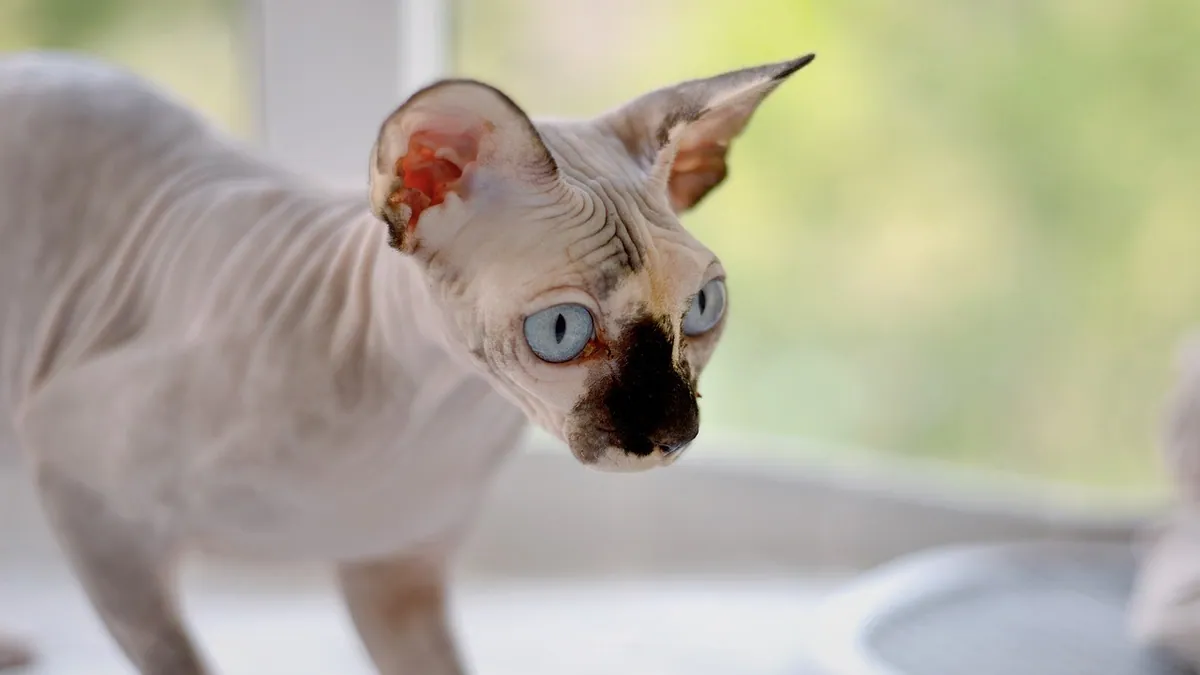
Cat skin necrosis happens when skin tissue dies because it loses its blood supply or is destroyed by severe inflammation, infection, or immune attack. The dead area often looks black, dark purple, or gray and may peel away from healthy skin. This is a medical emergency, and cats with cat skin necrosis need to see a veterinarian the same day the problem appears. This article is educational and is not a substitute for veterinary diagnosis or treatment.
Quick Answer
- Skin that turns black, purple, or gray and feels cold or hard is dying tissue, not a bruise that will fade on its own.
- Causes range from infections and immune reactions to low blood pressure, blood clots, and organ disease in older cats [1][2][3][4].
- Diagnosis usually involves skin scrapings, cultures, blood work, and often a biopsy, which is a small tissue sample sent to a lab.
- Treatment depends on the cause and may include antibiotics, immune-suppressing drugs, wound care, or surgery to remove dead tissue [2][4].
- Do not wait to see if the color improves. Call your veterinarian or an emergency clinic right away.
What Is Cat Skin Necrosis?
Necrosis means tissue death. When it affects the skin, the blood supply to an area is cut off or the tissue is damaged so badly that the cells die. Dermatitis, which is any inflammation of the skin, can progress to this point when the underlying trigger is severe or goes untreated [5].
Dead skin cannot heal. It has to either slough off on its own or be removed by a veterinarian. In some cats, the necrosis stays in one spot. In others, it spreads along a limb or appears in a symmetrical pattern on multiple paws, which is a sign that something is wrong with blood flow throughout the body [2].
Owners often describe the area as "skin turning black." That dark color comes from dead tissue and dried crusts. It is different from the dark pigment many cats normally have on their noses, lips, and paw pads.
Signs Owners Notice
The first sign is often a color change. Skin may go from pink to red, then purple, then black or gray. The affected area may feel cool compared with the skin around it.
Other signs include:
- Ulcers, open sores, or crusting that does not heal
- Peeling or sloughing skin, sometimes in sheets
- Swelling, oozing, or a bad smell
- Pain when you touch the area, or the opposite, no reaction at all
- Hair loss around the damaged skin
- Lethargy, poor appetite, or hiding
Lesions can appear on the nose, face, flanks, elbows, shoulders, hocks, or paws [3]. Some immune-mediated skin diseases in cats cause redness, hair loss, scaling, crusting, and erosions, and these can look like infections or allergies at first [4][6]. If your cat has red, crusty, or oozing skin along with hair loss, our guide to Cat Hair Loss with Red Skin: Causes and Treatment can help you sort out what you are seeing.
Itching is not always part of the picture. Some cats with immune-mediated skin disease itch, and some do not [4]. That is one reason these conditions are easy to mistake for something minor.
Causes and Risk Factors
Skin necrosis in cats has many possible causes. Your veterinarian will work through them systematically.
Infections
Bacterial infections can destroy skin if they go deep enough. Fungal and parasitic dermatitis can also cause severe inflammation that damages tissue [5]. Feline ulcerative dermatitis linked to felid alphaherpesvirus 1 is an uncommon condition that causes ulcerative and crusting lesions, most often on the nose [3]. In one report, six of eight affected cats had inflammatory changes in the small blood vessels of the skin, with or without clots, which helps explain how the virus leads to tissue death [3].
Immune-Mediated Disease
In immune-mediated skin disorders, the cat's own immune system attacks the skin. These conditions are rare but can be severe. They include erythema multiforme, Stevens-Johnson syndrome, toxic epidermal necrolysis, and the pemphigus complex [4][6]. Cats with these diseases may have widespread redness, crusting, erosions, and systemic signs like fever or lethargy. Some cases become so serious that owners consider euthanasia because of poor quality of life [4][6].
Blood Flow Problems
Anything that drops blood pressure or blocks blood vessels can starve the skin of oxygen. One case report described a cat treated with multiple vasopressors (drugs that raise blood pressure) during septic shock. After the drugs were withdrawn, the cat developed symmetric skin necrosis and sloughing of the paws, a pattern called suspected symmetrical peripheral gangrene [2]. This shows how fragile skin circulation can be in a critically ill cat.
Whole-Body Disease
Skin problems can be the first clue to an internal disease. Liver disease and diabetes can rarely cause death of skin tissue in old cats. The changes include redness, crusting, oozing, and hair loss on the face, genitals, and lower legs, plus thickened skin and ulcers on the footpads [1]. Fragile skin syndrome, where the skin tears easily, has been linked to pancreatic, liver, or adrenal disorders [1]. Pancreatic cancer may cause crusting of the footpads and hair loss [1].
Trauma, Burns, and Pressure
Chemical burns, heat burns, bite wounds, and prolonged pressure on one area can all kill skin. Traumatic and surgical wounds in cats are common and often become colonized with bacteria, which complicates healing [7].
Vascular Growths
Rarely, abnormal blood vessel growth in the skin can cause a purple, depressed lesion that ulcerates and hurts. One case involved a lesion on a metatarsal pad in a 5-year-old cat [8].
| Cause category | Examples | Typical clue |
|---|---|---|
| Infection | Bacterial, fungal, herpesvirus-associated dermatitis | Crusting, ulcers, often on the nose or face [3] |
| Immune-mediated | Pemphigus complex, erythema multiforme, toxic epidermal necrolysis | Widespread redness, erosions, sometimes systemic illness [4][6] |
| Blood flow | Septic shock, vasopressor therapy, clots | Symmetric paw necrosis and sloughing [2] |
| Whole-body disease | Liver disease, diabetes, pancreatic disease | Skin signs on face, genitals, lower legs, or footpads [1] |
| Trauma | Burns, bites, pressure wounds | A clear history of injury or a wound that worsens [7] |
How It Is Diagnosed
Your veterinarian starts with a full history and physical exam. They will ask when you first noticed the color change, whether your cat has been sick, and whether any new products, medications, or injuries are involved.
Expect some of these tests:
- Skin scrapings and tape preparations to look for parasites and yeast
- Skin swabs or cultures to identify bacteria and fungi [5]
- Blood work and urinalysis to check liver, kidney, and blood sugar values [1]
- Blood pressure and clotting tests if blood flow is a concern
- A biopsy, which is the most reliable way to confirm what is killing the skin
A biopsy is a small sample of skin taken with local or general anesthesia and sent to a pathologist. It can separate an infection from an immune-mediated disease from a blood vessel problem. In the herpesvirus study, immunohistochemistry (a special staining technique) was used to confirm the virus in every case [3]. Getting the right diagnosis matters because treatments for these conditions are very different.
If your cat has a wound or sore that is not healing, our article on Cat Skin Infection: Signs and Treatment Options explains what veterinarians look for.
Treatment Options
Treatment targets the cause. There is no single drug that fixes skin necrosis.
Infection Control
Bacterial infections are treated with antibiotics chosen based on culture results. Your veterinarian calculates the dose from your cat's weight and health. Fungal infections need antifungal drugs, and parasitic causes need specific antiparasitic treatment [5].
Immune Suppression
For immune-mediated skin disease, veterinarians use drugs that calm the immune system. These are powerful medications with real side effects, so your cat will need monitoring blood work. Early diagnosis and appropriate treatment give the best chance of control [4][6].
Circulatory Support
If low blood pressure or shock caused the problem, the priority is stabilizing circulation. In the reported case, the cat improved after vasopressor therapy was stopped, and surgical management was part of the plan [2]. This kind of care happens in a hospital setting.
Wound Care and Surgery
Dead tissue is a breeding ground for bacteria, so it usually needs to be removed. Your veterinarian may trim away necrotic skin, clean and bandage the wound, and manage pain. Some wounds benefit from advanced therapies. A study of fluorescent light energy in feline surgical and traumatic wounds found significant improvement in wound healing scores over three weekly sessions, with no antibiotics given during the trial [7]. Ask your veterinarian whether your cat is a candidate for this type of care.
Managing Underlying Disease
If diabetes, liver disease, or pancreatic disease is behind the skin problem, controlling that condition is the main treatment. Skin signs may improve once the internal disease is managed [1].
Pain Control
Necrotic skin hurts. Adequate pain relief is part of humane care, especially when paws or large areas are involved [2].
Recovery, Outlook, and Long-Term Management
The outlook depends on the cause, how much skin is affected, and how quickly treatment starts.
Cats with a single infected wound often recover well after the infection is cleared and dead tissue is removed. Cats with immune-mediated disease may need months or years of medication, and some need lifelong management [4][6]. Cats that lost skin on multiple paws after a blood flow crisis face a longer road, with bandage changes, pain management, and possible surgery [2].
Some practical points for the recovery period:
- Keep follow-up appointments, even when the skin looks better.
- Give all medications exactly as prescribed and finish the full course.
- Keep the wound clean and dry, and change bandages as directed.
- Use an Elizabethan collar if your cat licks or chews the area.
- Watch for new black or purple spots, which mean the problem may be spreading.
Ask your veterinarian what a normal healing timeline looks like for your cat's specific diagnosis. Healing times vary widely.
Prevention
You cannot prevent every cause of skin necrosis, but you can lower the risk.
- Treat skin infections, allergies, and wounds early, before they deepen.
- Keep up with routine veterinary visits so internal diseases are caught sooner.
- Manage chronic conditions like diabetes closely, since they can affect the skin [1].
- Protect your cat from burns, chemicals, and bite wounds.
- Check your cat's skin and paws weekly, especially on the nose, face, and footpads where lesions often appear [1][3].
- If your cat has a known immune-mediated condition, follow the treatment plan and do not stop medications without veterinary guidance [4][6].
If your cat has ongoing itching or scratching that could lead to open sores, see Cat Itchy Skin: Causes and When to See the Vet for help deciding when to call your veterinarian.
Limitations and When to Contact a Veterinarian
No article can tell you what is happening with your individual cat. Only a veterinarian who examines your cat can diagnose and treat skin necrosis.
Call an emergency clinic now if you see:
- Skin that is black, purple, or gray
- Skin peeling away or sloughing
- A wound with a bad smell, heavy oozing, or spreading redness
- Sudden swelling of a limb or paw
- Your cat is limp, breathing fast, or unresponsive
Call your veterinarian the same day if you see:
- A sore that has not improved after several days
- New crusting or ulcers on the nose, face, or footpads
- Hair loss with redness or scaling that is getting worse
- Your cat is hiding, not eating, or seems painful
Schedule a routine visit if you notice mild skin changes like flaking, small scabs, or slight color changes that are not spreading. Early visits are cheaper and easier than emergency care. For a broader look at when skin problems need attention, see Cat Skin Problems: When to See the Vet and How to Help.
Frequently Asked Questions
Does black skin on a cat always mean necrosis?
No. Some cats have naturally dark pigment on their noses, lips, and paw pads. Necrotic skin is different because it is new, often feels cold or hard, and may sit next to red or ulcerated tissue. If the color change appeared suddenly or the area looks painful, treat it as an emergency.
Can a cat recover from skin necrosis?
Yes, many cats recover, especially when the cause is found and treated early. Recovery may involve surgery to remove dead tissue, antibiotics, immune-suppressing drugs, or treatment of an underlying disease. The amount of skin lost and the underlying cause both affect the outcome.
Is skin necrosis contagious to other pets or to people?
It depends on the cause. Bacterial and fungal skin infections can spread between pets, and some can spread to people with weakened immune systems. Immune-mediated and blood flow-related necrosis is not contagious. Ask your veterinarian whether you need to isolate your cat or take other precautions.
Will the hair grow back after necrotic skin heals?
Hair regrowth depends on how deep the damage went. If the hair follicles were destroyed, the area may stay bald or grow only sparse hair. Superficial damage often heals with normal or near-normal coat regrowth. Your veterinarian can give you a better idea after examining the wound.
Can I treat this at home with ointments or bandages?
No. Home treatment can delay care and make the damage worse. Dead tissue needs professional assessment, and some ointments trap bacteria or damage healing tissue. Keep the area clean, prevent your cat from licking it, and get veterinary care right away.
Related Articles
- Cat Skin Infection: Signs and Treatment Options
- Cat Hair Loss with Red Skin: Causes and Treatment
- Cat Itchy Skin: Causes and When to See the Vet
- Cat Skin Problems: When to See the Vet and How to Help
- Cat Hot Spot on Leg: Causes, Treatment, and Prevention
- What Is The Treatment For Cat Scratch Disease
- Cat Skin Ulcers: Causes, Types, and Treatment Options
- Cat Skin Peeling: Causes and Treatment Options
- Cat Skin Scabs: Causes, Home Care, and When to See a Vet
References
- Whole-body Disorders that Affect the Skin in Cats - Cat Owners. Merck Veterinary Manual.
- Suspected symmetrical peripheral gangrene in a cat. JFMS open reports, 2019.
- Dermal inflammatory vascular changes associated with felid alphaherpesvirus 1 dermatitis in cats. Journal of comparative pathology, 2026.
- Feline immune-mediated skin disorders: Part 2. Journal of feline medicine and surgery, 2025.
- Dermatitis and Dermatologic Problems in Cats - Cat Owners. Merck Veterinary Manual.
- Feline immune-mediated skin disorders: Part 1. Journal of feline medicine and surgery, 2025.
- Fluorescent Light Energy in Feline Surgical and Traumatic Wounds: A Prospective Single-Arm Pilot Study of Healing Progression and Bacterial Findings. Veterinary medicine and science, 2026.
- A Case of Slow Progressive Cutaneous Angiomatosis on a Cat Metatarsal Pad Treated by a Topical Beta-Blocker. Veterinary dermatology, 2026.