Dandruff on a Cat's Ears: Causes and What to Do
By Dr. Zubair Khalid, DVM, MS, PhD ·
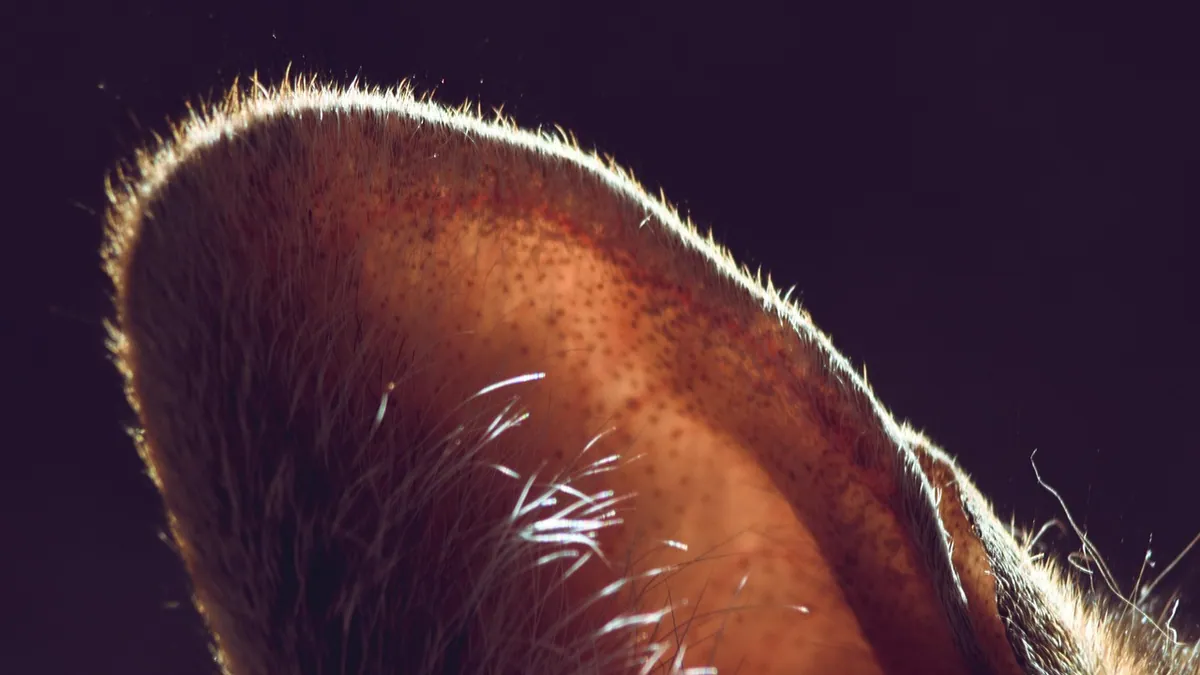
Dandruff on a cat's ear usually means dead skin cells are shedding from the ear flap or the ear margin. In many cats this is simple flaking skin, but the same sign can point to ear mites, a yeast or bacterial infection, allergies, or a skin condition that needs treatment. This article is educational and is not a substitute for veterinary diagnosis or treatment.
Quick Answer
- Flaking skin along the ear margin (the thin edge of the ear flap) is often harmless and linked to dry skin, cold weather, or poor grooming.
- Ear mites usually cause dark, crumbly debris that looks like coffee grounds inside the ear canal, plus intense scratching and head shaking.
- A yeast or bacterial ear infection often comes with redness, odor, discharge, and pain when you touch the ear.
- Dandruff that spreads, itches, or comes with hair loss, redness, or a bad smell needs a veterinary exam.
- Never put ear cleaners, oils, or human products deep into the ear canal unless your veterinarian tells you to.
What Ear Dandruff Looks Like and What Is Normal
Dandruff is flaky, whitish or grayish skin that sheds from the surface. On a cat's ear it most often shows up along the outer edge of the pinna, which is the visible ear flap [1]. You may see fine white specks, larger flakes, or a dry, scaly texture. Some cats also have dandruff on the back, tail base, or flanks at the same time.
A small amount of flaking skin is normal. Skin cells constantly turn over, and shedding is part of that process. Normal ear skin should be pale, smooth, and free of crusts, redness, or sores. The ear canal itself should look clean or have only a light amount of pale wax. You should not see thick dark debris, pus, or a strong smell.
Scaling and flaking become a medical sign when they are heavy, ongoing, or paired with other changes. Dermatitis is a general term for skin inflammation, and its signs include itching, scaling, redness, thickening, color changes, oil buildup, odor, and hair loss [2]. If your cat's ear flaking comes with any of these, the skin is likely reacting to something.
It helps to know the difference between the ear flap and the ear canal. Problems on the flap are often skin issues. Problems inside the canal are more often ear infections or mites. Both can cause dandruff, but they are treated differently.
If the flaking is mostly on the ear and you also see thinning hair, read Cat Hair Loss on Ears: Causes and What to Do for a closer look at that pattern.
Common Causes of Dandruff on a Cat's Ear
Many conditions can cause flaky skin on the ears. Some are mild and some need treatment. The table below lists the main causes and how urgent each one tends to be.
| Cause | Typical clues | How urgent |
|---|---|---|
| Dry skin or low humidity | Fine white flakes on the ear margin, no redness, no itching, cat otherwise healthy | Routine, watch at home |
| Ear mites (Otodectes cynotis) | Dark crumbly debris like coffee grounds, intense scratching, head shaking, debris in the canal | See a vet soon |
| Yeast infection (Malassezia) | Brownish or greasy discharge, musty odor, redness, head shaking | See a vet soon |
| Bacterial infection | Pus-like discharge, redness, pain, foul odor, swelling | See a vet soon |
| Allergies (food, environmental, flea) | Itching on ears, face, and body, redness, hair loss, sometimes scabs | Routine to soon, depending on severity |
| Notoedric mange (Notoedres cati) | Thick crusts on the face and ear margins, severe itching, hair loss, sometimes ear discharge | See a vet soon |
| Immune-mediated skin disease | Redness, scaling, crusting, erosions, may or may not itch | See a vet soon |
| Seborrhea (keratinization disorder) | Greasy or dry scaling, flaky coat, sometimes odor | Routine visit |
Dry Skin and Environmental Flaking
Dry indoor air, cold weather, and frequent bathing can dry out a cat's skin and cause light flaking. Older cats and cats that groom less may also show more dandruff because oils are not spread as evenly across the coat. This type of flaking is usually mild, does not itch, and stays on the surface.
Ear Mites
Ear mites are a leading cause of ear problems in cats. In one study of free-roaming cats, mites were found in about 26 percent of the cats examined and were the primary cause of ear inflammation in most of those cases [3]. The classic sign is dark, dry, crumbly debris that looks like coffee grounds inside the ear canal. Cats with mites often scratch hard, shake their heads, and may develop scabs around the ear from scratching.
Mites are contagious between cats. If you have more than one cat, they may all need treatment.
Yeast and Bacterial Infections
Yeast and bacteria grow in the ear canal when conditions are right. In owned cats, abnormal numbers of bacteria or yeast were found on ear cytology in about 15 percent of cats tested, with most of those showing only yeast or only cocci bacteria [4]. Yeast infections often cause a brownish, greasy discharge and a musty smell. Bacterial infections tend to cause redness, pain, and pus-like discharge.
These infections are often secondary. Something else, such as allergies, mites, or a growth in the canal, sets up the conditions for overgrowth. Treating only the infection without finding the trigger often leads to it coming back.
Allergies
Allergies are a common reason cats itch. Food allergies, environmental allergies, and flea allergies can all cause redness, scratching, and flaking on the ears and face. The flaking is usually part of a wider skin problem, not just on the ears.
Notoedric Mange
Notoedres cati is a mite that causes notoedric mange, a severe itchy skin disease. It mainly affects stray cats and can spread to other cats and to people. A recent case report described a cat with severe itching, hair loss, thick crusts, and inflammation of both ear canals caused by this mite [5]. This condition is uncommon in well-cared-for indoor cats, but it is serious when it happens.
Immune-Mediated Skin Disease
Some skin diseases happen when the immune system attacks the skin. These can cause redness, hair loss, scaling, crusting, and sores, and they can look like allergies or infections [6]. They are rare in cats, but they can be severe. A veterinarian usually needs skin tests to tell them apart from more common problems.
Seborrhea
Seborrhea is a disorder of skin keratinization, which is the process that builds the outer skin layer. Cats with seborrhea can have dry, flaky skin or greasy, oily skin. A study of cats with these disorders found that a medicated shampoo and mousse routine reduced scaling and greasiness over three weeks [7]. If your cat has flaking in several areas, not just the ears, seborrhea may be part of the picture.
For a broader look at flaking skin anywhere on the body, see How To Help Cat Dandruff.
Red Flags That Mean an Emergency
Most ear dandruff is not an emergency. Some signs mean you should stop home care and get help right away.
- Your cat is in severe pain when you touch the head or ear.
- The ear is swollen, hot, or has a large blood-filled pocket (aural hematoma).
- There is a sudden loss of balance, head tilt, circling, or vomiting.
- Your cat cannot hear you or does not respond to sound.
- There is heavy bleeding from the ear.
- Your cat is lethargic, not eating, or has a fever.
Balance problems and hearing loss can point to problems in the middle or inner ear, which are deeper and more serious than skin flaking [1]. These need same-day care.
Safe Things You Can Do at Home While Waiting
Home care is about keeping your cat comfortable and avoiding harm. It is not a substitute for a diagnosis.
- Look, do not dig. Use a flashlight to check the ear flap and the opening of the canal. Do not push cotton swabs or fingers into the canal.
- Wipe only the outer flap. A soft cloth or cotton ball dampened with warm water can gently remove loose flakes from the ear margin. Never use alcohol, hydrogen peroxide, or human ear drops.
- Do not use human dandruff shampoo on your cat. Human products can be toxic or irritating to cats.
- Keep your cat from scratching. A soft cone or an Elizabethan collar can prevent scabs and infection if your cat is scratching hard.
- Check other cats. Mites and some skin conditions spread between cats, so watch your other pets for scratching or debris.
- Note what you see. Write down when the flaking started, whether it itches, what the debris looks like, and whether your cat shakes its head. This helps your veterinarian.
If you want to try gentle home support for dry skin, read Cat Dandruff Natural Remedy for options that are safe around cats.
What Your Veterinarian Will Check and Test
Your veterinarian will start with a full history and a physical exam. They will look at the ear flap, the ear canal, and the skin on the rest of the body. They will check for redness, swelling, discharge, crusts, and hair loss.
Then they will likely run some tests.
- Otoscopy. A scope is used to look deep into the ear canal and check the eardrum.
- Ear cytology. A sample of ear wax or discharge is examined under a microscope to look for mites, yeast, bacteria, and inflammatory cells. This is how infections are confirmed [3][4].
- Skin scrapings. These check for mites such as Notoedres cati [5].
- Fungal culture. This checks for yeast or ringworm when the cause is unclear [3].
- Allergy testing or diet trials. These are used when allergies are suspected.
- Skin biopsy. A small sample of skin may be taken when immune-mediated disease or another unusual condition is possible [6].
Treatment depends on what is found. Ear mites need antiparasitic medication. Bacterial and yeast infections need specific ear medications. Allergies need diet changes, flea control, or allergy management. Seborrhea may improve with medicated shampoos and mousses [7]. Your veterinarian will calculate any medication dose based on your cat's weight and health, so never use a dose from the internet or from another pet.
Prevention and Monitoring
You cannot prevent every ear problem, but you can lower the risk and catch issues early.
- Check ears weekly. Look at the flap and the canal opening. Know what is normal for your cat.
- Keep ears dry. Dry the ears gently after baths or swimming. Moisture in the canal supports yeast and bacteria.
- Control fleas and parasites. Flea allergies and some mites are preventable with routine parasite control.
- Feed a complete diet. Good nutrition supports healthy skin and coat.
- Manage allergies. If your cat has known allergies, stick to the plan your veterinarian set.
- Groom gently. Brushing helps spread natural oils and removes loose flakes.
- Watch for early signs. Scratching, head shaking, odor, or redness are reasons to call your vet before the problem gets worse.
If flaking is widespread and you want to understand treatment options, see How To Cure Cat Dandruff.
Limitations and When to Contact a Veterinarian
This article cannot tell you what is causing your cat's ear dandruff. Only a veterinarian who examines your cat can do that. Individual cases need a veterinarian, because the same sign can come from very different causes.
Contact your veterinarian the same day if you see:
- Sudden swelling of the ear flap
- Severe pain or crying when the head is touched
- A head tilt, loss of balance, or circling
- Discharge that is pus-like, bloody, or foul-smelling
- Your cat stops eating or becomes lethargic
Go to an emergency clinic now if your cat has a sudden loss of balance, cannot stand, is vomiting with a head tilt, or has heavy bleeding from the ear. These can signal inner ear or serious systemic problems [1].
Schedule a routine visit if the flaking is mild but lasts more than a week, keeps coming back, or comes with itching, redness, or hair loss. Early treatment is usually simpler and less costly than waiting.
Frequently Asked Questions
Is dandruff on a cat's ear always a sign of ear mites?
No. Ear mites are one common cause, but dry skin, yeast, bacteria, allergies, and other skin conditions can also cause flaking. The clue is the debris. Mites usually leave dark, crumbly material inside the canal, while dry skin flakes sit on the ear margin. A veterinarian can confirm mites with a simple ear swab.
Can I use human dandruff shampoo on my cat's ears?
No. Human shampoos and medicated products are not made for cats and can irritate the skin or cause poisoning if licked off. Cats groom themselves, so anything you put on the skin can end up in their mouth. Ask your veterinarian which cat-safe product, if any, is right for your cat.
Will ear dandruff go away on its own?
Mild flaking from dry air or shedding often improves on its own, especially with good grooming and a healthy diet. Flaking caused by mites, infection, allergies, or skin disease will not go away without treatment and often gets worse. If the flaking lasts more than a week or comes with itching or redness, see your veterinarian.
How do I know if my cat has an ear infection or just dry skin?
Dry skin usually causes fine flakes on the ear margin with no redness, odor, or pain. An ear infection often causes redness, swelling, discharge, odor, head shaking, and pain when the ear is touched. If you see any of those signs, it is more likely an infection and needs a veterinary visit.
Can ear dandruff spread to my other pets or to me?
Some causes can spread, and some cannot. Ear mites are contagious between cats, and notoedric mange can spread to other cats and to people [5]. Dry skin, allergies, and seborrhea do not spread. If you have multiple pets and one has itchy ears or debris, have all of them checked.
Related Articles
- Cat Hair Loss on Ears: Causes and What to Do
- How To Help Cat Dandruff
- How To Cure Cat Dandruff
- Cat Dandruff Natural Remedy
- How To Get Rid Of Cat Dandruff Naturally
- How Can I Treat My Cat's Dandruff At Home
- Senior Cat Dandruff: Causes and Simple Home Care
- Cat Ear Rash: Causes, Symptoms, and Treatment Options
- Cat Losing Fur on Ears and Neck: Causes and Fixes
References
- Feline Ear Disorders. Cornell University College of Veterinary Medicine.
- Dermatitis and Dermatologic Problems in Cats - Cat Owners. Merck Veterinary Manual.
- Otitis externa in free-roaming cat population: Clinical examination, cytology, and mycology culture. Open veterinary journal, 2025.
- Prevalence of Otitis Externa in a Population of Owned Cats in Northern Italy. Animals : an open access journal from MDPI, 2026.
- Notoedres cati-induced bilateral erythemato-ceruminous otitis externa in a cat. Parasitology international, 2026.
- Feline immune-mediated skin disorders: Part 2. Journal of feline medicine and surgery, 2025.
- Evaluation of safety and efficacy of an ophytrium and seboliance-containing mousse with or without shampoo in cats with keratinisation disorders. The Journal of small animal practice, 2026.