Can Cats Have Eczema? Itchy Skin and Treatment
By Dr. Zubair Khalid, DVM, MS, PhD ·
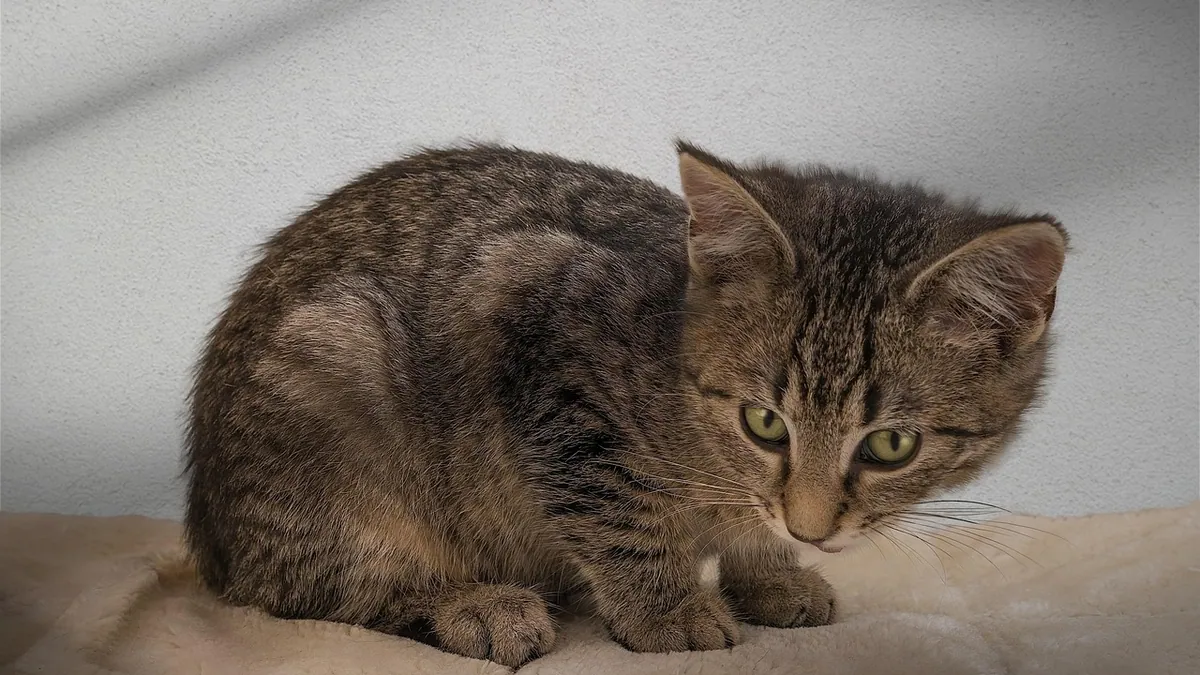
Can cats have eczema? Not in the human sense. Eczema is a human diagnosis, and veterinarians do not use that label for cats. What you are seeing is almost certainly one of several feline skin conditions that cause itching, crusting, and hair loss, and each one has its own treatment. This article is educational and is not a substitute for veterinary diagnosis or treatment.
Quick Answer
- Cats do not get human eczema, but they get itchy, crusty skin diseases that look similar to owners.
- The most common look-alike is feline atopic skin syndrome, an allergic skin disease triggered by things in the environment [1].
- Food allergies, flea allergies, mites, and skin infections can all produce the same itchy, scabby appearance [2].
- Never apply human eczema creams to a cat without veterinary approval. Some common ingredients are toxic to cats.
- A veterinarian needs to see your cat to identify the cause. Treatment depends entirely on the diagnosis.
What "Eczema" Means in Cats
Eczema is a word people use for inflamed, itchy, crusty skin. In human medicine it usually means atopic dermatitis, a chronic inflammatory skin condition driven by genetics and environment [3]. Cats can have skin inflammation that looks similar, but the underlying disease is different.
Veterinarians use the general term dermatitis for any skin inflammation until they reach a specific diagnosis [2]. Dermatitis can come from irritants, burns, allergens, trauma, or infection from bacteria, viruses, parasites, or fungi [2]. It can also result from internal or body-wide disorders [2].
So when you search "can cats have eczema," the honest answer is that cats get dermatitis, and the label eczema does not apply. The important part is finding out which type of dermatitis your cat has, because the treatment is different for each one.
Signs Owners Notice
The signs of skin inflammation in cats include itching, scaling, redness, thickened skin, darkening of the skin color, oily coat, bad odor, and hair loss [2]. Skin disease often starts with an underlying trigger that produces bumps, boils, scabs, scales, or blisters [2].
Cats with allergic skin disease often show specific patterns. Feline atopic skin syndrome causes itching that shows up as miliary dermatitis (small crusty bumps), eosinophilic granuloma complex (raised sores, often on the lips or thighs), self-induced hair loss, and itching focused on the head and neck [1].
You may notice your cat licking, chewing, or scratching one area constantly. Overgrooming can strip the fur and leave bald patches with red or broken skin. Some cats develop scabs along the back or tail base. Others get crusty sores around the mouth or chin.
If the itching is severe, your cat may seem restless, wake at night, or stop grooming normally. Secondary infections are common once the skin barrier is broken, and they add their own odor, discharge, and discomfort.
For a broader look at what drives scratching, see Why Is My Cat So Itchy?.
Causes and Risk Factors
Environmental allergies
Feline atopic skin syndrome is an allergic skin disease triggered by allergens in the environment [1]. Affected cats have abnormal sensitivity to allergens they inhale or contact [4]. The itching and scratching produce sores, hair loss, scaling, crusts, and inflammation [4].
This condition often starts before a cat turns 5 years old [4]. It can be seasonal or year-round [4]. Purebred cats are more likely to be affected than domestic shorthairs [4]. About 15% of affected cats also develop nasal inflammation or asthma [4].
Food allergies
Food allergies can cause itching that looks identical to environmental allergies. This is one reason veterinarians often use a diet trial as part of the diagnostic process. There is no simple blood test that reliably separates food allergy from environmental allergy in cats.
Fleas and parasites
Flea allergy is one of the most common causes of intense itching in cats. Mites such as Notoedres and Demodex also cause crusty, itchy skin. These parasites are diagnosed with skin scrapings or other tests [2].
Infections
Bacterial and fungal infections can cause dermatitis on their own or complicate an existing allergy [2]. Ringworm, a fungal infection, is common in cats and produces circular crusty patches. A skin infection often needs its own treatment even after the underlying allergy is controlled. See Cat Skin Infection: Signs and Treatment Options.
Other triggers
Contact irritants, burns, trauma, and internal disease can all inflame the skin [2]. Some cats react to grooming products, carpet cleaners, or laundry additives. Stress and changes in routine can worsen itching in sensitive cats.
| What you see | Possible cause | How it is confirmed |
|---|---|---|
| Small crusty bumps along the back | Miliary dermatitis from allergies | Physical exam, allergy workup [1] |
| Bald patches from overgrooming | Self-induced alopecia | Exam, ruling out other causes [1] |
| Crusty sores on lips or thighs | Eosinophilic granuloma complex | Exam, sometimes biopsy [1] |
| Circular scaly patches | Fungal infection | Skin culture or other testing [2] |
| Intense itching at the tail base | Flea allergy | Flea comb, skin exam [2] |
| Red, swollen, itchy skin | Atopic dermatitis | History, exam, allergy testing [4] |
How Veterinarians Diagnose Itchy Cat Skin
Diagnosis starts with a full history. Your veterinarian will ask when the itching started, which body areas are affected, whether it changes with the season, what your cat eats, and whether other pets or people in the home are itchy.
The physical exam looks for the specific reaction patterns linked to feline atopic skin syndrome, including miliary dermatitis, eosinophilic granuloma complex, self-induced hair loss, and head and neck itching [1].
Your veterinarian will then work to rule out other causes of itching. This usually includes skin scrapings for mites, a flea check, fungal testing, and sometimes a diet trial to rule out food allergy. Diagnosis of feline atopic skin syndrome is based on history, clinical signs, ruling out other causes of itching, and meeting published diagnostic criteria [1].
Allergy testing, either by blood test or intradermal skin test, may be recommended once other causes are excluded. These tests help identify which environmental allergens matter for your cat and guide treatment.
Treatment Options
Treatment depends on the diagnosis. There is no single remedy for itchy cat skin, and using the wrong product can make things worse.
Managing infections first
If your cat has a bacterial or fungal infection, that gets treated first [1]. Skin cannot heal while an infection is active. Your veterinarian will choose an appropriate antibiotic or antifungal and set the dose based on your cat's weight and health.
Relieving the itch
Veterinarians use medications to relieve itching in cats with atopic skin syndrome [1]. Some of these are given by mouth and some by injection. The choice depends on your cat's age, other health conditions, and how severe the itching is. Your veterinarian calculates the dose for your cat.
Never give your cat an over-the-counter human antihistamine or steroid without asking your veterinarian first. Doses and safety differ greatly between species.
Allergen-specific immunotherapy
Allergen-specific immunotherapy is a treatment option for feline atopic skin syndrome [1]. This involves giving your cat small, increasing amounts of the allergens it reacts to, usually by injection or under the tongue, to build tolerance over time. It takes months to work and requires commitment, but it can reduce the need for other medications.
Diet changes
If a food allergy is diagnosed, your cat needs a strict hypoallergenic or novel-protein diet. Everyone in the household must follow it, including anyone who sneaks treats. A diet trial usually takes several weeks, and your veterinarian will guide the timing.
What you can give your cat for eczema at home
This is the question owners ask most. The safe answer is: only what your veterinarian prescribes. Do not reach for your own medicine cabinet.
Many human eczema creams contain ingredients that are toxic to cats. Topical products with corticosteroids, zinc oxide, or local anesthetics can cause serious harm if your cat licks them off. Cats groom themselves constantly, so anything you put on their skin ends up in their mouth.
If your cat has a mild flare, keep the area clean and dry, prevent licking with an Elizabethan collar if needed, and call your veterinarian. Do not apply petroleum jelly, diaper cream, antibiotic ointment, or human moisturizers unless your veterinarian specifically approves the product.
For more on identifying the cause of scratching, see Cat Itchy Skin: Causes and When to See the Vet.
Recovery, Outlook, and Long-Term Management
Most itchy skin conditions in cats can be managed, but many cannot be cured. Allergic skin disease tends to be lifelong. The goal is to control itching, prevent flare-ups, and keep your cat comfortable.
With good management, many cats improve within weeks. Secondary infections clear with treatment. Allergies require ongoing care, which may include regular medication, immunotherapy, and periodic checkups.
Some cats need medication long term. Your veterinarian will monitor for side effects and adjust as needed. Never stop or change a prescription without talking to your veterinarian first.
Hair loss from overgrooming often improves once the itching is controlled, but regrowth can take weeks to months. If the hair follicles are damaged, some patches may stay bald. See Cat Hair Loss with Itching: Causes and Treatment for more detail.
Keep a log of flare-ups. Note the season, any diet changes, new products in the home, and stress events. This helps your veterinarian fine-tune treatment over time.
Prevention
You cannot prevent every skin problem, but you can lower the risk.
- Control fleas year-round with a product your veterinarian recommends.
- Feed a complete, balanced diet and introduce new foods slowly.
- Keep your cat indoors to reduce exposure to parasites and irritants.
- Use fragrance-free, pet-safe cleaning products.
- Brush your cat regularly to remove loose hair and check for skin changes early.
- Schedule routine veterinary visits so small problems get caught before they spread.
If your cat has a known allergy, follow your veterinarian's plan closely. Prevention for allergic cats means avoiding known triggers and staying consistent with treatment.
Limitations and When to Contact a Veterinarian
This article gives general information. Your cat's individual case needs a veterinarian who can examine the skin, run tests, and prescribe treatment.
Contact your veterinarian the same day if you notice:
- Rapidly spreading redness, swelling, or warmth
- Pus, discharge, or a foul smell from the skin
- Open sores that are not healing
- Your cat stops eating or drinking
- Your cat seems painful when touched
Go to an emergency clinic immediately if:
- Your cat has trouble breathing, facial swelling, or hives after a possible allergic reaction
- Your cat is weak, collapsed, or unresponsive
- Your cat has a seizure
- You suspect your cat ate a toxic substance, including a human skin cream
For poison emergencies, call the ASPCA Animal Poison Control Center at (888) 426-4435 or the Pet Poison Helpline at (855) 764-7661. These may charge a consultation fee.
Call for a routine visit if:
- Itching has lasted more than a few days
- You see new bald patches, scabs, or bumps
- Your cat is licking or chewing more than usual
- Previous treatment stopped working
Frequently Asked Questions
Can cats have eczema?
Cats do not get human eczema, but they get skin conditions that look similar. The correct term is dermatitis, and it covers many different diseases. Your veterinarian will work to find the specific cause.
What can I give my cat for eczema?
Only give your cat medication prescribed by your veterinarian. Human eczema creams and over-the-counter remedies can be toxic to cats. Your veterinarian will choose a safe treatment based on the diagnosis and your cat's weight and health.
Is cat eczema contagious to humans?
The skin conditions that look like eczema in cats are not contagious to people. However, some causes, such as ringworm, can spread to humans. Your veterinarian can tell you if your cat's condition poses any risk to your household.
Can I use hydrocortisone cream on my cat?
No. Do not use hydrocortisone or any human steroid cream on your cat without veterinary approval. Cats lick their skin, and these products can be absorbed and cause harm. Ask your veterinarian for a cat-safe option.
How long does itchy skin take to heal in cats?
It depends on the cause. Infections often improve within a week or two of starting treatment. Allergies are usually lifelong and need ongoing management. Your veterinarian will give you a realistic timeline for your cat's specific condition.
Related Articles
- Cat Itchy Skin: Causes and When to See the Vet
- Why Is My Cat So Itchy?
- Cat Skin Infection: Signs and Treatment Options
- Cat Hair Loss with Itching: Causes and Treatment
- Can Cats Get Psoriasis
- Cat Allergy Treatment
- Atopic Dermatitis in Cats: Symptoms and Treatment
- Itchy Skin in Cats: Causes and Safe Relief at Home
- Hives and Skin Allergies in Cats: Treatment Options
References
- Feline Atopic Skin Syndrome - Integumentary System. Merck Veterinary Manual.
- Dermatitis and Dermatologic Problems in Cats - Cat Owners. Merck Veterinary Manual.
- Lifestyle Factors in the Clinical Manifestation and Management of Atopic Dermatitis. Archives of internal medicine research, 2025.
- Allergies of Cats - Cat Owners. Merck Veterinary Manual.