Atopic Dermatitis in Cats: Symptoms and Treatment
By Dr. Zubair Khalid, DVM, MS, PhD ·
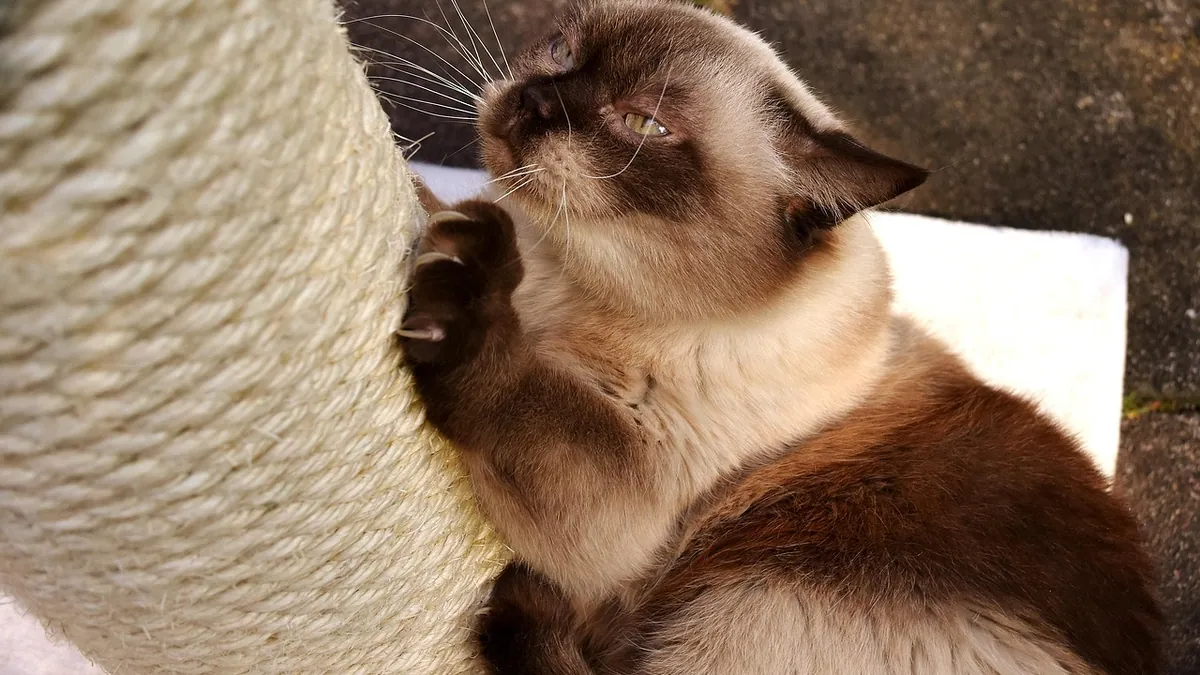
Atopic dermatitis in cats is an allergic skin disease triggered by things in the environment, such as pollen, dust mites, and mold spores. Cats with this condition itch intensely and often develop scabs, hair loss, or raw patches, especially around the head and neck. Atopic dermatitis in cats treatment focuses on controlling the itch, healing the skin, and avoiding the allergens when you can.
This article is educational and is not a substitute for veterinary diagnosis or treatment.
Quick Answer
- Atopic dermatitis in cats is caused by environmental allergens, not fleas or food, though those can cause similar itching [1].
- The most common sign is intense scratching, often on the head, neck, and face, along with scabs or hair loss [1].
- Diagnosis is based on history, physical exam, ruling out fleas and food allergies, and published criteria [1].
- Treatment usually combines medications to stop the itch, management of skin infections, and sometimes allergy shots [1].
- Flea allergy is the most common cause of itchy skin in cats, so flea control is always part of the workup. See How To Treat Flea Allergy Dermatitis In Cats for more on that.
What Is Atopic Dermatitis in Cats?
Feline atopic skin syndrome (FASS) is the current name for what used to be called non-flea, non-food hypersensitivity dermatitis [1]. It is an inflammatory skin condition caused by an allergic reaction to environmental allergens [1]. When your cat breathes in or absorbs these allergens through the skin, their immune system releases histamine and other chemicals that cause inflammation and itching [2].
This is different from flea allergy dermatitis, which is a reaction to flea saliva, and from food allergy, which is a reaction to ingredients in the diet. Some cats can have more than one allergy at the same time. Atopic dermatitis is a lifelong condition for most cats, but it can be managed well with the right plan.
Symptoms of Atopic Dermatitis in Cats
The hallmark sign is pruritus, which is the medical word for itching [1]. Cats show itching in different ways than dogs do. You might notice your cat scratching, chewing, licking, or overgrooming to the point of bald spots. The reaction patterns veterinarians look for include miliary dermatitis (small crusty bumps), eosinophilic granuloma complex (raised sores, often on the lips or in the mouth), self-induced hair loss, and itching focused on the head and neck [1].
Symptoms can be seasonal or year-round, depending on what your cat is allergic to. Some cats itch more in spring and fall when pollen counts are high. Others itch all year because indoor allergens like dust mites are always present.
Signs Owners Often Notice
- Constant scratching around the ears, face, and neck
- Small scabs or crusts scattered over the back
- Bald patches from overgrooming, often on the belly or flanks
- Red, raw, or oozing skin
- Shaking the head or scratching at the ears
- Thickened, darkened skin in chronic areas
- Irritability or hiding because of discomfort
Atopic Dermatitis in Kittens
Atopic dermatitis in kittens is less common than in adult cats, but it can happen. Young cats may start showing signs as early as a few months old. Because kittens scratch for many reasons, including fleas, ringworm, and ear mites, your veterinarian will want to rule out those causes first. If your kitten has been treated for parasites and still itches, allergy testing may be the next step.
Causes and Risk Factors
Atopic dermatitis happens when a cat's immune system overreacts to harmless substances in the environment [2]. Common triggers include tree and grass pollens, weed pollens, mold spores, dust mites, and dander from other animals. Some cats react to things they contact directly, like certain fabrics or carpet fibers.
Genetics play a role. Cats with a family history of allergies may be more likely to develop the condition. There is also evidence that early-life factors and environment influence allergic disease. One study in children found that cat exposure was among the determinants of atopic dermatitis severity, though this research was in children, not cats [3]. In cats, the exact inheritance pattern is not well established in veterinary research.
Flea allergy is the most common skin allergy in cats, so any itchy cat needs thorough flea control before atopic dermatitis is diagnosed. If fleas are the problem, you would see signs like itching at the tail base and lower back. Learn more in Cat Flea Allergy Dermatitis: Symptoms and Relief.
How Atopic Dermatitis in Cats Is Diagnosed
There is no single blood test or skin test that confirms atopic dermatitis on its own. Diagnosis is based on your cat's history, clinical signs, ruling out other causes of itching, and whether your cat meets published diagnostic criteria [1]. Your veterinarian will ask about when the itching started, whether it is seasonal, what your cat eats, and what flea prevention you use.
The workup usually includes:
- A thorough skin exam to look for fleas, flea dirt, and other parasites
- Skin scrapings to check for mites
- A fungal culture or Wood's lamp exam if ringworm is suspected
- A food elimination trial to rule out food allergy
- Strict flea control for at least 8 to 12 weeks
- Allergy testing (blood or intradermal skin testing) if environmental allergy is suspected
Your veterinarian may also check for secondary skin infections, which are common in itchy cats and can make itching worse. If you notice pus, odor, or worsening redness, that may be a sign of infection. See Cat Skin Infection: Signs and Treatment Options for what to watch for.
| Feature | Atopic Dermatitis | Flea Allergy Dermatitis |
|---|---|---|
| Main trigger | Environmental allergens (pollen, dust, mold) [1] | Flea saliva |
| Itch location | Head, neck, face, sometimes whole body [1] | Tail base, lower back, hind legs |
| Seasonality | Often seasonal, can be year-round | Worse when fleas are active |
| Response to flea control | No improvement | Improves with strict flea control |
| Diagnosis | History, signs, ruling out other causes [1] | Response to flea treatment, finding fleas or flea dirt |
Treatment Options for Atopic Dermatitis in Cats
Atopic dermatitis in cats treatment has two main goals: relieve the itch and treat any skin infections. Your veterinarian will tailor the plan to your cat's age, overall health, and how severe the itching is.
Managing Secondary Infections
Many itchy cats develop bacterial or yeast infections on the skin. These need to be treated with appropriate medications, often topical or oral antibiotics or antifungals. Treating the infection alone will not stop the allergy, but it will make your cat more comfortable and help other treatments work better [1].
Medications to Relieve Itching
Several prescription options can control allergic itch in cats. Corticosteroids like prednisolone are commonly used for short-term relief. Cyclosporine is another option that modifies the immune response. A retrospective study of 14 cats with allergic pruritus found that oclacitinib, given long-term, controlled itching, and in 7 cats the maintenance dose could be reduced by at least 50 percent, usually after 15 days of treatment [4]. The median duration of treatment in that study was 15.5 months [4]. Your veterinarian will calculate the exact dose based on your cat's weight and health, and will monitor blood work during treatment.
Some cats with severe atopic dermatitis in cats may need a combination of medications to get the itch under control. Never give your cat human allergy medications without asking your veterinarian first, because some are toxic to cats.
Allergen-Specific Immunotherapy
Allergen-specific immunotherapy (often called allergy shots or allergy drops) is a long-term treatment that gradually teaches the immune system to tolerate the allergens your cat reacts to [1]. It is the only treatment that can change the underlying disease. It takes months to work, and not every cat responds, but many cats need less medication over time.
Topical Treatments and Skin Care
Medicated shampoos, mousses, and sprays can help soothe the skin and reduce seborrhea, which is a greasy or flaky skin condition that some atopic cats develop. A pilot study of an adsorbent mousse containing adelmidrol in cats with FASS and seborrhea found that it decreased seborrhea scores over 2 weeks [5]. Topical products are not a cure, but they can be a helpful part of a complete plan.
At-Home Management
You can do a lot at home to support your cat:
- Keep flea prevention consistent year-round.
- Vacuum and dust often to reduce indoor allergens.
- Use air purifiers with HEPA filters.
- Wash your cat's bedding weekly in hot water.
- Keep windows closed during high pollen season.
- Wipe your cat's coat with a damp cloth after outdoor exposure.
- Follow your veterinarian's instructions exactly for all medications.
If you want to compare allergy treatment approaches more broadly, Cat Allergy Treatment covers other options.
Recovery, Outlook, and Long-Term Management
Atopic dermatitis is usually a lifelong condition, but most cats can live comfortably with ongoing management. The goal is not to cure the allergy but to keep itching at a level that does not interfere with your cat's quality of life. Some cats have seasonal flares and need treatment only part of the year. Others need daily medication or immunotherapy.
Regular checkups are important, especially if your cat takes medication long-term. Blood work may be recommended to monitor for side effects. In the oclacitinib study, alterations in blood tests were mild and often transient, including changes in cholesterol, liver enzymes, and blood sugar [4]. Your veterinarian will decide how often to recheck your cat based on their individual health.
Flare-ups can happen even with good management. Common triggers include changes in season, moving to a new home, or a lapse in flea control. Work with your veterinarian to adjust the plan when flares occur.
Prevention
You cannot prevent atopic dermatitis in a cat that is genetically predisposed, but you can reduce the frequency and severity of flares. Start flea prevention early and keep it consistent. If your cat has been diagnosed with environmental allergies, try to limit exposure to known triggers. For example, if your cat is allergic to dust mites, wash bedding often and choose smooth, washable fabrics over thick carpets.
There is some evidence that early-life factors influence allergic disease severity in children, including breastfeeding and climate, but this has not been established for cats [3]. In cats, the best prevention is early recognition and consistent management. If you notice your cat itching more than usual, do not wait. Early treatment can prevent skin infections and reduce the need for stronger medications later.
Limitations and When to Contact a Veterinarian
Atopic dermatitis can look like many other skin conditions, and no article can replace an exam by a veterinarian. Your cat's treatment plan needs to be based on their specific diagnosis, health history, and response to therapy.
Contact your veterinarian the same day if you notice:
- Sudden severe itching that keeps your cat from eating or sleeping
- Open sores, bleeding, or signs of pain
- Swelling around the face, lips, or eyes
- Difficulty breathing or noisy breathing
- Vomiting, diarrhea, or lethargy along with skin signs
Go to an emergency clinic immediately if your cat has trouble breathing, collapses, or has a swollen face or throat. These can be signs of a severe allergic reaction.
Call your veterinarian for a routine visit if:
- Your cat has been itching for more than a few days
- You see scabs, hair loss, or redness that is getting worse
- Over-the-counter flea treatment is not helping
- Your cat has been on allergy medication and the itching is returning
- You notice new bumps, crusts, or a bad smell from the skin
Frequently Asked Questions
Is atopic dermatitis in cats contagious to other pets or people?
No, atopic dermatitis is not contagious. It is an allergic condition specific to your cat's immune system. Other pets in the home may have their own allergies, but they cannot catch this one from your cat.
Can I treat my cat's atopic dermatitis at home without a prescription?
You can support your cat at home with flea control, dust reduction, and gentle skin care, but prescription medication is usually needed to control the itch. Do not give human antihistamines or steroids to your cat without veterinary guidance, because some are dangerous for cats.
How long does it take for atopic dermatitis treatment to work?
It depends on the treatment. Medications for itching often work within days to a couple of weeks. Allergen-specific immunotherapy can take several months to show full benefit. Your veterinarian will set expectations based on your cat's specific plan.
Will my cat need medication forever?
Many cats need long-term management, but the type and amount of medication can change over time. Some cats can taper to lower doses or seasonal treatment once their allergies are well controlled. Your veterinarian will adjust the plan as needed.
Can atopic dermatitis in cats be cured?
Atopic dermatitis cannot be cured, but it can be managed. Most cats live normal, comfortable lives with consistent treatment and good home care. The goal is to keep itching controlled and prevent skin infections.
Related Articles
- How To Treat Flea Allergy Dermatitis In Cats
- How To Treat Flea Dermatitis In Cats
- Cat Allergy Treatment
- Cat Flea Allergy Dermatitis: Symptoms and Relief
- Cat Skin Infection: Signs and Treatment Options
- Flea Allergy Dermatitis In Cats: Comprehensive Veterinary Reference Guide
- Hives and Skin Allergies in Cats: Treatment Options
- Cyclosporine for Cat Asthma and Atopic Dermatitis
- Can Cats Have Eczema? Itchy Skin and Treatment
- FDA-Approved Biologics for Atopic Dermatitis: A Practical Guide
References
- Feline Atopic Skin Syndrome - Integumentary System. Merck Veterinary Manual.
- Allergies of Cats - Cat Owners. Merck Veterinary Manual.
- Breastfeeding, Family Stress, and Climate as Key Determinants of Atopic Dermatitis Severity in Children: A Cross-Sectional Study. Clinical, cosmetic and investigational dermatology, 2026.
- Long-term oclacitinib administration for the control of feline allergic pruritus: A retrospective study of 14 client-owned cats. The Canadian veterinary journal = La revue veterinaire canadienne, 2025.
- An open-label pilot study on an adsorbent mousse containing adelmidrol in client-owned cats with feline atopic skin syndrome and associated seborrhoea. Veterinary dermatology, 2025.