Hair Loss Above Eyes in Cats: Causes and Solutions
By Dr. Zubair Khalid, DVM, MS, PhD ·
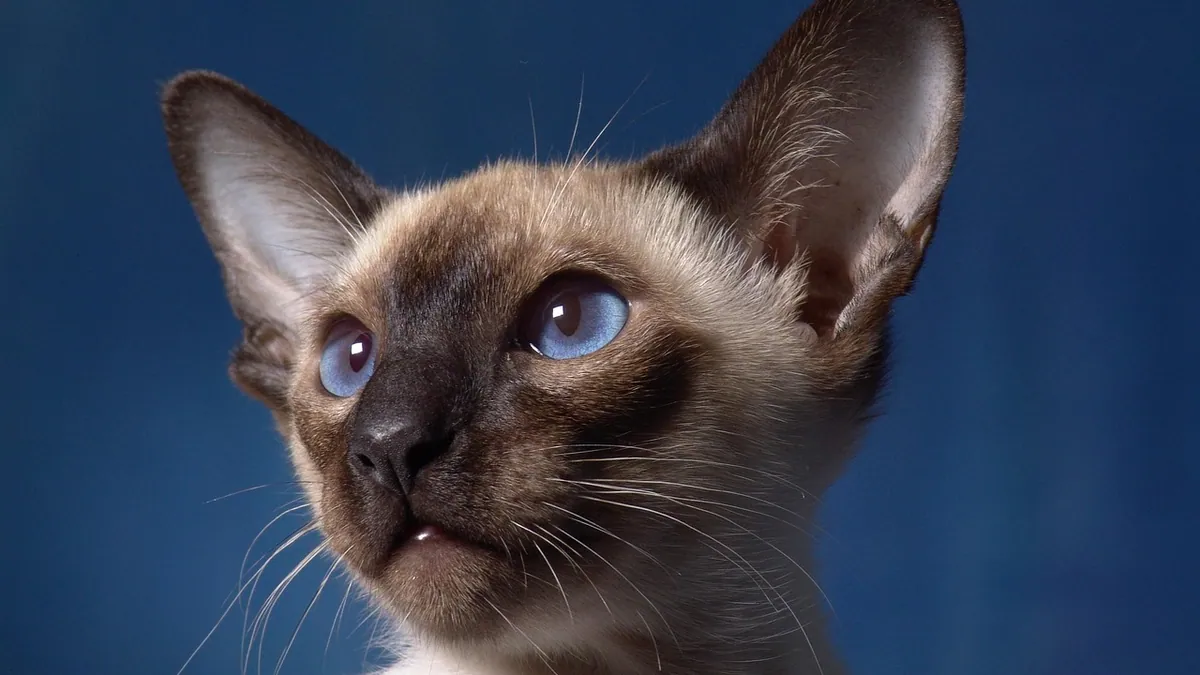
Hair loss in cats above eyes is common and often normal, since the skin there is naturally thin and sparsely haired. When the thinning is new, one-sided, itchy, or comes with redness or crusting, an underlying problem such as allergies, mites, or a skin infection is more likely. This article is educational and is not a substitute for veterinary diagnosis or treatment.
Quick Answer
- Mild, symmetrical thinning above both eyes with no redness, itching, or crusting is usually a normal pattern and does not need treatment.
- Sudden or patchy loss, especially with scratching, head shaking, or scabs, points to a medical cause that a veterinarian should evaluate.
- Allergies, parasites (including mites), fungal infections, and self-trauma from scratching are among the most common reasons for hair loss in this area.
- Do not apply human hair products, steroid creams, or essential oils to your cat's face, since cats groom their faces and can swallow these products.
- A veterinary visit is routine for mild cases and urgent if you see swelling, open sores, or your cat seems painful or unwell.
What Hair Loss Above the Eyes Looks Like and What Is Normal
Some cats simply have less hair above the eyes. The skin over the brow ridge is thin, and the hair follicles there are smaller and less dense than on the back or flanks. In many cats, this creates a slight "receding hairline" look above both eyes that is symmetrical and unchanged over time. The skin underneath looks normal, with no redness, scaling, or crusting.
Alopecia is the medical term for partial or complete lack of hair in an area where hair normally grows [1]. It is a sign, not a diagnosis, and the underlying cause has to be identified before it can be treated [1]. Hair loss can be present from birth (congenital) or develop later (acquired). Congenital alopecia happens when hair follicles do not develop normally, and it may show up at birth or when a cat reaches young adulthood [1]. Acquired hair loss means the cat once had a normal coat and something has changed [1].
The key question is whether the pattern is stable and quiet or new and active. Stable, symmetrical thinning with healthy skin is usually cosmetic. New loss, asymmetry, broken hairs, or skin changes deserve a closer look.
Causes of Hair Loss in Cats Above Eyes
Inflammatory skin disorders are the most common cause of acquired alopecia in cats [1]. That covers a wide range of conditions, from allergies to infections to immune-mediated disease. Hair loss in cats can also be noninflammatory, such as when a hormonal disorder is involved [1].
| Cause | Typical clues | How urgent |
|---|---|---|
| Normal breed or individual pattern | Symmetrical thinning above both eyes, healthy skin, no itching, unchanged for months | Routine, often no treatment needed |
| Allergic skin disease (flea, food, or environmental) | Itching, scratching at the face and ears, redness, sometimes hair loss elsewhere | Routine visit, sooner if the cat is uncomfortable |
| Parasites such as mites | Intense itching, crusting, scaling, sometimes spread to ears or head | Routine to urgent, contagious to other pets |
| Fungal skin infection | Circular patches, broken hairs, scaling, sometimes spreading | Routine, but contagious to people and pets |
| Bacterial skin infection | Redness, pustules, crusts, odor, often follows scratching | Routine to urgent if spreading |
| Immune-mediated skin disease | Redness, hair loss, scaling or crusting, with or without itching | Urgent, these can be severe [2] |
| Self-trauma from itching or pain | Hair loss matches where the cat scratches or rubs | Routine, but the itch itself needs treatment |
| Hormonal or endocrine disease | Symmetrical, non-itchy hair loss, often on the body too | Routine |
| Post-traumatic alopecia | Hair loss appearing weeks to months after an injury | Routine |
Allergies are a frequent culprit. When a cat is itchy around the face, it scratches, rubs, and over-grooms, and the hair above the eyes thins or disappears. If you also see hair loss in other spots, our guide to why your cat is losing hair in patches walks through the common patterns.
Parasites are another major cause. Mites and other external parasites cause intense itching, and the face, ears, and head are common targets. If the ears look involved too, see cat hair loss on ears for more detail.
Immune-mediated skin diseases in cats are rare, but they can cause redness, hair loss, scaling, and crusting that mimic allergies and infections [2]. Because these conditions can be serious and sometimes affect the whole body, early diagnosis matters [2].
Hormonal disorders are a less common cause of noninflammatory alopecia. In one reported case, a young animal with low thyroid hormone levels had generalized hair loss that improved with thyroid treatment [3]. This was a wombat, not a cat, so it does not prove the same process happens in cats. It does show that endocrine disease belongs on the list of possible causes for noninflammatory hair loss, especially in young animals [3].
Trauma can also cause delayed hair loss. In one reported cat, hair loss over the lower back appeared about a month after a road accident, even though the skin looked normal right after the injury [4]. The mechanism is not fully understood, and this pattern was on the body instead of above the eyes, but it shows that hair loss does not always start right away after an injury [4].
Nutrition plays a supporting role in coat health. Trace minerals such as zinc, manganese, copper, and iron are important for skin and coat quality [5]. In a study of adult cats, those fed certain complexed trace minerals tended to shed slightly less hair and had better dander scores at one point in the study compared with cats fed standard mineral sources [5]. This does not mean a supplement will fix hair loss above the eyes, and you should not add minerals without veterinary guidance. It does mean that a complete, balanced diet supports a healthy coat.
Red Flags That Make It an Emergency
Most hair loss above the eyes is not an emergency. Call your veterinarian right away or seek emergency care if you notice any of the following:
- Swelling around the eyes, face, or muzzle, or any trouble breathing
- Open sores, bleeding, or deep wounds from scratching
- Severe pain when you touch the face, or your cat pulling away, hiding, or refusing to eat
- Eye discharge, squinting, cloudiness, or a change in the eye itself
- Rapidly spreading hair loss with fever, lethargy, or poor appetite
- Sudden, severe itching that starts within hours of a new food, medication, or product
These signs can point to a serious infection, an immune-mediated reaction, or another condition that needs prompt treatment [2].
Safe Things You Can Do at Home While You Wait
You cannot diagnose the cause at home, but you can keep your cat comfortable and avoid making things worse.
- Do not apply human creams, ointments, shampoos, or oils to the face. Cats groom their faces and will swallow whatever you put there.
- Do not use over-the-counter steroid creams or antihistamines unless your veterinarian tells you to. The dose and product have to be chosen for your cat's weight and health.
- Keep a simple log. Note when the hair loss started, whether it is one side or both, and whether your cat scratches, rubs, or shakes its head.
- Take clear photos every few days in the same lighting. This helps your veterinarian see whether the area is stable, improving, or spreading.
- Check the rest of the body for other bald spots, scabs, or redness. Look at the ears, tail, belly, and legs.
- Use flea prevention that your veterinarian recommends for your cat. Never use a dog product on a cat.
- Reduce scratching triggers. Wash bedding in hot water, vacuum often, and keep the litter box clean.
- Do not change your cat's diet on your own if you suspect a food allergy. A proper elimination diet is a structured process your veterinarian should guide.
If your cat is itchy and uncomfortable, that itch is the problem to solve first [1]. Treating the itch often stops the self-trauma and lets the hair grow back.
What Your Veterinarian Will Check and Test
Your veterinarian will start with a full history and a physical exam. Expect questions about when the hair loss started, whether it itches, what your cat eats, whether other pets or people in the home have skin problems, and whether anything changed recently (new food, new litter, new medication, travel, or a move).
The exam focuses on the pattern of hair loss and the condition of the skin. Your veterinarian will check whether the loss is symmetrical, whether hairs are broken or pulled out, and whether there is redness, scaling, crusting, or swelling. They will also look at the ears, eyes, mouth, paws, and the rest of the coat.
Common tests include:
- Skin scrapings to look for mites
- A fungal culture or a Wood's lamp exam if ringworm is suspected
- Skin cytology to check for bacteria or yeast
- A flea comb and a close look for flea dirt
- Blood work if a hormonal or systemic cause is suspected
- A diet trial if food allergy is on the list
- A skin biopsy in some cases, especially if an immune-mediated disease is possible [2]
Treatment depends entirely on the cause. Allergies may need flea control, diet changes, or medication for itching. Mites and fungal infections need specific antiparasitic or antifungal treatment. Bacterial infections need antibiotics. Immune-mediated diseases often need immune-suppressing medication, and your veterinarian will set the dose and monitor your cat closely [2].
Veterinary management of alopecia generally depends on finding and correcting the underlying disorder [6]. There is no single product that fixes hair loss in cats, and treatments approved for human hair loss are not used the same way in cats [6].
Prevention and Monitoring
You cannot prevent every cause of hair loss, but you can lower the odds and catch problems early.
- Keep your cat on year-round flea prevention that is safe for cats.
- Feed a complete, balanced diet that meets your cat's life stage needs. Trace minerals support skin and coat health, but more is not better [5].
- Schedule routine wellness visits so your veterinarian can spot skin changes before they worsen.
- Groom your cat gently and check the face, ears, and body weekly for new bald spots, redness, or scabs.
- Address itching early. Itching is the engine behind a lot of self-induced hair loss [1].
- If your cat has a diagnosed skin condition, follow the treatment plan and keep follow-up appointments. Many skin diseases improve slowly and need monitoring.
- If hair loss above the eyes is stable, symmetrical, and the skin looks healthy, watch it. Take a photo every month so you have a baseline.
If you notice hair loss spreading to the tail, see cat hair loss on tail. If the skin under the bald spots looks red or inflamed, our article on cat hair loss with red skin covers what those changes can mean.
Limitations and When to Contact a Veterinarian
This article cannot tell you what is causing your cat's hair loss. Only a veterinarian who examines your cat can do that, and individual cases need a veterinarian's assessment.
Contact your veterinarian the same day if you see:
- New, spreading hair loss above the eyes
- Redness, crusting, scabs, or a bad smell
- Your cat scratching the face hard enough to break the skin
- Hair loss on one side only, or a change in the shape of the face
- Any eye discharge, squinting, or swelling near the eye
Seek emergency care now if your cat has facial swelling, trouble breathing, open wounds, severe pain, or seems weak or unwell.
Schedule a routine visit if the hair loss is mild, not itchy, and your cat is otherwise acting normally. Bring your photos and your log. That information helps your veterinarian choose the right tests and avoid unnecessary ones.
Frequently Asked Questions
Is hair loss above the eyes in cats ever normal?
Yes, mild symmetrical thinning above both eyes can be a normal pattern in some cats. The skin there is thin and the hair is naturally sparse. If the skin looks healthy and the pattern has not changed, it is usually not a medical problem.
Could mites be causing my cat to lose fur above the eyes?
Mites are a common cause of itching and hair loss on the head and face. Your veterinarian can check for mites with a skin scraping. Treatment is specific to the mite involved, so do not use a product unless your veterinarian recommends it for your cat.
Will the hair grow back on its own?
It depends on the cause. If the trigger is removed, such as fleas or an allergen, hair often regrows over weeks to months. If there is scarring or the hair follicles are damaged, regrowth may be limited. Your veterinarian can give you a realistic timeline after the diagnosis.
Should I try a supplement for my cat's coat?
Talk to your veterinarian before giving any supplement. Trace minerals support skin and coat health, and one study found cats fed certain complexed minerals tended to shed slightly less hair at one point [5]. That does not mean a supplement will fix hair loss above the eyes, and too much of some minerals can be harmful.
How long should I wait before calling the vet?
Call your veterinarian if the hair loss is new, spreading, itchy, or comes with redness or crusting. If it is mild, symmetrical, and your cat is comfortable, you can monitor for a week or two and take photos. When in doubt, call. A quick exam is cheaper than treating a problem that has spread.
Related Articles
- Cat Hair Loss on Tail: Causes and Solutions
- Why Is My Cat Losing Hair in Patches? Causes and Solutions
- Cat Hair Loss on Ears: Causes and What to Do
- Cat Hair Loss with Red Skin: Causes and Treatment
- Why Is My Cat Losing Hair?
- Cat Hair Loss on Legs: Causes and Treatment Options
- Cat Losing Clumps of Fur: Causes of Patchy Hair Loss
- Cat Skin No Fur: Causes of Bald Patches in Cats
- Hair Loss in Cats: Home Treatment and Remedies
References
- Hair Loss (Alopecia) in Cats - Cat Owners. Merck Veterinary Manual.
- Feline immune-mediated skin disorders: Part 2. Journal of feline medicine and surgery, 2025.
- A Case of Suspected Congenital Hypothyroidism Causing Generalised Alopecia in a Wombat (Lasiorhinus latifrons). Veterinary dermatology, 2026.
- Delayed post-traumatic alopecia of the dorso-lumbar area following a road accident in a cat without pelvic fracture. The Journal of small animal practice, 2024.
- Effect of Supplemental Trace Mineral Source on Haircoat and Hair Loss in Adult Cats. Animals : an open access journal from MDPI, 2025.
- Alopecia management from a comparative perspective: pharmacological and pharmaceutical insights in humans, dogs, and cats. Frontiers in veterinary science, 2026.