Dog Lifespan Chart by Breed and Size Explained
By Dr. Zubair Khalid, DVM, MS, PhD ·
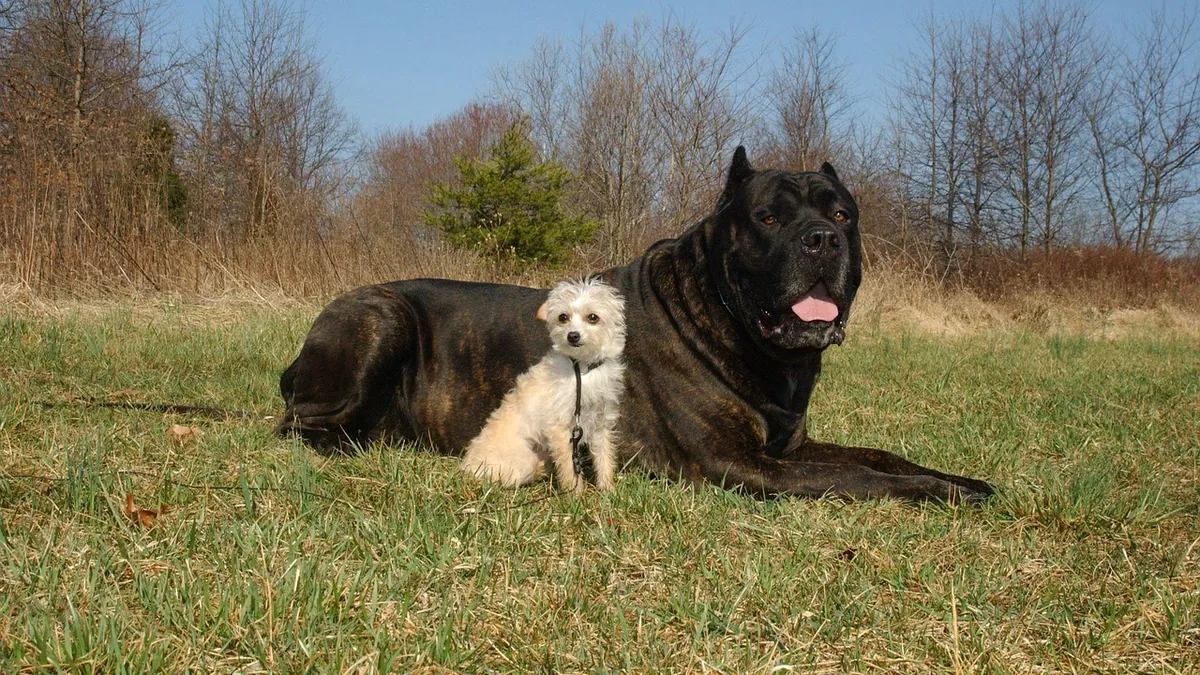
A dog lifespan chart by breed gives you a typical range for a specific breed or size group, usually somewhere between 8 and 14 years. The chart is a starting point, not a prediction for your individual dog. Size, skull shape, body condition, and neuter status all move that number up or down.
This article is educational and is not a substitute for veterinary diagnosis or treatment.
Quick Answer
- Smaller dogs generally live longer than large dogs, and this inverse relationship between body size and lifespan is well established across breeds [1].
- Skull shape matters as much as size. In one national dataset, the cephalic index (how flat or long a dog's face is) had a more substantial impact on life expectancy than body size did [2].
- Breed averages vary widely. In a study of over 584,000 UK dogs, lifespan estimates differed significantly by breed, body size, sex, and skull shape [3].
- Neutered dogs lived longer than intact dogs in one citywide life table study (13.98 years versus 11.46 years) [4].
- No calculator can tell you your dog's exact lifespan. Use charts to plan preventive care, not to set a deadline.
How to Read a Dog Lifespan Chart by Breed
Start With the Size Category
Most charts group dogs into small (under 20 pounds), medium (20 to 50 pounds), large (50 to 90 pounds), and giant (over 90 pounds). The general pattern is consistent: large and heavy dogs tend to live shorter lives than small ones [1]. A Great Dane and a Chihuahua are both dogs, but their expected lifespans sit at opposite ends of the chart.
Then Look at the Breed Row
Breed matters beyond size. In a Portuguese national registry study of 278,116 dogs with confirmed deaths, the mean lifespan at birth was about 8.91 years, but breed averages ranged from 10.89 years for Yorkshire Terriers down to 6.27 years for French Bulldogs [2]. That is a spread of more than four years between two breeds, and it shows why a chart organized by breed beats a chart organized by size alone.
Check the Skull Shape Column if Your Chart Has One
Brachycephalic breeds (flat-faced dogs like French Bulldogs, Pugs, and Boston Terriers) tend to have shorter lifespans, and the effect is strongest in large brachycephalic breeds [2]. Mesocephalic breeds (medium-faced dogs) and smaller dogs in that group tend to live longest [2]. If your chart does not separate by skull shape, mentally subtract a year or two for a flat-faced breed.
Read the Range, Not the Single Number
A good chart shows a range, like 10 to 14 years. That range reflects the middle of a population, not a guarantee. Some dogs in a breed live well past the top of the range, and some die young from accidents or breed-specific disease.
Dog Lifespan by Breed: A Comparison Table
The table below uses published averages and ranges from the studies cited. These are population estimates, not predictions for your dog.
| Breed or Group | Typical Lifespan | Source Note |
|---|---|---|
| Yorkshire Terrier | About 10.9 years | Highest among common breeds in one national registry [2] |
| French Bulldog | About 6.3 years | Lowest among common breeds in the same registry [2] |
| Pekingese | About 16.4 years | Highest breed estimate in a city life table study [4] |
| Pit Bull | About 10.1 years | Lowest breed estimate in the same city study [4] |
| Small mesocephalic breeds | Longer end of the range | Skull shape and size both favorable [2] |
| Large brachycephalic breeds | Shorter end of the range | Size and skull shape both unfavorable [2] |
| Ancient breeds (same size as modern breeds) | Longer than modern breeds | Ancient breeds had significantly longer lifespans after controlling for size [5] |
If you are considering a specific breed, read more about matching a breed to your lifestyle, health history, and home in our guide to choosing a dog breed.
Why Dog Lifespan Calculators Are Only Estimates
They Use Population Averages
A dog lifespan calculator takes your dog's breed, weight, and sometimes age, then compares it to a database of other dogs. That database is built from groups, not individuals. The result is a statistical middle, and your dog is not a statistic.
They Cannot See Your Dog's Genes
Genome-wide studies have identified specific genes associated with longevity in dogs, including candidate genes in Cavalier King Charles Spaniels that lived past 13 years [6]. A calculator cannot read your dog's DNA. Two littermates with identical breed and size can have different genetic cards.
They Cannot See Your Dog's Body Condition
Body condition score, dental health, and weight management all affect how long a dog lives in practice. A calculator that only asks for breed and weight misses these.
They Cannot See Your Dog's Preventive Care
Vaccination status, parasite prevention, and how often you see a veterinarian all influence outcomes. A calculator has no way to factor in whether your dog gets an annual exam or has never seen a vet since puppyhood.
They Cannot Predict Accidents
Trauma, poisoning, and other sudden events are a real part of canine mortality. No lifespan model can predict a car accident or a swallowed toy.
What Actually Shifts a Dog's Life Expectancy
Size and Weight
The inverse relationship between body size and lifespan is one of the most consistent findings in canine longevity research [1]. If you have a large or giant breed, plan for a shorter expected window and be more proactive about screening.
Skull Shape
The cephalic index had a more substantial impact on life expectancy than body size in one large registry study [2]. Flat-faced dogs face breathing challenges that affect quality of life and lifespan. If you own a brachycephalic breed, talk to your vet about airway screening.
Neuter Status
In a life table study from Buenos Aires, neutered dogs had a life expectancy at birth of 13.98 years compared to 11.46 years for intact dogs, a statistically significant difference [4]. This does not mean neutering causes longer life in every individual dog, but the population-level association is strong.
Evolutionary History
Ancient breeds had significantly longer lifespans and smaller litters than modern breeds of the same size, even after controlling for ancestry [5]. Researchers have suggested this may relate to how long a breed has had to evolve cancer suppression mechanisms [5]. This is a breed-level factor you cannot change, but it helps explain why two same-sized dogs can have different expected lifespans.
Cause of Death Patterns
Different breeds die from different things. A study of 72 breeds found that mortality from musculoskeletal and neoplastic (cancer) processes showed the strongest genetic influence, while gastrointestinal causes were less genetically driven [7]. Knowing what your breed is prone to helps you and your vet screen for it.
Daily Care
Nutrition, weight control, dental care, exercise, and regular veterinary visits are the levers you actually control. None of them guarantee a specific number of years, but they improve the odds of a longer, healthier life.
A Practical Step-by-Step Plan for Using a Lifespan Chart
- Find your dog's breed row or size category on a reputable chart.
- Note the range, not the single number.
- Adjust down if your dog is brachycephalic, large, or both [2].
- Adjust up if your dog is small, mesocephalic, and neutered [2][4].
- Write down the midpoint and the top of the range. Use the midpoint to plan middle-age screening and the top to plan senior care.
- Ask your vet to build a screening schedule based on your dog's breed risks, not just the chart.
- Revisit the chart every year. A dog's risk profile changes with age and weight.
For a broader look at how long dogs live in general, see How Long Do Dogs Live.
Senior Dog Health Checklist
Use this checklist once your dog passes the midpoint of its breed's lifespan range.
- [ ] Annual wellness exam, twice yearly after age 8 for large breeds
- [ ] Bloodwork including a complete blood count and chemistry panel
- [ ] Dental exam and cleaning as recommended by your vet
- [ ] Weight and body condition score at every visit
- [ ] Heart and lung auscultation at every visit
- [ ] Screening for breed-specific conditions (hip and elbow evaluation for large breeds, airway evaluation for brachycephalic breeds, cardiac screening for Cavalier King Charles Spaniels)
- [ ] Pain assessment, since arthritis is common and often hidden
- [ ] Nutrition review, since senior dogs have different protein and calorie needs
- [ ] Home safety check for slippery floors, stairs, and low furniture
If your dog is a Bernese Mountain Dog or another large breed with a shorter expected lifespan, our Bernese Mountain Dog care guide covers breed-specific health planning.
Signs Something Is Wrong
Lifespan charts tell you what is typical. Your dog's behavior tells you what is happening now. Contact your vet if you see any of these.
- Sudden weight loss or gain without a diet change
- Persistent vomiting or diarrhea lasting more than 24 hours
- Difficulty breathing, especially in a flat-faced breed
- Collapse, fainting, or sudden weakness
- Limping that does not improve with rest
- Increased drinking and urination
- A new lump or a changing lump
- Bad breath with drooling or dropping food
- Confusion, pacing, or staring at walls
- Reluctance to climb stairs or jump into the car
For hydration concerns, our dog dehydration chart can help you assess skin tenting and gum moisture at home.
Common Mistakes Owners Make With Lifespan Charts
Treating the Number as a Deadline
A chart says 12 years. That does not mean your dog will die at 12. It means half the dogs in that group lived longer and half lived shorter. Do not stop preventive care because your dog passed the chart number.
Ignoring Skull Shape
Many owners focus only on weight. Skull shape had a bigger effect on life expectancy than size in one large study [2]. If your dog is brachycephalic, that is the more important column.
Skipping Senior Screening Because the Dog Looks Fine
Dogs hide illness well. Kidney disease, heart disease, and cancer can be advanced before you see symptoms. Bloodwork catches problems earlier.
Assuming Mixed Breeds Are Automatically Healthier
One study found no difference in life expectancy at birth between purebred and crossbred dogs [4]. Mixed breeds can still inherit breed-specific risks from both parent lines.
Forgetting That Neutering Status Matters
The Buenos Aires data showed a meaningful gap between neutered and intact dogs [4]. Discuss timing and risks with your vet instead of assuming either choice is neutral.
Using a Human "Dog Years" Calculator Instead of a Breed Chart
The old seven-to-one rule is not accurate. Dogs age faster in the first two years and then slow down, and the curve differs by size. A breed and size chart is a better tool.
Supplies and Setup That Support a Longer Life
You do not need expensive equipment to support longevity. You need consistency.
- A scale for weekly or monthly weigh-ins at home, especially for small breeds where a pound matters
- A measuring cup or kitchen scale for accurate portioning
- A toothbrush and dog-safe toothpaste for daily dental care
- A harness that fits well for large breeds with joint concerns
- Non-slip rugs or mats for senior dogs on hard floors
- A ramp or steps for dogs that should not jump
- A file or app to track vet visits, weights, and medications
- A pet first aid kit with gauze, tape, and a digital thermometer
- A copy of your dog's vaccination and medical records in one place
If you are still deciding on a breed, our guide to how long dogs live for walks through the size and breed factors in more detail.
Limitations and When to Contact a Veterinarian
Lifespan charts are population tools. They cannot tell you what will happen to your individual dog. Only your veterinarian can assess your dog's health, weight, and risk factors in person.
Contact a veterinarian the same day if your dog has repeated vomiting, diarrhea with blood, refuses food for more than 24 hours, has a swollen abdomen, or shows sudden behavioral change.
Go to an emergency clinic immediately if your dog has trouble breathing, collapses, has a seizure lasting more than a few minutes, has pale or white gums, or has eaten something toxic.
Schedule a routine visit if your dog is approaching the midpoint of its breed lifespan range, has not had bloodwork in a year, or has new lumps, limping, or weight changes.
Frequently Asked Questions
Does a dog lifespan chart by breed predict my dog's exact lifespan?
No. It gives you a typical range for that breed or size group based on population data. Your dog's genetics, body condition, preventive care, and luck all shift the outcome.
Do small dogs always live longer than large dogs?
The pattern is strong but not absolute. Large and heavy dogs tend to live shorter lives than small ones across breeds [1]. Individual dogs can beat the trend, and skull shape can override size in some breeds [2].
Why do flat-faced dogs have shorter lifespans?
Brachycephalic breeds tend to have shorter life expectancies, and the effect is strongest in large flat-faced breeds [2]. Breathing difficulty, heat intolerance, and airway disease are common contributors.
Does neutering really change how long a dog lives?
In one citywide life table study, neutered dogs had a significantly higher life expectancy at birth than intact dogs [4]. This is a population association, so discuss the timing and risks for your individual dog with your vet.
Can I do anything to extend my dog's life?
Yes. Keep your dog at a healthy weight, brush its teeth, stay current on preventive care, and see your vet for regular exams and bloodwork. These steps improve healthspan even when they cannot change your dog's breed average.
Related Articles
- Bernese Mountain Dog Care, Health, Temperament, Size and Lifespan
- How Long Do Dogs Live
- How Long Do Dogs Live For
- Dog Breeds: How to Choose a Dog by Lifestyle, Health, and History
- Dog Dehydration Chart
- How to Tell If Your Dog Is Overweight: Body Condition Score Explained
- Dog Lifespan and Size: What to Expect
- Dog Aging Chart: How Old Is Your Dog in Human Years?
- When Do Dogs Die? Lifespan and End-of-Life Signs
References
- Genome-wide statistical evidence elucidates candidate factors of life expectancy in dogs. Molecules and cells, 2025.
- Investigating the Life Expectancy at Birth of Companion Dogs in Portugal Using Official National Registry Data. Animals : an open access journal from MDPI, 2024.
- Longevity of companion dog breeds: those at risk from early death. Scientific reports, 2024.
- Life expectancy for dogs from the City of Buenos Aires. Research in veterinary science, 2024.
- A Test of the Adaptive Lag Hypothesis of the Evolution of Cancer Suppression and Lifespan in Dog Breeds. Genes, 2026.
- Identification of genes associated with longevity in dogs: 9 candidate genes described in Cavalier King Charles Spaniel. Veterinary and animal science, 2025.
- Evolutionary history and life-history traits influence cause-specific mortality in domestic dogs. Journal of evolutionary biology, 2026.