Dog Lifespan and Size: What to Expect
By Dr. Zubair Khalid, DVM, MS, PhD ·
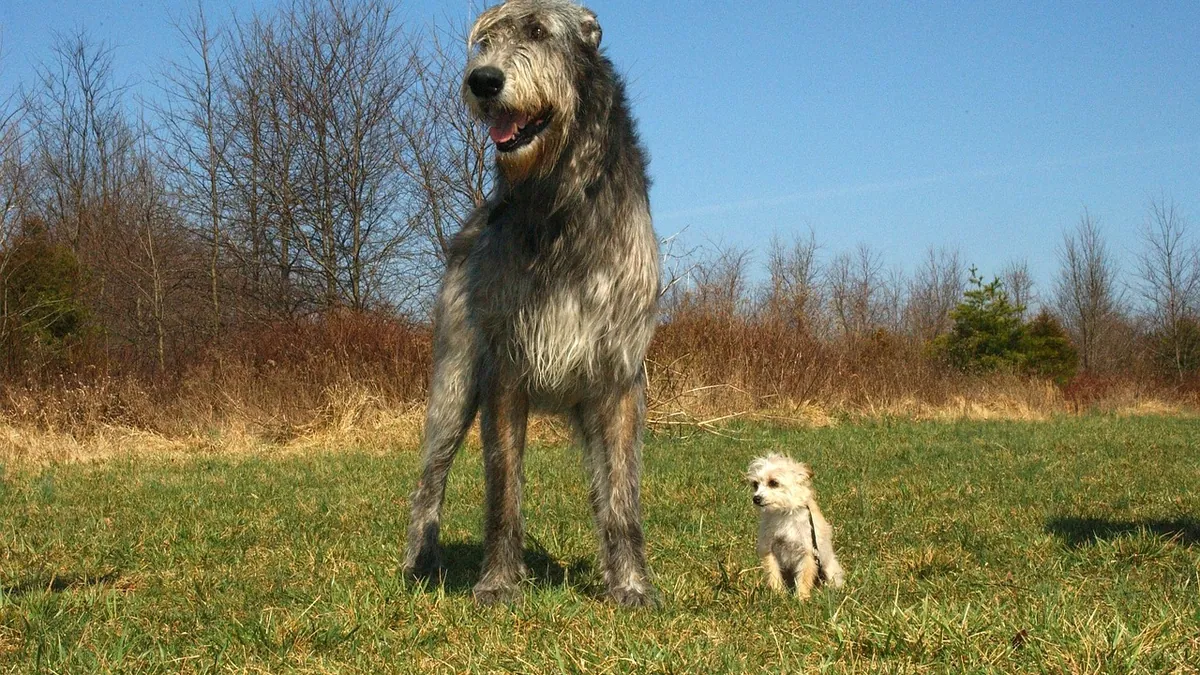
Dog lifespan by weight follows a clear pattern. Small dogs generally live longer than large dogs, and the heaviest breeds often have the shortest lives. Knowing where your dog falls helps you plan senior care, screening, and day to day comfort.
This article is educational and is not a substitute for veterinary diagnosis or treatment.
Quick Answer
- Small dogs (under about 20 pounds) often reach their mid teens, and some live past 15.
- Medium dogs (20 to 50 pounds) commonly live about 10 to 13 years.
- Large dogs (50 to 90 pounds) often live about 9 to 11 years.
- Giant breeds (over 90 pounds) frequently live 7 to 9 years, with some closer to 6.
- Body size is one factor among many. Skull shape, breed, weight management, and dental care also shape how long a dog lives [1].
Why Small Dogs Usually Outlive Large Dogs
Size and lifespan are linked across dog breeds. Large and heavy dogs tend to live shorter lives than small ones [2]. This pattern holds up in large registry datasets, not just in casual observation.
Researchers are still working out the biology behind it. One line of study points to genetic factors tied to both body size and lifespan, with candidate genes identified in analyses of breed data [2]. Growth speed likely plays a role too. Big dogs grow fast and reach adult size quickly, and that rapid development may come with costs to long term health.
Skull shape matters as well. In a study of nearly 280,000 dogs, cephalic index (a measure of head shape) had a stronger effect on life expectancy than body size did [1]. Large brachycephalic breeds, the flat faced dogs, had the shortest life expectancies, while small mesocephalic breeds (medium length skulls) had the longest [1]. That means a flat faced dog of any size may face more risk than its weight alone suggests.
Cause of death varies by breed too. A study of 72 breeds found that mortality from musculoskeletal and neoplastic (cancer) processes showed the strongest genetic influence, while other causes were less tied to ancestry [3]. Cancer is a leading cause of death in many large breeds, which helps explain part of the lifespan gap.
Dog Lifespan by Weight: Realistic Ranges
These ranges reflect general patterns. Your individual dog may fall outside them.
| Size category | Typical adult weight | Common lifespan range | Senior care often starts |
|---|---|---|---|
| Toy and small | Under 20 lb | 12 to 16 years | 8 to 10 years |
| Medium | 20 to 50 lb | 10 to 13 years | 7 to 8 years |
| Large | 50 to 90 lb | 9 to 11 years | 6 to 7 years |
| Giant | Over 90 lb | 7 to 9 years | 5 to 6 years |
For context, a national registry study of dogs in Portugal found a mean lifespan at birth of about 8.91 years across all dogs, with Yorkshire Terriers at the high end (10.89 years) and French Bulldogs at the low end (6.27 years) [1]. Those numbers come from one country and one registry, so treat them as a reference point, not a rule for your dog.
If you want a deeper look at how longevity is measured across breeds, see How Long Do Dogs Live and How Long Do Dogs Live For.
Why the Ranges Overlap
A 15 pound dog and a 60 pound dog can both live to 12. Weight sets a tendency, not a ceiling. Genetics, dental health, body condition, and preventive care all shift the odds. A lean large dog with good teeth often outlives an overweight small dog with chronic dental disease.
How to Use Weight to Plan Senior Care
Weight tells you when to start looking for age related changes. Smaller dogs age more slowly in the early years and often stay active longer. Large and giant dogs compress more aging into fewer years, so problems can appear earlier than you expect.
Step 1: Know Your Dog's Adult Weight and Body Condition
Weigh your dog at least twice a year, or at every veterinary visit. Body condition score matters as much as the number on the scale. Your veterinarian can show you how to check ribs, waist, and belly tuck at home.
Excess weight is common. In one survey of dog owners, 46.7% of dogs were overweight or obese, and daily snacks were frequent [4]. Even though every owner in that survey knew excess weight carries health risks, some still fed free choice meals and skipped professional guidance [4]. Keeping your dog lean is one of the most direct things you can do to protect lifespan and comfort.
Step 2: Set a Senior Timeline by Size
Use the table above to pick a starting point. For a giant breed, that may be age 5. For a toy breed, age 9 or 10. At that point, ask your veterinarian about baseline bloodwork, a urinalysis, and a blood pressure check. Many clinics repeat these yearly, or twice yearly for dogs with known conditions.
Step 3: Adjust Diet and Supplements With Your Veterinarian
Nutritional needs change with age and disease. Supplement dosing is not always simple. Because food intake scales with metabolic weight instead of total body weight, the dose a dog actually ingests from a supplemented diet does not rise in a straight line as body weight goes up [5]. This matters for conditions like heart disease and chronic kidney disease, where omega-3 targets are set differently [5].
Never guess a supplement dose from a human label or an internet chart. Your veterinarian calculates the dose from your dog's weight, diet, and health status.
Step 4: Plan Screening Around Breed Risk
Large and giant breeds face higher rates of joint disease and some cancers [3]. Small breeds face dental disease, heart valve disease, and tracheal problems. Flat faced dogs of any size need extra attention to breathing, heat tolerance, and eye health.
If you own a large breed with known health risks, breed specific planning helps. See Bernese Mountain Dog Care, Health, Temperament, Size and Lifespan for an example of how size, cancer risk, and joint care intersect.
Spay and neuter timing also varies with size. Large breeds mature later, and the optimal age differs from small breeds. See When to Spay a Dog: Optimal Age for Small vs Large Breeds for details.
Senior Care Checklist by Size
| Task | Small (under 20 lb) | Medium (20 to 50 lb) | Large (50 to 90 lb) | Giant (over 90 lb) |
|---|---|---|---|---|
| Start senior exams | Age 8 to 10 | Age 7 to 8 | Age 6 to 7 | Age 5 to 6 |
| Baseline bloodwork | At senior start, then yearly | Same | Same | Same, consider twice yearly |
| Dental check | Every 6 to 12 months | Every 6 to 12 months | Every 6 to 12 months | Every 6 to 12 months |
| Joint and mobility check | Yearly | Yearly | Every 6 to 12 months | Every 6 to 12 months |
| Weight and body condition | Every visit | Every visit | Every visit | Every visit |
| Home changes | Ramps, soft bedding | Ramps, rugs for traction | Orthopedic bed, ramp for car | Orthopedic bed, ramp, non slip flooring |
Signs Something Is Wrong
Age related problems often start quietly. Watch for these changes and call your veterinarian when they appear.
- Stiffness when rising, reluctance on stairs, or slowing on walks
- New lumps or bumps, or changes in existing ones
- Weight loss or weight gain without a diet change
- Increased drinking or urination
- Bad breath, drooling, dropping food, or chewing on one side
- Coughing, especially at night or after activity
- Confusion, pacing, staring at walls, or house soiling in a trained dog
- Reduced interest in food or treats
- Panting that seems out of proportion to the activity or temperature
Drooling is worth a mention. One analysis of breed data suggested drooling may be associated with both lifespan and body mass index, and identified genes related to salivary proteins as candidates for further study [2]. That does not mean drooling shortens life. It means the link is an active area of research, and sudden drooling in an adult dog still needs a veterinary exam.
Common Mistakes Owners Make
Waiting for obvious pain. Dogs hide discomfort. By the time a large breed dog refuses to walk, arthritis may be advanced.
Assuming a big dog is "just slowing down." In giant breeds, a slowdown at age 5 or 6 deserves a workup, not patience.
Free feeding. Ad libitum feeding was one of the practices linked to excess weight in a survey of owners [4]. Measured meals protect your dog's joints and heart.
Skipping dental care. Dental disease is common in small breeds, and small breeds live long enough for it to cause real damage over time.
Using weight based supplement math on your own. Dosing for some nutrients follows metabolic weight, not total body weight, so simple multiplication can overshoot or undershoot the target [5].
Ignoring head shape. If your dog is brachycephalic, its risk profile is higher than its weight suggests, and cephalic index had a stronger effect on life expectancy than size in one large study [1].
Supplies and Setup That Matter for Health
A few items make senior care easier and safer.
- A scale for home weigh ins, or regular weigh ins at your clinic
- Non slip rugs or mats on hard floors
- A ramp or steps for the car and for furniture
- An orthopedic bed with low sides
- Raised food and water bowls if your dog has neck or joint pain
- A soft toothbrush and dog safe toothpaste
- A written medication and supplement list to bring to every visit
For dogs with mobility issues, a harness with a handle helps you support weight without pressing on the throat. For flat faced dogs, avoid heavy exercise in heat and keep a close eye on breathing during any activity.
Limitations and When to Contact a Veterinarian
Lifespan ranges come from population data. They cannot predict your individual dog's life. Breed, sex, skull shape, body condition, dental health, and access to care all shift the outcome [1][3]. Your veterinarian is the only one who can assess your dog's specific risks.
Contact a veterinarian the same day if you see:
- Refusing food for more than 24 hours
- Vomiting or diarrhea that lasts more than a day, or that comes with blood
- A new lump that is growing quickly or is painful
- Sudden weakness, wobbling, or inability to stand
- A cough that started suddenly or is getting worse
- Increased drinking and urination with weight loss
Go to an emergency clinic now if you see:
- Trouble breathing, blue gums, or loud raspy breathing
- Collapse, seizure, or loss of consciousness
- A distended, hard abdomen, especially in a large deep chested breed
- Uncontrolled bleeding
- Suspected poisoning or toxin exposure
- Inability to urinate, especially in a male dog
Call your regular veterinarian for a routine visit if you notice gradual changes like slowing on walks, mild stiffness, new bad breath, or small behavior shifts. Early visits are easier to treat than emergencies.
Frequently Asked Questions
Does a dog's weight really predict how long it will live?
Weight is one of several factors linked to lifespan, and heavier dogs tend to live shorter lives on average [2]. It is not a guarantee for any single dog. Skull shape, breed, body condition, and dental health also matter, and cephalic index had a stronger effect than size in one large study [1].
Do small dogs age more slowly than large dogs?
Small dogs tend to reach old age later in calendar years, which is why senior care often starts around age 8 to 10 for toy breeds and age 5 to 6 for giant breeds. Their bodies do not age on the same clock. This is a general pattern, and your veterinarian can set a timeline for your dog.
Is a lean dog likely to live longer than an overweight one?
Keeping your dog at a healthy body condition supports joint health, heart health, and overall comfort. Excess weight is common, affecting nearly half the dogs in one owner survey [4]. Your veterinarian can help you set a target weight and a feeding plan.
Should I change my large dog's food as it gets older?
Yes, most senior dogs benefit from a diet matched to their health conditions, not just their age. Supplement and nutrient needs differ by disease, and dosing is not always a simple weight calculation [5]. Ask your veterinarian before switching foods or adding supplements.
Can I predict my dog's lifespan from its breed alone?
No. Breed gives a general range, but individual dogs vary widely. Registry data show clear breed differences, with some breeds averaging several years longer than others [1]. Genetics, weight management, dental care, and preventive medicine all influence the final number.
When should I start senior bloodwork for a giant breed?
Many veterinarians start baseline screening around age 5 to 6 for giant breeds and earlier than that for breeds with known cancer or joint risk. Your veterinarian may repeat testing every 6 to 12 months. Ask at your next visit so the plan fits your dog.
Related Articles
- Bernese Mountain Dog Care, Health, Temperament, Size and Lifespan
- When to Spay a Dog: Optimal Age for Small vs Large Breeds
- How Long Do Dogs Live
- How Long Do Dogs Live For
- How to Use a Quality of Life Scale for Your Senior Dog: A Practical Guide
- Dog Lifespan Chart by Breed and Size Explained
- Dog Aging Chart: How Old Is Your Dog in Human Years?
- When Do Dogs Die? Lifespan and End-of-Life Signs
References
- Investigating the Life Expectancy at Birth of Companion Dogs in Portugal Using Official National Registry Data. Animals : an open access journal from MDPI, 2024.
- Genome-wide statistical evidence elucidates candidate factors of life expectancy in dogs. Molecules and cells, 2025.
- Evolutionary history and life-history traits influence cause-specific mortality in domestic dogs. Journal of evolutionary biology, 2026.
- Self-reported knowledge and practices of dog owners regarding canine overweight: a cross-sectional questionnaire survey. Topics in companion animal medicine, 2026.
- Optimizing omega-3 supplementation in chronically ill dogs: The impact of body weight and dietary inclusion rates. Research in veterinary science, 2026.