Cruciate Ligament Surgery in Dogs: Recovery and Aftercare
By Dr. Zubair Khalid, DVM, MS, PhD ·
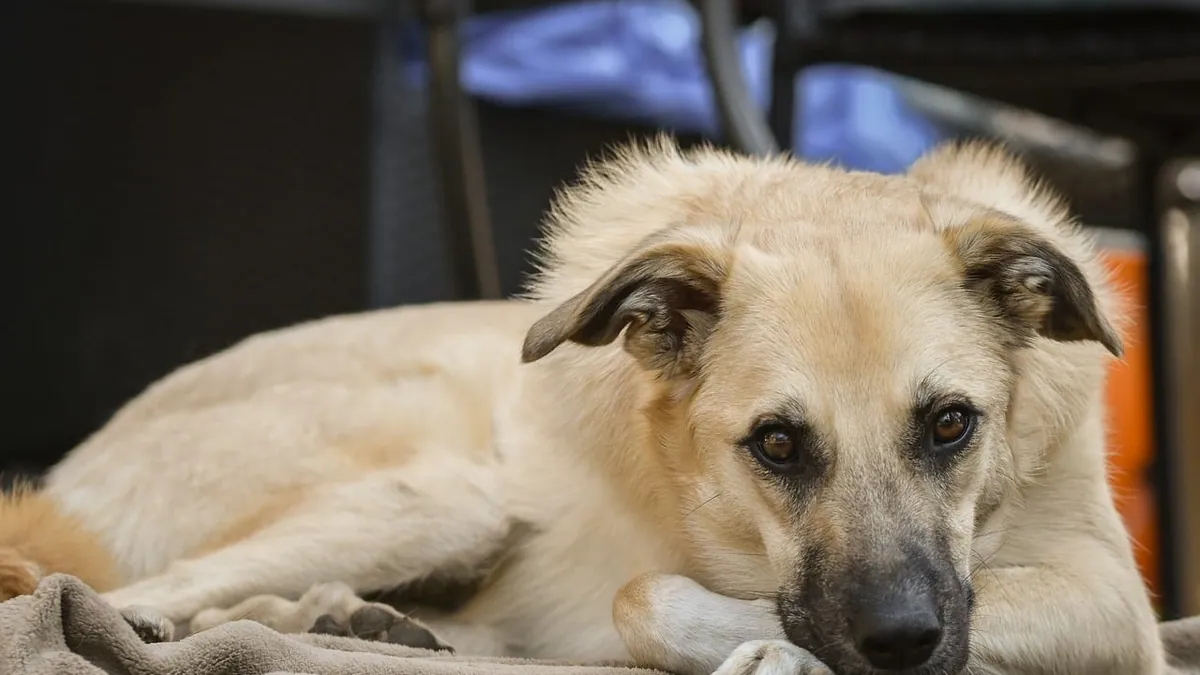
Cranial cruciate ligament rupture is the most common orthopedic condition in dogs, and most dogs recover well after surgery with strict rest and a slow, guided return to activity [1]. Full recovery after cruciate ligament surgery in dogs usually takes about 12 to 16 weeks, though some dogs need longer. This article is educational and is not a substitute for veterinary diagnosis or treatment.
Quick Answer
- Expect roughly 12 to 16 weeks before your dog returns to normal off-leash activity, with rechecks at about 7 days, 30 to 40 days, and 60 to 70 days after surgery [2].
- Most dogs start using the operated leg within the first week, and about 47% bear weight consistently while walking by day 7 [2].
- Confinement (crate rest or a small pen) is the single most important part of early recovery, because fatigue damage to the bone and implant occurs under trotting and galloping loads [3].
- Swelling is common after surgery, reported in about 89% of dogs, and bruising in about 47%, so mild swelling alone is not a sign of failure [2].
- Call your veterinarian the same day for any sudden loss of use, a popping sensation in the knee, or a wound that opens or drains.
What Cruciate Ligament Surgery in Dogs Involves and Why It Is Done
The cranial cruciate ligament (CCL) is the main stabilizer of your dog's knee (stifle joint). When it tears, the knee becomes unstable, which causes lameness, pain, and progressive arthritis [1]. For a closer look at the joint and why this ligament matters so much, see Canine Stifle Joint Anatomy and Cranial Cruciate Ligament Rupture.
Surgery is the preferred treatment for most dogs. The most common procedures change the angle of the tibia so the knee stays stable during walking. These include tibial plateau leveling osteotomy (TPLO), tibial tuberosity advancement (TTA), and the modified Maquet technique (MMT) [1]. A newer option is intra-articular reconstruction, in which a synthetic ligament is placed inside the joint, similar to how the ligament is rebuilt in human medicine [4].
Your surgeon will recommend a technique based on your dog's size, knee shape, and any other problems in the joint. Small-breed dogs sometimes have a luxating patella along with a torn ligament, and a single surgery can address both [5]. For a deeper dive into the most common procedure, read TPLO Surgery for Dogs: Cruciate Tear Recovery Timeline and Success Rate.
Is there a non-surgical option?
Some owners ask about cruciate ligament injury in dogs non surgical treatment. Non-surgical care (rest, pain medication, weight management, physical therapy) can ease discomfort, but it does not restore stability to the knee. Without stability, arthritis tends to progress and the meniscus can tear. Surgery is the standard recommendation for dogs with a full rupture, especially medium and large breeds.
How to Prepare for Your Dog's Surgery
Preparation starts before the surgery date.
- Ask about fasting. Most clinics want food withheld the morning of surgery. Follow your clinic's exact instructions.
- Set up a recovery zone. A crate or small pen in a quiet room works well. The space should be big enough for your dog to stand, turn around, and lie down, and no bigger.
- Remove slippery surfaces. Rugs or yoga mats over hard floors help your dog keep footing during short leash walks outside the pen.
- Plan for stairs. If your dog sleeps upstairs, decide now whether you will carry them or set up a bed downstairs.
- Stock supplies. A sling or belly harness for support, non-slip booties if needed, and easy-to-clean bedding.
- Ask about medications. Pain control is tailored to your dog. Your veterinarian calculates the dose from your dog's weight and health, so never use leftover medication from another pet or an old prescription.
- Arrange time off. The first two weeks need close supervision. If you work away from home, plan for help.
For general after-surgery care tips that apply to any procedure, see Caring for a Dog After Surgery: Pain Management Rest and Wound Monitoring.
What Happens During the Procedure
Your dog is placed under general anesthesia. The surgical site is clipped and sterilized, and the surgeon performs the planned procedure, whether that is a TPLO, TTA, MMT, or an intra-articular reconstruction [1][4]. If the meniscus is torn, the surgeon may remove the damaged portion.
Most dogs spend one night in the hospital, though some go home the same day. You will receive discharge instructions covering pain medication, wound care, activity limits, and the first recheck. Expect a shaved leg, a surgical incision, and possibly mild swelling or bruising around the knee.
Recovery Timeline and Post-Operative Care
This table gives a general roadmap. Your surgeon's plan overrides anything here, because every dog and every repair is different.
| Time After Surgery | What to Expect | What You Should Do |
|---|---|---|
| Days 1 to 7 | Most dogs use the leg by day 7, and about 47% bear weight consistently while walking [2]. Swelling is common (about 89% of dogs) and bruising occurs in about 47% [2]. | Strict confinement. Leash walks for bathroom breaks only. Keep the incision clean and dry. Give all medications as prescribed. |
| Weeks 2 to 4 | Sutures or staples come out around day 7 [2]. Walking improves. Some dogs still skip or toe-touch at times. | Continue confinement. Start gentle range-of-motion and leash walking as directed. First recheck at 30 to 40 days often includes X-rays [2]. |
| Weeks 4 to 8 | Most dogs walk well on the leg. Muscle loss in the operated leg is normal at this stage. | Add controlled leash walks and prescribed rehab exercises. Second recheck at 60 to 70 days with X-rays [2]. |
| Weeks 8 to 12 | Strength builds. Your dog may want to run, which is the danger zone. | Follow your rehab plan. No off-leash running, jumping, or stairs at speed. |
| Weeks 12 to 16 | Many dogs are cleared for a gradual return to normal activity. | Increase activity in steps over several weeks. Watch for soreness after each increase. |
| Beyond 4 months | Arthritis may still progress slowly, even with a successful repair [6]. | Keep your dog lean, keep up low-impact exercise, and continue rechecks as advised. |
Rehab exercises
Rehab is not optional. It rebuilds muscle and helps your dog relearn normal movement. Your veterinarian or a rehab therapist will prescribe specific exercises and a schedule. Typical early exercises include passive range of motion (gently flexing and extending the knee), controlled leash walking, and weight-shifting games. Later stages add sit-to-stand, slow figure-eights, and balance work on a foam pad.
Never add exercises on your own. Too much too soon is one of the most common reasons a repair fails.
Activity limits and why they matter
A biomechanical study of TPLO repairs found that stress and displacement on the bone and implant increase with load. Under standing and walking loads, the repair held up. Under trotting and galloping loads, fatigue damage occurred in the tibia and fibula [3]. In plain terms, a dog that bolts after a squirrel in week 4 can damage the repair. Keep your dog on a leash for the full confinement period, even in a fenced yard.
Weight and nutrition
Extra weight puts more load on the healing knee. Your veterinarian can calculate a target weight and a calorie plan. Keep treats small and count them in the daily total.
Possible Complications and Warning Signs
No surgery is risk-free. Knowing what is normal and what is not helps you act quickly.
Common and usually expected
- Swelling. Mild to moderate swelling occurred in about 89% of dogs after TPLO [2].
- Bruising. Reported in about 47% of dogs [2].
- Stiffness after rest. Common in the first weeks. It usually improves once your dog warms up.
- Reduced muscle mass. Expected during confinement and rebuilt with rehab.
Less common but important
- Patellar desmopathy. Thickening of the patellar ligament can develop after surgery and show up on X-rays. In one study of dogs after TPLO, the prevalence was 86.7% at follow-up, which averaged about 2.5 months after surgery [1]. It can cause discomfort, so report any new limping at rechecks.
- Rotational instability. In a study of 312 stifles, 24.6% had persistent rotational instability after TPLO that required an antirotational suture [7]. More severe lameness before surgery was linked to higher odds of this problem, while chronic (long-standing) ruptures had lower odds [7].
- Meniscal injury. A torn meniscus can cause sudden pain and lameness weeks or months after surgery. This often needs a second procedure.
- Implant problems and infection. These are uncommon but possible. Report any wound drainage, odor, or fever right away.
Signs the repair may have failed
Call your veterinarian promptly if you see any of these:
- Sudden loss of use of the leg after your dog had been walking on it well
- A popping or clicking sensation in the knee when your dog walks
- Swelling that suddenly gets worse, or a knee that feels unstable
- Crying out or refusing to stand
- A wound that opens, drains pus, or smells bad
- Limping that gets worse instead of better over two to three weeks
Questions to Ask Your Veterinarian
Bring this list to your discharge appointment.
- Which procedure did my dog have, and why was it chosen?
- What exactly does confinement mean for my dog's size and home?
- Which exercises should I do, how many repetitions, and how often?
- What are the recheck dates, and will X-rays be taken?
- What pain medication is prescribed, and what side effects should I watch for?
- When can my dog return to stairs, car rides, and off-leash activity?
- What is my dog's target weight, and how do we get there?
- Who do I call after hours if something looks wrong?
Limitations and When to Contact a Veterinarian
This article gives general guidance. Your dog's age, size, procedure, and other health conditions change the plan. Individual cases need a veterinarian who has examined your dog.
Contact your veterinarian the same day if you see:
- The incision is red, swollen, hot, or has a small amount of discharge
- Your dog refuses food or seems painful despite medication
- Vomiting or diarrhea after starting a new medication
- A mild increase in limping that lasts more than a day
Go to an emergency clinic now if you see:
- Sudden complete loss of use of the operated leg
- A wound that opens widely or bleeds steadily
- Trouble breathing, collapse, or pale gums
- Severe pain that does not respond to prescribed medication
- A leg that looks bent at a strange angle
Bring up at a routine recheck:
- Any limping that comes and goes
- Muscle loss that is not improving
- Stiffness after rest that lasts more than a few minutes
- Questions about long-term arthritis management
Frequently Asked Questions
How long does cruciate ligament injury in dogs recovery time take?
Most dogs need about 12 to 16 weeks before returning to normal activity, with rechecks at roughly 7 days, 30 to 40 days, and 60 to 70 days after surgery [2]. Full muscle rebuilding can take several months longer. Some dogs with complications need extended management [2].
What does cruciate ligament surgery in dogs post operative care involve at home?
It involves strict confinement, leash-only bathroom breaks, all prescribed medications, wound checks, and a rehab exercise plan from your veterinarian. You will also need to manage your dog's weight and prevent jumping, stairs at speed, and off-leash running. Follow your surgeon's written instructions exactly, because they are tailored to the specific repair.
Can cruciate ligament injury in dogs non surgical treatment work instead of surgery?
Non-surgical care can reduce pain and improve comfort, but it does not restore stability to the knee. Without stability, arthritis tends to progress and the meniscus can tear. For most dogs with a full cruciate ligament rupture in dogs, surgery offers the best chance of a return to normal activity.
What are the signs of cruciate ligament rupture in dogs?
The classic signs are sudden hindlimb lameness, sitting with the leg out to the side, stiffness after rest, and a clicking sound in the knee. Some dogs have a slow, subtle limp that worsens over weeks. Your veterinarian can confirm the diagnosis with an exam and X-rays.
How successful is cruciate ligament repair in dogs?
Success rates are high when owners follow the confinement and rehab plan. In one study, all dogs were using the limb by day 7, and all had a positive outcome at final assessment, though about 10.5% needed extended management for complications [2]. Another study found that adding a biological therapy to surgery improved functional recovery and slowed arthritis progression [6]. Ask your surgeon about the expected outcome for your dog's specific procedure.
Related Articles
- TPLO Surgery for Dogs: Cruciate Tear Recovery Timeline and Success Rate
- Caring for a Dog After Surgery: Pain Management Rest and Wound Monitoring
- Canine Stifle Joint Anatomy and Cranial Cruciate Ligament Rupture
- Dog Neuter Recovery
- Cranial Cruciate Ligament CCL Injury in Cats: Feline Joint Stifle Stabilization
- Dog Limping After Exercise: When to Rest and When to Call the Vet
- Cruciate Ligament Tear in Dogs: Symptoms and Treatment
- Dog Knee Injury: Treatment, Surgery, and Recovery
- Dog Jumped After Surgery: Is It Dangerous?
References
- A Retrospective Study on Patellar Desmopathy Following Surgical Resolution of Cranial Cruciate Ligament Rupture in 28 Dogs. Animals : an open access journal from MDPI, 2025.
- Tibial plateau leveling osteotomy in dogs: Postoperative evaluation and owners' perception. Research in veterinary science, 2025.
- Biomechanical evaluation of structural integrity after tibial plateau leveling osteotomy in dogs using finite element analysis. Scientific reports, 2026.
- Zlig ligament reconstruction versus tibial plateau leveling osteotomy for cranial cruciate ligament rupture in dogs: a prospective controlled study. Frontiers in veterinary science, 2026.
- Assessing the Effectiveness of Modified Tibial Plateau Leveling Osteotomy Plates for Treating Cranial Cruciate Ligament Rupture and Medial Patellar Luxation in Small-Breed Dogs. Animals : an open access journal from MDPI, 2024.
- Combined tibial plateau leveling osteotomy and autologous conditioned serum for functional recovery and delayed osteoarthritis progression in dogs with cranial cruciate ligament rupture. Frontiers in veterinary science, 2026.
- Postoperative rotational instability after tibial plateau-leveling osteotomy is associated with acute cranial cruciate ligament rupture and meniscal injury. American journal of veterinary research, 2026.