Cataracts in Cats: Treatment and Surgery Options
By Dr. Zubair Khalid, DVM, MS, PhD ·
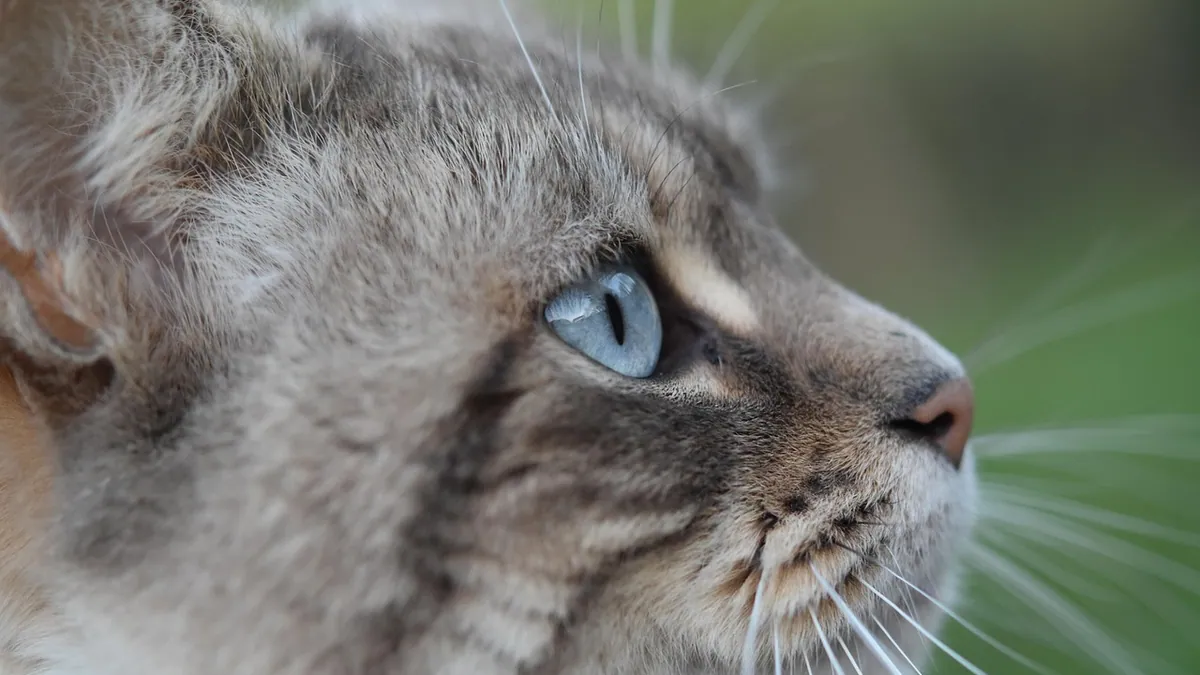
Cataracts in cats treatment depends on how much the clouded lens affects your cat's vision and whether the eye has other problems. Many mild cataracts are watched closely instead of removed, while a lens that blocks vision is usually treated with surgery called phacoemulsification. The choice is rarely about the cataract alone, because in cats the cloudiness often comes from an underlying eye disease that needs its own care [1].
This article is educational and is not a substitute for veterinary diagnosis or treatment.
Quick Answer
- A cataract is a cloudy lens that blocks light from reaching the retina, and it can affect one eye or both [2].
- Most cataracts in cats are not inherited and instead develop after inflammation inside the eye called anterior uveitis [1].
- There is no eye drop or pill that clears a cataract. Medical treatment manages the problems cataracts cause, such as uveitis and glaucoma [1].
- Surgery (phacoemulsification) removes the clouded lens and is the only way to restore vision lost to a cataract [1].
- Even when surgery is not an option, regular veterinary monitoring matters because cataracts can lead to uveitis, glaucoma, and a blind, shrunken eye [1].
What Cataracts in Cats Eyes Actually Are
The lens sits behind the iris and helps focus light onto the retina at the back of the eye [2]. In a healthy cat, that lens is clear, so light passes through and vision forms normally. A cataract is a lens that has turned cloudy or completely opaque, which blocks some or all of the light traveling to the retina [2].
The size of the cloudy area decides how much vision is lost. A tiny spot may cause no noticeable problem, while a fully opaque lens causes total blindness in that eye [2]. Cataracts can be unilateral (one eye) or bilateral (both eyes) [2].
One important point for cat owners: a cloudy lens is not the same as a cloudy eye. Cats can also develop a hazy appearance in the lens as part of normal aging, and that change does not always mean a true cataract. Your veterinarian can tell the difference during an eye exam.
Signs Owners Notice at Home
Cats hide vision loss well, so early cataracts often go unnoticed. Signs tend to appear when the cloudiness becomes large enough to interfere with sight.
- Bumping into furniture, walls, or doorways
- Hesitating on stairs or refusing to jump onto favorite spots
- Missing toys or food when reaching for them
- A visible gray, white, or milky haze in the pupil
- Squinting, tearing, or holding an eye closed, which points to pain instead of the cataract itself
- Changes in behavior, such as hiding more or acting clingy
Squinting and eye redness are not caused by an uncomplicated cataract. They usually signal inflammation or increased pressure inside the eye, and those need prompt care. If you see these signs, it helps to review Feline Ocular Diseases: Common Conditions and Treatment so you know what else can look similar.
Causes and Risk Factors
In dogs, many cataracts are inherited and develop on their own. Cats are different. Most cataracts in cats do not occur by themselves and instead result from inflammation of the anterior uvea, a condition called anterior uveitis [1]. That inflammation damages the lens over time.
Some cataracts in cats are inherited, and these are seen most often in young cats [1]. Other risk factors include:
- Chronic or repeated uveitis from any cause
- Diabetes mellitus, which can be linked to rapid lens changes
- Trauma to the eye
- Lens instability, where the lens shifts out of position and can be tied to glaucoma [3]
- Retinal disease, since cataract was found alongside retinal detachment in some cats [4]
Because uveitis is such a common trigger, treating the underlying inflammation is often the first step in protecting the eye.
How Veterinarians Diagnose Cataracts
Diagnosis starts with a full eye exam. Your veterinarian will use a light and magnifying tools to look at the lens, iris, and the front of the eye. They will also check the retina and the back of the eye when possible.
A cloudy lens can hide problems behind it, so imaging helps. Ocular ultrasound is used to look at structures behind the lens, including the lens capsule and the vitreous gel, and it is part of presurgical planning [5]. Electroretinography tests whether the retina still works, which matters because a lens can only be replaced if the retina can still send visual signals [5][6].
Blood work and tests for infectious diseases are often part of the workup, especially when uveitis is suspected [5][6]. These tests help find a cause and confirm your cat is healthy enough for anesthesia if surgery is on the table.
Cataracts in Cats Treatment: Medical Management vs Surgery
This is the decision most owners want answered. The short version is that no medication removes a cataract. Treatment splits into two paths: managing the eye medically, or removing the lens surgically.
When Medical Management Is Used
Medical management is common when the cataract is small, when vision is still good, or when surgery is not safe for your cat. It does not clear the lens. Instead, it controls the problems cataracts cause.
Your veterinarian may prescribe topical anti-inflammatory drugs to calm uveitis. Topical nonsteroidal anti-inflammatory drugs are used in feline ophthalmology, especially for long-term management of uveitis after cataract surgery, though they can affect the tear film and ocular surface with extended use [7]. Any dose is calculated by your veterinarian based on your cat's weight and health.
Monitoring is a core part of medical care. Cataracts can lead to anterior uveitis, glaucoma, and a blind, shrunken eye, so regular checkups are not optional [1]. Your veterinarian will measure eye pressure and watch for pain.
When Surgery Is Recommended
Surgery is the standard treatment for cataracts that block vision, and it involves removing the affected lens or lenses [1]. The goal is to restore sight. In one reported case, cataracts in both eyes of a diabetic cat were treated successfully with phacoemulsification, restoring vision [6].
Cataracts in cats surgery is not right for every cat. A candidate needs a working retina, a reasonably healthy eye, and the ability to handle general anesthesia. That is why electroretinography and ultrasound come before the decision [5].
| Situation | Typical Approach | Goal |
|---|---|---|
| Small cataract, good vision | Monitor and treat any uveitis | Protect the eye and track changes |
| Cataract blocking vision, healthy retina | Phacoemulsification surgery | Restore vision |
| Cataract with glaucoma or lens instability | Surgery plus pressure control, sometimes lens removal with other procedures | Manage pain and pressure, save the eye when possible |
| Cataract with severe eye damage | Medical management or eye removal | Comfort and quality of life |
What Cataract Surgery Involves
The main procedure is phacoemulsification. Your veterinarian or a veterinary ophthalmologist makes a small incision, breaks up the clouded lens with ultrasound, and removes the pieces. In many cases an artificial lens is placed in the eye to help focus light.
Not every eye gets an implant. In the diabetic cat case, both cataracts were removed successfully, but an intraocular lens was placed in only one eye because of conditions in the other [6]. Your surgeon decides this based on the health of each eye.
Some cats need more than lens removal. When glaucoma is present, surgeons may combine lens removal with a procedure called endocyclophotocoagulation to control pressure. In a study of glaucomatous cats, successful pressure control was achieved in 86% of cases at three months and 94% at one year, and vision was present in 77% at three months and 71% at one year [8]. Those numbers come from a specific group of cats with glaucoma, so they do not predict every cat's outcome.
Lens instability is another reason surgery can be more complex. In cats with presumed primary lens instability, 73% of subluxated lenses progressed to full luxation within a median of 15 days, and 38% of eyes had elevated pressure at presentation [3]. This is why a shifting lens is treated as urgent.
Recovery, Outlook, and Long-Term Management
Most cats go home the same day or the next day after surgery. Expect to use eye drops on a schedule for weeks. Your veterinarian will set the exact medications and timing for your cat.
Vision often returns quickly when the retina is healthy. In a reported bird case, vision returned by the first day after lens removal, though that was a different species [9]. Cats usually adjust within days to a few weeks, and many owners notice their cat handling the house more confidently.
Complications are possible after any eye surgery [1]. Watch for squinting, redness, discharge, or a sudden change in behavior. Follow-up visits let your veterinarian check pressure and healing.
If surgery is not done, long-term management means regular monitoring for uveitis, glaucoma, and lens-induced problems [1]. Some cats live comfortably with partial vision. Others need ongoing treatment for pain or pressure. For a broader look at keeping aging eyes healthy, see Cat Eyes: Understanding Feline Vision, Common Eye Problems & Care Tips.
Can You Prevent Cataracts in Cats?
There is no proven way to prevent cataracts, and inherited cataracts in young cats cannot be avoided [1]. The most useful step is controlling the diseases that lead to them.
- Treat uveitis promptly and completely, since it is the most common cause of cataracts in cats [1].
- Keep diabetes well managed with your veterinarian.
- Schedule routine eye checks, especially for senior cats and cats with a history of eye inflammation.
- Protect your cat from eye trauma where possible, since trauma is linked to retinal tears and other eye damage [4].
- See your veterinarian early if you notice squinting, redness, or a change in vision.
If your cat has conjunctivitis or another surface eye problem, that is a different issue from a cataract. You can read more in Cat Eye Conjunctivitis Treatment.
Limitations and When to Contact a Veterinarian
No article can replace an exam of your cat's actual eye. Cataracts in cats often sit on top of other disease, and only your veterinarian can measure pressure, check the retina, and decide what your cat needs.
Contact a veterinarian the same day if you notice:
- Sudden cloudiness in one or both eyes
- Squinting, pawing at the eye, or holding an eye shut
- Redness, tearing, or discharge that is new
- A pupil that looks different from the other eye
Seek emergency care now if your cat:
- Suddenly cannot see, walks into walls, or seems disoriented
- Has a bulging or very painful eye
- Has a hard, enlarged eye, which can signal high pressure
- Shows sudden behavior changes with apparent blindness
Call for a routine visit if you notice a slow haze in the lens, mild vision changes, or you want to discuss whether your cat is a surgery candidate. Early evaluation gives you more options.
Frequently Asked Questions
Can cataracts in cats be treated without surgery?
No medication removes a cataract, so medical care manages the problems it causes instead of clearing the lens. Your veterinarian may treat uveitis and monitor eye pressure over time. Surgery remains the only way to restore vision lost to a cataract.
How do I know if my cat needs cataract surgery?
Your cat may be a candidate if the cataract blocks vision and the retina still works. Testing such as electroretinography and ultrasound helps confirm this before surgery. Your veterinarian will also check that your cat is healthy enough for anesthesia.
Is cataract surgery painful for cats?
The surgery is done under general anesthesia, so your cat feels nothing during the procedure. Afterward, some soreness and inflammation are expected, and your veterinarian will prescribe medication to manage it. Most cats recover comfortably with the eye drops and follow-up care they are sent home with.
Will my cat go blind if the cataract is not removed?
Not always. A small cataract may leave vision mostly intact, while a fully opaque lens causes blindness in that eye. Even without surgery, monitoring matters because cataracts can lead to uveitis, glaucoma, and a shrunken eye. Your veterinarian will help you weigh the risks for your cat.
Can a cataract in a cat go away on its own?
A true cataract does not clear up by itself. Some age-related haziness in the lens is not a cataract and may look stable over time. If you see new cloudiness, have your cat examined so the cause can be identified.
Related Articles
- Cat Eye Conjunctivitis Treatment
- Feline Ocular Diseases: Common Conditions and Treatment
- Cat Eyes: Understanding Feline Vision, Common Eye Problems & Care Tips
- Cat Viral Conjunctivitis Treatment
- What Can You Do For Cat Conjunctivitis
- Cat Conjunctivitis Treatment Pets At Home
- Cataracts in Cats: Symptoms and What Causes Them
- Cataracts in Cats With Diabetes: What to Expect
- Cataracts in Cats: Age of Onset and Early Signs
References
- Disorders of the Lens in Cats - Cat Owners. Merck Veterinary Manual.
- Feline Cataracts. Cornell University College of Veterinary Medicine.
- Clinical Features and Surgical Outcomes of Cats With Presumed Primary Lens Instability: A Retrospective Study of 34 Cases (2018-2022). Veterinary ophthalmology, 2026.
- Incidence of and treatment strategies for giant retinal tears in cats with retinal detachment. The Canadian veterinary journal = La revue veterinaire canadienne, 2026.
- Ultrasonographic Appearance of a Posterior Lenticonus in a Cat. Veterinary ophthalmology, 2026.
- Rare occurrence of an intumescent cataract in a diabetic domestic longhair cat. JFMS open reports, 2026.
- Fifteen-day topical ketorolac tromethamine, with and without benzalkonium chloride, alters tear function, goblet cell density, and meibomian gland integrity in healthy cats. Veterinary world, 2026.
- Retrospective Evaluation of Surgical Outcomes in Cats With Glaucoma Following Diode Endoscopic Cyclophotocoagulation. Veterinary ophthalmology, 2026.
- Cataract Extraction in a White-Bellied Caique (Pionites leucogaster): A Case Report. Veterinary ophthalmology, 2026.