Cataracts in Cats: Age of Onset and Early Signs
By Dr. Zubair Khalid, DVM, MS, PhD ·
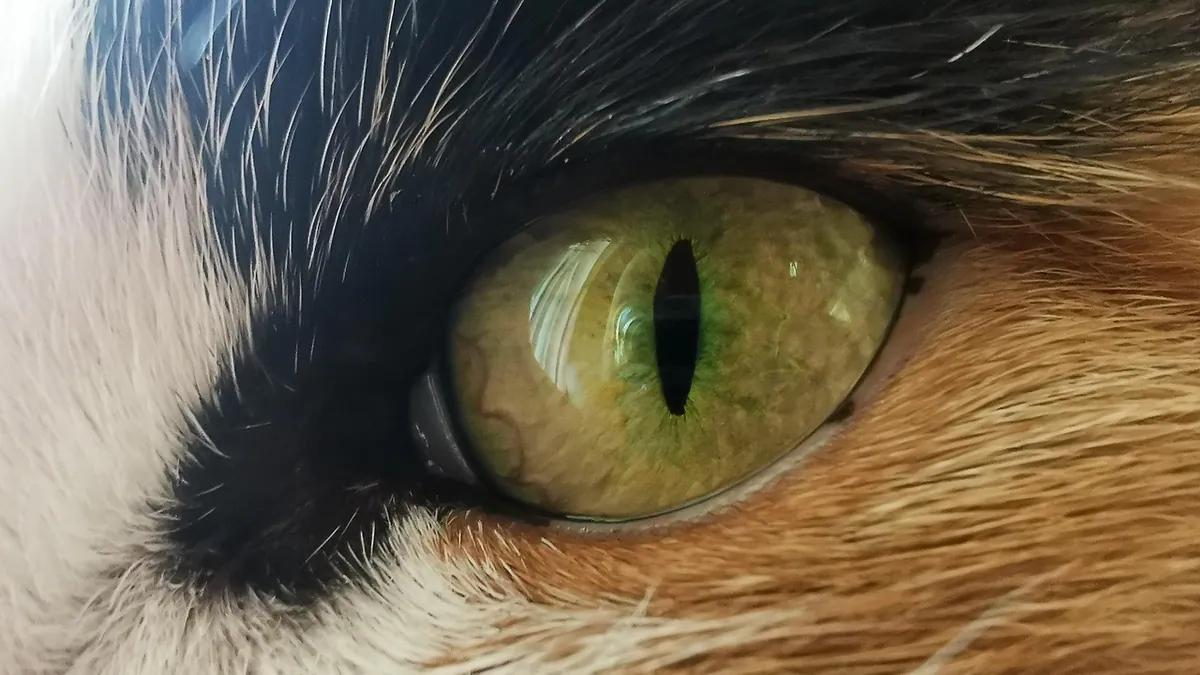
Cataracts in cats age of onset varies widely. Some cats develop them as kittens or young adults, while many older cats develop them as part of the aging process. Most feline cataracts are not simple age-related clouding, though, and often trace back to another eye or body condition.
This article is educational and is not a substitute for veterinary diagnosis or treatment.
Quick Answer
- Cataracts can appear at any age. Inherited forms show up most often in young cats, while older cats often develop them as a natural consequence of aging [1][2].
- In cats, most cataracts do not occur on their own. They often result from inflammation inside the eye called anterior uveitis [2].
- Early signs include a cloudy or grayish pupil, bumping into things, hesitating to jump, and squinting or redness if uveitis is involved.
- A cataract is not the same as a harmless age-related haze. Your veterinarian can tell the difference during an eye exam.
- Cataracts can lead to uveitis, glaucoma, and a blind, shrunken eye if they are not monitored, so regular checkups matter even when surgery is not planned [2].
What a Cataract Actually Is
The lens is a soft, clear tissue that sits behind the iris. It helps focus light onto the retina at the back of the eye [2]. A cataract forms when that lens becomes cloudy or opaque. The cloudiness blocks light from reaching the retina, so vision drops. The loss can range from mild blurring to partial or complete blindness [2].
Cataracts can affect one eye (unilateral) or both eyes (bilateral) [1]. Size matters a lot. A tiny affected spot may cause almost no vision problem, while a fully opaque lens causes total blindness in that eye [1]. This is why two cats with a "cataract diagnosis" can behave very differently at home.
Cataracts are also different from nuclear sclerosis, a common age-related change in the lens that many older pets have. Nuclear sclerosis causes a hazy, bluish look but usually leaves vision mostly functional. A true cataract is denser and more likely to interfere with sight.
Cataracts in Cats Age of Onset: Juvenile vs Senior Forms
Juvenile Cataracts in Cats
Inherited cataracts are seen most often in young cats [2]. These can show up in kittens, adolescents, or young adults, sometimes before the cat is a year old and sometimes in the first few years of life. Because the cat has never known clear vision, owners may not notice anything wrong. A young cat who was born with or quickly developed cataracts may simply act like a normal cat who is a little clumsy or cautious.
Breed matters here. In a review of cats registered with the Companion Animal Eye Registry in the United States and Canada, 81 of 113 Bengal cats (72%) had cataracts noted, and many were young cats with cataracts that were expected to have little effect on function [3]. That pattern suggests a possible hereditary basis in that breed [3]. If you have a Bengal, ask your veterinarian about eye screening.
Senior Cat Cataracts
Older cats often get cataracts as a natural consequence of the aging process [1]. Senior cat cataracts tend to develop gradually, so the earliest changes can be easy to miss. A cat who starts avoiding the stairs at night or who misjudges a jump may be showing you a vision problem, not just stiffness.
Age alone does not explain every cataract in an older cat. Diabetes, high blood pressure, and other systemic conditions can play a role [1]. One case report described a diabetic domestic longhair cat with an incipient cataract in one eye and a more advanced intumescent cataract in the other [4]. That is a reminder that when a senior cat develops cataracts, your veterinarian will want to look at the whole cat, not only the eyes.
When Do Cat Cataracts Start?
There is no single age. Some start in the first year of life, and some start in the double digits. Many cats fall somewhere in between, often with an underlying cause driving the timeline. If you are asking when do cat cataracts start for your specific cat, the honest answer is that it depends on genetics, breed, and any underlying disease.
Early Signs Owners Notice
Cataracts themselves do not hurt. What you see at home is usually a mix of vision loss and, sometimes, signs of the underlying problem.
Watch for:
- A cloudy, gray, or milky appearance in one or both pupils
- Bumping into furniture, walls, or doorframes
- Hesitating on stairs or refusing to jump onto favorite spots
- Missing toys or food when reaching for them
- Startling easily when approached from a blind side
- Squinting, tearing, or a red or painful-looking eye (this points to uveitis or another painful condition, not the cataract alone)
Vision loss from cataracts can be mild or can progress to partial blindness [2]. Because cats adapt so well, many owners only notice once the change is fairly advanced. If you want a broader look at how feline eyes work and what else can go wrong, see Cat Eyes: Understanding Feline Vision, Common Eye Problems & Care Tips.
A sudden eye problem with squinting, swelling, or discharge is different from a slow cataract. For that situation, see Cat Eye Injury: Signs, First Aid, and When to See the Vet.
Causes and Risk Factors
In dogs, cataracts often occur on their own. In cats, most cataracts do not occur on their own. They often result from inflammation of the anterior uvea, called anterior uveitis [2]. That single fact changes how veterinarians approach a cloudy lens in a cat. The lens is often the messenger, and the uveitis is the real problem.
Other causes and risk factors include:
- Genetics. Inherited cataracts are seen most often in young cats [2]. More than 85 genes and loci have been linked to inherited and age-related cataract forms across species, which shows how complex the genetics can be [5].
- Diabetes and hypertension. These can contribute in rare cases [1]. A diabetic cat in one report developed cataracts in both eyes [4].
- Trauma. A perforated lens from an injury can cause a cataract [1].
- Toxins, drugs, radiation, and electric shock. These are listed as potential causes [1].
- Metabolic problems. Some feline cataracts develop when a cat cannot properly metabolize proteins and other body chemicals [1].
- Aging. Older cats often develop cataracts as a natural part of aging [1].
In many cases, the cause is unknown [1]. That is frustrating for owners, but it does not change the plan. Your veterinarian will still check for treatable underlying conditions.
| Cataract type | Typical age of onset | Common underlying cause |
|---|---|---|
| Juvenile or inherited | Kittens to young adults | Genetics, often breed-related [2][3] |
| Secondary to uveitis | Any age | Anterior uveitis [2] |
| Secondary to systemic disease | Usually middle-aged to senior | Diabetes, hypertension [1] |
| Age-related | Senior cats | Aging process [1] |
| Traumatic | Any age | Injury to the eye [1] |
How Cataracts Are Diagnosed
Your veterinarian starts with a full eye exam. They will look at the lens, the iris, and the inside of the eye, and they will check for uveitis, which is common in cats with cataracts [2]. A bright light shined into the eye helps reveal how much of the lens is cloudy and whether a red or dazzle reflex is present.
If the lens is too cloudy to see through, an ocular ultrasound can show the structures behind it. In one 8-year-old cat, ultrasound revealed a distorted posterior lens capsule with material protruding into the vitreous body, findings that helped guide surgical planning [6]. Electroretinography may also be used to confirm that the retina still works before surgery is considered [6][4].
Blood work and tests for infectious diseases may be recommended, especially if uveitis is present. In the diabetic cat case, testing for common infectious causes of feline uveitis came back negative, which helped narrow the diagnosis [4]. Your veterinarian will decide which tests fit your cat.
Because cataracts in cats often travel with other conditions, a senior cat with cloudy eyes may also need screening for kidney disease. Two useful reads are Signs Of Kidney Disease In Old Cats and Kidney Problems In Older Cats.
Treatment Options
Surgery
Surgery to remove the affected lens is the main treatment for cataracts [2]. The procedure has advanced over the years, but complications are possible [2]. Not every cat is a candidate. The retina must still function, the eye must be stable enough for anesthesia, and any uveitis usually needs to be controlled first.
In the diabetic cat case, cataracts were treated successfully with phacoemulsification in both eyes, and vision was restored [4]. An intraocular lens was implanted in only one eye because of pre-existing conditions in the other [4]. That outcome shows surgery can work well, but the plan is often customized.
Medical Management
If surgery is not performed, continued monitoring by a veterinarian is very important [2]. That is because cataracts can cause anterior uveitis, glaucoma, and a blind, shrunken eye [2]. Your veterinarian may prescribe eye drops or other medications to control inflammation and pressure. They will calculate any dose based on your cat's weight and health, so never use a medication left over from another pet.
What About Supplements?
There is no well-established supplement that reverses cataracts in cats. If a product claims to dissolve a cataract, be skeptical. Ask your veterinarian before starting anything.
Recovery, Outlook, and Long-Term Management
After cataract surgery, most cats need a period of restricted activity, frequent recheck exams, and eye medications. The exact schedule is set by the surgeon based on your cat's healing. Complications can occur, so keep every follow-up appointment.
For cats who do not have surgery, the goal shifts to comfort and monitoring. Cataracts can lead to uveitis, glaucoma, and a shrunken blind eye over time [2]. Regular exams let your veterinarian catch these problems early, when they are easier to manage.
At home, you can make life easier for a cat with reduced vision:
- Keep food, water, and litter boxes in the same place
- Avoid moving furniture
- Use night lights in hallways
- Talk to your cat before you touch them so you do not startle them
- Block access to stairs or balconies if depth perception is poor
Vision loss is not the end of a good life for a cat. Cats rely heavily on smell, hearing, and memory. Many adjust well with a few changes at home.
Prevention
You cannot prevent every cataract, especially inherited ones. But you can lower some risks and catch problems early.
- Screen young cats of breeds with known cataract issues. The Bengal data showed a high prevalence of cataracts in cats presented for eye registry exams [3].
- Manage diabetes and high blood pressure closely if your cat has them, since these can contribute to cataracts [1].
- Treat uveitis promptly. Because most cat cataracts stem from anterior uveitis, controlling inflammation early may limit damage [2].
- Protect your cat from eye trauma and from exposure to toxins, certain drugs, radiation, and electric shock [1].
- Schedule regular senior exams. Older cats often develop cataracts as part of aging, and early detection gives you more options [1].
If your older cat is also drinking more, losing weight, or urinating more, those signs can point to kidney disease. See Symptoms Of Kidney Disease In Old Cats for what to watch.
Limitations and When to Contact a Veterinarian
This article cannot tell you what is happening in your cat's eye. Individual cases need a veterinarian who can examine your cat in person.
Contact a veterinarian the same day if you notice:
- Sudden cloudiness in one or both eyes
- Squinting, pawing at the eye, or keeping the eye closed
- A red, swollen, or painful-looking eye
- Sudden vision loss or a cat who seems disoriented
- A pupil that looks different from the other one
Seek emergency care now if your cat has a bulging eye, obvious trauma, bleeding from the eye, or sudden collapse or severe weakness alongside eye changes. These can signal glaucoma, a ruptured eye, or another urgent problem.
Schedule a routine visit soon if you notice a slow, painless cloudiness, gradual clumsiness, or a change in jumping habits. Even a mild-looking cataract deserves an exam, because the underlying cause may need treatment.
Frequently Asked Questions
Can cataracts in cats go away on their own?
No, cataracts do not resolve without treatment. The lens clouding is a structural change, and it will not clear up by itself. Some tiny cataracts cause little vision loss and can simply be monitored, but they still need veterinary checkups.
Are cataracts painful for cats?
The cataract itself is not painful. However, the conditions that come with it, such as anterior uveitis and glaucoma, can be very painful. That is one reason regular monitoring matters even when surgery is not planned.
Can a cat live a normal life with cataracts?
Many cats adapt well to reduced vision, especially if the change is gradual. Cats use smell, hearing, and routine to get around. Keeping the home layout stable and talking to your cat before touching them can help a lot.
Do all older cats get cataracts?
No. Aging raises the risk, and older cats often develop cataracts as a natural consequence of aging, but not every senior cat will get them. Regular exams help you catch any lens changes early.
Is cataract surgery safe for cats?
Surgery is the main treatment for cataracts in cats, and it can restore vision, but complications are possible. Your veterinarian will assess your cat's overall health, retinal function, and any uveitis before deciding if surgery is a good fit.
Related Articles
- Signs Of Kidney Disease In Old Cats
- Kidney Problems In Older Cats
- Symptoms Of Kidney Disease In Old Cats
- Cat Eyes: Understanding Feline Vision, Common Eye Problems & Care Tips
- Cat Eye Injury: Signs, First Aid, and When to See the Vet
- Symptoms Of Kidney Failure In Old Cat
- Cataracts in Cats: Symptoms and What Causes Them
- Cataracts in Cats: Treatment and Surgery Options
- Cat Vision Loss and Blindness: Signs and Causes
References
- Feline Cataracts. Cornell University College of Veterinary Medicine.
- Disorders of the Lens in Cats - Cat Owners. Merck Veterinary Manual.
- Ocular Abnormalities in 127 Cats Presented for Companion Animal Eye Registry (CAER) Examination in the United States and Canada. Veterinary ophthalmology, 2025.
- Rare occurrence of an intumescent cataract in a diabetic domestic longhair cat. JFMS open reports, 2026.
- Through the Cat-Map Gateway: A Brief History of Cataract Genetics. Genes, 2024.
- Ultrasonographic Appearance of a Posterior Lenticonus in a Cat. Veterinary ophthalmology, 2026.