Do Leopard Geckos Carry Salmonella? Owner Safety Guide
By Dr. Zubair Khalid, DVM, MS, PhD ·
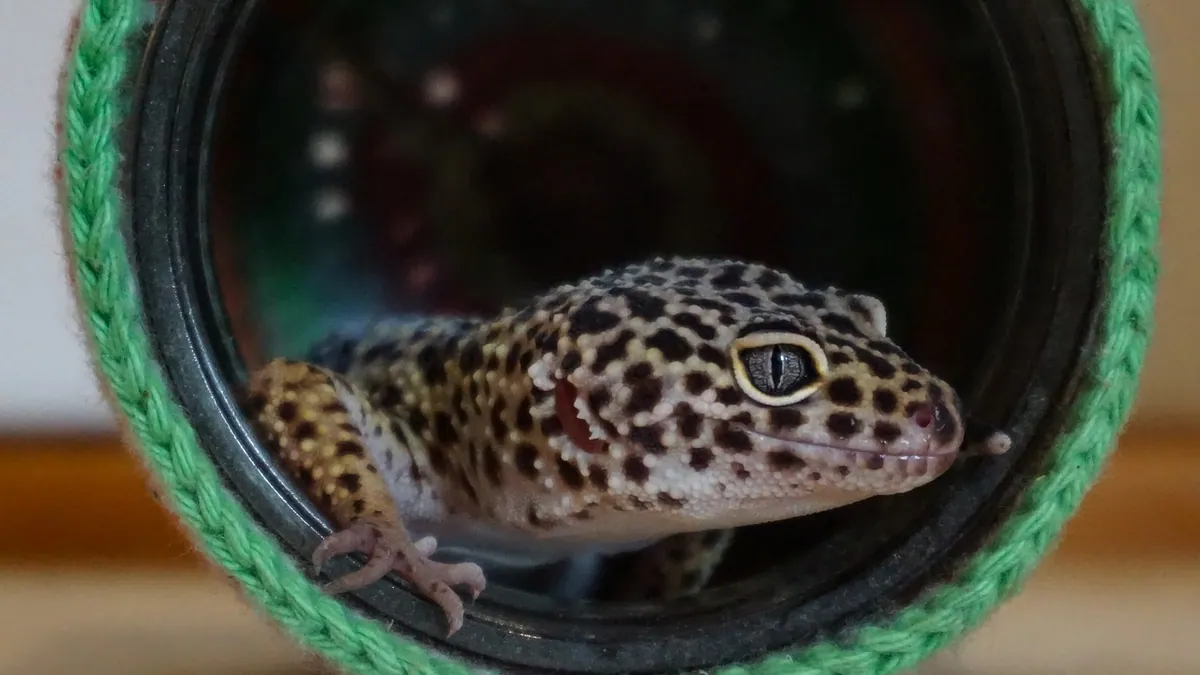
Yes, leopard geckos can carry Salmonella. These bacteria live in the digestive tract of many healthy reptiles without causing any signs of illness, and the gecko usually looks completely normal while shedding the bacteria in its stool [1]. The risk to you comes from contact with the gecko, its waste, or anything in its habitat, so good hygiene is the whole game. This article is educational and is not a substitute for veterinary diagnosis or treatment.
Quick Answer
- Reptiles are natural carriers of Salmonella, and a large review estimated that about 30% of reptiles worldwide test positive for these bacteria [2].
- In one review, Salmonella was found in roughly 37% of lizards tested, and captive reptiles were more likely to shed it than wild ones [1].
- An infected gecko often shows no symptoms at all, so a healthy-looking pet can still pass Salmonella to people [1].
- The main route of infection is hand-to-mouth contact after touching the gecko, its droppings, or its enclosure, so wash your hands with soap and water every time.
- Children under 5, adults over 65, pregnant women, and anyone with a weakened immune system face the highest risk of serious illness and should limit direct contact with reptiles [1].
What Is Salmonella in Reptiles?
Salmonella is a group of bacteria that cause an infection called salmonellosis. In animals, the infection can range from a harmless carrier state to serious gut inflammation or a bloodstream infection [3]. In reptiles, these bacteria are considered part of the normal gut microbiota, meaning the animal can live with them permanently and never act sick [1].
That is the part many owners miss. Your leopard gecko is not "dirty" or poorly cared for if it carries Salmonella. Carriage is normal for reptiles. The bacteria simply pass through the stool, and sometimes they end up on the skin, the cage surfaces, and the water bowl. A study of pet turtles found Salmonella on shell swabs more often than in stool samples, which shows how easily the bacteria spread across an animal's body and its environment [4].
For humans, salmonellosis usually means diarrhea, stomach cramps, and fever that start within hours to days after exposure. Most healthy adults recover on their own, but young children and people with weak immune systems can become severely dehydrated or develop a bloodstream infection.
Do Leopard Geckos Have Salmonella? The Real Numbers
This is the question owners search for most, and the honest answer is that we do not have a leopard gecko specific number. What we do have is strong data across reptiles as a whole.
A large meta-analysis pooled 179 studies covering more than 23,000 reptiles from 56 countries. The overall prevalence of Salmonella was about 30% [2]. A separate review broke this down by group and found Salmonella in about 37% of lizards, compared with 56% of snakes and 34% of tortoises [1]. Captive reptiles shed the bacteria more often than wild-caught ones, which matters because your pet lives in captivity [1].
A study of captive Australian pythons identified 23 Salmonella strains from just 28 snakes, and the strains belonged to many different serovars [5]. Another study of bearded dragons, which are close cousins to leopard geckos in the pet trade, isolated Salmonella phages from 10 of 18 fecal samples, confirming that these lizards commonly carry the bacteria [6].
| Question | What the evidence shows |
|---|---|
| Do leopard geckos carry Salmonella? | Yes, reptiles are recognized reservoirs, and about 30% of reptiles test positive overall [2] |
| Do they always get sick? | No, most are healthy carriers with no signs [1] |
| Can a healthy-looking gecko infect me? | Yes, shedding happens without any symptoms [1] |
| Is it treatable in the gecko? | Antibiotics are controversial because they may increase chronic shedding [3] |
| What actually protects me? | Handwashing and habitat hygiene, every single time |
Signs Owners Notice
The tricky part is that you usually will not notice anything in your gecko. Most carrier reptiles look and behave normally [1]. When Salmonella does cause illness in a reptile, the signs are digestive and often vague. You might see diarrhea, a decreased appetite, weight loss, or lethargy. In severe cases the infection spreads beyond the gut and causes a bloodstream infection, which is a serious problem [3].
Because these signs overlap with many other reptile conditions, including parasites and gut infections, they cannot be sorted out at home. If your gecko has loose stool, is losing weight, or has stopped eating, that deserves a veterinary visit. Two conditions that can look similar are covered in our guides to Leopard Gecko Care: Cryptosporidiosis wasting disease management and Leopard Gecko Cryptosporidiosis: Parasitic Wasting Stick Tail Disease.
The signs you should watch for in yourself are different. Human salmonellosis typically causes diarrhea, abdominal cramps, nausea, and fever. Symptoms usually begin within 6 hours to 6 days of exposure and last 4 to 7 days in otherwise healthy people. Seek medical care if diarrhea is bloody, if you cannot keep fluids down, or if you have a high fever.
Causes and Risk Factors
The bacteria spread through the fecal-oral route. In plain terms, tiny amounts of stool containing Salmonella end up on the gecko's skin, the substrate, the water dish, or your hands, and then reach your mouth. You do not need to touch the droppings directly. Handling the gecko, cleaning the tank, or even touching a surface in the room where the enclosure sits can transfer the bacteria.
A study of pet turtles found Salmonella in 58% of the animals tested, with the highest contamination on the shell surface, followed by the water, then the cloaca [4]. That pattern tells you something useful. The environment around a reptile is just as contaminated as the animal itself, so cleaning matters as much as handwashing.
Several factors raise the risk:
- Age and immune status. Reptile-associated salmonellosis poses the greatest threat to children, and an estimated 6% of sporadic human salmonellosis cases have been linked to direct or indirect reptile contact [1].
- Antibiotic resistance. A study of reptiles and amphibians at a major exotic pet trade hub found that 54.9% of samples shed Salmonella, and 93.3% of the positive samples contained antibiotic-resistant strains [7]. A separate analysis of reptile Salmonella isolates in Florida found resistance genes and virulence factors in the bacteria they studied [8].
- Household setup. Washing the gecko's dishes in the kitchen sink, letting the gecko roam on counters, or handling the gecko right before eating all increase the chance of transfer.
- New or stressed animals. Reptiles in captivity shed more than wild ones, and stress from shipping or poor husbandry may increase shedding [1].
How Salmonellosis Is Diagnosed
In reptiles, diagnosis is confirmed by isolating the bacteria from a sample, usually a stool culture [3]. Your veterinarian may collect a fresh fecal sample or a cloacal swab and send it to a laboratory. Because healthy reptiles can carry Salmonella normally, a positive result does not automatically mean the bacteria are making your gecko sick. The veterinarian has to connect the test result to the animal's signs and overall health.
In people, diagnosis is made by a medical doctor through a stool test. If you or a family member develops diarrhea after handling a reptile, tell your physician about the reptile contact. That detail helps them order the right test.
Treatment Options
Here is where reptile medicine differs from what most owners expect. Antibiotics are used in animals with signs of systemic disease, along with supportive care such as fluids [3]. But their use is controversial because antibiotics may increase the chance that an animal becomes a chronic shedder, meaning it keeps passing the bacteria long term [3].
For a healthy carrier gecko with no symptoms, many veterinarians do not treat with antibiotics at all. The goal becomes managing the animal well and preventing human exposure. If your gecko is genuinely ill, your veterinarian will decide whether antibiotics are appropriate based on the exam, the lab results, and the severity of the disease. The dose is calculated from your pet's weight and health status, so never use leftover or human antibiotics.
Supportive care for a sick reptile often includes keeping the enclosure at the correct temperature, maintaining hydration, and correcting any husbandry problems. Nutrition plays a role in overall health too, and our Leopard Gecko Diet and Feeding Guide covers the basics. If your gecko has a respiratory component to its illness, see Leopard Gecko Care: Respiratory Infection Symptoms & Antibiotic Protocol.
Recovery, Outlook, and Long-Term Management
For the gecko, the outlook depends on whether the infection stays in the gut or spreads. Mild cases often resolve with supportive care. Systemic infections carry a much more guarded prognosis and require aggressive treatment [3].
For your household, the outlook is good if you build hygiene into your routine. Assume your gecko carries Salmonella, whether or not it has ever been tested. That single assumption prevents most problems. Keep the enclosure out of the kitchen and away from food preparation areas. Wash your hands after every contact. Clean the tank with dedicated supplies that never touch your dishes. Supervise children around the gecko and teach them to wash up right away.
If someone in your home is immunocompromised, talk with their doctor about the level of risk before bringing a reptile into the house. Some households decide the risk is manageable with strict hygiene, and others decide a reptile is not the right fit. Both are reasonable choices.
Prevention: The Steps That Actually Work
Prevention is the entire strategy with reptile-associated Salmonella, because you cannot eliminate the bacteria from a healthy carrier.
Hand hygiene. Wash your hands with soap and water for at least 20 seconds after touching your gecko, its food, its water dish, or anything inside the enclosure. Hand sanitizer works in a pinch but soap and water are better when hands are visibly soiled.
Keep reptiles out of the kitchen. Do not wash cages, dishes, or water bowls in the kitchen sink or bathtub. Use a utility sink, a bucket, or an outdoor hose.
Clean on a schedule. Remove droppings daily with disposable gloves or a dedicated tool. Do a full enclosure clean regularly, and disinfect surfaces with a reptile-safe cleaner. Let surfaces dry before returning the gecko.
Separate your supplies. Keep a dedicated sponge, scrub brush, and bucket for the enclosure. Never share them with household cleaning.
Manage contact. Do not kiss your gecko or hold it near your face. Do not let it roam on beds, counters, or tables where food is eaten. Wash any clothing or fabric the gecko touches.
Protect high-risk people. Children under 5, adults over 65, pregnant women, and immunocompromised people should avoid direct handling and should not clean the enclosure [1].
Handle new arrivals carefully. A new gecko should be quarantined away from other reptiles, and everyone should wash hands after contact with the new animal. Our guide to Leopard Gecko Care: Pyramiding & Shell Health Management covers other husbandry issues worth reviewing.
Limitations and When to Contact a Veterinarian
No article can assess your specific gecko or your household risk. Individual cases need a veterinarian who can examine the animal and, when needed, test for Salmonella and other causes of illness.
Contact an exotic animal veterinarian the same day if your gecko has diarrhea that lasts more than a day or two, has stopped eating, is losing weight, or is unusually lethargic. These signs have many possible causes and need a proper workup.
Seek emergency veterinary care if your gecko is unresponsive, has a prolapse, is having seizures, or is struggling to breathe.
For yourself or a family member, see a doctor promptly if diarrhea is bloody, if you have a fever above 102°F, if you cannot keep fluids down, or if symptoms last more than a week. Get emergency medical care for signs of severe dehydration, confusion, or a very high fever. If you suspect a poisoning instead of an infection, call the ASPCA Animal Poison Control Center at (888) 426-4435 or the Pet Poison Helpline at (855) 764-7661.
Frequently Asked Questions
Can I get Salmonella from just holding my leopard gecko?
Yes, contact with the animal itself can transmit the bacteria. Salmonella can be present on the skin and scales, not only in the stool, so handling is a real exposure route [4]. Wash your hands with soap and water immediately afterward, and avoid touching your face before you do.
Should I test my leopard gecko for Salmonella?
Testing is usually not necessary for a healthy gecko with no signs of illness. A positive result would not change much, because carriers are common and antibiotics may increase long-term shedding [3]. Your veterinarian may recommend testing if the gecko is sick or if someone in the home is immunocompromised.
Can antibiotics cure Salmonella in my gecko?
Antibiotics do not reliably clear the bacteria and may make the gecko a chronic shedder [3]. They are reserved for animals with signs of systemic disease, and the decision is made by a veterinarian. Never give your reptile antibiotics without veterinary guidance.
How do I clean my leopard gecko's tank safely?
Remove droppings daily, then do a full clean on a regular schedule using a reptile-safe disinfectant and dedicated tools. Never clean the enclosure or its dishes in your kitchen sink, and wash your hands thoroughly when you finish. Assume every surface in the enclosure is contaminated.
Is my child safe around a leopard gecko?
Children face the highest risk of serious illness from reptile-associated Salmonella [1]. If you keep a gecko in a home with young children, supervise all contact, keep the enclosure out of reach, and make handwashing non-negotiable. Children under 5 should not handle reptiles or clean enclosures.
Related Articles
- Leopard Gecko Diet and Feeding Guide
- Leopard Gecko Care: Respiratory Infection Symptoms & Antibiotic Protocol
- Leopard Gecko Care: Cryptosporidiosis wasting disease management
- Leopard Gecko Care: Pyramiding & Shell Health Management
- Leopard Gecko Cryptosporidiosis: Parasitic Wasting Stick Tail Disease
- Leopard Gecko Tail Drop Care
- Do Bearded Dragons Carry Salmonella? Risks and Prevention
- Do Leopard Geckos Make Good Pets? Pros and Cons
- Do Leopard Geckos Like to Be Held? Handling Tips
- Salmonellosis in Reptilian Pets: Public Health and Diagnostic Challenges
References
- Salmonella in reptiles: a review of occurrence, interactions, shedding and risk factors for human infections. Frontiers in cell and developmental biology, 2023.
- Salmonella prevalence and serovar distribution in reptiles: a systematic review and meta-analysis. Gut pathogens, 2025.
- Salmonellosis in Animals - Digestive System. Merck Veterinary Manual.
- Animal-human interfaces and emerging zoonoses: Salmonella in pet turtles in Concepción, Chile. Frontiers in veterinary science, 2026.
- The faecal microbiome and carriage of Salmonella in Australian captive pythons. FEMS microbiology ecology, 2026.
- Salmonella-specific phages from captive bearded dragons (Pogona vitticeps): temperate traits and temperature-dependent variability in inhibition across isolates. Journal of applied microbiology, 2026.
- Widespread antibiotic-resistant Salmonella in reptiles and amphibians at a global exotic pet trade hub: An emerging zoonotic threat. One health (Amsterdam, Netherlands), 2026.
- Integrative phenotypic and functional genomic characterization of virulence and antimicrobial resistance in Salmonella enterica isolates from reptiles. Frontiers in microbiology, 2026.