Why Does My Bearded Dragon Sit or Sleep in Water?
By Dr. Zubair Khalid, DVM, MS, PhD ·
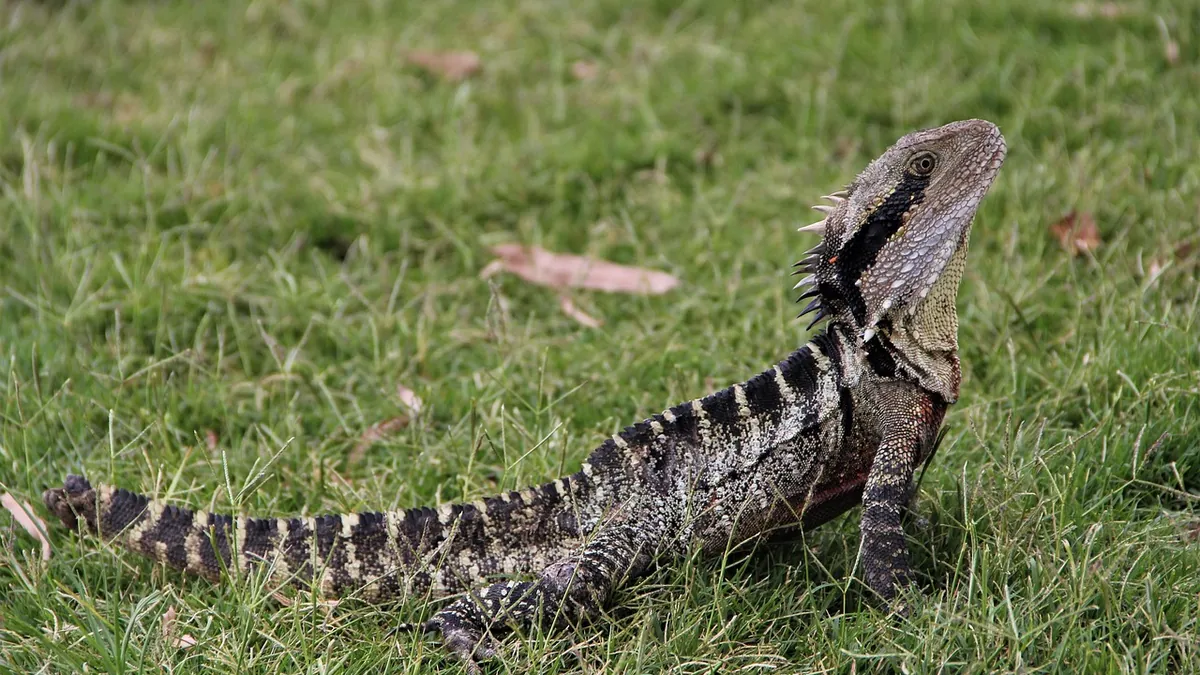
Is it normal for bearded dragons to sit in water? Often, yes. Many healthy bearded dragons soak to drink, to loosen shedding skin, or to pass stool, and some simply seem to enjoy the warmth. It is also normal for bearded dragons to sleep in water on occasion, though a dragon that stays in the water bowl for hours, or one that never leaves it, needs a closer look.
This article is educational and is not a substitute for veterinary diagnosis or treatment.
Quick Answer
- Brief soaks are usually normal. A dragon that wades in, drinks, poops, and climbs out is behaving like a typical bearded dragon.
- Sleeping in water sometimes happens, but it is not ideal. Cool water overnight can drop body temperature, and a dragon that cannot climb out can drown.
- Sitting in water for long stretches can mean dehydration. Reptiles lose water through the skin, and a thirsty dragon may seek out any water source [1].
- A dragon that suddenly starts soaking all day, or that sits in water with its eyes closed and head down, may be sick and needs a veterinary exam.
- Always give your dragon an easy way out of the water, keep the water shallow and lukewarm, and never leave a soaking dragon unattended.
Why Bearded Dragons Sit in Water: The Normal Reasons
Bearded dragons come from dry, arid parts of Australia, so it surprises many owners when their pet parks itself in the water dish. There are several ordinary explanations.
Drinking
Bearded dragons do not always recognize still water in a bowl. Many drink more readily when water moves or when they are partly submerged. Soaking gives them a chance to take in water through the mouth and, to a lesser degree, across the skin. Reptiles vary widely in how much water they lose through the skin, and that variation shapes how often they seek out water [1].
Passing stool
Warm water relaxes the muscles around the vent and softens stool. A dragon that wades in, poops, and climbs out is using the water bowl as a bathroom. If the stool looks unusual, compare it against a healthy bearded dragon poop guide before you worry.
Loosening shed skin
A soak softens stuck shed, especially around the toes, tail tip, and vent. If your dragon has patches of retained skin, a short bath can help. For more on humidity and shedding problems, see this guide to incomplete shedding and humidity.
Cooling down or warming up
Water conducts heat differently than air. A dragon in a warm bath may be warming up, and one in cool water may be trying to shed excess heat. Watch your enclosure temperatures, because a dragon that constantly seeks water to cool off may be too hot.
Simple preference
Some bearded dragons just like water. If yours soaks briefly, acts alert, eats well, and basks normally afterward, there is usually nothing to fix. For background on how wild bearded dragons use their environment, see understanding the wild bearded dragon.
Is It Normal for Bearded Dragons to Lay in Water All Day?
Laying in water for hours is different from a quick soak. It can still be normal in small doses, but long, repeated soaking is a pattern worth investigating.
Dehydration
When a reptile becomes dehydrated, its body works harder to hold onto water. Water loss through the skin is one of the main ways reptiles lose moisture, and hydration status directly affects how much they lose [2]. A dehydrated dragon may sit in water for long periods trying to rehydrate. Dehydration also reduces physical performance in lizards, so a dehydrated dragon may seem sluggish or unwilling to move [3].
Kidney or urinary problems
Reptiles with kidney disease often drink and soak more than usual. If your dragon is soaking constantly and producing very watery or very scant urates, that is a reason to see a veterinarian.
Skin or shedding problems
Retained shed, burns, or skin infections can make a dragon seek out water for relief. Check the belly, toes, and tail for discoloration, swelling, or patches of stuck skin.
Parasites
Intestinal parasites can cause diarrhea and dehydration, which may push a dragon toward the water bowl. A fecal check is a simple, useful part of the workup.
Low enclosure humidity or high heat
If the enclosure is too hot or too dry, a dragon may use the water bowl to self-regulate. Check your temperature gradient and humidity against a proper bearded dragon enclosure setup.
Is It Normal for Bearded Dragons to Sleep in Water?
Occasional dozing in the water bowl happens, especially in a dragon that is already soaking. Repeated sleeping in water is a different story.
Why it can be risky
A sleeping dragon is a relaxed dragon. If the water is deep enough to cover the nostrils, or if the bowl has steep, slippery sides, a sleeping bearded dragon can drown. Water also cools quickly, and a dragon that sleeps in cool water for hours may not reach the body temperatures it needs for digestion and immune function.
Why it can be a symptom
A dragon that chooses to sleep in water instead of on its basking spot may be too hot, too dry, or unwell. It may also be trying to soothe irritated skin. If this is new behavior, treat it as a signal to review the enclosure and your dragon's overall health.
What to do tonight
If your dragon is asleep in water right now, gently lift it out and place it on a warm, dry surface under or near its basking area. Then fix the setup so it does not happen again. A shallow dish with a ramp or a stack of flat rocks inside gives your dragon a safe exit.
When Soaking Becomes a Problem
Soaking crosses from normal to concerning when it changes in frequency, duration, or posture.
Warning signs to watch for
- Soaking for most of the day, every day
- Sleeping in water most nights
- Sitting in water with eyes closed, head down, or limbs splayed
- Refusing food or losing weight
- Sunken eyes, wrinkled skin, or a dull, tented appearance
- Watery stool, no stool, or unusually small urates
- Difficulty climbing out of the bowl
- Skin that looks red, swollen, or infected
Why hydration matters so much
Hydration affects nearly everything a reptile does. In lizards, dehydration reduces sprint speed more than it reduces endurance, which means a dehydrated dragon may look "slow" before it looks sick. In pregnant reptiles, supplemental water improves the hydration of both the mother and her offspring, which shows how directly water access shapes health [2]. Even in amphibians, dehydration produces measurable physical changes, including darkening of the iris, that reverse with rehydration [4]. Your bearded dragon cannot tell you it is thirsty, so behavior is your best clue.
What to Do: A Step-by-Step Plan
Step 1: Check the basics
Measure the basking spot, the cool end, and the humidity. Confirm that your dragon has a clean, shallow water dish it can enter and exit easily. Review the enclosure setup guide if anything is off.
Step 2: Offer a proper bath
Use lukewarm water, no deeper than your dragon's elbows or shoulders, in a container it cannot tip over. Support the body and never leave your dragon alone. A full walkthrough is in how to give a bearded dragon a bath.
Step 3: Track the behavior
Write down when your dragon soaks, for how long, and what it does afterward. Note appetite, stool, shedding, and activity. A simple log helps your veterinarian see patterns you might miss.
Step 4: Improve hydration at the source
Offer fresh water daily. Some dragons drink from a dripper or from misted greens. Feed moist foods like squash and leafy greens. Keep humidity in the correct range for your dragon's age and shedding stage.
Step 5: Add enrichment and safe water access
Provide a shallow dish with a textured ramp, flat rocks, or a gentle slope. Add climbing and digging options so your dragon has reasons to leave the water. A dragon with a rich enclosure is less likely to fixate on one spot.
Step 6: Rule out medical causes
If the behavior persists after you fix the setup, schedule a veterinary visit. Bring your log, a fresh stool sample if you can, and photos of the enclosure.
What Not to Do
Do not punish or startle your dragon
Never spray, tap, or scold a dragon for soaking. Punishment does not change reptile behavior and only adds stress. Stress hormones and immune markers shift measurably in lizards exposed to environmental disturbance, so a calm, predictable environment matters [5].
Do not force a bath
If your dragon panics, stop. Forced soaks can lead to aspiration or injury.
Do not leave deep water unattended
A deep bowl is a drowning risk, especially for juveniles and for dragons that are weak or debilitated.
Do not assume it is "just a phase"
A sudden change in soaking behavior is information. Ignoring it can delay treatment for dehydration, kidney disease, or parasites.
Do not rely on myths
Bearded dragons do not need to soak daily, and they do not absorb enough water through the skin to replace drinking. Soaking is a supplement to good husbandry, not a substitute for it.
When to Involve a Veterinarian or Behavior Professional
Call a veterinarian who treats reptiles if your dragon soaks constantly, sleeps in water most nights, stops eating, loses weight, or shows any of the warning signs above. If your dragon is unresponsive, struggling to breathe, or has been submerged, treat it as an emergency and go now. For behavior that persists after medical causes are ruled out, ask your veterinarian for a referral to a qualified reptile behavior professional.
Limitations and When to Contact a Veterinarian
This article cannot tell you what is happening inside your specific dragon. Individual cases need a veterinarian who can examine your pet, review its history, and run appropriate tests.
Contact a veterinarian the same day if your dragon:
- Soaks all day and refuses food
- Has sunken eyes, wrinkled skin, or a sudden drop in weight
- Produces no stool or very watery stool for more than a day or two
- Cannot climb out of its water dish
- Shows new swelling, redness, or open skin
Go to an emergency clinic now if your dragon:
- Was found submerged or unresponsive
- Is gasping, breathing with its mouth open at rest, or making clicking sounds
- Has a prolapse, seizure, or sudden paralysis
- Cannot right itself
Schedule a routine visit if the soaking is new, mild, and your dragon is otherwise eating, basking, and behaving normally. Your veterinarian can calculate any needed fluid or medication dose based on your dragon's weight and health, so never guess at a dose at home.
Frequently Asked Questions
Is it normal for bearded dragons to lay in water?
Yes, brief laying or soaking in water is normal for many bearded dragons. It becomes a concern when it lasts for hours, happens daily, or comes with appetite loss, weight loss, or unusual stool.
Is it normal for bearded dragons to sleep in water?
Occasional dozing in water can happen, but regular sleeping in water is not ideal. It risks drowning and cooling, and it often points to a problem with temperature, humidity, or health.
Is it OK for bearded dragons to sleep in water?
It is safer to move your dragon out of the water and onto a warm, dry surface. If your dragon keeps returning to sleep in water, check the enclosure and book a veterinary visit.
How long should a bearded dragon soak?
Keep baths short, usually 10 to 15 minutes, and supervise the whole time. Stop sooner if your dragon seems stressed, chilled, or tries to climb out repeatedly.
Can a bearded dragon get dehydrated even with a water bowl?
Yes. Many dragons do not drink from still bowls, and they lose water through the skin. Offer moving water, moist foods, and regular short baths, and watch for sunken eyes or wrinkled skin.
Related Articles
- Understanding the Wild Bearded Dragon: Natural Habitat and Behavioral Insights
- How to Give a Bearded Dragon a Bath
- Bearded Dragon Care: Incomplete shedding dysecdysis and humidity guide
- Bearded Dragon Enclosure Setup, Sizing, and Heating
- Healthy Bearded Dragon Poop: A Veterinary Observation Guide
- Bearded Dragon Lifespan and Common Health Problems
- Do Bearded Dragons Drink Water? Hydration Basics
- Why Is My Bearded Dragon Not Drinking Water?
- Why Is My Bearded Dragon Not Pooping?
References
- Physiological responses and adaptive mechanisms of amphibians and reptiles to multiple interacting environmental stressors: an integrative review. Frontiers in physiology, 2026.
- Flexibility of cutaneous evaporative water loss in response to hydration in pregnant prairie rattlesnakes (Crotalus viridis) and their neonates. The Journal of experimental biology, 2025.
- Dehydration alters sprint speed capacity more than maximal endurance in a terrestrial lizard. The Journal of experimental biology, 2025.
- Eye Darkening Under Dehydration Stress in the Neotropical Frog Boana punctata (Schneider, 1799). Journal of experimental zoology. Part A, Ecological and integrative physiology, 2026.
- Do anthropogenic disturbances affect the stress physiology and immunity of Liolaemus cuyumhue? The case of an endangered lizard from the Monte Desert of Patagonia. Biology open, 2026.