Cat Acting Weird After Shots: Normal Reactions and Red Flags
By Dr. Zubair Khalid, DVM, MS, PhD ·
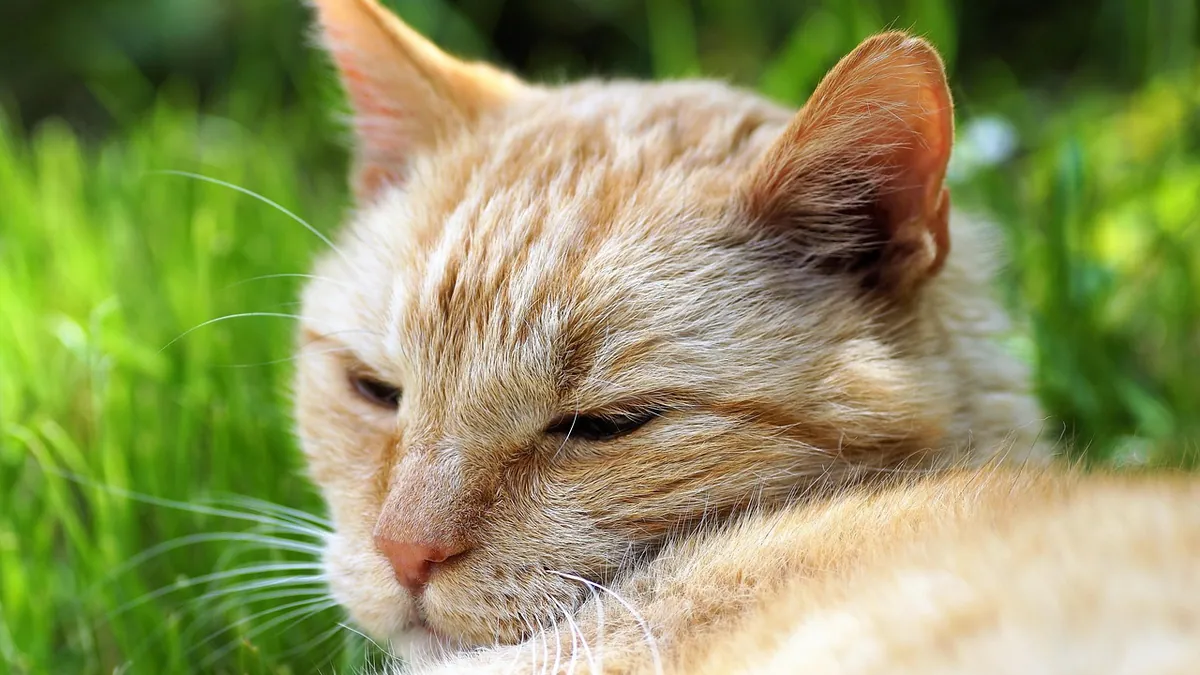
Yes, it is normal for cats to act weird after shots. Most cats are quiet, sleepy, or a little sore for a day or two, and that settles on its own. The danger signs are different: they show up fast, look severe, and need a veterinarian right away.
This article is educational and is not a substitute for veterinary diagnosis or treatment.
Quick Answer
- Mild sleepiness, a low appetite, a tender injection site, and a slightly grumpy mood are common for 24 to 48 hours after vaccination.
- A serious allergic reaction usually starts within seconds to minutes of the injection, not hours later [1].
- Warning signs include vomiting, diarrhea, heavy drooling, pale gums, cold limbs, facial swelling, hives, trouble breathing, wobbling, or collapse [1].
- Facial swelling around the lips, nose, or eyes is more serious than simple hives and can swell enough that your cat cannot open its eyes [1].
- If you see any of those signs, treat it as an emergency and go to a veterinary hospital now.
What Happens at a Vaccine Visit and Why It Matters
A vaccine visit is usually quick. Your veterinarian examines your cat, decides which vaccines are due, and gives one or more injections under the skin, often in a back leg or over the shoulder area. Some cats also get other injections at the same visit, such as a microchip or a deworming product.
Vaccines work by teaching the immune system to recognize a virus or bacteria before your cat ever meets the real thing. That immune response is exactly what causes the mild, short-lived "off" behavior you may see afterward. A sleepy cat after shots is often a cat whose immune system is doing its job.
One common worry is whether anesthesia around the time of vaccination weakens the vaccine. A study of healthy female cats vaccinated against rabies at the end of general anesthesia found that all cats developed protective antibody levels, with no significant difference from cats vaccinated outside the anesthesia period [2]. So if your cat was spayed and vaccinated on the same day, the timing itself is not a reason to expect a weaker response.
Another worry is injection-site sarcoma, a rare cancer that has been linked to injections in cats. Published estimates of how often it happens have varied widely, which has made it hard for veterinarians to give owners a single clear number [3]. That uncertainty is real, and it is one reason your veterinarian may rotate where injections are given and ask you to watch the site afterward.
How to Prepare Before the Appointment
Preparation is mostly about information and logistics.
- Bring a list of any past reactions to vaccines, medications, or insect stings. A previous immediate reaction changes how your veterinarian plans the visit.
- Tell the clinic if your cat has ever had swelling, hives, or breathing trouble after an injection.
- Ask what vaccines are planned and why each one is recommended for your cat's lifestyle.
- Feed your cat normally unless your veterinarian gives different instructions.
- Plan a quiet ride home. A carrier with a familiar towel helps.
- Keep the rest of the day low key. Skip visitors, rough play, and long car trips.
If your cat has a history of severe allergic reactions, your veterinarian may keep your cat for observation after the injection or premedicate before it. In human medicine, a case report describes a woman who had tongue swelling and widespread hives right after a rabies vaccine dose, and her series was stopped. When she later needed rabies protection after a high-risk bite, the vaccine was restarted in a resuscitation area with epinephrine and airway equipment ready, after antihistamine and corticosteroid premedication. She tolerated the doses with only brief localized redness [4]. That report is about a person, not a cat, but it shows the general principle: prior reactions are managed with planning, monitoring, and readiness, not by ignoring them.
What Happens During the Visit
Most vaccine appointments follow a similar pattern.
- Your veterinarian examines your cat, including weight, temperature, heart rate, and overall condition.
- The vaccine is drawn up and injected, usually under the skin.
- The injection site is noted in the medical record so it can be checked later.
- Your cat may be observed in the clinic for a short period, especially if there is any reaction history.
- You get discharge instructions and a reminder of what to watch for at home.
Some clinics keep cats for 20 to 30 minutes after vaccination. That window matters because the most severe reactions show up within seconds to minutes of exposure to the trigger [1]. If something is going to go wrong fast, it usually goes wrong while you are still in or near the building.
Recovery Timeline and Home Care
Most cats are back to normal within a day or two. Use this table as a general guide, keeping in mind that every cat is different.
| Time after vaccination | What you may see | What to do |
|---|---|---|
| First 30 minutes (at the clinic) | Sleepiness, mild grumpiness, normal behavior | Let the clinic observe your cat if they offer it |
| First 2 to 4 hours | Drowsiness, less interest in play, mild soreness at the injection site | Offer a quiet, warm spot and fresh water |
| 12 to 24 hours | Reduced appetite, sleeping more, tenderness when touched near the injection | Keep the day calm, check the site once, note any changes |
| 24 to 48 hours | Gradual return to normal energy and appetite | Resume normal routine as your cat feels ready |
| 48 to 72 hours | Most cats are fully normal | Call your veterinarian if anything still seems off |
| 1 to 3 weeks | A small lump at the injection site may still be fading | Have any lump checked if it is still there or growing |
Home care is simple. Let your cat rest. Keep water available. Offer small, tempting meals if appetite is low. Do not rub or massage the injection site, and do not give any medication, including over-the-counter pain relievers, unless your veterinarian prescribes it and calculates the dose for your cat's weight and health.
If your cat vomits once or has a loose stool and otherwise seems fine, that can happen after a stressful day. If vomiting repeats, or comes with lethargy that is getting worse instead of better, that is a different situation. Our guide to cat vomiting once and acting normal walks through how to tell those apart. Repeated vomiting or diarrhea after eating can also have causes unrelated to the vaccine, which is covered in cat diarrhea after eating.
Is It Normal for Cats to Act Weird After Shots? Normal Reactions vs Red Flags
This is the question most owners are really asking, so it helps to separate the two lists clearly.
Normal reactions
- Sleepiness and low energy for a day or two
- Hiding or wanting to be left alone
- Slightly reduced appetite that returns within about 48 hours
- Mild tenderness or a small, soft lump at the injection site
- A brief change in mood, such as being clingy or irritable
These signs are expected and do not need treatment in most cases.
Red flags that need care now
Anaphylaxis is a rare, life-threatening allergic reaction. It can follow food, an injection, or an insect sting, and the most common signs appear within seconds to minutes of exposure [1]. In cats, those signs include severe breathing difficulty and sudden diarrhea, vomiting, heavy drooling, excitement, incoordination, shock, seizures, coma, and death. The gums look very pale, the limbs feel cold, the heart rate is usually very fast, and the pulse is weak. Facial swelling may occur, along with itching around the face and head [1].
Hives are the least severe type of anaphylactic reaction. They cause small bumps on the skin, often with the hair standing up over them, and they sometimes itch. They generally appear within about 20 minutes of exposure [1]. Swelling of the face, especially the lips, nose, and around the eyes, is more serious, and it can become severe enough that your cat cannot open its eyes [1].
Emergency care for allergic reactions and anaphylaxis in cats has been reviewed in detail by veterinary emergency specialists, who developed treatment recommendations and identified where evidence is still thin [5]. That work is aimed at veterinarians, but the message for owners is straightforward: these reactions are treated as emergencies, and fast care matters.
Call your veterinarian or an emergency hospital immediately if you see:
- Vomiting, diarrhea, or drooling that starts within minutes of the injection
- Hives, bumps, or swelling anywhere on the body
- Swelling of the face, lips, nose, or around the eyes
- Noisy or labored breathing
- Pale gums or cold paws and legs
- Wobbling, collapse, seizures, or unresponsiveness
- A lump at the injection site that is growing, painful, or still present weeks later
If your cat is hiding more than usual and seems off in a way that does not fit the mild pattern above, our article on why a cat suddenly hides and acts weird can help you sort out stress from something medical.
Questions to Ask Your Veterinarian
Bring these to your next visit, or call and ask afterward.
- Which vaccines did my cat receive today, and which are due next time?
- Is my cat at higher risk for a reaction based on history or breed?
- How long should I expect the sleepiness to last for my cat specifically?
- What exactly should I watch for at the injection site, and for how long?
- If a reaction happens at home, should I call you first or go straight to an emergency hospital?
- Should we premedicate or observe longer next time?
- Where will the next injection be given, and does that location need to change?
Write down the answers. It is easy to forget details once you are home and watching your cat.
Limitations and When to Contact a Veterinarian
No article can tell you whether your individual cat is having a normal reaction or a dangerous one. That judgment needs a veterinarian who can examine your cat, check gum color, listen to the heart and lungs, and act quickly if needed.
Contact your veterinarian the same day if your cat is more tired than expected, has refused food for more than a day, has a noticeable or painful lump at the injection site, or just seems wrong in a way you cannot name.
Go to an emergency hospital now if you see vomiting, diarrhea, drooling, hives, facial swelling, breathing trouble, pale gums, cold limbs, wobbling, collapse, or seizures, especially within the first hour after the injection [1]. Do not wait to see if it passes.
Schedule a routine visit if a lump at the injection site is still there after a few weeks, if it is getting bigger, or if your cat seems uncomfortable when the area is touched. Injection-site sarcoma is rare, and incidence estimates have varied widely across published research [3], so any persistent lump deserves a hands-on check.
Frequently Asked Questions
How long does it take for a cat to act normal after shots?
Most cats are back to themselves within 24 to 48 hours. Sleepiness and a low appetite are the last signs to fade. If your cat is still noticeably off after two days, call your veterinarian.
Can a cat have a reaction hours or days after a vaccine?
The most severe allergic reactions happen within seconds to minutes of the injection [1]. Hives typically appear within about 20 minutes [1]. Reactions that show up many hours or days later are usually milder and involve soreness, lethargy, or a lump at the injection site.
Should I let my cat sleep after vaccinations?
Yes, rest is exactly what your cat needs. Keep the environment quiet, make water easy to reach, and let your cat choose where to settle. Wake your cat gently once or twice to check that it responds normally and can walk without wobbling.
What if my cat will not eat after shots?
A mild drop in appetite for a day is common. Offer a small amount of a favorite food and keep water available. If your cat refuses all food for more than 24 hours, or also vomits or seems painful, call your veterinarian.
Can I give my cat anything for pain or swelling after a vaccine?
No. Do not give human pain relievers or any medication unless your veterinarian prescribes it and calculates the dose for your cat's weight and health. Some common human pain drugs are toxic to cats. If your cat seems uncomfortable, call the clinic and ask what is safe.
Related Articles
- Cat Vomiting Undigested Food But Acting Normal
- Why Is My Cat Suddenly Hiding and Acting Weird?
- Why Is My Cat vomiting after eating grass? Normal Behavior vs GI Disease
- Cat Vomiting Once and Acting Normal: When to Monitor and When to Call
- Cat Diarrhea After Eating: Causes and When to Act
- Vaccine Reactions in Dogs and Cats: Anaphylaxis vs Mild Lethargy Triage
- Cat After Vaccine: Normal Reactions and Warning Signs
- Cat After an Injection or Shot: Lumps, Soreness and Reactions
- Cat Limping After a Vaccine: Normal or a Problem?
References
- Disorders Involving Anaphylactic Reactions (Type I Reactions, Atopy) in Cats - Cat Owners. Merck Veterinary Manual.
- Impact of general anaesthesia on immune response to first rabies vaccination in seronegative domestic cats. The Veterinary record, 2025.
- The incidence of vaccine-associated sarcomas in cats: a systematic review and meta-analysis. The Journal of small animal practice, 2026.
- Rabies post-exposure prophylaxis after previous immediate hypersensitivity: A case report. The American journal of emergency medicine, 2026.
- RECOVER Guidelines: First Aid. Evidence, Treatment Recommendations, Knowledge Gap Analysis, and Clinical Guidelines for Acute Allergy and Anaphylaxis in Dogs and Cats. Journal of veterinary emergency and critical care (San Antonio, Tex. : 2001), 2026.