Cat Recovery Suits After Surgery: Do They Work?
By Dr. Zubair Khalid, DVM, MS, PhD ·
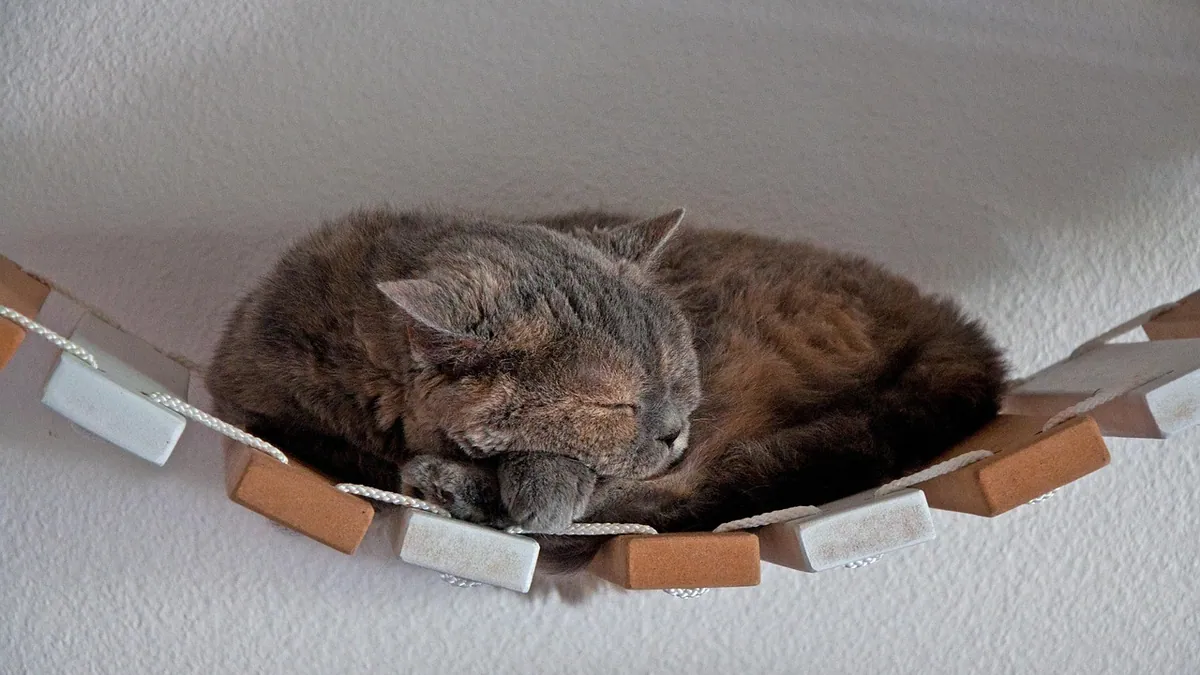
A cat after surgery suit can work well for many cats, and it often beats a cone for comfort and eating. It only works if the suit fits snugly, stays clean, and lets you check the incision every day. If the suit is loose, soiled, or hiding a problem, it does more harm than good.
This article is educational and is not a substitute for veterinary diagnosis or treatment.
Quick Answer
- A recovery suit is a close-fitting fabric garment that covers the belly or flank incision so your cat cannot lick or chew it.
- Suits work best for spay incisions, flank incisions, and other body wounds. They do not protect the eyes, face, paws, or tail.
- Fit matters more than brand. The suit should hug the body without pinching the legs, neck, or armpits, and your cat must be able to walk, squat, and use the litter box.
- Check the incision at least twice daily. Lift or open the suit, look at the skin, and smell the area.
- Switch back to a cone or call your vet if the suit slips, gets wet or dirty, or your cat seems stressed, stops eating, or cannot urinate.
How to Choose and Use a Cat After Surgery Suit
Step 1: Confirm the Suit Fits the Surgery
Ask your veterinarian whether a suit is safe for your cat's specific procedure before you buy one. Suits cover the torso, so they suit abdominal incisions from a spay or gastrointestinal surgery. They do not cover the head, eyes, or paws.
Surgical wounds in cats are managed with careful wound care and monitoring. In a review of 52 cats that had flap reconstruction for wounds, chronic wounds were the most common reason for surgery (53 of 62 reconstructions, 85.5%), and complication rates did not differ significantly between flap types [1]. That tells you wound care after major surgery is a real commitment, and any covering you choose has to allow daily inspection.
Step 2: Measure and Test the Fit
Measure your cat's chest girth just behind the front legs and the length from neck to base of tail. Follow the manufacturer's size chart, then test the suit at home before surgery day if you can.
A good fit looks like this:
- The neck opening lets you slide two fingers under the fabric.
- The leg holes sit in the armpit crease, not cutting into the skin.
- The belly panel lies flat over the incision with no folds or wrinkles.
- The suit stays in place when your cat walks, jumps, and squats.
If the suit bunches at the belly, it can rub the incision. If it is too loose, your cat can pull a leg out and reach the wound.
Step 3: Introduce the Suit Calmly
Put the suit on for short periods before surgery if your cat is scheduled for an elective procedure. Give treats and praise. Most cats adjust within a day or two. Some cats never accept clothing, and that is normal.
Step 4: Build a Litter and Feeding Setup That Works
Use fine, low-dust, non-clumping litter or paper pellets while the suit is on. Clumping litter and long strands of clay can stick to fabric and get dragged into the incision. Keep food and water bowls raised slightly if your cat has trouble reaching the floor in the suit.
Step 5: Set a Daily Care Routine
- Remove the suit at least once daily to inspect the incision, unless your vet says otherwise.
- Check for redness, swelling, discharge, bad smell, or open skin.
- Put the suit back on clean and dry.
- Wash spare suits with fragrance-free detergent and rinse well.
- Keep a cone on hand as a backup.
If your cat had a spay, our guide to Cat Spay Recovery walks through the first two weeks in detail. If your cat is straining in the box or has not passed stool, see Cat Constipation After Surgery: What to Expect and How to Help.
Recovery Suit vs Cone for Cats: Comparison Table
| Feature | Recovery Suit | Cone (Elizabethan Collar) |
|---|---|---|
| Protects belly or flank incision | Yes | Yes |
| Protects eyes, face, paws, tail | No | Partly, depending on shape |
| Eating and drinking | Usually normal | Often messy or blocked |
| Litter box use | Usually normal if fit is right | Usually normal |
| Visibility of the wound | Good if you remove it daily | Good |
| Risk of slipping or soiling | Higher | Lower |
| Stress for most cats | Often lower | Often higher at first |
| Best for | Spay, flank, and body incisions | Face, eye, paw, and tail wounds |
A suit is not a universal upgrade. For eyelid surgery, for example, a suit does nothing. A study of 96 animals (71 dogs and 25 cats) having eyelid and third eyelid surgery found that most procedures went well without routine prophylactic antibiotics, and only two cases of suture dehiscence occurred [2]. That study is about antibiotics, not collars, but it shows that eye surgery needs protection at the eye, which only a cone provides.
Cat Jacket After Surgery: Signs Something Is Wrong
Signs the Suit Is Causing Stress
- Your cat freezes, hides, or refuses to move.
- Panting, drooling, or constant meowing.
- Trying to bite or pull the suit off for hours.
- Not eating or drinking for more than 12 to 24 hours.
- Not using the litter box.
Take the suit off and try a cone if you see these signs. Stress slows healing and can cause other problems.
Signs the Suit Is Hiding a Problem
- A wet or stained patch on the fabric over the incision.
- A bad or sweet smell when you open the suit.
- Swelling, firmness, or heat under the belly panel.
- Redness spreading away from the incision.
- Any gap in the skin or visible tissue.
Surgical site infections are real after major surgery. In 188 cats having gastrointestinal surgery, 20 (10.6%) developed a surgical site infection, and 11 of those 20 (55%) were superficial incisional infections [3]. Those numbers are for GI surgery specifically, but they show why daily wound checks matter. A suit that stays on for days without inspection can hide an infection until it is advanced.
Signs of a Deeper Emergency
- Trouble breathing.
- Pale or blue gums.
- Collapse or extreme weakness.
- No urine for more than 24 hours after surgery.
- Vomiting that will not stop.
These need emergency care right away. Our article on How Long Can A Cat Go Without Peeing After Surgery explains the timeline in more detail.
Kitten Recovery Suit: Special Fit and Safety Notes
Kittens are small, wiggly, and grow fast. A suit that fits on Monday may be too tight by Friday. Check the fit every day.
- Choose a suit with adjustable closures if you can find one in kitten sizes.
- Watch for the suit riding up into the armpits, which causes chafing.
- Kittens play hard. A suit can snag on furniture or toys. Supervise playtime.
- Never leave a suit on a kitten who is trying to climb or jump in a way that could catch the fabric.
If your kitten was just spayed or neutered, see Post-Spay and Post-Neuter Care for Dogs and Cats for a general recovery timeline.
Cat Onesie After Spay: What to Expect
A spay incision sits on the midline of the belly. A onesie covers it well. Most cats tolerate a onesie better than a cone because they can eat, drink, and see normally.
Keep these points in mind:
- The suit must not press on the incision. A snug fit is fine, a tight fit is not.
- Check the incision twice a day. Look for any swelling, discharge, or opening.
- Keep the suit clean. Change it if it gets urine or stool on it.
- Do not bathe your cat until your vet says it is safe.
- Watch for constipation. Some cats hold stool after surgery because the suit feels strange or because of pain medication. See the constipation guide linked above.
If your cat had a more complex procedure, such as perineal urethrostomy for recurrent urethral obstruction, a suit may not be appropriate because the surgical site is near the rear. In a study of 30 male cats having a modified perineal urethrostomy, all cats resumed voluntary urination within 48 hours, two cats (6.7%) had minor wound dehiscence, and one cat (3.3%) developed a stomal stricture that resolved with balloon dilation [4]. That area needs to stay open to air and be checked often, so follow your surgeon's specific instructions.
Common Mistakes Owners Make
- Leaving the suit on for days without checking the wound. Inspect at least twice daily.
- Using a suit for the wrong wound. Suits do not protect eyes, ears, paws, or tail.
- Buying the wrong size. A loose suit lets your cat reach the incision.
- Skipping the cone backup. Keep one at home in case the suit fails.
- Washing with scented detergent. Fragrance can irritate the incision.
- Ignoring stress signals. A miserable cat heals slower.
- Assuming the suit replaces pain medication or follow-up visits. It does not.
Supplies and Setup That Matter for Health
- Two or three suits so you always have a clean one.
- Fine, non-clumping litter or paper pellets.
- A low-sided litter box so your cat can step in easily.
- Fragrance-free laundry detergent.
- A cone as backup.
- A quiet, warm recovery room away from other pets and children.
- A notebook or phone note to track incision checks, appetite, urine, and stool.
Antibiotics are not automatic after every surgery. A study of 188 cats having gastrointestinal surgery found that the absence of perioperative prophylactic antibiotics was linked to the highest surgical site infection rate (52.4%, 11 of 21 cats), while lower rates were seen in cats that received them [3]. Your veterinarian decides whether your cat needs antibiotics based on the procedure, not on whether a suit is used.
Limitations and When to Contact a Veterinarian
A suit is a tool, not a treatment. It cannot fix an infection, control pain, or replace a recheck exam. Individual cases need a veterinarian, and no article can tell you what your cat's incision should look like on day three.
Call your veterinarian the same day if you see:
- Redness, swelling, or warmth at the incision.
- Any discharge, especially yellow, green, or foul-smelling.
- A gap in the skin or visible tissue.
- Your cat licking or chewing at the suit or the wound.
- Not eating for more than 24 hours.
- Vomiting or diarrhea that lasts more than a day.
- The suit is soaked with urine or stool.
Go to an emergency clinic now if you see:
- Trouble breathing or noisy breathing.
- Pale, white, or blue gums.
- Collapse, seizures, or extreme weakness.
- No urine for more than 24 hours.
- Bleeding that will not stop.
- A large amount of swelling that appeared quickly.
Schedule a routine recheck if:
- The suit fits poorly and you need help adjusting it.
- Your cat seems uncomfortable in the suit but the incision looks fine.
- You are unsure whether the wound is healing normally.
If your cat had anesthesia and seems "off" in a way that worries you, our article on Anesthetic Complications in Cats: Recognition and Salvage covers what to watch for.
Frequently Asked Questions
Do recovery suits actually work for cats?
Yes, for many cats and many types of surgery. A suit works when it fits snugly, stays clean, and you check the incision daily. It fails when it is loose, soiled, or left on without inspection.
Is a suit better than a cone for a cat after surgery?
It depends on the wound. Suits are often more comfortable for belly and flank incisions because cats can eat and see normally. Cones are better for face, eye, paw, and tail wounds because a suit cannot cover those areas.
How long should my cat wear a recovery suit?
Your veterinarian sets the timeline, usually until the incision is healed and the sutures or staples are removed. Most spay incisions heal within 10 to 14 days, but your cat's discharge instructions are the final word.
Can my cat use the litter box in a suit?
Yes, if the fit is right. Use fine, non-clumping litter or paper pellets so nothing sticks to the fabric. If the suit gets soiled, change it right away and check the incision for contamination.
What if my cat hates the suit?
Take it off and use a cone instead. Stress can slow healing and cause appetite and litter box problems. Some cats simply will not tolerate clothing, and that is fine as long as the wound stays protected.
Related Articles
- Cat Spay Recovery
- Cat Constipation After Surgery: What to Expect and How to Help
- How Long Can A Cat Go Without Peeing After Surgery
- Post-Spay and Post-Neuter Care for Dogs and Cats
- Anesthetic Complications in Cats: Recognition and Salvage
- Feline Perineal Urethrostomy PU Surgery: Post-Op Care and Complications
- Cat After Surgery: Recovery, Cone Care and Warning Signs
- E-Collar After Cat Surgery: How Long and How to Help
- Cat Stitches Bleeding or Infected: What to Do After Surgery
References
- Retrospective study of axial pattern and subdermal plexus skin flaps in cats: clinical indications, surgical sites, complications and outcomes. Journal of feline medicine and surgery, 2026.
- Reassessing Antibiotic Use in Canine and Feline Eyelid and Third Eyelid Surgeries: An Observational Study Supporting Selective Prophylaxis. Veterinary ophthalmology, 2026.
- Surgical site infection after gastrointestinal surgery in cats: a retrospective single-centre analysis. Journal of feline medicine and surgery, 2026.
- Clinical evaluation of a modified perineal urethrostomy technique in 30 cats: a retrospective observational study. Journal of feline medicine and surgery, 2026.