Cytopoint Injection for Cats: Safety and Side Effects
By Dr. Zubair Khalid, DVM, MS, PhD ·
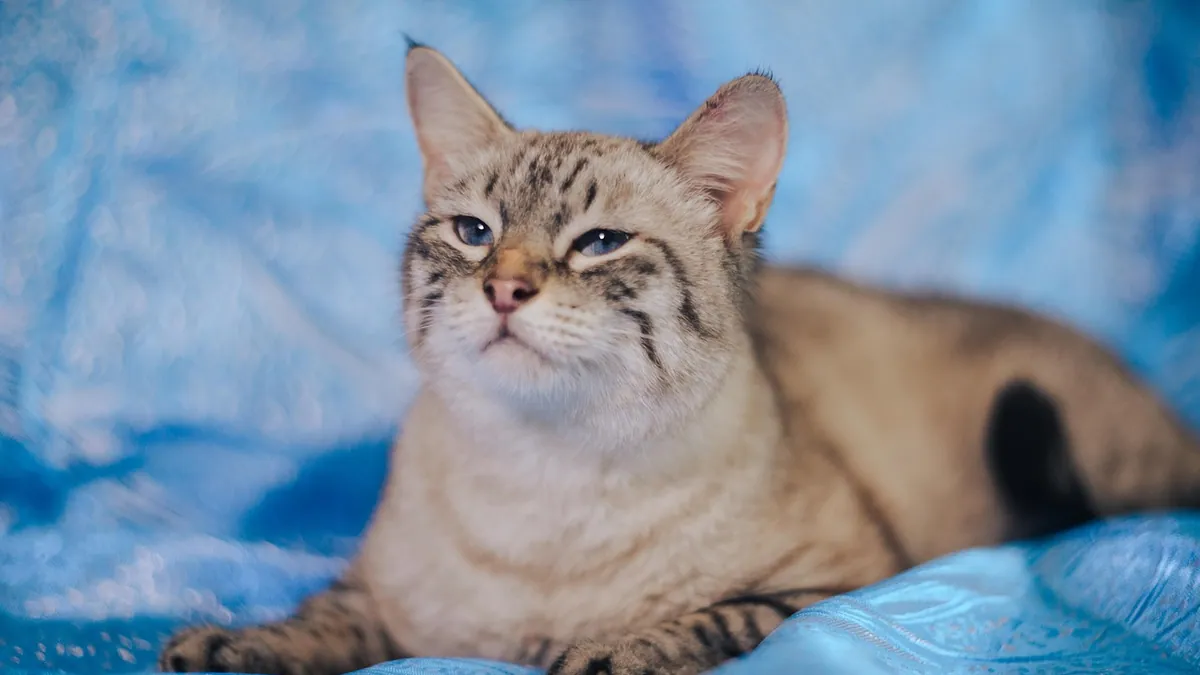
Cytopoint is not approved by the FDA for use in cats, so any injection given to your cat is off-label. Most reports of cytopoint for cats side effects describe mild, short-lived reactions such as sleepiness or a small bump at the injection site. Serious reactions appear to be uncommon, but because the drug is used off-label in cats, the safety data are far thinner than they are for dogs.
This article is educational and is not a substitute for veterinary diagnosis or treatment.
Quick Answer
- Cytopoint (lokivetmab) is FDA-approved for dogs with allergic itch, not cats [1].
- Giving it to a cat is an off-label use, which means your veterinarian is applying judgment based on limited feline data.
- The most common reactions reported after injections in cats are mild and temporary, such as drowsiness, mild swelling, or tenderness where the needle went in.
- There is no published feline dose, so your veterinarian calculates the dose from your cat's weight and health status.
- Call your veterinarian the same day if you see hives, facial swelling, vomiting, or a sudden change in behavior after an injection.
What Is Cytopoint and Why Would a Cat Get It?
Cytopoint is the brand name for lokivetmab, a monoclonal antibody that targets interleukin-31, a chemical messenger involved in the sensation of itch [1]. It was released for small animals in 2017 as an injectable treatment for allergic skin disease in dogs [1]. The active ingredient is described as a caninized anti-canine interleukin-31 monoclonal antibody, which means it was designed around the dog version of that target [1].
That detail matters for cats. A drug built to recognize a canine protein may or may not bind the feline version of the same protein in the same way. Because the manufacturer did not pursue approval for cats, there is no official feline label, no approved feline dose, and no large feline safety database.
So why do some veterinarians still offer it to cats? Cats get itchy skin disease too, and owners often struggle with daily pills, messy topical products, or steroids that can cause problems with long-term use. An injection that lasts weeks is appealing. When a cat cannot tolerate other options or the owner cannot reliably medicate the cat, some veterinarians reach for Cytopoint as an off-label trial. If you are weighing other itch treatments, our guide to cat allergy medication side effects covers what to watch for with the more common options.
Off-label use is legal and common in veterinary medicine. It simply means the drug has not gone through the approval process for that species. Your veterinarian can still prescribe it if they believe the benefits outweigh the risks for your cat.
How Does It Work?
Interleukin-31 is one of the signals the body uses to create the feeling of itch. By binding that signal, lokivetmab is thought to interrupt the itch pathway before it reaches the nerves. In dogs, this reduces scratching without suppressing the immune system the way steroids do.
In cats, the same idea is the basis for off-label use, but the evidence is much weaker. The target protein differs between species, and no published feline studies confirm how well the drug binds or how long any effect lasts. Some veterinarians report that itchy cats improve after an injection. Others report little change. Without controlled feline data, it is hard to predict which cat will respond.
One thing that is clear from feline allergy research is that itch and grooming behavior are tightly linked. Grooming makes up about 4% of a cat's daily activity, and cats with itch-related or psychogenic hair loss groom differently than healthy cats, spending less time on certain body parts [2]. If your cat's overgrooming is driven by allergies, calming the itch signal is the goal. If it is driven by stress or another cause, an itch-blocking injection will not fix it. That is one reason a proper diagnosis matters before any injection.
Dosing Basics for Cats
Who decides the dose?
Your veterinarian does. There is no published feline dose for lokivetmab, so the dose is calculated from your cat's weight and overall health, and it may be adjusted based on how your cat responded to a previous injection. Do not accept a dose based on a dog's weight or a friend's cat.
How is it given?
Cytopoint is given as an injection under the skin, usually in the scruff or another area of loose skin. It is not a pill, a liquid you give at home, or a topical product. You will need to bring your cat to the clinic for each dose.
What if a dose is missed or late?
Because there is no approved feline schedule, your veterinarian sets the interval. Many injections for allergic itch are spaced weeks apart, and the timing depends on when your cat's signs return. If you miss an appointment, call the clinic. Do not double up or try to stretch the interval on your own. If your cat is on other allergy medications, ask whether those should continue, since some cats need a bridge treatment while an injection takes effect.
Cytopoint for Cats Side Effects: What to Watch For
The honest answer is that feline safety data are limited. Most of what veterinarians know comes from experience and from how the drug behaves in dogs. In cats, reported reactions tend to be mild and short-lived. The table below separates the common from the serious.
| Side effect | How common or serious | What to do |
|---|---|---|
| Sleepiness or quieter behavior | Common and mild, usually settles within a day or two | Let your cat rest, keep water available, call the vet if it lasts more than 48 hours |
| Small bump, swelling, or tenderness at the injection site | Common and mild | Watch it, do not squeeze or massage it, call if it grows, drains, or is painful |
| Mild vomiting or soft stool | Uncommon and usually brief | Offer small meals, call the vet if vomiting repeats or your cat stops eating |
| Hives, facial swelling, or severe itching right after the injection | Uncommon but serious | This is an emergency, call the clinic or an emergency hospital immediately |
| Trouble breathing, collapse, or extreme weakness | Rare but life-threatening | Go to an emergency hospital now |
| Return of itch before the next dose is due | Expected with any itch treatment | Call the vet to discuss timing, do not give extra doses |
Because the drug is off-label in cats, any reaction is worth reporting to your veterinarian. Reports from owners help build the picture that formal studies have not yet provided. If your cat also takes other medications for skin or allergy problems, review our article on cat prednisolone for allergies so you know which side effects belong to which drug.
Who Should Not Receive It, and What Interacts With It?
There is no official list of cats who should not receive lokivetmab, because there is no feline approval. In practice, veterinarians tend to be cautious with cats who have a history of severe reactions to injections, cats with active serious illness, and cats who are pregnant or nursing, since no feline safety data exist for those groups.
Drug interaction information for cats is also lacking. Monoclonal antibodies like lokivetmab are generally not processed by the liver the way many drugs are, so major interactions are not expected based on how the drug works. That said, your veterinarian still needs a complete list of everything your cat takes, including steroids, cyclosporine, antihistamines, supplements, and flea or parasite preventives. Some of these can affect itch, and some can add their own side effects on top of the injection.
Tell your veterinarian about any past vaccine reaction, any reaction to a previous Cytopoint injection, and any chronic condition such as kidney disease, heart disease, or diabetes. That information shapes the decision more than any label does.
Overdose and When to Call for Help
An overdose would most likely happen if a cat received a dose calculated for a much larger animal, or if a cat got into a vial. Because there is no published feline safety margin, treat any suspected overdose as an emergency. Call your veterinarian right away, or contact a pet poison control service. Have your cat's weight, the product name, and your best estimate of the amount and time ready before you call.
Signs that warrant an immediate call include repeated vomiting, wobbliness, collapse, difficulty breathing, swelling of the face or throat, or a sudden drop in energy that does not improve. Do not wait to see if it passes. Reactions to injected drugs can progress quickly, and early treatment is easier than late treatment.
Limitations and When to Contact a Veterinarian
The biggest limitation is simple. Cytopoint is not approved for cats, and the safety information for cats is far less complete than it is for dogs. That does not automatically make it dangerous, but it does mean you and your veterinarian are making a judgment call without the same evidence base you would have for an approved feline product.
Contact your veterinarian the same day if you notice hives, facial swelling, vomiting, diarrhea, a growing or draining bump at the injection site, or a clear change in behavior or appetite after an injection.
Go to an emergency hospital now if your cat has trouble breathing, collapses, has a seizure, or shows severe weakness or unresponsiveness.
Schedule a routine visit if the itching is not improving, if it returns sooner than expected, or if you want to review whether an off-label injection is still the right choice for your cat.
Every cat is different, and individual cases need a veterinarian who can examine your cat, review the full history, and weigh the options with you.
Frequently Asked Questions
Is Cytopoint safe for cats?
It is used off-label in cats, so there is no official safety guarantee. Reported reactions in cats are usually mild and short-lived, but the feline data are limited compared with dogs. Your veterinarian can help you decide whether the potential benefit is worth the uncertainty for your cat.
How long does Cytopoint last in a cat?
No published feline duration exists, so your veterinarian will judge the interval based on your cat's response. Some cats itch again within a few weeks, and others go longer. If the effect fades early, tell your veterinarian instead of waiting for the next scheduled appointment.
Can Cytopoint make my cat sleepy?
Sleepiness or a quieter-than-usual day is one of the reactions owners report after an injection. It usually settles within a day or two. If your cat seems unusually dull, will not eat, or does not perk up, call your veterinarian.
Can I give my cat a Cytopoint injection at home?
No. It is a prescription injection given by a veterinarian in a clinic setting. Giving it at home means you cannot monitor for a reaction in a controlled environment, and dosing errors are more likely without a veterinary weight and assessment.
What should I do if my cat has a reaction after the injection?
Call your veterinarian right away and describe what you are seeing, including the timing. For hives, facial swelling, breathing trouble, or collapse, go to an emergency hospital immediately. Mild sleepiness or a small injection-site bump can usually be monitored at home with a phone call to the clinic.
Related Articles
- Cat Allergy Medication Side Effects: What to Watch For
- Cat Prednisolone for Allergies: Side Effects and Safe Use
- Cat Urinary Tract Infection Side Effects
- What Are the Side Effects of Seizure Medication in Cats?
- Dog Cytopoint: What to Expect and How It Works
- What Are the Side Effects of Gabapentin for Cats?
- Is There a Cytopoint for Cats? What Owners Need to Know
- Cyclosporine for Cats: Side Effects and Allergy Use
- Zyrtec for Cats Side Effects and Safety
References
- New drugs for small animals in 2017. Tierarztliche Praxis. Ausgabe K, Kleintiere/Heimtiere, 2018.
- Exploring Normal to Abnormal Variations of Grooming Behaviours in Cats. Veterinary dermatology, 2026.