Is Quick Heal Safe for Dogs to Lick or Swallow?
By Dr. Zubair Khalid, DVM, MS, PhD ·
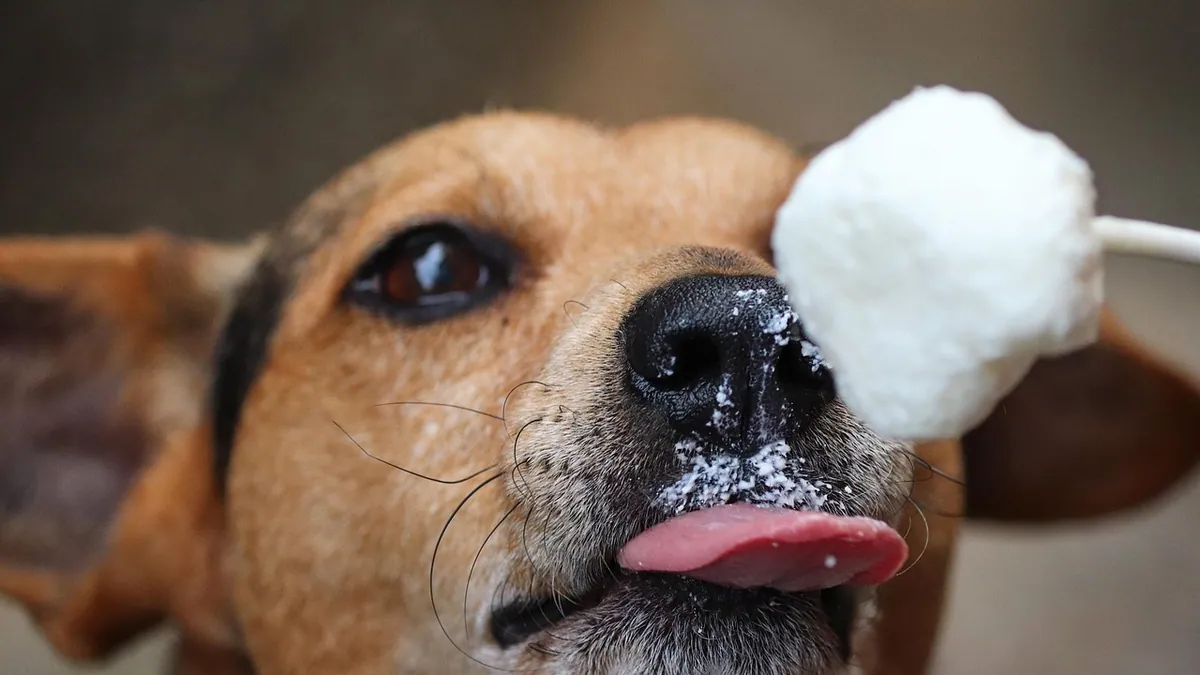
Is Quick Heal safe for dogs to lick? In most cases, no. Quick Heal and similar over-the-counter antiseptic ointments are made for human skin, and some of their common ingredients can cause vomiting, drooling, wobbliness, or worse if your dog licks or swallows them. A tiny lick of plain antibiotic ointment is often not an emergency, but you should always check with your veterinarian before putting any human product on your dog [1].
This article is educational and is not a substitute for veterinary diagnosis or treatment.
Quick Answer
- Quick Heal is a human antiseptic ointment, not a veterinary product, and it is not designed for dogs to lick or swallow.
- Small amounts of plain antibiotic ointment are usually not dangerous, but ingestion should still be prevented [1].
- Ingredients like zinc, lidocaine, hydrocortisone, and essential oils are the ones most likely to cause problems.
- If your dog swallowed a large amount or is showing symptoms, call your veterinarian or a pet poison hotline right away.
- For minor cuts and scrapes, ask your vet which pet-safe wound care product to use instead.
What Is Quick Heal and What Do Veterinarians Use It For?
Quick Heal is a brand of over-the-counter antiseptic ointment sold for human use. It typically contains a topical antibiotic, a soothing base like petrolatum, and sometimes additional ingredients such as a pain reliever, a steroid, or zinc. These products are meant to reduce bacteria on minor human cuts, scrapes, and burns.
Veterinarians do sometimes recommend human antibiotic ointments for minor wounds on dogs, but only with specific instructions and only when the dog cannot lick the area [1]. The problem is not usually the antibiotic itself. The problem is everything else in the tube, plus the fact that dogs lick their wounds far more than people do.
If your dog has a wound it will not leave alone, that licking can turn a small scrape into a bigger problem. Chronic licking can lead to raw, infected, or hairless patches, which is a separate issue from the ointment itself. You can read more about that pattern in Dog Licking Paws Until Raw and Dog Licking Paws Until They Are Raw And Hair Loss.
How Does Quick Heal Work?
Antiseptic ointments work in two ways. The antibiotic ingredient kills or slows bacteria on the skin surface, and the thick petrolatum base seals the wound and keeps it moist. Keeping a wound moist supports healing, which is why topical dressings are used after surgery in dogs [2].
That same occlusive base is part of the problem for dogs. It stays on the skin, tastes appealing to some dogs, and encourages licking. Once your dog licks it off, the medicine is no longer on the wound, and whatever it swallowed is now in the stomach.
Different antiseptic ingredients also behave differently on dog skin. Studies in dogs have compared polyhexanide, chlorhexidine, povidone-iodine, hypochlorous acid, and ozonated water for wound and skin antisepsis [3][4][2]. These are veterinary-relevant antiseptics, and your veterinarian can tell you which one fits your dog's wound. A human combination ointment from the drugstore is a different product with different risks.
Is Quick Heal Safe for Dogs to Lick? Ingredient by Ingredient
This is the question most owners actually have, so here is the breakdown.
Plain antibiotic ointment (neomycin, bacitracin, polymyxin B)
Small doses of plain antibiotic ointment are not considered dangerous if a dog licks them [1]. That does not make it a treat. It means a single small lick is unlikely to cause serious harm. Repeated licking, or a dog eating the whole tube, is a different situation and needs a call to your vet or a poison hotline.
Zinc oxide
Zinc oxide is common in diaper creams and some healing ointments. Dogs that eat zinc-containing products can develop zinc toxicosis, which can damage red blood cells and cause vomiting, diarrhea, or lethargy. This is a real emergency, not a wait-and-see situation.
Lidocaine and other numbing agents
Lidocaine is absorbed through the mouth and gut and can cause wobbliness, vomiting, tremors, or heart rhythm problems in dogs. Dogs are more sensitive to this than people are. Any ointment labeled "pain relieving" or "plus" should be kept away from your dog.
Hydrocortisone
Hydrocortisone is a mild steroid. A small lick is usually not a crisis, but dogs that eat steroid creams can develop vomiting, diarrhea, or increased drinking and urination. Long-term exposure can suppress the immune system.
Essential oils and herbal additives
Some natural ointments contain tea tree, eucalyptus, peppermint, or citrus oils. These can cause drooling, vomiting, wobbliness, and in larger amounts, liver or neurologic problems in dogs. Natural does not mean safe for pets.
Preservatives and carriers
Propylene glycol, parabens, and similar inactive ingredients are generally low risk in the tiny amounts found in a lick of ointment. The active ingredients are the bigger concern.
Dosing Basics for Dogs
There is no standard Quick Heal dose for dogs. Your veterinarian decides whether a topical antibiotic is appropriate, which product to use, how much to apply, and how often. The dose is calculated from your dog's weight, the size and location of the wound, and your dog's overall health.
How it is applied
Your vet will tell you how to clean the wound first, how thick to apply the ointment, and whether to cover it. In most cases, the area needs to be kept away from your dog's mouth. An Elizabethan collar, a wound cover, or a light bandage may be needed. If your dog can reach the wound, it will lick the ointment off, and the treatment will not work [1].
What if you miss a dose
If you miss a scheduled application, apply it when you remember unless it is almost time for the next one. Do not double up. If you are not sure what to do, call your veterinarian's office and ask.
What if your dog licks it off
Wipe the area gently with a damp cloth, check for symptoms, and call your vet or a poison hotline if your dog swallowed more than a tiny lick or is acting strange. Do not induce vomiting unless a veterinary professional tells you to.
Side Effects of Quick Heal in Dogs
| Side effect | How common or serious | What to do |
|---|---|---|
| Drooling, lip smacking, nausea | Common after licking, usually mild | Wipe the mouth, offer water, monitor for 1 to 2 hours |
| Vomiting or diarrhea | Common with larger ingestion, moderate | Call your vet if it happens more than once |
| Wobbliness, stumbling | Serious, seen with numbing agents | Call your vet or poison control right away |
| Tremors or seizures | Rare but serious | Emergency visit now |
| Redness, swelling, or itching at the wound | Possible allergic reaction, moderate | Stop the product and call your vet |
| Lethargy, pale gums, dark urine | Rare, seen with zinc toxicosis | Emergency visit now |
Who Should Not Use Quick Heal
Dogs with known allergies to any ingredient in the ointment should not use it. Dogs with deep puncture wounds, bite wounds, or wounds that need surgical cleaning should not be treated at home with a human ointment. Dog bite wounds often carry heavy bacterial loads, and these wounds need proper debridement and veterinary antiseptic care, not a drugstore cream [3].
Dogs with liver, kidney, or heart disease should only use topical products cleared by their veterinarian. Puppies, senior dogs, and dogs on other medications are also higher risk.
Drug interactions
Topical ointments can interact with other treatments. If your dog is on oral antibiotics, steroids, seizure medication, or heart medication, tell your veterinarian before applying anything to the skin. Some ingredients are absorbed through broken skin and can add to the effects of drugs your dog is already taking.
Overdose and When to Call for Help
If your dog ate a small lick of plain antibiotic ointment and is acting normal, monitor it closely for a few hours. If your dog ate a large amount, chewed up the tube, or swallowed a product with zinc, lidocaine, hydrocortisone, or essential oils, call for help right away.
Call your veterinarian first. If they are closed, call a pet poison hotline. Have the product tube with you so you can read the ingredients out loud. Tell them your dog's weight, how much you think was eaten, and when it happened.
Do not wait for symptoms to start before calling. Some of these ingredients cause problems hours after ingestion, and early treatment is easier.
Safer Wound Care Alternatives for Dogs
For minor scrapes, your veterinarian may recommend a pet-safe antiseptic instead of a human combination ointment. Veterinary studies have looked at polyhexanide, chlorhexidine, povidone-iodine, hypochlorous acid, and ozonated water for wound and skin antisepsis in dogs [3][4][2]. These are the kinds of options your vet can choose from.
One study of post-surgical wounds in dogs found no significant difference in healing between polyhexanide, chlorhexidine, povidone-iodine, and saline, and concluded that keeping the wound moist was the main factor supporting good tissue healing [2]. That is a useful reminder. A clean wound, kept moist with the right product, and protected from licking often heals well.
If your dog's wound care keeps turning into a licking problem, the licking itself may be the real issue. You can read more about that in Dog Licking Paws Until Sore and Dog Licking Paws Medicine.
Limitations and When to Contact a Veterinarian
This article covers general information only. Your dog's individual case needs a veterinarian who can examine the wound, check for infection, and decide on treatment.
Call your veterinarian the same day if your dog licked a small amount of ointment and has mild drooling, one episode of vomiting, or a slightly upset stomach.
Go to an emergency clinic now if your dog has repeated vomiting, tremors, seizures, wobbliness, collapse, pale gums, dark urine, or trouble breathing. Also go now if your dog ate a product containing zinc, lidocaine, or essential oils, even if it seems fine so far.
Schedule a routine visit if a wound is not healing, is getting redder or more swollen, or if your dog will not stop licking it. Wounds that are not healing can hide infection or a foreign body.
Frequently Asked Questions
Is Quick Heal safe for dogs to swallow?
A tiny lick of plain antibiotic ointment is usually not dangerous, but swallowing a larger amount is not safe [1]. Products with zinc, lidocaine, hydrocortisone, or essential oils carry higher risk. Call your veterinarian or a pet poison hotline if your dog swallowed more than a small lick.
Can I put Neosporin on my dog?
Only with your veterinarian's approval and instructions [1]. Even then, you must prevent your dog from licking it off, or the treatment will not work and your dog will swallow the ointment. Ask your vet for a pet-specific alternative if licking is likely.
What should I do if my dog licked antibiotic ointment?
Wipe the area with a damp cloth, check the ingredient list, and watch your dog for drooling, vomiting, or wobbliness. If the product contains a numbing agent, steroid, zinc, or essential oils, call your vet or a poison hotline right away. If it was plain antibiotic ointment and your dog seems normal, monitor for a few hours.
How long do symptoms take to show up after a dog eats ointment?
Mild stomach upset often shows up within 30 minutes to a few hours. Neurologic signs from numbing agents can appear quickly, while zinc toxicosis can take a day or more to become obvious. Do not wait for symptoms if your dog ate a large amount or a high-risk ingredient.
Are natural or herbal antiseptic ointments safer for dogs?
No. Essential oils like tea tree, eucalyptus, peppermint, and citrus can cause drooling, vomiting, wobbliness, and more serious problems in dogs. Plant-based topicals are being studied for some skin conditions in dogs, but they still need veterinary guidance [5]. Ask your vet before using any herbal product on your dog.
Related Articles
- Dog Licking Paws Until Sore
- Dog Licking Paws Medicine
- Dog Licking Paws Until Raw
- Dog Licking Paws Cure
- Dog Licking Paws Until They Are Raw And Hair Loss
- Dog Licking Paws Cancer
- Can Dogs Lick Hydrocortisone Cream? Safety Guide
- Paw Balm and Lotion for Dogs: Safe Use and Licking Risks
- How to Tell If Your Dog Swallowed Something Dangerous
References
- My Dog Ate Neosporin Is It Safe. Pet Poison Helpline.
- The use of topical antiseptic solutions in the healing process of post-surgical skin wounds in dogs (Canis lupus familiaris). Acta cirurgica brasileira, 2025.
- Dog- to- dog bite wound management - Comparison of the antiseptic efficacy of polyhexanide and hypochlorous acid with regard to reducing the use of antibiotics: A randomized clinical trial. Veterinary journal (London, England : 1997), 2026.
- Evaluation of the Preoperative Antiseptic Efficacy of Ozone on Dog Skin in Comparison with Traditional Methods. Veterinary sciences, 2025.
- Efficacy of Plant Extract-Based Solutions Compared to Chlorhexidine and Miconazole Shampoo for the Treatment of Superficial Pyoderma in Dogs. Veterinary medicine and science, 2025.