Paw Balm and Lotion for Dogs: Safe Use and Licking Risks
By Dr. Zubair Khalid, DVM, MS, PhD ·
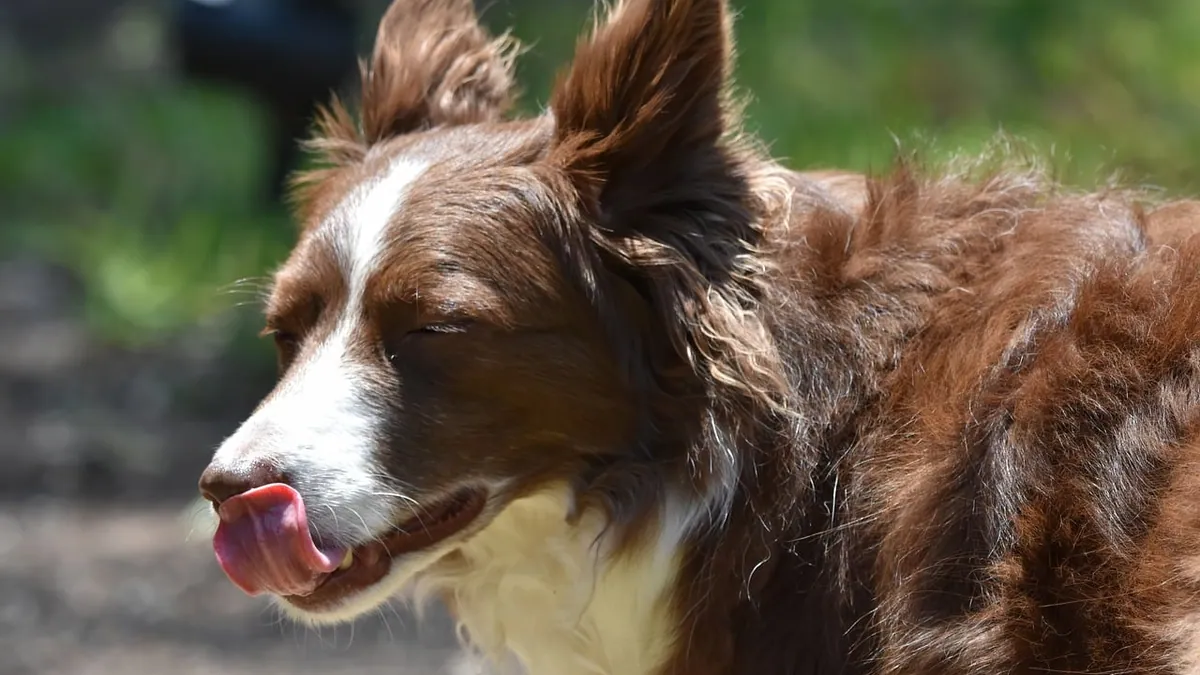
Dog paw lotion can help dry, cracked pads feel better, and most pet-safe balms are fine if your dog licks a little off. The bigger risks come from human lotions and ointments that contain zinc oxide, plus any product applied to paws that are already infected or bleeding. This article is educational and is not a substitute for veterinary diagnosis or treatment.
Quick Answer
- Pet-specific paw balms made for dogs are generally safe if licked in small amounts, but human hand lotion is not a good substitute.
- A&D ointment is safe for dogs only in moderation and under supervision, and it can cause problems if your dog ingests it [1].
- Zinc oxide is the ingredient to watch for. It appears in some A&D formulations and in many diaper creams and human sunscreens [1].
- Apply a thin layer, massage it in, and distract your dog for 10 to 15 minutes so the product absorbs before licking starts.
- If paws are red, swollen, oozing, or painful, stop using balm and call your veterinarian. Lotion will not fix an infection or allergy.
What Is Dog Paw Lotion and When Do You Need It?
Dog paw lotion, also sold as dog paw wax, dog paw cream, or dog paw butter, is a topical moisturizer made for the paw pads. The names are mostly marketing. What matters is the ingredient list and whether the product is labeled for dogs.
Paw pads get dry from hot pavement, cold snow, ice melt, rough concrete, and repeated licking. A moisturizer can help when the pad surface is dry and intact. A topical emollient balm used twice daily for 60 days significantly improved dermatological scores in dogs with nasal hyperkeratosis, a condition where skin becomes thick and dry [2]. That study looked at noses, not paws, but it supports the general idea that a well-formulated emollient can soften and improve dry, thickened skin with consistent use.
What lotion cannot do is treat the cause of licking. If your dog is chewing paws because of allergies, fleas, pain, or anxiety, moisturizer only covers up the surface problem. For that side of things, see Dog Licking Paws A Lot.
Which Ingredients Are Safe and Which Are Toxic if Licked
Ingredients generally considered safe in dog paw products
- Petrolatum and lanolin, the base of many ointments and balms [1]
- Shea butter, coconut oil, beeswax, and similar emollients in dog-labeled products
- Dimethicone, a silicone that helps hold moisture in the skin [1]
Ingredients to avoid on paws
- Zinc oxide. It is the active ingredient in many diaper creams and some A&D ointments, and it is not meant to be eaten [1]. A dog who licks a zinc oxide product repeatedly can get a stomach upset, and large ingested amounts are a poisoning concern.
- Human anti-itch creams with hydrocortisone or other steroids. These are not made for dogs, and the dose absorbed through paw skin or swallowed is not controlled.
- Human lotions with fragrance, alcohol, or essential oils. These can sting cracked pads and many essential oils are toxic to dogs when ingested.
- Medicated human ointments with pain relievers such as lidocaine or camphor.
A&D ointment sits in a middle zone. It is safe for dogs when applied in moderation and under supervision, but it can be harmful if applied carelessly or if your dog ingests it [1]. Formulations vary. Some contain petrolatum and lanolin, while others use zinc oxide and dimethicone, and almost all contain cod liver oil [1]. Read the label every time, because the same brand can sell different versions.
If your dog has a diagnosed skin condition such as atopic dermatitis, your veterinarian may prescribe a specific topical anti-inflammatory. In a study of dogs with nonseasonal atopic dermatitis, adding a 0.015% triamcinolone acetonide spray to lokivetmab injections significantly reduced severity and redness scores by day 14 compared with the injection alone [3]. That is a prescription product, not an over-the-counter paw balm, and the dose and duration are set by your veterinarian.
How to Apply Dog Paw Lotion Without Triggering More Licking
- Clean the paws first. Wipe off dirt, salt, and ice melt with a damp cloth, then dry thoroughly. Product applied over grit can trap irritants against the pad.
- Check the pads before you apply anything. Look for cuts, foreign objects, swelling, discharge, or a bad smell. Do not apply balm to broken or infected skin.
- Warm a small amount between your fingers. A pea-sized amount per paw is plenty for most dogs. More product means more to lick off.
- Massage it into the pad and the edges of the paw, not the top of the foot or between the toes. Hair holds product and gives your dog something to chew at.
- Distract your dog for 10 to 15 minutes. A chew toy, a short training session, or a meal works well. Absorption time reduces how much is left on the surface.
- Consider a cone or booties if your dog is a determined licker. A soft cone for the first few applications is a reasonable compromise.
- Wash your own hands after applying. This keeps you from transferring product to your eyes or food.
If your dog is already licking paws raw, a balm alone will not stop it. Start with Dog Licking Paws Raw Remedies and talk to your veterinarian about the underlying cause.
Application Schedule and Product Comparison
| Situation | How often to apply | Product type | Watch for |
|---|---|---|---|
| Mild dryness, no redness | Once daily, or twice in winter | Pet-labeled balm or wax | Licking after application |
| Cracked pads after hikes or hot pavement | Twice daily for 5 to 7 days | Pet-labeled balm, thicker formula | Cracks that do not close |
| Thick, hardened pads | Twice daily, ongoing | Emollient balm, similar to hyperkeratosis care [2] | No improvement after 30 days |
| Red, swollen, or oozing paws | Do not apply balm | See your veterinarian | Pain, odor, discharge |
| Allergic skin disease | Only products your veterinarian approves | Prescription topical if prescribed [3] | Increased redness or itching |
A reasonable routine is to apply balm at night, right before your dog settles down to sleep. Licking is less likely when your dog is resting, and the product has hours to work.
Signs Something Is Wrong
Stop using the product and call your veterinarian if you see any of these:
- Increased redness, swelling, or heat in the paw after application
- Your dog licks or chews the paw more than before you applied the balm
- Vomiting, diarrhea, drooling, or loss of appetite after licking a product off
- A pad that is cracked open, bleeding, or has a visible foreign object
- Limping or reluctance to walk on the paw
- A bad smell or discharge between the toes
- No improvement after 2 to 4 weeks of consistent use
Some of these point to infection, a foreign body, or an immune condition. A moisturizer will not fix any of them, and continuing to apply it can delay treatment.
Common Mistakes Owners Make
- Using human hand lotion or body cream. These are made for human skin and often contain fragrance, alcohol, or ingredients not meant to be swallowed.
- Assuming all A&D ointment is the same. The zinc oxide versions carry different risks than the petrolatum and lanolin versions [1].
- Applying too much product. A thick layer sits on the surface and invites licking.
- Skipping the exam. Balm on an infected paw traps moisture and bacteria.
- Using medicated human creams for itching. Steroid creams and pain-relieving ointments are not dosed for dogs.
- Ignoring the licking itself. Paw licking is often a symptom, not a habit. See Dog Licking Paws Excessively: When to Worry and What to Do.
- Forgetting sun protection on light-colored noses and thin-haired areas. UV light is a recognized risk factor for dermal hemangiosarcoma and squamous cell carcinoma in dogs, and these tumors often form on sparsely haired areas like the nose and belly [4]. Paw balm is not sunscreen.
Supplies and Setup That Matter
Keep a small kit together so paw care is quick and consistent:
- A pet-labeled paw balm or wax with a short ingredient list
- Unscented baby wipes or a damp cloth for cleaning
- A soft towel for drying
- A cone or a pair of dog booties for heavy lickers
- A small treat pouch for distraction during application
- A note on your phone or calendar to track how often you apply and what you see
Store balms out of reach. A dog who eats an entire tin of ointment is a different problem than a dog who licks a thin layer off a paw. If that happens, call your veterinarian or a pet poison hotline right away.
One more supply note. If your dog has a skin infection and your veterinarian recommends a chlorhexidine product, follow the instructions exactly. Daily application of 0.5% and 4% chlorhexidine gluconate to dog skin significantly reduced skin bacteria, but the 4% concentration also caused measurable skin barrier changes [5]. Higher strength is not automatically better, and daily use of strong disinfectants can dry and irritate skin over time.
Limitations and When to Contact a Veterinarian
Paw balm is a comfort product, not a treatment. It helps dry, intact pads and does nothing for infection, allergies, foreign bodies, or immune disease. If you are not sure what you are looking at, have your veterinarian examine the paws before you start a home routine. Individual cases need a veterinarian who can see your dog and take a history.
Contact your veterinarian the same day if you see:
- A paw that is red, swollen, hot, or painful to touch
- Limping that started after a walk, or limping that is getting worse
- A cut, puncture, or foreign object in the pad
- Vomiting, diarrhea, or drooling after your dog licked off a product
- A product containing zinc oxide that your dog may have eaten
Go to an emergency clinic now if your dog:
- Swallowed a large amount of ointment, cream, or lotion
- Is vomiting repeatedly, has tremors, or seems weak or wobbly
- Has a paw wound that will not stop bleeding
- Is unable to bear weight on a leg
Schedule a routine visit if:
- Dry pads have not improved after 2 to 4 weeks of daily balm
- Your dog has been licking paws for more than a few days
- You notice hair loss, darkening, or thickening of the skin on the paws
- You want help choosing a safe product for a dog with known allergies
For licking that has become a pattern, Dog Licking Paws Medicine covers the treatment options your veterinarian may discuss.
Frequently Asked Questions
Can I use human lotion on my dog's paws?
No, it is safer not to. Human lotions often contain fragrance, alcohol, and other ingredients that can irritate cracked pads or cause stomach upset if licked. Use a product labeled for dogs, or ask your veterinarian what they recommend.
Is A&D ointment safe for dog paws?
It can be, in moderation and with supervision, but only if you check the label first [1]. The zinc oxide versions are the ones to avoid on paws your dog can lick, and any ointment can cause problems if your dog eats a large amount [1].
What if my dog licks off the paw balm right after I apply it?
A small amount licked off a pet-labeled balm is usually not a concern. Distract your dog for 10 to 15 minutes after application, and use a cone or booties if licking is constant. If your dog eats a whole container, call your veterinarian or a pet poison hotline.
How long does it take for paw balm to work?
Mild dryness often improves within a week of daily use. Thickened, hardened skin takes longer, and one study of a topical emollient for nasal hyperkeratosis used twice-daily application for 60 days [2]. If you see no change after a month, have your veterinarian look at the paws.
Can paw balm help if my dog keeps licking its paws?
It can soothe dry pads, but it will not stop licking that has another cause. Allergies, pain, infection, and anxiety are common reasons dogs lick paws. Your veterinarian can help identify the cause and choose a treatment plan.
Related Articles
- Dog Paw Balm: When and How to Use It for Dry or Irritated Paws
- Dog Licking Paws Medicine
- Dog Licking Paws A Lot
- Dog Licking Paws Excessively: When to Worry and What to Do
- Dog Licking Paws Raw Remedies
- Dog Licking Paws Cure
- Is Vaseline Safe for Dogs? Nose, Paws, Ears, and Eyes
- Is Aquaphor Safe for Dogs? Skin Risks and Safer Options
- Hydrocortisone for Dogs: Skin, Paws, and Itching Safety
References
- Is Ad Ointment Safe for Dogs. Pet Poison Helpline.
- Evaluation of the Interest in and Tolerance of a Topical Emollient in the Management of Canine Nasal Hyperkeratosis: An Open-Label, Prospective, Uncontrolled Pilot Study. Veterinary sciences, 2025.
- Comparative Efficacy and Safety of Adjunctive 0.015% Triamcinolone Acetonide Topical Spray With Lokivetmab Versus Lokivetmab Monotherapy as 'Reactive Therapy' for Canine Atopic Dermatitis: A Randomised, Single-Blinded, Controlled Preliminary Trial. Veterinary dermatology, 2026.
- Ultraviolet Light-Induced Skin Cancer and the Safety of Sunscreen Use in Pets-An Important but Under Researched Aspect of Companion Animal Health. Veterinary sciences, 2026.
- Daily topical application of chlorhexidine gluconate to the skin in dogs and its impact on skin barriers and cytotoxicity. The Journal of veterinary medical science, 2025.