Aspirin for Dogs: Dosage, Risks, and Safe Use
By Dr. Zubair Khalid, DVM, MS, PhD ·
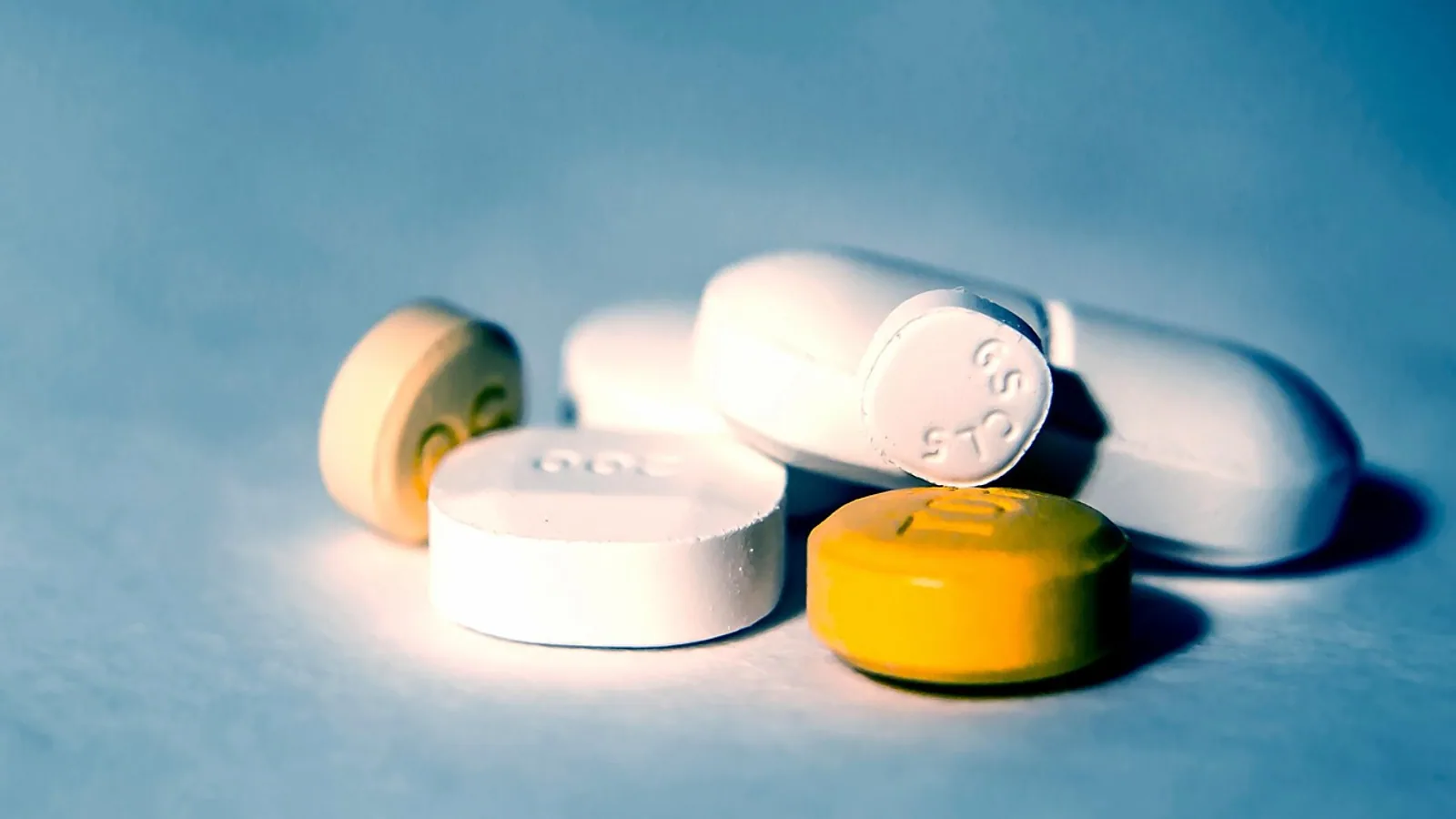
Aspirin (acetylsalicylic acid) is a nonsteroidal anti-inflammatory drug that has been used in dogs for pain, fever, and inflammation, and at much lower doses for its antiplatelet effects. It is not FDA-approved for use in dogs. No veterinary-labeled aspirin product exists for canine patients in the United States, which means every aspirin dose given to a dog is an extra-label use that a veterinarian must direct. The published veterinary literature describes analgesic doses in the range of 25 to 35 mg/kg every 8 hours and antiplatelet doses as low as 1 to 4 mg/kg once daily, but those numbers come from controlled research settings, not from a label you can follow at home.
This article is educational and is not a substitute for veterinary diagnosis or treatment.
At a Glance
| Feature | Detail |
|---|---|
| Active ingredient | Acetylsalicylic acid (aspirin) |
| FDA approval status for dogs | Not approved. No veterinary-labeled canine aspirin product exists in the US |
| Species | Dogs. Cats are far more sensitive to salicylate and should not receive aspirin without direct veterinary direction |
| Typical analgesic dose range in the literature | 25 to 35 mg/kg every 8 hours [1] |
| Typical antiplatelet dose range in the literature | 1 to 4 mg/kg once daily, with 2 mg/kg once daily showing consistent platelet inhibition in one study [2] |
| How it is given | Orally, ideally with food and as an enteric-coated tablet when a veterinarian prescribes it [3] |
| Onset | Plasma salicylate levels rise within hours of an oral dose, but the exact onset depends on tablet type and whether the dog has eaten [3] |
| Duration | Salicylate half-life in dogs is roughly 8 hours, much longer than in humans [4] |
| Prescription or over the counter | Over the counter for humans. Extra-label and veterinarian-directed for dogs |
| Main risk | Gastric and duodenal mucosal injury, including hemorrhage, erosions, and ulcers [5][6][7] |
What Aspirin Is and Why Owners Ask About It
Aspirin belongs to the nonsteroidal anti-inflammatory drug class. It works by inhibiting cyclooxygenase, the enzyme that converts arachidonic acid into prostaglandins and thromboxane. Blocking cyclooxygenase reduces the prostaglandins that drive pain, fever, and inflammation, and it reduces thromboxane, which is why aspirin also thins the blood by impairing platelet function [8].
That single mechanism explains both the appeal and the danger. The same cyclooxygenase enzymes that produce inflammatory prostaglandins also produce prostaglandins that protect the stomach lining and maintain blood flow in the kidney. When you inhibit cyclooxygenase throughout the body, you get pain relief and you also get a stomach that is more vulnerable to its own acid and a kidney that handles stress less well [8].
Aspirin is cheap, it is already in many homes, and it has been used in veterinary medicine for decades. That history is why owners still ask about an aspirin dog dose. What has changed is the arrival of veterinary-approved nonsteroidal anti-inflammatory drugs that carry a lower risk of gastrointestinal adverse effects than aspirin and similar older drugs [8]. For most dogs with pain or inflammation, a veterinarian has better options today than a human aspirin tablet.
There is one setting where aspirin still appears in veterinary practice. Low-dose aspirin is sometimes used as an antiplatelet drug in dogs with conditions where clot formation is a concern, including immune-mediated hemolytic anemia protocols that combine prednisone, an immunosuppressant, and low-dose aspirin [9]. Even there, the dose is far below the analgesic range, and it is chosen and monitored by a veterinarian.
The Core Problem: Aspirin Is Not FDA-Approved for Dogs
The FDA approves animal drugs through a process that establishes a labeled species, a labeled indication, a labeled dose, and a monitored safety profile. Aspirin has none of that for dogs in the United States. There is no canine aspirin label, no approved canine dose, and no approved canine indication.
That matters for three practical reasons.
First, the dose you find online is not a label dose. It is a research dose or an extrapolated dose. The classic canine analgesic recommendation of 25 to 35 mg/kg every 8 hours came from a 1975 study that tested aspirin in Basset Hounds and extrapolated from human pharmacokinetic data [1]. That is a starting point for a veterinarian, not an instruction for an owner.
Second, human aspirin products are formulated for humans. Tablet size, coating, and buffering all change how a dog absorbs the drug. Large enteric-coated tablets can accumulate in the stomach over several days in dogs and are not suitable for canine use [3]. A tablet that works fine in a person can sit in a dog's stomach and release drug unpredictably.
Third, the safety margin is narrower than most owners assume. In a controlled study, dogs given aspirin at 25 mg/kg every 8 hours for 28 days developed significantly more endoscopically visible gastric injury than dogs given placebo or a COX-2 selective drug [5]. That is the analgesic dose range, and it produced measurable stomach damage in healthy dogs.
How Aspirin Works in the Dog Body
After a dog swallows aspirin, the drug is absorbed and rapidly hydrolyzed to salicylic acid, its active metabolite. Salicylic acid is what produces most of the analgesic and anti-inflammatory effect, and it is what accumulates in the body.
The pharmacokinetics of salicylate in dogs differ from humans in a way that directly affects dosing. The elimination half-life of salicylate in dogs is roughly 8 hours [4]. In humans, the same value is much shorter at typical doses. A drug that clears quickly in a person lingers in a dog, so a dose interval that is safe for a human can produce accumulation in a dog.
Feeding pattern changes absorption as well. When enteric-coated aspirin tablets were given to dogs every 8 hours, plasma salicylate concentrations depended strongly on the dose, the specific tablet type, and whether the dog was fed once daily, three times daily, or fasted [3]. This is not a drug where you can assume the same blood level from the same milligram dose in every dog.
There is also individual variation in how well aspirin works. In a study of 21 healthy dogs given 4 mg/kg of aspirin orally, only 62 percent showed more than 50 percent inhibition of platelet aggregation at 3 hours. The remaining 38 percent showed less than 50 percent inhibition [10]. Response depended partly on how quickly each dog's body converted aspirin to salicylic acid. Some dogs are simply less responsive to aspirin than others, and you cannot predict which without testing.
Aspirin Dosing in Dogs: Analgesic Versus Antiplatelet
Aspirin is used at two very different dose levels in dogs, and confusing them is dangerous. The analgesic dose is roughly ten times the antiplatelet dose.
Analgesic and Anti-Inflammatory Dosing
The analgesic range described in the veterinary literature is 25 to 35 mg/kg every 8 hours [1]. A separate controlled study used 25 mg/kg every 8 hours as its aspirin arm and confirmed that this dose produces gastric injury over 28 days compared with placebo [5]. Another study used the same 25 mg/kg every 8 hours schedule to induce gastroduodenal lesions deliberately, which tells you how reliably this dose irritates the canine stomach [6].
A 12-hour interval does not work well. In the 1975 dose-finding study, 25 mg/kg every 12 hours avoided vomiting but failed to keep serum salicylate concentrations in the target range of 10 to 30 mg per 100 mL. Only the every-8-hour schedule achieved acceptable levels, producing concentrations between 12.5 and 17.8 mg per 100 mL [1]. A 50 mg/kg dose produced frequent vomiting [1].
Antiplatelet Dosing
Antiplatelet doses are much lower and are given once daily. A dose-escalation study in eight dogs tested 0.5, 1, 2, and 4 mg/kg once daily and 10 mg/kg twice daily for seven days. Every dose except 0.5 mg/kg once daily significantly reduced platelet aggregation and prolonged a platelet function analyzer closure time. There was no additional benefit at 4 mg/kg once daily or 10 mg/kg twice daily compared with 2 mg/kg once daily, and higher doses also suppressed prostacyclin synthesis [2]. The practical conclusion from that work is that 2 mg/kg once daily consistently inhibited platelet function in the dogs studied.
Weight-Based Dosing Table
The table below converts the published ranges into milligrams per dog by body weight. It is a reference for conversations with a veterinarian, not a dosing instruction. Every value in the analgesic column is an extra-label dose that requires veterinary direction.
| Body weight | Analgesic range (25 to 35 mg/kg q8h) | Antiplatelet range (1 to 4 mg/kg q24h) | Veterinary-approved alternatives to discuss |
|---|---|---|---|
| 5 lb (2.3 kg) | 57 to 80 mg every 8 hours | 2.3 to 9 mg once daily | Carprofen, meloxicam, or grapiprant at the veterinarian's calculated dose |
| 10 lb (4.5 kg) | 114 to 159 mg every 8 hours | 4.5 to 18 mg once daily | Carprofen, meloxicam, or grapiprant at the veterinarian's calculated dose |
| 20 lb (9.1 kg) | 227 to 318 mg every 8 hours | 9 to 36 mg once daily | Carprofen, meloxicam, or grapiprant at the veterinarian's calculated dose |
| 30 lb (13.6 kg) | 341 to 477 mg every 8 hours | 14 to 55 mg once daily | Carprofen, meloxicam, or grapiprant at the veterinarian's calculated dose |
| 50 lb (22.7 kg) | 568 to 795 mg every 8 hours | 23 to 91 mg once daily | Carprofen, meloxicam, or grapiprant at the veterinarian's calculated dose |
| 70 lb (31.8 kg) | 795 to 1,113 mg every 8 hours | 32 to 127 mg once daily | Carprofen, meloxicam, or grapiprant at the veterinarian's calculated dose |
| 90 lb (40.9 kg) | 1,023 to 1,432 mg every 8 hours | 41 to 164 mg once daily | Carprofen, meloxicam, or grapiprant at the veterinarian's calculated dose |
Carprofen, meloxicam, and grapiprant are FDA-approved for dogs and are dosed by the prescribing veterinarian based on the individual patient. They are not interchangeable with aspirin and should never be combined with it.
How to Give Aspirin If a Veterinarian Has Prescribed It
If a veterinarian has decided aspirin is appropriate for your dog, these points from the research literature affect how the drug should be handled.
Give it with food unless told otherwise. Food intake significantly changes plasma salicylate levels when enteric-coated tablets are used, and the effect depends on how often the dog eats [3].
Do not split or crush enteric-coated tablets without asking. The enteric coating is what protects the canine stomach from direct aspirin contact, and it also controls where the tablet dissolves. Large enteric-coated tablets can accumulate in the stomach over several days and are unsuitable for dogs [3].
Do not switch products mid-course. Different tablet types produce different plasma salicylate concentrations at the same milligram dose [3]. If the pharmacy changes the product, tell your veterinarian.
Keep a written log. Record the dose, the time, and any vomiting, diarrhea, or appetite change. Aspirin-induced gastric bleeding can be present before you see obvious signs, and a log helps your veterinarian decide whether to stop the drug.
Never add a second nonsteroidal anti-inflammatory drug. Combining aspirin with another NSAID multiplies gastrointestinal and renal risk.
Side Effects and Toxicity Thresholds
Aspirin's adverse effects in dogs are dominated by the gastrointestinal tract, with the kidney as the second major concern.
Gastrointestinal Injury
Gastric mucosal damage is the signature aspirin toxicity in dogs. In a randomized placebo-controlled trial, dogs receiving 25 mg/kg every 8 hours had significantly higher gastric lesion scores than placebo dogs on days 6, 14, and 28 of treatment. The aspirin group also had significantly more dog-days of vomiting than the group receiving a COX-2 selective drug [5].
A separate study used the same 25 mg/kg every 8 hours dose to induce gastroduodenal injury and documented hemorrhage, erosions, and ulcers on endoscopy in all treated groups [6]. Another study using 35 mg/kg every 8 hours found marked endoscopically visible gastric hemorrhage and marked increases in fecal hemoglobin concentration in every aspirin-treated dog [7].
The clinical signs you would see at home are vomiting, diarrhea, reduced appetite, dark tarry stool from digested blood, and lethargy. Fecal blood loss can be substantial before the stool turns visibly black.
Treating the stomach after the fact is harder than preventing the injury. Cimetidine at 7.5 mg/kg every 8 hours did not prevent aspirin-induced gastric hemorrhage in clinically normal dogs, and there was no significant difference in lesion scores or fecal hemoglobin between dogs given aspirin alone and dogs given aspirin plus cimetidine [7]. Zinc-L-carnosine combined with vitamin E also failed to reduce gastroscopy scores in dogs receiving aspirin at 25 mg/kg every 8 hours [6]. Do not assume an antacid or a supplement makes aspirin safe.
Renal Injury
The kidney depends on prostaglandins to maintain blood flow, especially when a dog is dehydrated, under anesthesia, or has pre-existing kidney disease. Because aspirin inhibits cyclooxygenase throughout the body, it reduces those protective prostaglandins. This is the mechanism behind NSAID-associated renal adverse effects in dogs [8]. A dog with kidney disease, a dog that is not drinking, and a dog undergoing surgery all face elevated risk.
Thresholds Where Problems Appear
Therapeutic-range problems start at the analgesic dose. Gastric injury was documented at 25 mg/kg every 8 hours [5][6] and hemorrhage at 35 mg/kg every 8 hours [7]. Vomiting was frequent at 50 mg/kg in the early dose-finding work [1].
High-dose toxicity appears at much larger exposures. In a teratogenicity study, aspirin at 400 mg/kg per day caused maternal toxicity in every treated dog, and the same dose given during a specific window of pregnancy produced a 50 percent fetal malformation rate. No embryotoxic or teratogenic effects were seen at 100 mg/kg per day [11]. Those are extreme research doses, but they establish that aspirin has a real dose-dependent toxicity ceiling in dogs.
What to Do If You Suspect Toxicity
Stop the drug and call your veterinarian or a pet poison control service immediately if you see vomiting, black or tarry stool, blood in the stool, a sudden drop in appetite, weakness, or collapse. Bring the aspirin bottle so the exact product and strength can be identified. Do not wait for signs to resolve on their own. Do not give another dose.
The Main Decision Path
The flowchart below shows the decision sequence for any owner considering aspirin for a dog.
flowchart TD
    A[Dog has pain or fever] --> B[Do not reach for human aspirin]
    B --> C[Call your veterinarian]
    C --> D{Veterinarian evaluates the dog}
    D --> E[Check for GI disease]
    D --> F[Check for kidney disease]
    D --> G[Check current medications]
    D --> H[Check bleeding status]
    E --> I{Is aspirin appropriate}
    F --> I
    G --> I
    H --> I
    I --> J[Veterinarian directs dose and monitoring]
    I --> K[Veterinarian selects an approved alternative]
    J --> L[Watch for vomiting and melena]
    K --> L
Who Should Not Receive Aspirin
Several groups of dogs should not receive aspirin at all without a specialist's direct involvement.
Dogs with existing gastrointestinal disease. Aspirin reliably injures the gastric mucosa even in healthy dogs [5][7]. A dog with a history of ulcers, inflammatory bowel disease, or chronic vomiting starts from a damaged baseline.
Dogs with kidney disease or dehydration. Aspirin reduces the prostaglandins that support renal blood flow, and NSAIDs are associated with renal adverse effects in dogs [8].
Dogs with bleeding disorders or low platelets. Aspirin impairs platelet function, and the effect lasts for the life of the platelet. In dogs with aspirin-induced platelet dysfunction, bleeding time was significantly prolonged, and it took a drug called desmopressin to shorten it [12]. A dog that already bleeds abnormally should not have that problem made worse.
Dogs on corticosteroids. Prednisone alone increased gastric mucosal lesion scores in a randomized trial, and dogs receiving prednisone or prednisone plus aspirin had 11.1 times the odds of ulcers compared with other groups [13]. An earlier study of prednisone plus ultralow-dose aspirin found no increase in gastroduodenal lesion severity compared with prednisone alone, but it did find significantly more dog-days of diarrhea in the combination group [14]. The two studies used different aspirin doses and reached different conclusions about ulcers, which is exactly why this combination needs a veterinarian's judgment rather than an owner's guess.
Dogs on another NSAID. Combining aspirin with any other nonsteroidal anti-inflammatory drug stacks gastrointestinal and renal risk. A washout period between NSAIDs is standard practice for a reason [8].
Dogs scheduled for surgery. Aspirin's antiplatelet effect persists well beyond the drug's presence in the blood. Tell your surgeon about any aspirin exposure.
Pregnant dogs. Aspirin at 400 mg/kg per day produced a 50 percent malformation rate in fetuses exposed during a specific developmental window [11]. Do not give aspirin to a pregnant or breeding dog.
Cats. Cats clear salicylates far more slowly than dogs and are at much greater risk from the same milligram dose. Aspirin should not be given to a cat without direct veterinary instruction.
Drug and Condition Interactions
Aspirin interacts with other drugs at several levels.
Corticosteroids. As described above, prednisone and aspirin together were associated with significantly more gastric ulcers in one controlled trial [13]. This is one of the most important interactions for owners to know, because both drugs are common in dogs with immune-mediated disease.
Other NSAIDs. Any second nonsteroidal anti-inflammatory drug adds to the cyclooxygenase blockade and increases gastrointestinal and renal risk [8].
Anticoagulants and antiplatelet drugs. Aspirin already impairs platelet function. Adding another drug that affects clotting increases bleeding risk.
Drugs that irritate the stomach. Any medication that damages the gastric mucosa adds to aspirin's effect.
Diuretics and drugs that reduce kidney perfusion. These compound aspirin's renal effects.
Conditions that matter. Dehydration, anesthesia, kidney disease, liver disease, and any bleeding disorder all raise the risk of aspirin in a dog.
How Aspirin Compares With Safer Alternatives
The most important comparison is between aspirin and the veterinary-approved nonsteroidal anti-inflammatory drugs.
In a randomized placebo-controlled trial, dogs receiving aspirin at 25 mg/kg every 8 hours had significantly worse gastric lesion scores than dogs receiving placebo or deracoxib, a COX-2 selective NSAID. There was no significant difference in gastric lesion scores between the placebo group and the deracoxib group [5]. In other words, the approved COX-2 selective drug looked like placebo on the stomach while aspirin caused measurable injury.
A review of NSAID pharmacology in dogs reached the same conclusion from the broader literature. The newer veterinary-approved NSAIDs have a lower frequency of gastrointestinal adverse effects in dogs compared with drugs such as aspirin, ketoprofen, and flunixin, likely because of their differential effects on the COX isoforms [8].
Carprofen, meloxicam, and grapiprant are FDA-approved for dogs and are prescribed at doses calculated for the individual patient. They are not dosed from a weight table in an article. They are dosed by the veterinarian who has examined the dog, reviewed the bloodwork, and chosen the drug for that specific problem.
Aspirin does retain a niche as an antiplatelet drug in some protocols, including immune-mediated hemolytic anemia treatment that combines prednisone, an immunosuppressant, and low-dose aspirin [9]. Even in that setting, the dose is low, the monitoring is close, and the decision belongs to the veterinarian managing the case.
Questions to Ask Your Veterinarian
Before giving any aspirin to a dog, ask these questions.
Is aspirin the right drug for this problem, or is an FDA-approved alternative better?
What dose and interval are you recommending, and is this an analgesic dose or an antiplatelet dose?
Does my dog have any condition that makes aspirin unsafe, including kidney disease, liver disease, or a bleeding disorder?
Is my dog on any other medication that interacts with aspirin, especially prednisone or another NSAID?
What signs should make me stop the drug and call you?
How often should my dog be rechecked while on this medication?
Should my dog be fed differently while taking aspirin?
What should I do if my dog vomits a dose or I think my dog got too much?
Limitations and When to Contact a Veterinarian
This article summarizes published veterinary research on aspirin in dogs. It cannot tell you what is safe for your individual dog. Body weight, kidney function, liver function, other medications, and the specific aspirin product all change the calculation, and only a veterinarian who has examined your dog can make that call.
Contact a veterinarian immediately if your dog has received aspirin and shows any of the following:
Vomiting, especially repeated vomiting or vomiting blood
Black, tarry, or bloody stool
A sudden refusal to eat or drink
Weakness, collapse, or pale gums
A suspected overdose, including a dog that ate a bottle of aspirin
Signs of pain that are not controlled by the current medication
Any new medication being started while aspirin is in use
Do not wait to see whether signs improve. Aspirin-induced gastric bleeding can be significant before it becomes visible to you.
Frequently Asked Questions
What is the aspirin dose for dogs?
There is no approved aspirin dose for dogs because aspirin is not FDA-approved for canine use. Published research describes an analgesic range of 25 to 35 mg/kg every 8 hours and an antiplatelet dose of about 2 mg/kg once daily, but both require veterinary direction [2][1].
How much aspirin can I give my dog?
The amount depends on your dog's weight and on why the drug is being given, and it must be set by a veterinarian. The published analgesic range is 25 to 35 mg/kg every 8 hours [1]. Do not calculate this yourself and start dosing.
Is baby aspirin safe for dogs?
No aspirin product is FDA-approved for dogs, including low-strength human products. Low doses around 2 mg/kg once daily have been studied for antiplatelet effects, but the decision to use them belongs to a veterinarian [2].
Can I give my dog aspirin for pain?
Aspirin can reduce pain, but it also causes gastric injury at analgesic doses in healthy dogs [5]. FDA-approved alternatives such as carprofen, meloxicam, and grapiprant carry a lower risk of gastrointestinal adverse effects and are the standard choice for canine pain [8].
How long does aspirin last in a dog?
The elimination half-life of salicylate in dogs is roughly 8 hours, which is much longer than in humans [4]. That longer half-life is why dosing intervals cannot be copied from human instructions.
What are the signs of aspirin toxicity in dogs?
The main signs are vomiting, diarrhea, reduced appetite, black or tarry stool from gastrointestinal bleeding, and lethargy. Endoscopic studies document hemorrhage, erosions, and ulcers at analgesic doses, and renal injury is a concern because aspirin reduces the prostaglandins that support kidney blood flow [5][6][8].
Can I give my dog aspirin with prednisone?
This combination needs a veterinarian's decision. One controlled trial found that dogs receiving prednisone or prednisone plus aspirin had 11.1 times the odds of gastric ulcers, while an earlier study of prednisone plus ultralow-dose aspirin found more diarrhea but no increase in lesion severity [14][13].
What should I do if my dog ate aspirin?
Call your veterinarian or a pet poison control service immediately, even if your dog seems fine. Bring the bottle so the product and strength can be identified. Do not induce vomiting unless a veterinarian tells you to.
Related Articles
- Can I Give My Dog Benadryl? Safe Dosage and When to Avoid
- Trazodone Anxiety & Post-Surgery Dose Calculator: Veterinary Dosage Guide
- Cephalexin Weight-Based Antibiotic Dose Calculator: Veterinary Dosage Guide
- Trazodone Dosage for Dogs: Calming Post-Surgery Rest Dose by Weight
- Rimadyl Carprofen for Dogs: Safe Joint Pain NSAID Dosage Protocol
- Can You Give Your Dog Human Antihistamines? Safe Options and Doses
- Can Dogs Have Ginger? Safe Amounts and Risks
- Can Dogs Eat Turmeric? Safe Doses and Risks
- Pepcid for Dogs: Dosage, Uses, and Safety Guide
Sources
- Aspirin dosages for the dog.
- Effects of aspirin dose escalation on platelet function and urinary thromboxane and prostacyclin levels in normal dogs.
- [[Analgesics; the use of aspirin in dogs; effects of tablet type and food intake on plasma salicylate level].](https://pubmed.ncbi.nlm.nih.gov/8346511/)
- Pharmacokinetics, pharmacodynamics and safety evaluation of 5,5'-methylenebis(2-acetoxybenzoic acid) in dogs following intravenous administration.
- Effects of deracoxib or buffered aspirin on the gastric mucosa of healthy dogs.
- Effects of zinc-L-carnosine and vitamin E on aspirin-induced gastroduodenal injury in dogs.
- Effect of cimetidine on aspirin-induced gastric hemorrhage in dogs.
- Clinical pharmacology of nonsteroidal anti-inflammatory drugs in dogs.
- Treatment of idiopathic immune-mediated hemolytic anemia with mycophenolate mofetil in five dogs.
- Investigation into the causes of aspirin resistance in healthy dogs.
- Aspirin: teratogenic evaluation in the dog.
- Effects of DDAVP administrated subcutaneously in dogs with aspirin-induced platelet dysfunction and hemostatic impairment due to chronic liver diseases.
- Clinical, clinicopathologic, and gastrointestinal changes from aspirin, prednisone, or combination treatment in healthy research dogs: A double-blind randomized trial.
- Effects of prednisone alone or prednisone with ultralow-dose aspirin on the gastroduodenal mucosa of healthy dogs.