Neosporin for Cats: Wounds, Bites, Eyes, and Acne
By Dr. Zubair Khalid, DVM, MS, PhD ·
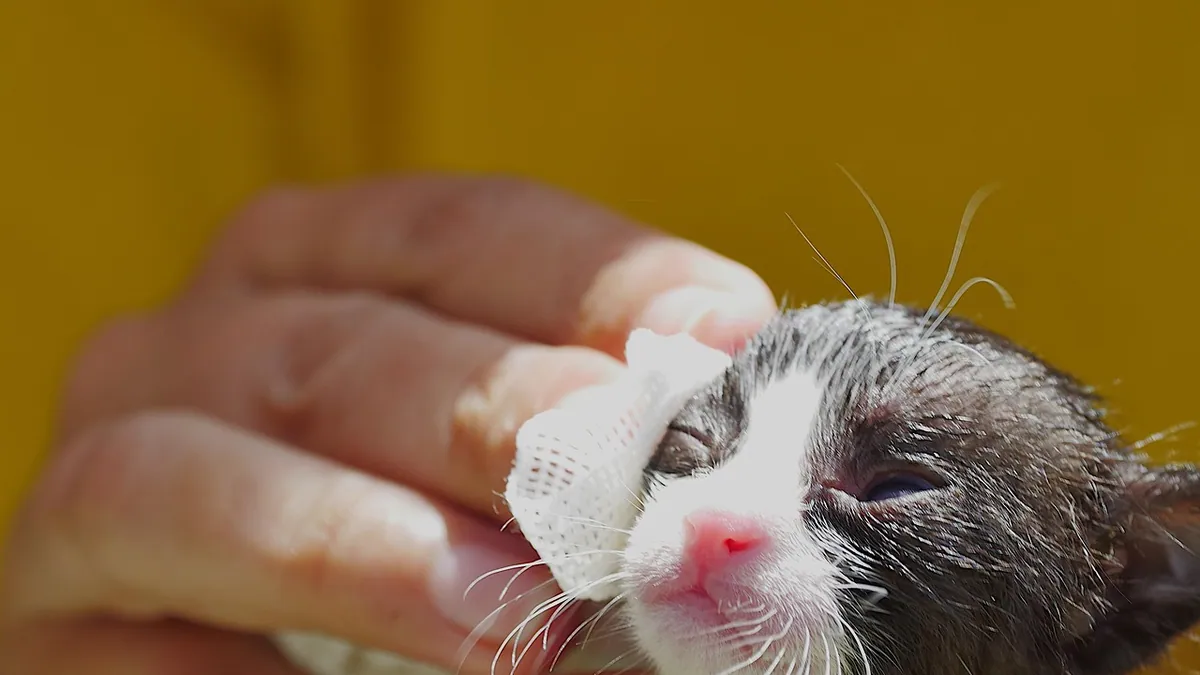
Neosporin for cats wound care is not a good idea for most home first aid. Cats lick their wounds, and the neomycin and zinc in Neosporin can make them sick when swallowed [1]. A few situations call for a veterinarian instead of a tube from your medicine cabinet, especially bites and eye problems.
This article is educational and is not a substitute for veterinary diagnosis or treatment.
Quick Answer
- Do not use Neosporin on a cat wound you plan to leave uncovered. Cats groom constantly, and licking the ointment off can cause vomiting, diarrhea, and appetite loss from the neomycin, plus red blood cell damage from the zinc [1][2].
- A cat bite is never a wait-and-see injury. Bite wounds seal over quickly and trap bacteria deep in the tissue, so they need a veterinary exam and often antibiotics.
- Never put Neosporin or any human eye ointment in a cat's eye. Eye infections and eye injuries need a veterinarian to identify the cause and pick a safe medication.
- Chin acne is common in cats and is usually managed with cleaning and changes to food and water bowls, not with human antibiotic ointments.
- If your cat ate Neosporin, call your veterinarian or a pet poison hotline right away. Swallowing the tube itself can block the intestines [1].
What Is Neosporin and What Do Veterinarians Use It For?
Neosporin is a human over-the-counter antibiotic ointment used on cuts, burns, and scrapes to lower the risk of infection [1]. The familiar version contains neomycin, polymyxin B, and bacitracin. Some versions add a pain reliever, and those extra ingredients add extra risk for cats.
Veterinarians do sometimes use topical antibiotics in cats, but they reach for products made for animals or for specific human products they know are safe for the species and the location. Topical therapy has a real place in feline skin care. In one reported case, a cat with an autoimmune skin disease and a resistant staph infection cleared completely with a topical regimen built around chlorhexidine, povidone-iodine, and topical gentamicin, with no systemic antibiotics needed [3]. That case shows what good topical treatment looks like when a veterinarian designs it. It does not mean you should improvise with whatever is in your bathroom.
Veterinarians also use topical antibiotics on the eye surface in some species. A study in healthy horses found that a week of neomycin-polymyxin-bacitracin ophthalmic ointment changed the bacteria living on the eye surface [4]. Similar work in dogs showed the same kind of shift after topical antibiotic treatment [5]. Those studies were done in horses and dogs, not cats, but the principle carries over. The bacteria on an eye surface are a living community, and antibiotics disturb it. That is one reason eye medications should be chosen by a veterinarian who has actually looked at the eye.
How Does Neosporin Work?
Neomycin and polymyxin B kill bacteria by disrupting their cell membranes and protein production. Bacitracin interferes with bacterial cell wall formation. Together they knock down a range of bacteria on intact human skin.
The problem for cats is not how the drug works on the skin. It is what happens after. A cat's tongue reaches almost everywhere on its body. Any ointment you smear on a paw, leg, or flank will be groomed off within minutes to hours. Once swallowed, neomycin can cause vomiting, diarrhea, and a drop in appetite in cats [1][2]. The zinc in the ointment can damage red blood cells [1][2]. A small lick may cause nothing at all. A cat that cleans off a thick layer several times a day is a different story.
Neosporin for Cats Wound Care: Dosing Basics
There is no standard Neosporin dose for cats, and you should not invent one. If a veterinarian decides a topical antibiotic is right for your cat, they calculate the amount and the schedule based on your cat's weight, the size and depth of the wound, and the health of the skin around it.
If your veterinarian does prescribe a topical medication, here is how to give it well.
- Clean your hands first, then follow the exact instructions on the label.
- Apply only the amount your veterinarian specified. More is not better with topical antibiotics.
- Keep your cat from licking the area. An Elizabethan collar, a soft recovery collar, or a light bandage may be needed. Ask your veterinarian which is safe for the wound location.
- Watch the skin for redness, swelling, or new discharge, and report changes.
If you miss a dose, apply it when you remember unless it is almost time for the next one. Do not double up. Call your veterinarian if you are unsure.
Side Effects of Neosporin on Cats
| Side effect | How common or serious | What to do |
|---|---|---|
| Vomiting, diarrhea, appetite loss after licking | Common when a cat grooms off the ointment, and it can become serious if grooming continues [1][2] | Stop using the product and call your veterinarian |
| Red blood cell damage from zinc | Serious, tied to how much is swallowed [1][2] | Seek veterinary care, especially with repeated exposure |
| Intestinal blockage from swallowing the tube | Serious and can be life threatening [1] | Go to a veterinarian or emergency clinic right away |
| Skin irritation at the application site | Possible with any topical product | Stop use and have the skin examined |
| Allergic reaction (swelling, hives, trouble breathing) | Uncommon but an emergency | Go to an emergency clinic now |
Who Should Not Use Neosporin, and What Interacts With It?
Cats should not use Neosporin in these situations.
- Any wound the cat can lick. That covers most wounds on the body.
- Any wound that is deep, bleeding heavily, punctured, or dirty. These need professional cleaning and often oral antibiotics.
- Bite wounds from another cat or animal. These are high risk for deep infection.
- The eye or the skin right around the eye. Ointments not made for eyes can irritate or damage the eye surface.
- Cats with known sensitivity to neomycin or any ingredient in the product.
- Cats already taking other medications, without asking a veterinarian first. A cat on multiple drugs, or one with kidney disease, may not handle extra drug exposure well.
Never use a Neosporin product that contains a pain-relieving ingredient. Those add-ons are not meant to be swallowed by a cat.
Cat Bites: Why Neosporin Is Not Enough
A cat bite looks like two tiny holes. Under the skin, it is a puncture that pushes bacteria deep into muscle and fat, and the surface closes over within hours. That traps infection inside. By the time you see swelling, heat, or pus, the infection is already established.
Do not treat a cat bite at home with Neosporin. Your cat needs a veterinary exam, wound care, and in most cases oral antibiotics. Bites on the face, joints, or chest are especially urgent. If your cat was bitten and seems painful, is limping, has a fever, or is not eating, treat it as an emergency.
Cat Acne: What Actually Helps
Feline chin acne shows up as black specks, red bumps, or crusty sores on the chin and lower lip. It is common and often linked to plastic food and water bowls, poor chin hygiene, or stress. It can also flare with other skin conditions.
Neosporin is not the answer for chin acne. The chin is easy for a cat to lick, so anything you put there gets swallowed. Instead, switch to stainless steel, glass, or ceramic bowls and wash them daily. Keep the chin clean and dry with a soft cloth and warm water. If the chin is swollen, bleeding, or painful, or if the acne keeps coming back, see your veterinarian. They can check for infection and prescribe a safe topical or oral treatment. For more on this, see Feline Chin Acne: Causes, Home Care, and When to See a Veterinarian.
Cat Eye Infections: Never Use Neosporin Here
Do not put Neosporin in your cat's eye. It is not an eye medication, it is not sterile for eye use, and the ingredients can irritate the eye surface.
Eye problems in cats have many causes, including viruses, bacteria, foreign material, and injuries. A veterinarian needs to examine the eye, often with a stain that shows scratches on the cornea. In a study of cats exposed to wildfires, about half had eye surface changes, and corneal ulcers were found in some of the cats that were stained [6]. That range of findings is exactly why guessing is dangerous. A scratch treated with the wrong ointment can get worse.
If your cat has a red eye, squinting, discharge, or swelling, see a veterinarian the same day. For background on common eye conditions, see Cat Viral Conjunctivitis Treatment and Cat Eye Conjunctivitis Treatment.
Overdose: What to Do If Your Cat Ate Neosporin
If your cat licked a small amount of Neosporin off its skin, call your veterinarian or a pet poison hotline for advice. Signs to watch for include vomiting, diarrhea, and refusing food [1][2]. These signs can range from mild to severe depending on how much was swallowed [2].
If your cat chewed open and swallowed the tube, that is an emergency. The tube can block the gastrointestinal tract [1]. Go to a veterinarian or an emergency clinic now.
If you are in the United States, you can call the ASPCA Animal Poison Control Center at (888) 426-4435 or the Pet Poison Helpline at (855) 764-7661. A consultation fee may apply.
Limitations and When to Contact a Veterinarian
This article cannot tell you whether your cat's specific wound, chin, or eye is safe to treat at home. Only a veterinarian who examines your cat can do that.
Call your veterinarian the same day if:
- Your cat has a bite wound of any size.
- A wound is getting redder, more swollen, or more painful.
- There is pus, a bad smell, or drainage.
- Your cat is licking or chewing at one spot constantly.
- Your cat has chin acne that is crusted, bleeding, or not improving with clean bowls and gentle cleaning.
Go to an emergency clinic now if:
- Your cat ate the Neosporin tube or a large amount of ointment.
- Your cat is vomiting repeatedly, has diarrhea, or will not eat after exposure [1][2].
- Your cat has a red, cloudy, or swollen eye, is squinting, or is holding the eye shut.
- Your cat has trouble breathing, collapses, or has a seizure.
- A wound will not stop bleeding or looks deep enough to need stitches.
For general skin infection guidance, see Cat Skin Infection: Signs and Treatment Options.
Frequently Asked Questions
Is Neosporin safe for cats?
It is not safe to use on cats in most situations. The ointment itself is meant for human skin, and cats groom it off and swallow it, which can cause vomiting, diarrhea, appetite loss, and red blood cell damage from the zinc [1][2].
Can I put Neosporin on my cat's wound?
No, not on a wound your cat can reach with its tongue. A veterinarian can clean and treat the wound properly and prescribe a product that is safe for the wound's location and your cat's health.
What happens if my cat licks Neosporin?
A small lick may cause no signs. Repeated licking can lead to vomiting, diarrhea, and not eating, and larger amounts raise the risk of zinc toxicity and red blood cell damage [1][2]. Call your veterinarian or a poison hotline if you are unsure how much was swallowed.
Can I use Neosporin on my cat's eye?
No. Neosporin is not an eye medication and can irritate the eye. Eye infections and injuries need a veterinary exam, because the cause could be a virus, bacteria, a scratch, or a foreign object, and each one needs different treatment [6].
Does Neosporin help cat acne?
No, and it can make things worse because your cat will lick it off its chin. Chin acne usually improves with clean stainless steel, glass, or ceramic bowls and gentle chin cleaning. See your veterinarian if the chin is painful, bleeding, or keeps flaring.
Related Articles
- Cat Skin Infection: Signs and Treatment Options
- Cat Viral Conjunctivitis Treatment
- Cat Eye Conjunctivitis Treatment
- Feline Chin Acne: Causes, Home Care, and When to See a Veterinarian
- Can Cats Get Psoriasis
- Cat Conjunctivitis Treatment Over The Counter
- Can Cats Have Neosporin? Side Effects and Safety
- Neosporin for Cats' Ears and Nose: Is It Safe?
- Is Neosporin Safe for Cats to Lick?
References
- Cat Ate Neosporin. Pet Poison Helpline.
- My Cat Ate Neosporin Will They Be. Pet Poison Helpline.
- Case Report: Resolution of a cutaneous infection with methicillin-resistant Staphylococcus pseudintermedius with topical therapy in a cat with pemphigus foliaceus. Frontiers in veterinary science, 2026.
- The effect of topical antibiotic or antibiotic-corticosteroid treatment on the ocular surface microbiota of healthy horses. Frontiers in microbiology, 2025.
- Evaluation of the bacterial ocular surface microbiome in ophthalmologically normal dogs prior to and following treatment with topical neomycin-polymyxin-bacitracin. PloS one, 2020.
- Clinical signs, treatment, and outcomes for ophthalmic thermal injury in 108 cats exposed to northern California wildfires between 2015 and 2020. Journal of the American Veterinary Medical Association, 2025.