Can Cats Have Neosporin? Side Effects and Safety
By Dr. Zubair Khalid, DVM, MS, PhD ·
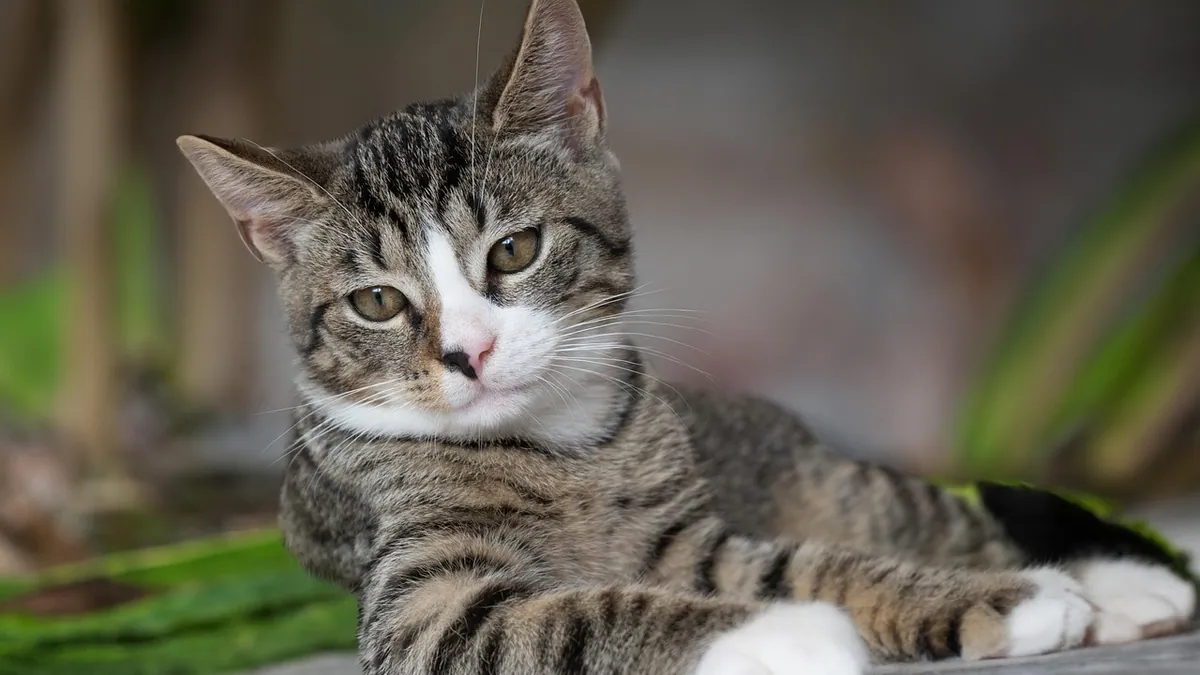
Can cats have Neosporin? Sometimes, but only in a very narrow set of situations. A thin smear on a small skin wound may be acceptable if your cat cannot lick it off, yet the same ointment becomes a problem the moment it is swallowed. This article is educational and is not a substitute for veterinary diagnosis or treatment.
Quick Answer
- Neosporin is a human topical antibiotic ointment, not a cat medication, and it is not meant to be eaten [1][2].
- The main risk is ingestion. Cats lick their skin, so anything you apply to a paw, leg, or belly is likely to end up in their mouth.
- Swallowing Neosporin can cause vomiting, diarrhea, and a drop in appetite from the neomycin in it [1][2].
- The zinc in Neosporin can damage a cat's red blood cells, and a chewed tube can block the intestines [1][2].
- Safer options exist. Ask your veterinarian about a cat-safe wound cleaner or an antibiotic made for pets before you reach for the human tube.
What Is Neosporin and What Do Veterinarians Use It For?
Neosporin is an over-the-counter antibiotic ointment people use on cuts, burns, and scrapes to lower the chance of infection [1][2]. The familiar version combines three antibiotics, and it also contains other ingredients that help the ointment spread and stay stable. One of those ingredients is zinc, which matters a great deal for cats [1][2].
Veterinarians do sometimes reach for the same class of drugs. Neomycin, polymyxin, and bacitracin appear together in ophthalmic ointments used in veterinary medicine, and topical antibiotics are part of standard wound and eye care in cats [3][4]. In one report on cats with eye injuries after wildfires, topical antibiotics such as erythromycin were among the treatments used [4]. The difference is that a veterinarian chooses a product, a strength, and a treatment plan built for your cat's problem, and often for a specific body site.
That is the heart of the answer to "can cats have Neosporin." The drug family is not foreign to veterinary medicine. The human product in your bathroom cabinet is simply not designed for a cat to groom off and swallow.
How Neosporin Works
Neomycin, polymyxin B, and bacitracin each attack bacteria in a different way, which is why they are combined. Neomycin and bacitracin interfere with the bacterial cell wall and protein production, and polymyxin B disrupts the bacterial cell membrane. Together they cover many of the bacteria that commonly infect minor surface wounds.
This action is local. The ointment works where it sits on the skin or eye surface, killing or slowing bacteria at that spot. It does not travel through the body to treat a deep infection, and it does nothing for wounds that are already infected under the skin, puncture wounds, or abscesses.
Because the effect is local, the benefit depends on the ointment staying in place. On a cat, that is the hard part. A cat's tongue reaches almost everywhere, and grooming removes the medicine within minutes. What the cat swallows then becomes a stomach and blood problem instead of a skin treatment.
Dosing Basics for Cats
Who decides the dose
A veterinarian does. There is no safe home dose of Neosporin for a cat that you can measure out yourself. If your veterinarian approves a topical antibiotic for a small wound, they will tell you how much to use, how often, and for how many days. Follow that plan exactly and do not extend it on your own.
How it is given
For skin use, the standard approach is a very thin layer on clean, dry skin, rubbed in so little remains on the surface. The goal is to treat the wound, not to coat the cat. For eye problems, only a product labeled for ophthalmic use and chosen by your veterinarian should ever go near the eye. Never put the skin ointment in or around the eye.
What to do about a missed dose
If you miss a scheduled application, apply it when you remember, unless it is almost time for the next one. In that case, skip the missed dose and go back to your regular schedule. Do not double up to catch up. If you are unsure, call your veterinarian's office and ask.
The licking problem
If your cat can reach the treated area, they will lick it. An Elizabethan collar, a soft recovery collar, or a light bandage may be needed to keep the ointment where it belongs. If you cannot keep your cat away from the spot, topical Neosporin is not a good choice for that wound.
Neosporin for Cats Side Effects
Most problems come from swallowing the ointment, not from a thin layer on intact skin [1][2]. The table below covers what owners most often see.
| Side effect | How common or serious | What to do |
|---|---|---|
| Vomiting | Reported after ingestion, can be mild to severe [1][2] | Remove the ointment, offer water, call your veterinarian or poison control |
| Diarrhea | Reported after ingestion, can be mild to severe [1][2] | Watch for blood or worsening, call your veterinarian if it persists |
| Loss of appetite | Reported after ingestion [1][2] | Call your veterinarian if your cat skips more than one meal |
| Red blood cell damage from zinc | Serious, tied to the zinc in the product [1][2] | Treat as an emergency, call poison control or your veterinarian right away |
| Intestinal blockage from a chewed tube | Serious, can require surgery [2] | Go to a veterinary emergency hospital now |
| Local skin irritation or allergic reaction | Possible with any topical product | Stop using it, wash the area gently, call your veterinarian |
Some cats are allergic to one of the ingredients. Signs include redness, swelling, itching, hives, or trouble breathing after application. Stop the product and get veterinary help. If your cat has a history of skin allergies, ask your veterinarian before putting anything new on their skin, and see Cat Allergy Medication Side Effects: What to Watch For for how allergy drugs can affect cats.
Who Should Not Use Neosporin
Skip Neosporin entirely in these situations.
- Deep or puncture wounds. These need a veterinarian to assess and clean, because the surface ointment cannot reach the infection.
- Wounds with pus, swelling, heat, or a bad smell. These are already infected and need prescription treatment.
- Burns, large scrapes, or wounds near the eye, mouth, or genitals.
- Any cat who cannot be stopped from licking the area.
- Cats with known allergies to neomycin, polymyxin, or bacitracin.
- Kittens, pregnant cats, and cats with liver or kidney disease, unless a veterinarian specifically approves it.
Drug interactions matter too. Because some of the drug is absorbed through skin and more is swallowed during grooming, a topical antibiotic can add to other medications your cat takes. Tell your veterinarian about everything your cat receives, including prescription drugs, supplements, and flea products. If your cat is on medication for a urinary problem, Cat Urinary Tract Infection Side Effects explains why the full medication list matters. The same is true for steroid treatments such as prednisolone, covered in Cat Prednisolone for Allergies: Side Effects and Safe Use.
Overdose and When to Call for Help
A cat who licks a small amount of ointment off their skin may have mild stomach upset. A cat who eats the tube, or who swallows a large amount, is a different story. Ingestion can cause poisoning, and the signs range from mild to severe depending on how much was eaten [1][2]. A swallowed tube can also block the gastrointestinal tract, which is a surgical emergency [2].
Call for help right away if your cat ate Neosporin, chewed the tube, or is showing vomiting, diarrhea, appetite loss, weakness, or pale gums. Contact your veterinarian or an animal poison control hotline. Have the product tube with you so you can read the ingredients and estimate how much is missing.
Do not try to make your cat vomit at home. Do not give human medications to settle the stomach unless a veterinarian tells you to.
Limitations and When to Contact a Veterinarian
This article cannot tell you whether your cat's specific wound is safe to treat at home. That judgment needs a veterinarian who can see the wound, know your cat's history, and check for infection. Individual cases always need a veterinarian.
Use these timing guides.
Emergency now. Go to a veterinary emergency hospital if your cat ate the ointment or tube, is vomiting repeatedly, is weak or wobbly, has pale gums, is breathing hard, or has a swollen, painful belly.
Same day. Call your veterinarian today if your cat licked a treated area and seems off, has one or two episodes of vomiting, refuses food, or has diarrhea.
Routine visit. Book an appointment if a wound is not healing after a few days, is getting redder or more swollen, or keeps oozing. Also book a visit if your cat keeps scratching or biting at a spot, since that can point to an allergy or a skin condition such as the one described in Can Cats Get Psoriasis.
Frequently Asked Questions
Is a tiny bit of Neosporin safe on a cat's cut?
A very thin layer on a small skin wound can be acceptable if your cat cannot lick it off, but it is never the first choice. The ointment is made for people, and the zinc and neomycin in it can cause problems once swallowed [1][2]. Ask your veterinarian for a cat-safe alternative instead.
What happens if my cat licks Neosporin off their skin?
Licking a small amount often causes mild stomach upset, but larger amounts can lead to vomiting, diarrhea, and appetite loss [1][2]. The zinc can also harm red blood cells [1][2]. Call your veterinarian or poison control for advice based on how much you think your cat swallowed.
Can I put Neosporin in my cat's eye?
No. Never put the skin ointment in or near your cat's eye. Eye infections in cats need a product chosen by a veterinarian after an exam, and using the wrong ointment can make an eye injury worse. Eye problems in cats are common after trauma and need prompt care [4].
How long does Neosporin stay in a cat's system?
There is no simple timeline that applies to every cat, because it depends on how much was swallowed and how the individual cat handles it. Your veterinarian can give you a better estimate after examining your cat. Watch for vomiting, diarrhea, and appetite changes in the meantime [1][2].
What should I use instead of Neosporin on my cat?
Ask your veterinarian. They may recommend a cat-safe wound cleanser, a prescription topical antibiotic, or an oral antibiotic if the wound is infected. For wounds that involve the eye, only a veterinary-approved ophthalmic product should be used [3][4]. Never guess with a human product when a cat-safe option exists.
A Note on Wound Care and Parasites
Wounds are not the only skin problem that sends owners looking for ointments. Itching, hair loss, and scabs often have other causes, including allergies and parasites. If your cat has a potbelly appearance, a dull coat, or a chronic cough along with skin issues, parasites may be involved. Roundworms in Cats: Toxocara cati and Human Larva Migrans Risk explains why some of these infections also matter for the people in your home.
The bottom line is simple. A thin layer of Neosporin on a small skin wound is sometimes tolerated, but the margin for error is small because cats groom themselves. When in doubt, keep the human tube in the cabinet and call your veterinarian first.
Related Articles
- Cat Urinary Tract Infection Side Effects
- Can Cats Get Psoriasis
- Cat Allergy Medication Side Effects: What to Watch For
- Cat Prednisolone for Allergies: Side Effects and Safe Use
- Roundworms in Cats: Toxocara cati and Human Larva Migrans Risk
- Can You Give Your Dog Human Antibiotic Ointment Like Neosporin?
- Neosporin for Cats: Wounds, Bites, Eyes, and Acne
- Is Neosporin Safe for Cats to Lick?
- Neomycin Side Effects in Cats: What to Watch For
References
- My Cat Ate Neosporin Will They Be. Pet Poison Helpline.
- Cat Ate Neosporin. Pet Poison Helpline.
- Evaluation of the bacterial ocular surface microbiome in ophthalmologically normal dogs prior to and following treatment with topical neomycin-polymyxin-bacitracin. PloS one, 2020.
- Clinical signs, treatment, and outcomes for ophthalmic thermal injury in 108 cats exposed to northern California wildfires between 2015 and 2020. Journal of the American Veterinary Medical Association, 2025.