Feline Chin Acne: Causes, Home Care, and When to See a Veterinarian
By Dr. Zubair Khalid, DVM, MS, PhD ·
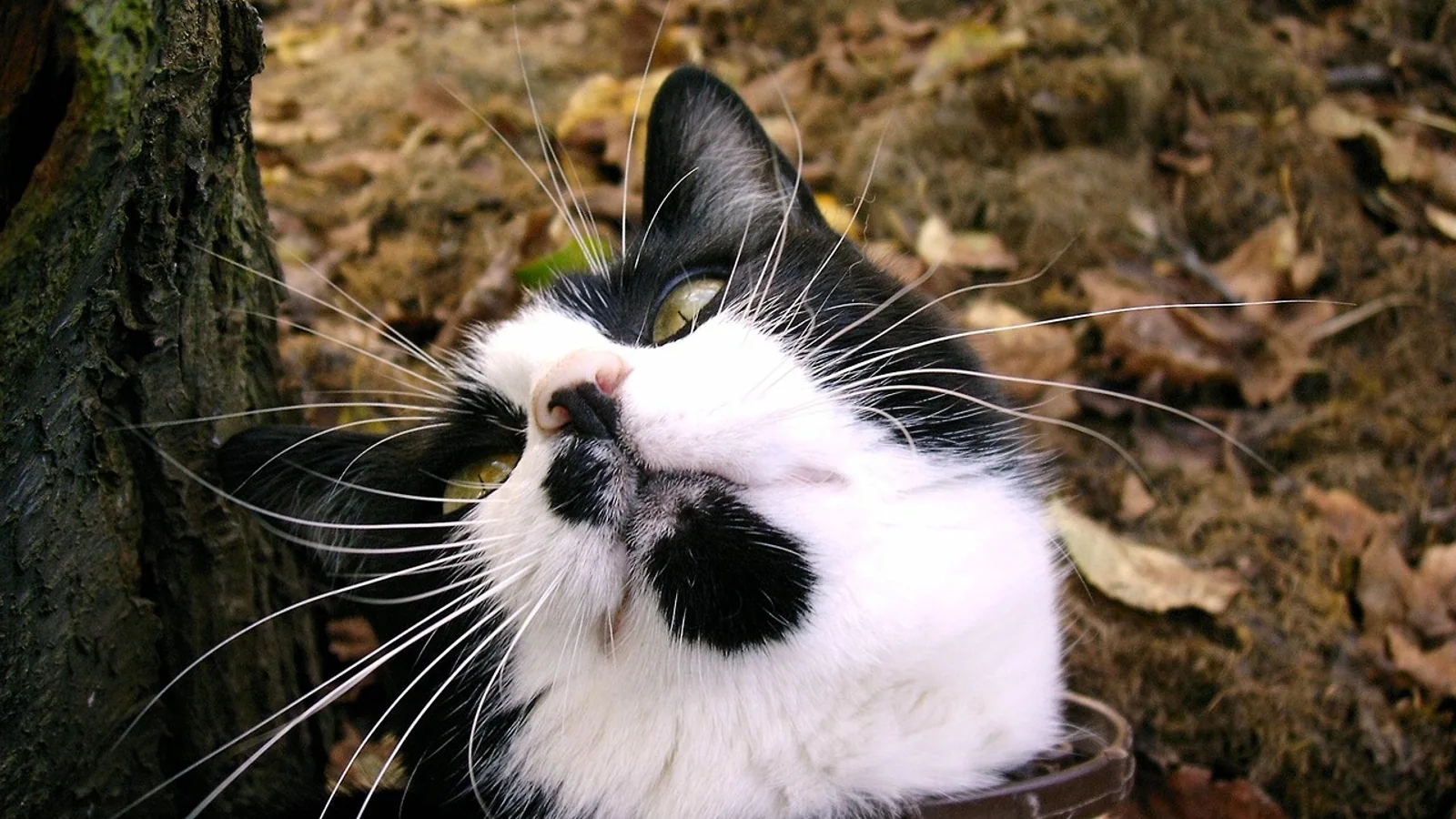
Feline chin acne is a common skin condition in which the sebaceous glands and hair follicles of a cat's chin become blocked, producing blackheads, black spots, crusts, and sometimes red or swollen bumps. Most cases are mild and improve with simple changes at home, such as switching from plastic food bowls to ceramic or stainless steel bowls and keeping the chin clean. A smaller number of cats develop a secondary bacterial infection that needs veterinary treatment, and several other skin diseases can look almost identical to acne, so a cat that does not improve within a couple of weeks, or that becomes painful or swollen, should be examined by a veterinarian.
This article is educational and is not a substitute for veterinary diagnosis or treatment.
At a Glance: What Owners Should Know
| Feature | Typical Pattern in Feline Acne |
|---|---|
| Usual location | Chin, lower lip, upper lip, and lip commissures (the corners of the mouth) [1] |
| Most common lesions | Comedones (blackheads), crusts, hair loss, redness, papules, and sometimes nodules or draining tracts [2][1] |
| Age range at diagnosis | Reported from 6 months to 14 years, with a median around 4 years [2] |
| Itching | Reported in about one third of affected cats, so many cats are not itchy at all [2] |
| Common organisms found | Coagulase-positive staphylococci and alpha-hemolytic streptococci in about 45% of affected cats, and Malassezia yeast in about 18% [2] |
| First-line home care | Switch away from plastic bowls, keep the chin clean and dry, use a warm compress, and use only veterinarian-approved antiseptic products |
| When to see a vet | Pain, swelling, pus, bleeding, spreading lesions, appetite change, or no improvement after 2 weeks of good home care |
| Main look-alike conditions | Eosinophilic granuloma complex, skin mites, ringworm, and other causes of feline pyoderma [3][4] |
What Is Feline Chin Acne?
Feline chin acne is a disorder of the hair follicles and sebaceous glands on the chin. The sebaceous glands sit next to the hair follicles and produce sebum, an oily substance that normally coats the skin and hair. In acne, the ducts that carry sebum to the surface become plugged with keratin and sebum. The result is a comedo, which owners see as a blackhead or a small black spot on the cat's chin. When the blocked follicle ruptures or becomes colonized by bacteria or yeast, the lesion can progress to a red bump, a crust, a pustule, or a deeper nodule.
A veterinary dermatology study of 22 affected cats found that comedones were the most common lesion, present in 73% of cats, followed by hair loss in 68%, crusts in 55%, papules in 45%, and redness in 41% [2]. The chin was the most frequently affected site in a separate case series of 25 cats, but lesions also appeared on the lower lip, upper lip, and the corners of the mouth [1]. This distribution matters because it explains why chin acne is sometimes confused with lip ulcers and other oral skin diseases.
The condition is not contagious to people or to other cats. It is also not caused by poor hygiene alone. Feline acne is best understood as a follicular disorder with several contributing factors, some of which are under an owner's control and some of which are not.
Anatomy and Physiology: Why the Chin Is Vulnerable
The chin has a dense population of hair follicles and sebaceous glands, and the skin there is relatively thin. Sebum from these glands can accumulate, and the hair follicles in this area are short and often fine, which makes plugging more likely. Histopathology from affected cats commonly shows dilated sebaceous gland ducts, follicular keratosis with plugging, and periductal inflammation, which confirms that the problem starts in the follicle and its associated gland [2].
The chin is also a mechanical contact point. It rests on food bowls, water bowls, bedding, and the floor. Any surface that traps moisture, food residue, or bacteria against the skin can worsen follicular plugging. This is the reasoning behind the widely repeated advice to avoid plastic bowls, although the exact mechanism is not fully established in the veterinary literature. Plastic is more prone to scratching, which creates tiny crevices where food and bacteria collect, and some cats may develop a contact reaction to plastic itself. Ceramic and stainless steel bowls are non-porous and easier to clean, which reduces the bacterial load that contacts the chin.
Grooming behavior also matters. Cats normally groom the chin with a forepaw and tongue. A cat that is overweight, arthritic, wearing an Elizabethan collar, or ill may groom less effectively, allowing sebum and debris to build up. Stress can reduce grooming as well, and stress is a recognized trigger for several skin conditions in cats. According to the Cornell Feline Health Center, skin disorders in cats are frequently complex and often involve multiple interacting causes rather than a single trigger [5].
Causes and Contributing Factors
Plastic Food Bowls and Bowl Hygiene
Plastic bowls are the most discussed environmental factor in feline chin acne. Plastic develops microscopic scratches over time. Those scratches harbor food particles, moisture, and bacteria that repeatedly contact the chin during every meal. A cat that eats wet food from a plastic bowl has a film of nutrient-rich residue pressed against the chin several times a day. Switching to ceramic, stainless steel, or glass bowls and washing them daily is a low-risk change that many veterinarians recommend as a first step. The evidence linking plastic specifically to acne is largely clinical observation rather than controlled study, but the intervention is harmless and often helpful.
Poor Grooming and Reduced Self-Care
Cats that cannot groom their chins effectively accumulate oil, dead skin cells, and food debris in the follicular openings. Senior cats, overweight cats, and cats with dental pain or arthritis are at higher risk. If a cat suddenly stops grooming the chin, that change can be a clue to an underlying medical problem rather than a primary skin issue.
Stress
Stress affects feline skin health through several pathways, including altered grooming, immune function, and hormone signaling. Household changes such as a new pet, a move, a new baby, or a change in feeding routine can precede a flare. Stress alone rarely causes acne, but it can worsen an existing follicular problem.
Allergies and Underlying Skin Disease
Allergic skin disease is a well-recognized predisposing factor for secondary bacterial skin infection in cats. A clinical review of feline pyoderma lists allergic and inflammatory skin diseases, parasitosis, and feline chin acne among the conditions that lead to secondary bacterial infection [3]. In practice, this means a cat with food allergy, environmental allergy, or flea allergy may develop chin lesions as part of a broader skin problem. Treating only the chin without addressing the underlying allergy usually leads to recurrence.
Bacterial and Yeast Colonization
Bacteria were isolated from 10 of 22 affected cats (45%) in one study, with coagulase-positive staphylococci and alpha-hemolytic streptococci most commonly identified [2]. Malassezia pachydermatis, a yeast, was found on cytology in 18% of affected cats in the same study [2]. A separate case series cultured Malassezia from two cats and identified dermatophytes in two cats [1]. These organisms are often secondary invaders rather than the original cause, but they can drive inflammation, itching, and pus formation once established.
Viral Associations
The same study evaluated acne lesions for feline calicivirus and feline herpesvirus using immunohistochemistry [2]. This line of research reflects the possibility that viral factors contribute to some cases, but it does not mean that chin acne is a viral disease or that it is contagious. Owners should not interpret this as a reason to isolate a cat with acne.
Risk Factors
Several factors increase the likelihood that a cat will develop chin acne or that a mild case will worsen.
- Age: Reported onset ranges from 6 months to 14 years, with a median of about 4 years [2].
- Bowl material and hygiene: Plastic bowls that are scratched or infrequently washed.
- Grooming difficulty: Obesity, arthritis, dental disease, or any condition that limits chin grooming.
- Underlying allergy: Food, environmental, or flea allergy that inflames the skin barrier [3].
- Stress: Household change, conflict with other cats, or a disrupted routine.
- Concurrent skin disease: Mites, ringworm, or eosinophilic disease can mimic or complicate acne [1][3].
- Immune status: Cats on immunosuppressive medication or with chronic illness may be more prone to secondary infection.
Breed predisposition is not well established in the veterinary literature for feline acne.
How Veterinarians Diagnose Feline Chin Acne
Diagnosis starts with a history and a physical examination. Your veterinarian will ask about bowl material, diet, grooming changes, itching, recent stress, other pets, and any previous skin problems. They will examine the chin, lips, and mouth and look for lesions elsewhere on the body, because generalized skin disease changes the diagnostic plan.
Cytology
Cytology is the most useful first-line test. A veterinarian presses a glass slide against the chin or collects material from a pustule or crust, then examines it under a microscope. The goal is to identify bacteria, yeast, or inflammatory cells. The presence of bacteria together with inflammatory cells supports a diagnosis of pyoderma, which is a bacterial skin infection [3]. This distinction matters because acne alone does not always require antibiotics, while pyoderma usually does.
Skin Scrapings and Hair Plucking
Deep skin scrapings are performed to look for mites such as Demodex. In one large survey of 161 clinically normal cats, Demodex cati was not detected in any cat, and the authors noted that its role in acne remains unclear [6]. The same survey found Otodectes cynotis, the ear mite, in 25.5% of cats, and acne-like lesions were associated with a higher rate of mite infestation [6]. This does not mean ear mites cause chin acne, but it does mean that a cat with chin lesions and ear disease should have the ears checked and treated.
Fungal Culture
Ringworm (dermatophytosis) can produce crusts and hair loss on the chin that resemble acne. Dermatophytes were cultured from two cats in one acne case series [1], and Microsporum canis was isolated from one cat in another study [2]. A fungal culture is warranted when lesions are scaly, when there is hair loss with broken hairs, when the cat has contact with children or immunocompromised people, or when standard acne treatment fails.
Skin Biopsy
Biopsy is reserved for severe, atypical, or non-responsive cases. Histopathology in affected cats commonly shows lymphoplasmacytic periductal inflammation (86%), sebaceous gland duct dilatation (73%), and follicular keratosis with plugging (59%) [2]. Biopsy is also the way to confirm or rule out eosinophilic granuloma complex and other deep inflammatory diseases that can mimic acne.
Allergy Testing
If the history suggests itching, recurrent ear infections, or lesions on the face, paws, or belly, your veterinarian may recommend an elimination diet trial or allergy testing. Allergy is a common reason that chin acne keeps coming back after treatment [3].
Differentials: Conditions That Look Like Chin Acne
Several conditions produce black spots, crusts, or bumps on a cat's chin. Distinguishing them requires veterinary examination and often laboratory testing.
Eosinophilic Granuloma Complex
Eosinophilic granuloma complex includes eosinophilic ulcers, eosinophilic plaques, and eosinophilic granulomas. These lesions often affect the lips, chin, and mouth and can appear as raised, red, ulcerated, or swollen areas. A cat with an eosinophilic lip ulcer can develop secondary bacterial infection that resembles acne [3]. Eosinophilic lesions are inflammatory and often allergic in origin. They typically require anti-inflammatory or immunomodulatory treatment, not just chin cleaning.
Skin Mites
Demodex species and other mites can cause follicular disease with crusts and hair loss. Demodex cati was not found in a survey of 161 clinically normal cats, and its role in acne remains unclear [6]. Ear mites (Otodectes cynotis) are common and were associated with acne-like lesions in the same survey, though the relationship is not necessarily causal [6]. Any cat with chin lesions and head or ear itching should have skin scrapings and ear checks.
Ringworm (Dermatophytosis)
Ringworm is a fungal infection that can cause circular areas of hair loss, scaling, and crusting. It can affect the chin and face. Dermatophytes were cultured from cats in acne case series [2][1], which means ringworm can coexist with or be mistaken for acne. Ringworm is contagious to other pets and to people, so diagnosis matters for household health. According to the Merck Veterinary Manual, diagnosis of skin disorders in cats often requires multiple tests because many conditions look alike on physical examination [7].
Feline Pyoderma
Pyoderma is a bacterial skin infection. It can be primary or, more commonly, secondary to another skin disease such as allergy, parasitosis, or chin acne [3]. Lesions include crusted papules, pustules, furuncles, ulcerated plaques, and nodular lesions [3]. Cytology showing bacteria with inflammatory cells supports the diagnosis [3]. Pyoderma usually requires systemic or topical antimicrobial therapy, and unresponsive cases need culture and sensitivity testing [3].
Other Possibilities
Contact dermatitis from a bowl or bedding, squamous cell carcinoma, and other tumors can occasionally present on the chin. Any firm, growing, or non-healing lump should be evaluated promptly.
Home Care for Mild Feline Chin Acne
Home care is appropriate for mild cases with blackheads or light crusting, no pain, no swelling, and no systemic signs. The goal is to reduce follicular plugging, remove debris, and prevent secondary infection.
Step 1: Switch Away From Plastic Bowls
Replace plastic food and water bowls with ceramic, stainless steel, or glass. Wash bowls daily with hot water and dish soap, and rinse thoroughly. Avoid bowls with deep scratches or cracks. If your cat eats wet food, wipe the chin gently with a clean, damp cloth after meals. This single change resolves many mild cases over several weeks.
Step 2: Keep the Chin Clean and Dry
Use a soft, clean cloth or cotton pad moistened with warm water to gently wipe the chin once or twice daily. Do not scrub. Friction can rupture follicles and worsen inflammation. Pat the area dry afterward. Keeping the chin dry between meals reduces the moisture that supports bacterial and yeast growth.
Step 3: Apply a Warm Compress
A warm compress can soften comedones and crusts and improve blood flow to the area. Soak a clean washcloth in warm (not hot) water, wring it out, and hold it gently against the chin for a few minutes once or twice daily. Stop if your cat shows pain or resistance. Never pick at or squeeze blackheads or crusts. Squeezing can rupture follicles, spread infection, and create scarring.
Step 4: Use Only Veterinarian-Approved Antiseptic Products
Some veterinarians recommend antiseptic wipes or pads formulated for cats, such as chlorhexidine-based products, for mild acne. These products must be recommended by your veterinarian because concentration, contact time, and ingredient safety vary. Human acne products are not appropriate for cats. Benzoyl peroxide, salicylic acid, tea tree oil, alcohol, hydrogen peroxide, and essential oils can all cause severe irritation, chemical burns, or toxicity in cats. Cats groom their chins with their tongues, so anything applied to the chin can be swallowed. When in doubt, use only warm water until you speak with your veterinarian.
Step 5: Reduce Stress and Support Grooming
Keep routines predictable, provide separate feeding stations in multi-cat homes, and address any pain or mobility problem that limits grooming. If your cat is overweight, a weight management plan from your veterinarian can improve grooming reach and overall skin health.
What Not to Apply
Do not use human acne creams, retinoids, benzoyl peroxide, salicylic acid, astringents, alcohol, hydrogen peroxide, tea tree oil, or essential oils on a cat's chin. Do not use medicated shampoos unless they are labeled for cats and recommended by your veterinarian. Do not apply antibiotic ointments intended for people. Many topical human products are irritating or toxic to cats, and cats will ingest them during grooming.
Evidence-Based Veterinary Treatment
When home care is not enough, veterinary treatment depends on what is found on examination and cytology.
Topical Therapy
Topical mupirocin ointment has been studied as a treatment for feline acne. In an open clinical trial of 25 cats, topical 2% mupirocin applied twice daily for 3 weeks as the sole treatment produced excellent response in 15 cats and good response in 9 cats [1]. One cat developed a contact reaction and had to stop treatment [1]. This study supports topical antimicrobial therapy as an effective option for many cats with acne and secondary bacterial involvement. Mupirocin is a prescription medication in the United States, so it must be dispensed or recommended by a veterinarian.
Other topical options include antiseptic shampoos, wipes, or gels containing chlorhexidine or similar agents, selected based on cytology results and the severity of the lesions. Your veterinarian will advise on frequency and duration.
Systemic Antibiotics
Systemic antibiotics are indicated when cytology shows bacteria with inflammatory cells, when lesions are deep or extensive, or when topical therapy alone is insufficient. Antibiotic selection should be based on cytological examination, and culture and sensitivity testing is recommended for unresponsive cases [3]. This approach helps avoid unnecessary antibiotic use and reduces the risk of resistance. Never use leftover antibiotics from a previous prescription or antibiotics intended for people.
Antifungal Therapy
If Malassezia yeast or dermatophytes are identified, targeted antifungal treatment is needed. Malassezia was found in a minority of acne cases [2][1], and dermatophytes were cultured from a small number of cats [2][1]. Treatment depends on the organism and the extent of involvement.
Treatment of Underlying Allergy or Parasites
If allergy or mites are contributing, treating only the chin will not produce lasting control. Allergy management may include diet change, flea control, or medication. Mite infestations require specific antiparasitic treatment. Your veterinarian will build a plan based on the full clinical picture.
Follow-Up and Recheck Timing
Mild cases treated at home often improve over 2 to 4 weeks. Cases treated with topical mupirocin in the published trial were treated for 3 weeks [1]. Your veterinarian will typically schedule a recheck after the initial treatment course to confirm resolution and decide whether further treatment is needed. If lesions persist or worsen despite correct treatment, the diagnostic plan should be revisited.
Prevention
Prevention focuses on the factors that can be controlled.
- Use ceramic, stainless steel, or glass bowls, and wash them daily.
- Wipe the chin after wet food meals.
- Keep the chin clean and dry.
- Manage stress and maintain a stable routine.
- Address obesity, dental disease, and arthritis so grooming stays effective.
- Control fleas and other parasites according to your veterinarian's recommendations.
- Treat underlying allergies rather than only the chin lesions.
- Schedule regular wellness examinations.
Prognosis
The prognosis for uncomplicated feline chin acne is good. Most cats respond to bowl changes, chin hygiene, and topical treatment. In the mupirocin trial, 24 of 25 cats had a good or excellent response [1]. Cats with underlying allergy, immune compromise, or deep infection may need longer treatment and ongoing management. Recurrence is common if triggers are not addressed, so prevention is a long-term commitment.
Emergency and Urgent Red Flags
Contact a veterinarian promptly if you see any of the following.
- Rapid swelling of the chin, face, or neck
- Pus, bleeding, or open draining wounds
- Severe pain when the chin is touched
- Difficulty eating, dropping food, drooling, or refusal to eat
- Lethargy, fever, or hiding
- Lesions spreading to the lips, nose, or around the eyes
- Firm, growing, or non-healing lumps
- No improvement after 2 weeks of consistent home care
- Any suspicion of ringworm, especially in a home with children, elderly adults, or immunocompromised people
Limitations and When to Contact a Veterinarian
This article provides general information about feline chin acne and cannot replace an examination of your individual cat. Chin lesions have many possible causes, and the treatment that works for one cat may be wrong for another. Contact your veterinarian if your cat has pain, swelling, pus, bleeding, appetite change, or lesions that spread beyond the chin. Contact your veterinarian if home care has not produced clear improvement within 2 weeks, if lesions return repeatedly, or if anyone in the household develops a skin rash. A cat with a compromised immune system, diabetes, or concurrent illness should be seen sooner rather than later. If you are unsure whether a product is safe to apply to your cat's chin, do not apply it until you have spoken with a veterinarian.
Frequently Asked Questions
What causes feline chin acne?
Feline chin acne happens when hair follicles and sebaceous glands on the chin become plugged with keratin and sebum. Contributing factors include plastic food bowls that harbor bacteria, poor chin grooming, stress, allergies, and secondary bacterial or yeast colonization. Bacteria were found in about 45% of affected cats and Malassezia yeast in about 18% in one study [2].
Are plastic bowls really bad for cat acne?
Plastic bowls are a common suspect because they scratch easily and trap food, moisture, and bacteria against the chin. Switching to ceramic, stainless steel, or glass bowls and washing them daily is a simple, low-risk change that often helps. The link is based mainly on clinical experience rather than controlled studies, but the intervention is safe and worth trying.
What are the black spots on my cat's chin?
Black spots on a cat's chin are usually comedones, also called blackheads. They form when sebum and keratin plug the hair follicle opening and oxidize, turning dark. Comedones were the most common lesion in a study of 22 affected cats, found in 73% of cases [2]. They are not dirt, and scrubbing them off can damage the skin.
Can I treat cat chin acne at home?
Mild chin acne can often be managed at home by switching away from plastic bowls, wiping the chin with warm water after meals, applying a warm compress, and using only veterinarian-approved antiseptic products. Do not use human acne products, benzoyl peroxide, salicylic acid, alcohol, hydrogen peroxide, tea tree oil, or essential oils. If the chin is painful, swollen, or not improving after 2 weeks, see a veterinarian.
How long does cat acne take to clear up?
Mild cases often improve over 2 to 4 weeks with consistent home care. In a published trial, cats treated with topical mupirocin twice daily for 3 weeks had excellent or good responses in 24 of 25 cases [1]. Deeper infections or cases with underlying allergy may take longer and require additional diagnostics.
When should I take my cat to the vet for chin acne?
Take your cat to the veterinarian if the chin is swollen, painful, bleeding, or draining pus, if your cat stops eating or has trouble eating, if lesions spread to the lips or face, if there are firm or growing lumps, or if home care has not helped after 2 weeks. Ringworm is another reason to seek veterinary care because it can spread to people and other pets.
Can chin acne be a sign of allergies in cats?
Yes, allergies can contribute to chin acne and other skin lesions. Allergic and inflammatory skin diseases are recognized causes of secondary bacterial skin infection in cats, and feline chin acne is listed among the conditions that can lead to pyoderma [3]. If your cat has itching, recurrent ear problems, or lesions on other parts of the body, ask your veterinarian about allergy testing or a diet trial.
What conditions look like chin acne in cats?
Eosinophilic granuloma complex, skin mites, ringworm, and feline pyoderma can all produce crusts, bumps, or hair loss on the chin that resemble acne [1][6][3]. Diagnosis usually requires cytology, skin scrapings, fungal culture, or biopsy. Because these conditions need different treatments, a cat with persistent or severe chin lesions should be examined rather than treated at home indefinitely.
Related Articles
- Cat Skin Rash - Causes, Home Care, and When to See the Vet
- Cat Skin Rash on Belly - What to Look For
- Cat Skin Rash from Food - How to Identify and Manage
- Cat Skin Rash from Grass Allergies - What to Do
- Cat Skin Rash on Back - Causes and Treatment
- Cat Skin Rash on Face - Common Causes and Home Care
Sources
- Feline acne and results of treatment with mupirocin in an open clinical trial: 25 cases (1994-96).
- An evaluation of the clinical, cytological, infectious and histopathological features of feline acne.
- Feline pyoderma therapy.
- Chin Acne in Cats (VCA Animal Hospitals)
- The Challenge of Skin Disorders (Cornell Feline Health Center)
- Factors affecting the frequency of ear canal and face infestation by Otodectes cynotis in the cat.
- Diagnosis of Skin Disorders in Cats (Merck Veterinary Manual)