Mucinex for Kennel Cough in Dogs: Does It Help?
By Dr. Zubair Khalid, DVM, MS, PhD ·
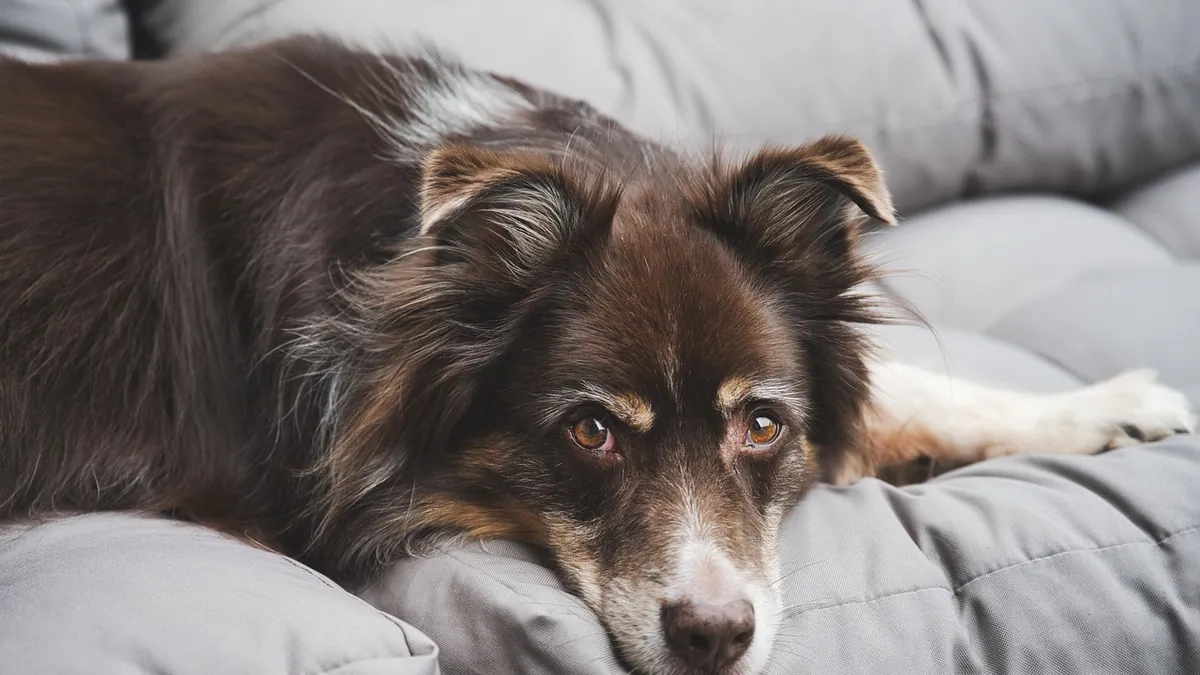
Kennel cough is usually a mild, self-limiting illness, and Mucinex is not an appropriate treatment for it in dogs. Giving human cold medicine to a dog can cause serious harm, and it does nothing to address the viral or bacterial causes of kennel cough. If your dog is coughing, your veterinarian is the right person to decide whether any medication is needed.
This article is educational and is not a substitute for veterinary diagnosis or treatment.
Quick Answer
- Mucinex is not recommended for dogs, and many multi-symptom versions contain ingredients that are toxic to them [1].
- Kennel cough is typically mild and self-limiting, meaning most dogs recover with rest and time [2].
- Cough suppressants and expectorants are rarely appropriate because coughing helps clear the airways, and suppressing it can hide worsening disease.
- Different Mucinex formulas contain different active ingredients, so the risk depends entirely on which product you have [1].
- If your dog swallowed Mucinex, call your veterinarian or a pet poison control hotline right away.
What Is Mucinex and What Do Veterinarians Use It For?
Mucinex is a brand of over-the-counter cold and flu medicine made for people. It comes in many formulas, and each one contains different active ingredients [1]. Some versions are single-ingredient. Many multi-symptom versions combine several drugs, including the active ingredient in Tylenol, which is toxic to dogs [1].
Veterinarians do not use Mucinex to treat kennel cough. In fact, Pet Poison Helpline states plainly that it is not recommended for dogs to take it [1]. When a veterinarian treats a coughing dog, they reach for drugs that have been studied in dogs, such as butorphanol, which significantly reduced cough frequency in a canine cough model [3]. That is a very different situation from reaching into your own medicine cabinet.
Does Mucinex Help Kennel Cough in Dogs?
No. There are two reasons for this.
First, kennel cough has multiple causes, including Bordetella bronchiseptica, canine parainfluenza virus, canine adenovirus 2, and canine influenza [2]. Mucinex does not treat any of these. It is a human cold remedy, not an antimicrobial or antiviral for dogs.
Second, the cough itself is a protective reflex. It moves mucus and debris out of the airways. Quieting that reflex with a human product does not shorten the illness, and it may make it harder for your dog to clear their airways. Cough suppressants in veterinary medicine are reserved for specific situations, and even then they are chosen and dosed by a veterinarian.
If you want to understand what actually helps during recovery, see How To Help Dog With Kennel Cough. For a broader look at the illness, read Treating A Dog With Kennel Cough.
How Does Mucinex Work in People, and Why Doesn't That Apply to Dogs?
The active ingredients in Mucinex products work in human bodies in specific ways. Guaifenesin is an expectorant, which means it is meant to thin mucus so a person can cough it up more easily. Other formulas add decongestants, cough suppressants, or pain relievers.
None of these actions have been established as safe or effective for kennel cough in dogs. The physiology is different, the dosing is different, and the disease is different. A drug that thins mucus in a person does not treat a Bordetella infection or a parainfluenza infection in a dog.
There is also a practical problem. Because Mucinex comes in so many formulas, owners often do not know which active ingredients they are dealing with [1]. That makes it hard to predict what will happen to your dog, and it makes treatment decisions harder for your veterinarian.
Dosing Basics for Dogs
There is no safe home dose of Mucinex for kennel cough. Your veterinarian calculates any medication dose from your dog's weight, age, health status, and the specific diagnosis. Never give a human cold medicine based on a guess or a number you read online.
If your veterinarian does prescribe a medication for your dog's cough, follow their instructions exactly. Give it at the times they set, with or without food as directed, and use the measuring device they provide. Do not switch to a human product because it seems similar.
If you miss a dose, do not double up. Call your veterinarian's office and ask what to do. They will tell you whether to give the missed dose late or skip it and wait for the next scheduled time.
Side Effects of Mucinex in Dogs
Different Mucinex formulas can cause different side effects in dogs [1]. The table below covers the general categories. This is not a complete list, and a veterinarian or poison control professional can give you case-specific guidance.
| Side effect | How common or serious | What to do |
|---|---|---|
| Vomiting, drooling, upset stomach | Common with many human medicines, usually not life threatening on its own | Call your veterinarian for advice |
| Sleepiness or wobbliness | Possible with some ingredients, can be serious if it worsens | Call your veterinarian or poison control |
| Agitation or racing heart | Possible with decongestant-type ingredients, serious | Treat as an emergency |
| Liver or organ injury | Serious, associated with Tylenol-type ingredients in multi-symptom products [1] | Emergency care right away |
| Seizures or collapse | Serious and uncommon, but possible with toxic ingredients | Emergency care right away |
Pet Poison Helpline notes that many multi-symptom Mucinex products contain Tylenol's active ingredient and other drugs that are toxic to dogs [1]. That is the biggest danger. A dog who eats the wrong formula can become very sick quickly.
Who Should Not Take Mucinex?
No dog should take Mucinex for kennel cough. That includes puppies, senior dogs, dogs with liver or kidney disease, dogs with heart conditions, and dogs already taking other medications.
Drug interactions are a real concern. Human cold formulas can interact with prescription medicines your dog already takes, and the combination can be unpredictable. If your dog is on any medication and swallowed Mucinex, tell your veterinarian and the poison control hotline exactly what your dog takes.
Puppies are especially vulnerable. Kennel cough can progress to bronchopneumonia in puppies, and it can become chronic bronchitis in debilitated adult or aged dogs [2]. A young or frail dog with a cough needs veterinary attention, not a home remedy.
Overdose and When to Call for Help
If your dog ate Mucinex, treat it as an overdose until a professional tells you otherwise. Call your veterinarian right away. You can also call a pet poison control hotline. Have the product bottle with you so you can read the exact ingredients and the strength of each one.
Signs that need emergency care include collapse, seizures, severe vomiting, difficulty breathing, a racing heart, or extreme sleepiness. Do not wait to see if things improve on their own.
If your dog is coughing but did not eat any human medicine, the question is different. A cough that lasts more than a few days, or one that comes with lethargy, poor appetite, or trouble breathing, deserves a veterinary visit. Kennel cough spreads easily among dogs in close confinement, such as boarding facilities and daycares [2], so tell your veterinarian about your dog's recent contacts.
Limitations and When to Contact a Veterinarian
This article cannot tell you what is wrong with your dog. Only a veterinarian who examines your dog can do that. Individual cases need a veterinarian, and the timing matters.
Contact your veterinarian the same day if your dog:
- Has a cough that started suddenly and is getting worse
- Is coughing up mucus or fluid
- Seems tired, is eating less, or is not drinking
- Has a dry, honking cough that keeps them awake at night
- Was recently at a kennel, daycare, groomer, or dog park
Go to an emergency clinic now if your dog:
- Struggles to breathe or breathes with the belly
- Has blue or pale gums
- Collapses or cannot stand
- Has seizures
- Ate Mucinex or another human cold medicine
Schedule a routine visit if your dog:
- Has had a mild cough for more than a few days
- Has a cough that comes and goes
- Is due for vaccines, including Bordetella and parainfluenza
Vaccination is part of prevention. A combination oral vaccine against Bordetella bronchiseptica and canine parainfluenza virus has been shown to provide one year of immunity in dogs vaccinated at six to eight weeks of age [4]. Ask your veterinarian which vaccines fit your dog's lifestyle.
If you are trying to sort out what kind of cough your dog has, Dog Coughing: Kennel Cough, Allergies, or Something Worse? walks through the differences. Some owners also confuse coughing with reverse sneezing, which is covered in Dog Reverse Sneezing Kennel Cough.
Frequently Asked Questions
Can I give my dog Mucinex for kennel cough?
No. Pet Poison Helpline does not recommend giving Mucinex to dogs, and many multi-symptom versions contain ingredients that are toxic to them [1]. Kennel cough is usually self-limiting, so most dogs do not need a cough medicine at all [2].
Is guaifenesin safe for dogs?
Guaifenesin is not established as a safe or effective treatment for kennel cough in dogs. Even if a single-ingredient product seems simpler, the dose, the risk, and the benefit have not been worked out for this disease. Your veterinarian can tell you whether any medication is appropriate for your dog.
How long does kennel cough last in dogs?
Kennel cough is typically a mild, self-limiting disease, which means it usually resolves on its own over time [2]. The exact duration varies from dog to dog. If your dog's cough is not improving, or is getting worse, call your veterinarian.
What can I give my dog for kennel cough instead?
Most dogs need rest, good hydration, and a clean, low-stress environment while their immune system clears the infection. Some dogs need prescription medication, and that decision belongs to your veterinarian. Do not substitute a human cold medicine for veterinary care.
What should I do if my dog already ate Mucinex?
Call your veterinarian or a pet poison control hotline immediately. Have the bottle ready so you can read the ingredients and strengths. Watch for vomiting, wobbliness, agitation, collapse, or seizures, and go to an emergency clinic if any of those appear.
Can kennel cough turn into something worse?
Yes. Kennel cough may progress to bronchopneumonia in puppies or to chronic bronchitis in debilitated adult or aged dogs [2]. That is one more reason a coughing dog needs a veterinary exam instead of a home remedy. Early treatment for complications makes a real difference.
Related Articles
- How To Help Dog With Kennel Cough
- Treating A Dog With Kennel Cough
- Can I Give My Dog Kennel Cough
- Dog Coughing: Kennel Cough, Allergies, or Something Worse?
- Dog Reverse Sneezing Kennel Cough
- Dog Cough Remedy
- Doxycycline for Kennel Cough in Dogs: Does It Help?
- Mucinex Side Effects in Dogs: What Owners Should Know
- Mucinex for Dogs: Dosage and Safety
- Bordetella bronchiseptica in Dogs and Cats: Kennel Cough Pathogenesis, Diagnosis, and Control
References
- Can I Give My Dog Mucinex. Pet Poison Helpline.
- Kennel Cough - Respiratory System. Merck Veterinary Manual.
- Comparative study of the effects of antitussive drugs in a canine acute cough model. Veterinary medicine and science, 2024.
- One year duration of immunity of a combination Bordetella bronchiseptica - canine parainfluenza oral vaccine in dogs. Frontiers in veterinary science, 2025.