Is Mucinex Safe for Cats? Dosage and Dangers
By Dr. Zubair Khalid, DVM, MS, PhD ·
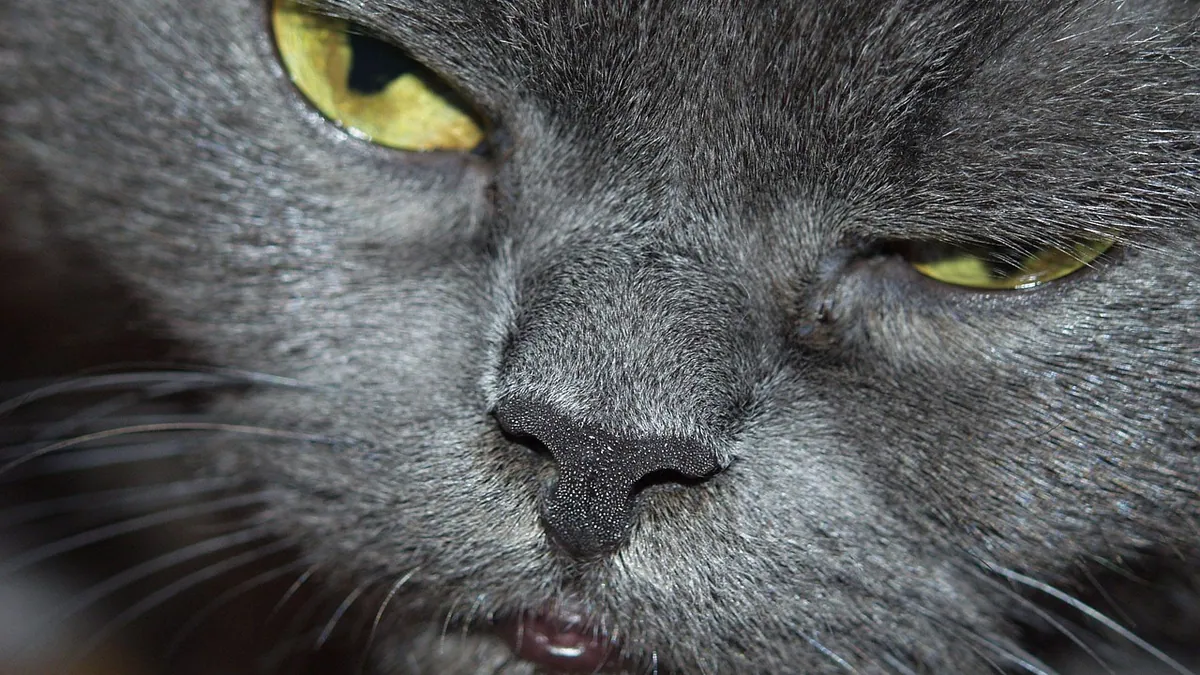
Is Mucinex safe for cats? No. Mucinex is a brand of human cold and cough products, and none of them are made for cats. Giving your cat Mucinex can cause serious poisoning, and some ingredients can be fatal even in small amounts.
This article is educational and is not a substitute for veterinary diagnosis or treatment.
Quick Answer
- Never give your cat Mucinex or any other human cough, cold, or sinus product.
- The active ingredient in most Mucinex products, guaifenesin, is not approved for cats and can cause vomiting, drooling, and wobbliness.
- Many Mucinex formulas also contain decongestants such as phenylephrine or pseudoephedrine, which are dangerous to cats and can raise heart rate, raise blood pressure, and cause seizures.
- If your cat licked or ate any Mucinex, call your veterinarian or a pet poison control hotline right away. Do not wait for symptoms.
- There is no home dose of Mucinex for cats. If your cat is congested, a veterinarian can choose a cat-safe treatment.
What Is Mucinex and What Do Veterinarians Use It For?
Mucinex is an over-the-counter line of human medications sold in the United States for chest congestion, cough, and sinus symptoms. The flagship ingredient is guaifenesin, an expectorant that is supposed to thin mucus so people can cough it up. Many Mucinex products combine guaifenesin with other drugs, including decongestants like phenylephrine and pseudoephedrine, cough suppressants like dextromethorphan, and pain relievers like acetaminophen.
Veterinarians do not prescribe Mucinex for cats. There is no veterinary version of Mucinex made for cats, and no Mucinex product is labeled for feline use. When a cat has nasal congestion, sneezing, or a runny nose, the cause is usually a respiratory infection, allergies, or irritants, and the treatment is different from what works in people.
Cats also handle drugs very differently from humans and dogs. Feline metabolism has unique sensitivities, and certain chemical structures that are safe for people can be hazardous to cats [1]. That is one reason human cold medicines are a poor fit for cats.
If your cat has a stuffy nose, the safe path is a veterinary exam. Your veterinarian can find the cause and pick a treatment that is actually made for cats. For a broader look at which human drugs are ever acceptable, see What Human Medications Are Safe for Cats? A Vet's Guide to OTC Options.
How Does Mucinex Work, and Why Is It Risky for Cats?
Guaifenesin works in people by making respiratory secretions thinner and easier to clear. In cats, the drug has no approved use, and the margin between a helpful amount and a harmful amount is not established. Cats are small, so a tablet or spoonful that seems minor to a person can be a large exposure for a cat.
The bigger problem is the combination products. Decongestants tighten blood vessels and stimulate the body. In cats, that stimulation can push heart rate and blood pressure up and can trigger tremors or seizures. Cough suppressants and pain relievers in combo formulas add their own risks. Acetaminophen, for example, is deadly to cats because their bodies cannot process it safely, as explained in Can I Give My Cat Tylenol? Why Acetaminophen Is Deadly for Cats.
Liquid Mucinex products often contain flavorings, sweeteners, and alcohol or other solvents. These add to the stomach upset and can worsen the overall toxicity. A cat does not need any of these ingredients.
Mucinex for Cats Dosage: Why There Is No Safe Number
There is no Mucinex for cats dosage. No dose of Mucinex is approved or recommended for cats, and you should not try to calculate one. A veterinarian calculates doses from the pet's weight and health, and that rule applies to every drug a cat receives.
Who Decides the Dose
Only a licensed veterinarian should decide what medicine your cat gets and how much. If a veterinarian ever prescribes a human medication for a cat, they will base the amount on your cat's exact weight, kidney and liver function, other medications, and the condition being treated. You should never copy a dose from a person, a dog, or an internet chart.
How Cat Medications Are Given
Cat medications come as liquids, tablets, capsules, transdermal gels, and injections. Your veterinarian will tell you the route, the timing, and whether to give the drug with food. Never crush, split, or mix a human product into your cat's food unless your veterinarian tells you to.
What to Do About a Missed Dose
If your cat is on a prescribed medication and you miss a dose, call your veterinary clinic for instructions. Do not double up to make up for the missed dose. If the missed medication is Mucinex that you were considering giving, the answer is simple. Skip it and call your veterinarian instead.
Side Effects of Mucinex in Cats
Cats react to Mucinex ingredients in different ways depending on the product and the amount. Some signs show up within minutes, others within a few hours.
| Side effect | How common or serious | What to do |
|---|---|---|
| Vomiting, drooling, nausea | Common with guaifenesin and liquid formulas | Call your veterinarian or poison control. Do not induce vomiting unless a vet tells you to |
| Wobbliness, sedation, unsteadiness | Common with many human cold drugs | Keep your cat quiet and away from stairs. Call your vet right away |
| Fast heart rate, high blood pressure, restlessness | Serious, linked to decongestants | Treat as an emergency. Go to a vet now |
| Tremors, seizures, collapse | Serious and life threatening | Emergency care immediately |
| Liver or kidney injury | Serious, can be delayed | Even if your cat looks fine, call poison control for guidance |
Vomiting and appetite changes are among the most frequent drug-related problems seen in cats, which is one reason veterinarians watch every medication closely [2]. Sedation is also a common adverse effect when cats receive certain injectable drugs, and it shows how sensitive cats can be to medications that alter alertness [3].
If you see any of these signs after a possible Mucinex exposure, treat it as an emergency. Do not wait to see if it passes.
Who Should Not Take Mucinex, and What Interacts With It?
No cat should take Mucinex. There is no group of cats for whom a human cough product is appropriate, including kittens, senior cats, pregnant or nursing cats, and cats with heart, kidney, liver, or thyroid disease. Cats with heart conditions are at extra risk from decongestants because those drugs stimulate the cardiovascular system.
Drug interactions matter too. If your cat already takes a prescription medication, adding a human cold product can change how those drugs behave or stack side effects. Cats being treated for serious illnesses are often on multiple drugs at once, and even approved veterinary drugs can cause meaningful side effects in that setting. For example, cats with lymphoma receiving cytarabine infusions had gastrointestinal side effects like altered appetite in 55.2% of cases and vomiting in 23.7%, plus anemia in 36.8% [2]. Adding an unapproved human drug on top of a treatment plan like that only raises the risk.
Cats on antiviral therapy for feline infectious peritonitis also need careful monitoring, since kidney values and urine protein are tracked before, during, and after treatment [4]. Any extra medication, even one you think is harmless, can muddy that picture.
If your cat takes any prescription, ask your veterinarian before giving anything new, including supplements and over-the-counter products. The same caution applies to other human drugs people ask about, such as antihistamines and sleep aids. For those, see Can You Give Your Cat Benadryl? Dosage and Safety Guide and Can I Give My Cat Melatonin? Safety, Dosage, and When to Avoid It.
Overdose and When to Call a Veterinarian or Poison Control
If your cat ate Mucinex, call for help right away. Call your veterinarian, an emergency veterinary hospital, or a pet poison control hotline. Have the product bottle with you so you can read the exact ingredients and the strength of each one. Tell the staff your cat's weight, how much you think was eaten, and when it happened.
Do not induce vomiting on your own. Making a cat vomit is harder than making a dog vomit, and success rates in cats are much lower. In one survey of veterinarians, only 40.4% had induced emesis in a cat in the previous year, compared with 99.7% for dogs, and success in cats was significantly reduced [3]. Emesis in cats is also more likely to cause sedation as an adverse effect [3]. That is a job for a veterinarian who can choose the right drug and dose.
Treatment for a Mucinex exposure depends on the ingredients and the amount. Your veterinarian may give activated charcoal, fluids, medication for tremors or heart rate, or supportive care. Some cats need to stay in the hospital for monitoring. Blood work may be repeated over one to two days because organ injury can show up later.
If you are not sure whether your cat got into the bottle, call anyway. A chewed blister pack or a punctured tube is enough reason to check. It is always better to call and be told your cat is fine than to wait and lose time.
Limitations and When to Contact a Veterinarian
This article covers general information, not your cat's specific case. Every exposure is different, and only a veterinarian who examines your cat can decide what treatment is needed.
Contact a veterinarian the same day if your cat may have licked or eaten Mucinex, even if your cat seems normal. Signs can be delayed, and early treatment is easier.
Go to an emergency clinic now if your cat has tremors, seizures, collapse, trouble breathing, a racing heart, severe vomiting, or is unresponsive. These signs can worsen quickly.
Schedule a routine visit if your cat has ongoing sneezing, nasal discharge, coughing, or congestion and has not seen a veterinarian. A vet can find the cause and offer a cat-safe treatment plan. If your cat has a chronic condition and is already on medication, bring the full list with you, including anything you have considered giving at home.
Frequently Asked Questions
Is Mucinex bad for cats?
Yes, Mucinex is bad for cats. Guaifenesin is not approved for feline use, and many Mucinex formulas contain decongestants and other drugs that can cause serious harm. There is no situation where you should give your cat Mucinex on your own.
Is there Mucinex for cats?
No, there is no Mucinex made for cats. The brand is for people only. If your cat needs help with congestion, a veterinarian can prescribe or recommend a product designed for cats.
What should I do if my cat ate Mucinex?
Call your veterinarian or a pet poison control hotline immediately. Bring the product packaging so the ingredients and strengths can be identified. Do not wait for symptoms and do not try to make your cat vomit at home.
Can I give my cat a smaller piece of Mucinex?
No. Cutting a tablet down does not make it safe. The ingredients are still not approved for cats, and a small piece can still cause poisoning in a small animal. Ask your veterinarian about cat-safe options instead.
How long do Mucinex symptoms take to show in a cat?
Signs can appear within minutes to a few hours, depending on the product and the amount eaten. Some problems, such as organ injury, may not show up until later. That is why a call to your veterinarian or poison control is needed right away, even if your cat looks fine.
Related Articles
- Can I Give My Cat Melatonin? Safety, Dosage, and When to Avoid It
- Can You Give Your Cat Benadryl? Dosage and Safety Guide
- What Human Medications Are Safe for Cats? A Vet's Guide to OTC Options
- Can I Give My Cat Tylenol? Why Acetaminophen Is Deadly for Cats
- Prednisolone for Cats: Feline Safe Steroid Dose and Autoimmune
- Can Cats Eat Catnip? Nepetalactone and Safe Use Guide
- Is Robitussin Safe for Cats? Dosage and Risks
- Can You Give a Cat Zyrtec? Dosage and Safety
- Claritin for Cats: Dosage, Safety, and Side Effects
References
- Predictive q-RASAR modeling of intrinsic toxicity of pharmaceuticals and bioactive compounds in cats. Journal of hazardous materials, 2026.
- Toxicity of Cytarabine Intravenous Constant Rate Infusion in Cats With Lymphoma. Veterinary and comparative oncology, 2026.
- Inducing emesis in Australian dogs and cats: agents, adverse effects and antiemetic administration. Australian veterinary journal, 2025.
- EXPRESS: Renal Health in Cats with Feline Infectious Peritonitis treated with GS-441524: Baseline Findings and Longitudinal Effects. Journal of feline medicine and surgery, 2026.