Doxycycline for Kennel Cough in Dogs: Does It Help?
By Dr. Zubair Khalid, DVM, MS, PhD ·
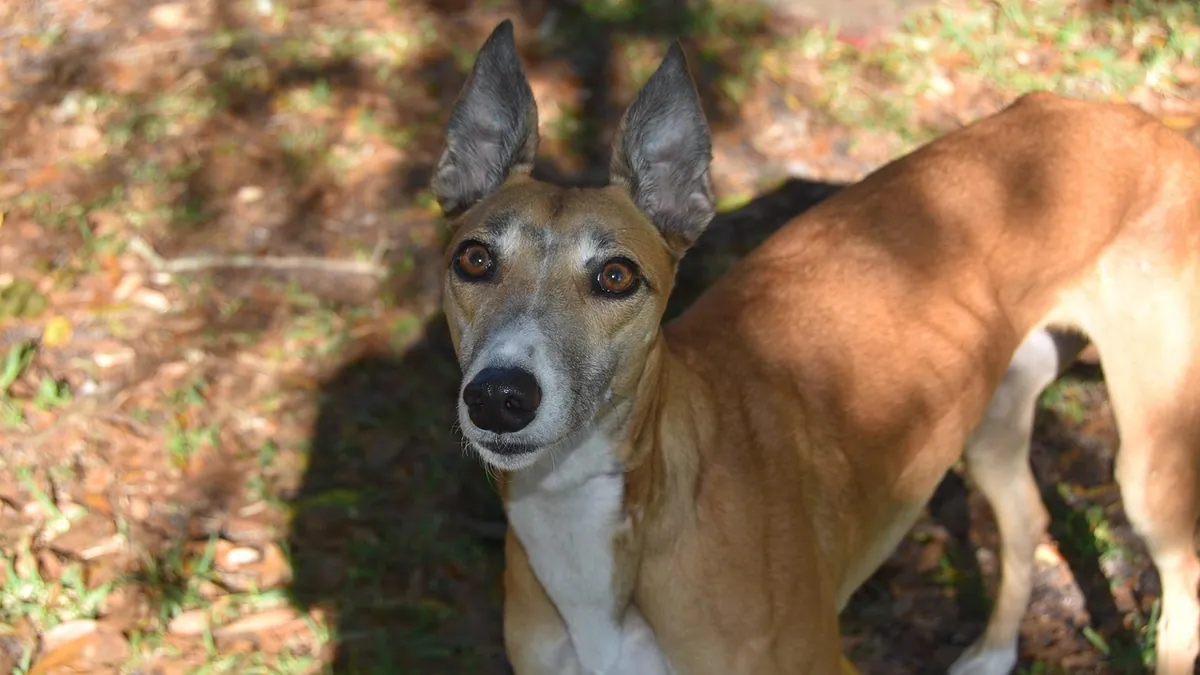
Kennel cough is usually caused by viruses, so antibiotics like doxycycline often do not help. A veterinarian may add doxycycline for dogs kennel cough when a bacterial infection such as Bordetella bronchiseptica or Mycoplasma is suspected or confirmed. This article explains when that happens, how the drug is dosed, and what to watch for.
This article is educational and is not a substitute for veterinary diagnosis or treatment.
Quick Answer
- Kennel cough is most often viral and mild, and it usually clears on its own without antibiotics [1].
- Doxycycline is added when your vet suspects a bacterial component, most commonly Bordetella bronchiseptica, or a secondary infection after viral damage to the airways [1].
- The dose is calculated by your veterinarian from your dog's weight and health, and it is typically given every 12 hours [2].
- Never give leftover doxycycline from another pet or a previous illness, and never stop early without asking your vet.
- Supportive care (rest, humidity, gentle leash walks, avoiding irritants) matters as much as any drug for most dogs with kennel cough.
What Doxycycline Is and What Veterinarians Use It For
Doxycycline is a tetracycline antibiotic. It works against a range of bacteria, and in dogs it is used for several different problems, including respiratory infections, tick-borne diseases, and heartworm treatment protocols [2][3][4].
In kennel cough, the target is bacteria. Kennel cough has multiple causes, including Bordetella bronchiseptica, canine parainfluenza virus, canine adenovirus 2, canine influenza, and less commonly canine distemper virus [1]. Bordetella can act as a primary pathogen on its own, especially in dogs, and bacteria such as Pseudomonas, Escherichia coli, and Klebsiella pneumoniae can cause secondary infections after a virus injures the respiratory tract [1]. Co-infections with Bordetella, parainfluenza, and adenovirus 2 are the most common pattern [1].
That mix is why antibiotics are sometimes but not always part of treatment. If your dog has a mild, classic kennel cough with a honking cough and normal energy, a virus is the likely driver. If your vet hears abnormal lung sounds, sees a fever, or finds evidence of pneumonia on x-rays, a bacterial infection becomes much more likely, and doxycycline may be a reasonable choice.
The role of Mycoplasma in kennel cough has not been clearly established, so a vet who treats for it is making a judgment call based on the exam and history [1].
How Doxycycline Works
Doxycycline stops bacteria from making the proteins they need to grow and multiply. It is bacteriostatic, meaning it slows bacterial growth and lets the dog's immune system clear the infection.
This matters for timing. The drug does not kill every bacterium instantly, so improvement usually takes a few days, and finishing the full course matters even after your dog sounds better. Stopping early can leave surviving bacteria behind and can contribute to antibiotic resistance, a concern that veterinarians are actively trying to address by using shorter courses when evidence supports it [3].
Doxycycline does nothing against viruses. If the infection is purely viral, the drug will not shorten the cough or speed recovery. That is the single most important thing to understand about this medicine in kennel cough.
Dosing Basics for Kennel Cough
Who decides the dose
Your veterinarian does. The dose depends on your dog's weight, the suspected organism, and any other health problems. A commonly used doxycycline dose in dogs is 10 mg/kg every 12 hours, and a lower dose of 5 mg/kg every 12 hours has also been studied in dogs [2]. These numbers come from research in dogs with heartworm disease, not kennel cough, so they are a general reference point and not a prescription for your pet [2]. Your vet will set the actual dose.
How it is given
Doxycycline is given by mouth, usually as a pill or liquid. Giving it with a small amount of food reduces the chance of stomach upset and helps protect the esophagus. Follow your vet's instructions about food, because doxycycline absorption can be affected by certain foods and supplements, especially those containing calcium, iron, or antacids.
If your dog spits out the pill or vomits soon after, call your vet's office for guidance instead of guessing at a second dose.
What to do about a missed dose
If you miss a dose, give it as soon as you remember, unless it is almost time for the next one. In that case, skip the missed dose and go back to your regular schedule. Do not double up to catch up. If you are unsure, call your veterinarian.
How long it is given
Duration depends on what is being treated. For heartworm-related protocols, doxycycline is often given for 28 to 30 days [2]. For Lyme disease in dogs, a 28-day course has been traditional, though veterinarians are now questioning whether shorter courses of about 10 days could work for uncomplicated cases [3]. For kennel cough, your vet will choose a length based on how your dog responds, and many courses run one to two weeks. Ask your vet for the exact end date and put it on your calendar.
Side Effects of Doxycycline in Dogs
| Side effect | How common or serious | What to do |
|---|---|---|
| Vomiting, nausea, or reduced appetite | Common and usually mild | Give with a small meal if your vet approves, and call the clinic if it continues past a day |
| Diarrhea | Common and usually mild | Keep water available, call your vet if it is severe or bloody |
| Esophageal irritation or stricture | Uncommon but serious | Give the pill with food or water and never give it dry right before bedtime |
| Sensitivity to sunlight | Uncommon | Limit long sun exposure during treatment |
| Fever or worsening cough | Uncommon, may signal pneumonia | Contact your veterinarian the same day |
| Signs of an allergic reaction (hives, facial swelling, trouble breathing) | Rare but an emergency | Stop the drug and seek emergency care immediately |
One serious concern in dogs is pneumonia, which can develop in dogs with swallowing problems. In a study of dogs with chronic cough, one dog with megaesophagus developed pneumonia during treatment with a different cough drug, which shows how quickly respiratory problems can escalate in dogs with underlying swallowing disease [5]. If your dog has megaesophagus or a history of regurgitation, tell your vet before starting any oral medication.
Who Should Not Take Doxycycline and What Interacts With It
Doxycycline is generally avoided or used with extra caution in dogs who are allergic to tetracycline antibiotics, dogs with significant liver disease, and pregnant or nursing dogs unless the vet decides the benefit outweighs the risk. Young growing puppies need a careful risk-benefit discussion because tetracyclines can affect tooth and bone development.
Interactions to mention to your vet include:
- Calcium, iron, magnesium, and aluminum supplements, which can bind the drug and reduce absorption
- Antacids and some ulcer medications
- Certain seizure medications and blood thinners
- Other antibiotics, especially those that also slow bacterial growth
Always give your vet a complete list of everything your dog takes, including over-the-counter supplements and joint chews. Timing matters too. If your dog takes a calcium supplement, your vet may ask you to separate the doses by a few hours.
Overdose and When to Call for Help
If your dog eats more doxycycline than prescribed, call your veterinarian right away. If your regular clinic is closed, call an animal poison control hotline. In the United States, the ASPCA Animal Poison Control Center can be reached at (888) 426-4435, and the Pet Poison Helpline can be reached at (855) 764-7661. Charges may apply for these services.
Signs that need urgent attention after an overdose include repeated vomiting, wobbliness, tremors, and collapse. Do not wait to see if it passes. Bring the pill bottle with you so the veterinary team knows the strength and how many tablets are missing.
Limitations and When to Contact a Veterinarian
Kennel cough is usually a mild, self-limiting disease, but it can progress to bronchopneumonia in puppies and to chronic bronchitis in debilitated adult or aged dogs [1]. That is why monitoring matters more than the prescription itself.
Call your veterinarian the same day if your dog:
- Refuses food or water for more than 24 hours
- Has a cough that is getting worse instead of better after several days
- Develops a wet or productive cough, or coughs up discharge
- Seems tired, weak, or less interested in walks
- Has a fever or feels warm to the touch
Go to an emergency clinic right away if your dog:
- Breathes with effort, with the belly moving hard, or with the elbows held out
- Has blue, gray, or pale gums
- Collapses or cannot stand
- Makes loud, raspy breathing sounds at rest
Schedule a routine recheck if the cough lasts more than two to three weeks, if it comes back after treatment, or if your dog has an underlying heart or lung condition. For day-to-day care at home, see How To Help Dog With Kennel Cough and Treating A Dog With Kennel Cough. If you are still deciding whether to see a vet, Dog Kennel Cough Symptoms And Treatment walks through the signs.
Every dog is different, and only a veterinarian who examines your pet can decide whether doxycycline is appropriate.
Frequently Asked Questions
Does doxycycline cure kennel cough?
No, it does not cure viral kennel cough. It only helps when a bacterial infection such as Bordetella or a secondary bacterial infection is part of the problem [1]. Many dogs recover with rest and supportive care alone.
Can I give my dog leftover doxycycline from a previous prescription?
No. The dose, duration, and even the decision to use it depend on your dog's current weight and diagnosis. Giving the wrong dose can cause side effects or leave an infection undertreated.
How fast does doxycycline work for a dog with kennel cough?
Most owners notice some improvement within two to three days if bacteria are truly involved. If your dog is not improving, or is getting worse, call your vet instead of waiting out the course.
Is doxycycline safe for puppies with kennel cough?
Puppies are more prone to severe kennel cough and to pneumonia, so they need prompt veterinary care [1]. Whether doxycycline is safe for a specific puppy depends on its age and development, and your veterinarian will make that call.
What if my dog vomits after taking doxycycline?
Vomiting is a common, usually mild side effect. Try giving the next dose with a small amount of food if your vet agrees, and call the clinic if vomiting continues, if your dog cannot keep water down, or if you see blood.
Can kennel cough spread to other dogs in my home?
Yes. Kennel cough spreads rapidly among dogs housed in close confinement, such as boarding facilities, daycares, and kennels [1]. Keep your dog away from other dogs until your veterinarian says the contagious period has passed.
Related Articles
- How To Help Dog With Kennel Cough
- Treating A Dog With Kennel Cough
- Dog Kennel Cough Symptoms And Treatment
- Can I Give My Dog Kennel Cough
- Dog Coughing Treatment
- Dog Cough Remedy
- What Does Doxycycline Treat in Dogs? UTIs, Ears, and More
- How Long Is Kennel Cough Contagious in Dogs?
- Pneumonia in Dogs: Treatment, Antibiotics, and Recovery
- Bordetella bronchiseptica in Dogs and Cats: Kennel Cough Pathogenesis, Diagnosis, and Control
References
- Kennel Cough - Respiratory System. Merck Veterinary Manual.
- Comparison of two doxycycline dosages on inflammatory and stress response in dogs naturally infected with Dirofilaria immitis. Parasites & vectors, 2026.
- Is 28 days of doxycycline still justified for canine Lyme arthropathy? A call for a randomized controlled trial. Journal of the American Veterinary Medical Association, 2026.
- A retrospective comparison of two-dose and three-dose melarsomine, with doxycycline and a macrocyclic lactone, in 1246 shelter dogs. Parasites & vectors, 2026.
- Pilot study: antitussive effect of gefapixant in dogs with chronic cough. The Journal of veterinary medical science, 2026.