Buprenorphine for Dogs: Dosage and Dosing Basics
By Dr. Zubair Khalid, DVM, MS, PhD ·
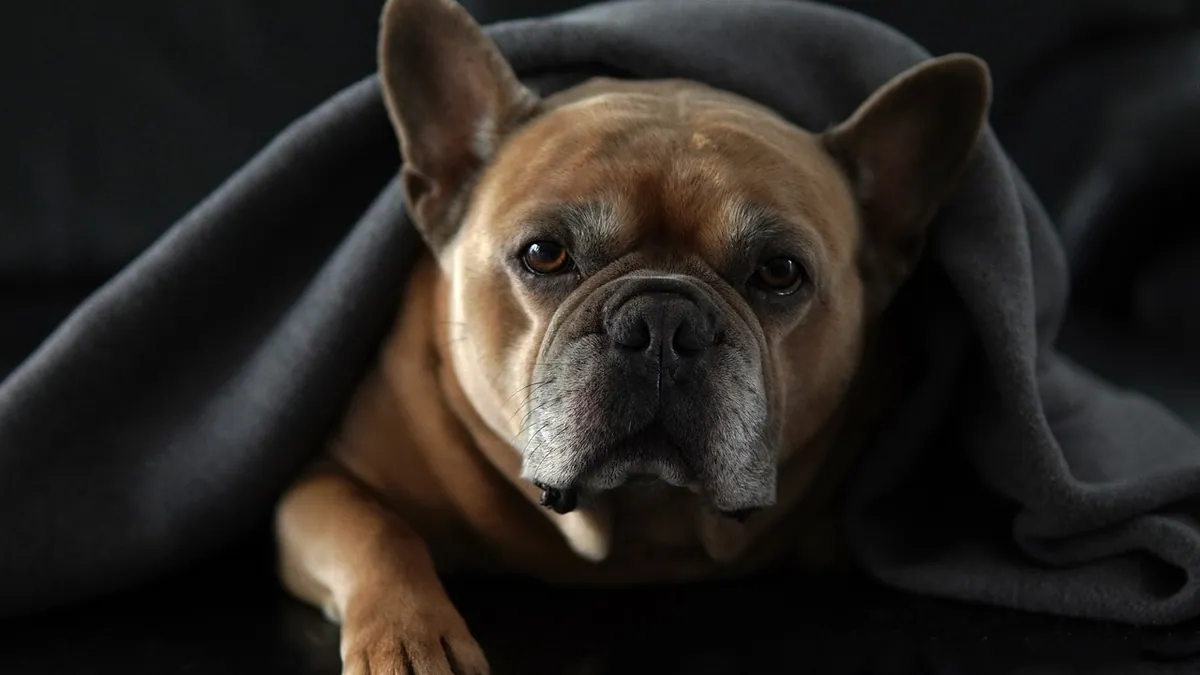
Buprenorphine is an opioid pain medication that veterinarians prescribe for dogs after surgery, after an injury, or for chronic pain. A buprenorphine for dogs dosage chart is not something you should apply at home, because the right amount depends on your dog's weight, the form of the drug, and the reason it was prescribed. Your veterinarian calculates the dose, and you give exactly what the label says.
This article is educational and is not a substitute for veterinary diagnosis or treatment.
Quick Answer
- Buprenorphine is a controlled opioid. It is dispensed by prescription only, and the dose on your label was chosen for your specific dog.
- Doses are measured in milligrams per kilogram (mg/kg) of body weight. A 0.02 mg/kg intravenous dose has been studied in healthy dogs [1], and a 0.2 mg/kg subcutaneous extended-release dose has also been studied in dogs [2]. These are not home doses and not a chart you should copy.
- The liquid concentration matters as much as the number on the label. A 0.3 mg/mL solution and a more concentrated solution can hold very different amounts of drug in the same volume of milliliters.
- Never change the dose, the timing, or the route on your own. Call your veterinarian if the label seems wrong or if your dog seems worse.
- Keep buprenorphine locked away from children, other pets, and anyone who might take it by mistake. It is a controlled substance.
What Buprenorphine Is and What Veterinarians Use It For
Buprenorphine is an opioid analgesic. It is used for pain control in veterinary medicine, and it has a pharmacology that differs from full mu-opioid agonists such as morphine and oxycodone [3]. That difference is part of why veterinarians reach for it in certain cases.
In dogs, buprenorphine is commonly used for:
- Short-term pain after surgery or a dental procedure
- Pain from an injury, wound, or minor procedure
- Pain control when a dog cannot take certain other pain medications
- Longer-lasting pain control with extended-release formulations in some cases
Veterinarians may give buprenorphine by injection in the clinic. They may also send a dog home with an oral transmucosal liquid, which is absorbed through the gums and cheek lining. Extended-release injectable forms exist and are given by a veterinarian, not by owners at home [2].
Because buprenorphine is a controlled substance, your veterinarian follows specific rules for prescribing and dispensing it. You may be asked to sign for it, show identification, or return unused medication. Follow those instructions carefully.
How Buprenorphine Works
Buprenorphine binds to opioid receptors in the brain and spinal cord. It partially activates the mu-opioid receptor and also blocks other opioid effects. That mixed activity is what makes its profile unique among opioids [3].
The practical result is pain relief with a ceiling on how much respiratory depression it can cause compared with full agonists. That does not make it risk-free. It can still cause sedation, nausea, and other side effects, and it can still be dangerous in an overdose.
How long it lasts depends on the form. A standard injectable dose acts for hours. An extended-release subcutaneous injection of 0.2 mg/kg in healthy beagles kept plasma concentrations at or above therapeutic thresholds for roughly 60 to 90 hours, depending on which threshold was used [2]. That is a long window, and it is one reason extended-release products are handled only by veterinarians.
Buprenorphine can also affect the eyes. In one study, a 0.02 mg/kg intravenous dose in healthy dogs caused a significant decrease in pupil size within 10 minutes [1]. You may notice smaller pupils after a dose. That is expected, but tell your veterinarian if you see it along with other concerning signs.
Buprenorphine for Dogs Dosage Chart Basics
There is no single universal chart that fits every dog. The dose depends on the dog's weight, the formulation, the route, and the reason for treatment. What follows is the framework your veterinarian uses.
Who Decides the Dose
Your veterinarian decides the dose. They calculate it from your dog's body weight in kilograms, the concentration of the product, and your dog's health history. They also decide the route, the frequency, and how many days of treatment are appropriate.
You should never calculate a dose from a chart you found online. A dose that is right for one dog and one product can be wrong for another dog or another product. If the label is hard to read or the numbers do not match what you remember being told, call the clinic before you give anything.
How the Dose Is Measured
Doses are written in milligrams per kilogram (mg/kg). The amount you actually draw up depends on the concentration of the liquid. Concentration is written in milligrams per milliliter (mg/mL).
Here is the idea in plain terms. If a liquid is 0.3 mg/mL, then 1 mL contains 0.3 mg of buprenorphine. A more concentrated liquid holds more drug in the same 1 mL. So two bottles with the same volume can deliver very different doses. This is why owners sometimes ask about "buprenorphine for dogs dosage ml" and get confused. The milliliters on the syringe are not the dose. The milligrams are the dose, and the milliliters are just how that dose is delivered.
A 0.3 mg/mL concentration has been used in pharmacokinetic work in other species [4], and it is a common strength for oral transmucosal liquids. Your veterinarian will tell you the exact concentration on your bottle.
How It Is Given at Home
Most at-home buprenorphine for dogs is an oral transmucosal liquid. You squirt it into the cheek pouch, between the cheek and the gums. You do not squirt it into the back of the throat, and you do not mix it into food unless your veterinarian tells you to.
Keep these points in mind:
- Wash your hands before and after giving the dose.
- Do not let the syringe tip touch your skin or your dog's teeth.
- Hold your dog's mouth closed gently for a moment so the liquid stays in contact with the gums.
- Do not give a second dose because you think the first one did not work. Call your veterinarian instead.
- Store the bottle as directed, usually away from heat and out of reach of children and pets.
If your dog is on other medications, ask your veterinarian whether any of them need to be timed around the buprenorphine. For a general look at how veterinarians calculate weight-based doses for dogs, see this guide to antibiotic dosage calculation for dogs. The math is similar, but the drug and the safety rules are not.
What to Do About a Missed Dose
If you miss a dose, do not double up. Give the next dose at the next scheduled time, or call your veterinarian for instructions. Doubling a dose of an opioid can cause serious sedation and breathing problems.
If you are not sure whether your dog actually swallowed or absorbed the dose, treat it as a missed dose and call the clinic. Do not guess.
Do Not Adjust the Dose Yourself
This is the most important rule in this article. Do not increase the dose because your dog still seems uncomfortable. Do not decrease it because your dog seems sleepy. Do not switch from one bottle to another without checking the concentration. Do not use a syringe from a different medication.
If pain seems poorly controlled, that is information your veterinarian needs. They may change the dose, add another medication, or switch to a different drug. That decision belongs to them.
Common and Serious Side Effects
Buprenorphine can cause side effects. Some are expected and mild. Others need a call or a visit.
| Side effect | How common or serious | What to do |
|---|---|---|
| Sleepiness or sedation | Common, usually mild | Let your dog rest. Call if your dog is hard to wake. |
| Smaller pupils | Expected after a dose | Note it. Call if it comes with wobbliness or vomiting. |
| Nausea or drooling | Possible, usually mild | Offer small amounts of water. Call if it continues. |
| Vomiting | Possible | Call your veterinarian if it happens more than once. |
| Decreased appetite | Possible with opioid use | Call if your dog will not eat for more than a day. |
| Slow or shallow breathing | Serious | Stop giving the medication and call an emergency clinic now. |
| Extreme sedation or collapse | Serious | Treat as an emergency. Go to a veterinary hospital now. |
| Agitation or unusual vocalizing | Uncommon | Call your veterinarian the same day. |
Dehydration can make side effects worse. If your dog is not drinking well, use this dog dehydration chart to check for warning signs, then call your veterinarian.
Who Should Not Take It and Drug Interactions
Buprenorphine is not right for every dog. Tell your veterinarian about every medication, supplement, and health condition before your dog starts treatment.
Dogs that may need extra caution or a different pain plan include:
- Dogs with known liver or kidney disease
- Dogs with breathing problems or a history of respiratory disease
- Dogs that are very young, very old, or very small
- Dogs that are pregnant or nursing
- Dogs with a history of seizures
- Dogs that have had a bad reaction to an opioid before
Drug interactions matter. Buprenorphine can add to the effects of other sedatives, including other opioids, benzodiazepines, and some anesthetics. It can also interact with medications that affect liver enzymes. Your veterinarian will review your dog's full medication list.
If your dog takes gabapentin for pain or anxiety, ask how the two should be timed. This gabapentin dosage calculator for cats and dogs explains how that drug is dosed, but your veterinarian still decides how it fits with buprenorphine. The same is true for over-the-counter medications. Do not add anything, including diphenhydramine, without asking first. If you are unsure how that drug is dosed in dogs, this Benadryl dosage calculator for dogs covers the basics, but it does not replace your veterinarian's instructions.
Overdose and When to Call a Veterinarian or Poison Control
An overdose of buprenorphine can cause dangerous sedation, slow breathing, and loss of consciousness. It can happen if a dog gets into the bottle, if a dose is doubled, or if a child or another pet is accidentally exposed.
If you think your dog received too much buprenorphine, call your veterinarian or an emergency veterinary clinic right away. You can also call the ASPCA Animal Poison Control Center at (888) 426-4435 or the Pet Poison Helpline at (855) 764-7661. These services may charge a consultation fee.
Do not wait for symptoms to appear. Do not try to make your dog vomit unless a veterinarian tells you to.
Bring the bottle with you to the clinic if you can. The concentration and the amount left in the bottle help the veterinarian decide on treatment.
Limitations and When to Contact a Veterinarian
This article gives general information. It cannot tell you the right dose for your dog. Only your veterinarian can do that after examining your dog and reviewing the prescription.
Call your veterinarian the same day if:
- Your dog seems more painful than before
- Your dog is vomiting or will not eat
- Your dog is unusually sleepy but still easy to wake
- You missed a dose or are unsure whether a dose was given
- The label is unclear or the bottle looks different from before
Go to an emergency clinic now if:
- Your dog is hard to wake or cannot stand
- Your dog's breathing is slow, shallow, or labored
- Your dog collapses or has a seizure
- You know or suspect an overdose
- Your dog's gums are pale, blue, or gray
Keep routine recheck appointments. Pain control often needs adjustment over the first few days, and your veterinarian can only adjust what they can see.
Frequently Asked Questions
Can I give my dog buprenorphine left over from a previous prescription?
No. Do not use leftover buprenorphine without a current prescription for that specific dog. The dose, the concentration, and the safety checks were set for a different situation, and giving it again can cause harm.
Why does the label say milliliters when my veterinarian talked about milligrams?
Milligrams are the dose and milliliters are the volume you measure. The concentration on the bottle links the two. This is why two bottles of the same size can deliver different doses.
Is buprenorphine safe to give with other pain medications?
Sometimes, but only when your veterinarian says so. Combining buprenorphine with other sedatives or pain drugs can increase sleepiness and breathing risk. Always disclose every medication your dog takes.
What should I do if my dog spits out the oral dose?
Do not give a second full dose. Call your veterinarian and describe what happened. They will tell you whether to wait until the next scheduled time or take another step.
How long does buprenorphine last in dogs?
It depends on the form. A standard dose lasts hours, while an extended-release injection given by a veterinarian has been shown to maintain therapeutic plasma levels for roughly 60 to 90 hours in healthy beagles [2]. Your veterinarian will set the schedule based on the product your dog received.
Related Articles
- Antibiotic Dosage Calculation for Dogs: A Practical Guide
- Pimobendan Vetmedin Cardiac Dose: Weight-Based CHF Dog Dosing Chart
- Dog Dehydration Chart
- Gabapentin Dosage Calculator for Cats & Dogs: Veterinary Dosage Guide
- Benadryl (Diphenhydramine) Dosage Calculator for Dogs: Veterinary Dosage Guide
- Dog Dehydration Chart Pdf
- Buprenorphine Side Effects in Dogs: Panting, Sedation, More
- How to Give a Dog Buprenorphine: Injection and Oral Tips
- Buprenorphine for Dogs With Kidney Disease: Safe Pain Relief?
References
- The effects of buprenorphine on ocular parameters in healthy dogs. Veterinary ophthalmology, 2026.
- Pharmacokinetics of a Single Subcutaneous Extended-Release Buprenorphine (Ethiqa XR) in Healthy Beagles. Journal of veterinary pharmacology and therapeutics, 2026.
- Buprenorphine: an old dog with new tricks. Current opinion in supportive and palliative care, 2025.
- Oral transmucosal buprenorphine provides short-term potential analgesia to domestic ferrets (Mustela putorius furo) when compared to intramuscular buprenorphine. American journal of veterinary research, 2026.