How Long Do Antibiotics Take to Work in Dogs?
By Dr. Zubair Khalid, DVM, MS, PhD ·
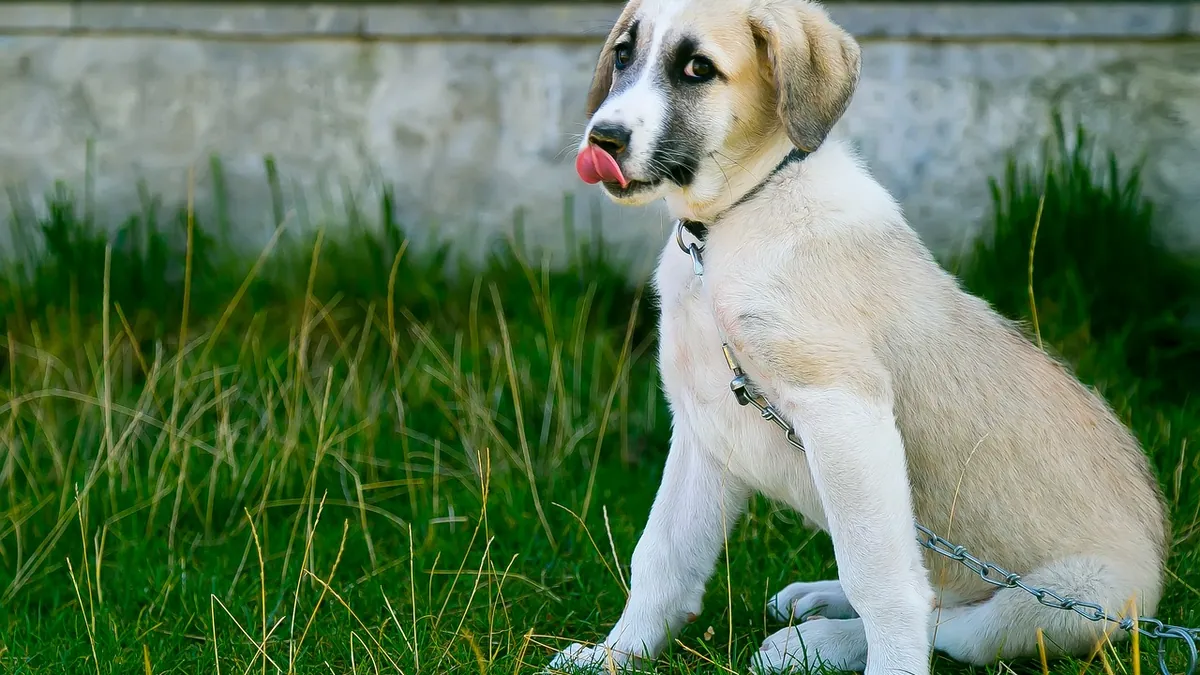
Most dogs start to feel better within 24 to 72 hours after starting antibiotics. You may see a return of appetite, more energy, and less fever or discharge in that window. If your dog is not improving in that time, or is getting worse, call your veterinarian.
This article is educational and is not a substitute for veterinary diagnosis or treatment.
Quick Answer
- Expect the first signs of improvement in 24 to 72 hours for most common bacterial infections.
- Finish the full course your veterinarian prescribes, even if your dog seems normal again in a few days.
- Give the medication exactly as directed, at the same times each day, with or without food as instructed.
- Mild stomach upset (vomiting, diarrhea, poor appetite) is a common side effect and often manageable [1].
- Call your veterinarian if there is no improvement after 48 to 72 hours, if your dog gets worse at any point, or if you see severe vomiting, diarrhea, or neurologic signs [1][2].
What Antibiotics Are and What Veterinarians Use Them For
Antibiotics are medications that attack and kill bacteria [1]. They do not treat viral infections, fungal infections, or parasites. Your veterinarian chooses an antibiotic based on the type of infection, the likely bacteria involved, your dog's size, and your dog's overall health.
Veterinarians use antibiotics to treat bacterial infections in many body systems. Common examples include skin and ear infections, urinary tract infections, dental infections, and infected wounds. Antibiotics are also used in some situations to prevent infection from developing, such as after certain surgeries or injuries [2].
One example of how targeted this can be: in dogs with open fractures, pathogenic bacteria are often already present at the time of surgical debridement, and the specific bacteria found guide which antibiotic is chosen [3]. That is why your veterinarian may take a sample for culture instead of guessing.
How Antibiotics Work in Dogs
Antibiotics work by attacking and killing bacterial infections before they can spread further [1]. Different classes of antibiotics work in different ways. Some break down the bacterial cell wall. Others stop bacteria from making proteins or copying their DNA. The goal is the same: reduce the bacterial population enough that your dog's immune system can clear the rest and tissues can heal.
This is why timing matters. The drug needs to reach a high enough concentration at the site of infection to stop bacterial growth. Some antibiotics reach certain tissues quickly. Others build up over days. For example, a single injectable antibiotic (cefovecin) stayed detectable in the tear film of dogs for the full 336 hours of a study, which is one reason some infections can be treated with less frequent dosing [4].
Your dog may still act sick for the first day or two even though the medication is already working. Fever, swelling, and pain take time to settle. Behavior often improves before the physical signs fully resolve.
How Long Do Dogs Antibiotics Take to Work?
For most uncomplicated bacterial infections, owners notice a difference within 24 to 72 hours. Appetite usually returns first. Energy comes next. Discharge, redness, or swelling may take a bit longer to fade.
Some infections need more time. Deep skin infections, bone infections, and infections inside the ear canal or urinary tract can take one to several weeks of treatment. Your veterinarian will tell you the expected course length for your dog's specific problem. Do not stop early just because your dog looks better.
If your dog has a chronic condition such as chronic enteropathy, judging improvement is genuinely difficult. Clinical activity scores used in research vary widely, and some apparent improvement may reflect measurement variability instead of true change [5]. In plain terms, your veterinarian may need to see your dog more than once to confirm the treatment is working.
If you are also managing a dog with anxiety or behavior concerns, medication timelines differ from antibiotics. You can read more about how long dog anxiety medication takes to work for comparison.
Dosing Basics: Who Decides, How to Give It, and Missed Doses
Your veterinarian calculates the dose from your dog's weight and health. Never adjust the dose on your own, and never give a medication prescribed for another pet or a human. Follow the label directions exactly.
How to give it. Most oral antibiotics are given with food to reduce stomach upset, but some must be given on an empty stomach. Ask your veterinarian which applies to your dog. If your dog spits out pills, ask about pill pockets, flavored liquids, or compounding. Do not crush or split tablets unless your veterinarian says it is safe.
Missed dose. If you miss a dose, give it as soon as you remember, unless it is almost time for the next one. In that case, skip the missed dose and continue on schedule. Never double up to catch up. Call your veterinarian if you are unsure.
Finish the course. Stopping early can let surviving bacteria regrow. It also encourages antibiotic resistance, which makes future infections harder to treat. If your dog cannot keep the medication down, call your veterinarian for an alternative instead of stopping on your own.
Common and Serious Side Effects
Antibiotics can affect your dog's digestive system just as they do in people [1]. Most side effects are mild and short lived. Some are serious and need immediate care.
| Side effect | How common or serious | What to do |
|---|---|---|
| Vomiting | Common, usually mild [1] | Give with food if allowed, call your vet if it continues |
| Diarrhea | Common, usually mild [1] | Keep water available, call your vet if it is severe or bloody |
| Loss of appetite | Common, usually mild [1] | Offer small bland meals, call your vet if your dog stops eating |
| Lethargy | Possible, monitor closely | Call your vet if your dog is hard to rouse or weak |
| Seizures or neurologic signs | Uncommon but serious [2] | Emergency care now |
| Severe metabolic signs | Uncommon but serious [2] | Emergency care now |
Gastrointestinal upset is one of the most common side effects of antibiotics in pets [1]. If your dog has diarrhea on antibiotics, you can read more about antibiotic side effects in dogs and what helps.
Some owners ask about probiotics. In a study of weaned puppies, probiotic supplementation was well tolerated and puppies receiving probiotics had fewer gastrointestinal infections and needed less antibiotic therapy [6]. That does not mean probiotics replace antibiotics. Ask your veterinarian before adding any supplement.
Who Should Not Take Antibiotics and What Interacts With Them
Antibiotics are not right for every dog. Your veterinarian will weigh the risks if your dog has kidney or liver disease, a history of seizures, allergies to a specific antibiotic class, or is pregnant or nursing. Tell your veterinarian about every medication, supplement, and topical product your dog receives.
Drug interactions matter. Some antibiotics bind to other medications in the gut and reduce how much gets absorbed. Others can add to sedation or affect the heart. Never combine medications without checking with your veterinarian first.
Antibiotics are sometimes used in breeding dogs, but the evidence for routine preventive use is weak. In one study of healthy breeding bitches, pregnancy rates did not differ significantly between those treated with antimicrobials before mating (81.7%) and those not treated (79.8%) [7]. This is a good reminder that antibiotics should be used when there is a real bacterial infection, not as a default.
Overdose: When to Call Your Veterinarian or Poison Control
Giving too much of an antibiotic can cause serious problems. Overdose signs range from mild gastrointestinal issues to serious metabolic and central nervous system effects, including seizures and death [2]. If you think your dog received too much, act right away.
Call your veterinarian first. If your veterinarian is not available, call Pet Poison Helpline at (855) 764-7661 or the ASPCA Animal Poison Control Center at (888) 426-4435. Have the medication name, strength, the amount given, and your dog's weight ready. Do not wait for symptoms to appear.
Prevention is simple. Follow the dosage instructions from your veterinarian exactly, store medications out of reach, and never leave pill bottles where a dog can chew them [2].
Limitations and When to Contact a Veterinarian
Every dog responds differently, and no article can tell you whether your dog's specific infection is responding. Your veterinarian needs to examine your dog, review the medication, and decide if the plan should change.
Call the same day if:
- Your dog has no improvement after 48 to 72 hours on antibiotics.
- Your dog seems worse instead of better.
- Your dog vomits repeatedly or has diarrhea that is worsening.
- Your dog refuses food or water for more than 24 hours.
Go to an emergency clinic now if:
- Your dog has a seizure, tremors, or extreme weakness [2].
- Your dog collapses or is difficult to wake.
- Your dog has severe vomiting, bloody diarrhea, or signs of dehydration.
- You suspect an overdose [2].
Schedule a routine recheck if:
- Your dog improved but symptoms are returning.
- You are near the end of the course and signs are not fully gone.
- You have questions about finishing the medication or switching drugs.
Frequently Asked Questions
Can my dog feel better before the infection is fully gone?
Yes, and this is common. Appetite and energy often return before the infection is completely cleared. That is why you should finish the full course your veterinarian prescribed even if your dog seems normal again.
What if my dog throws up the antibiotic?
Call your veterinarian. Sometimes giving the medication with food solves the problem. In other cases your veterinarian may switch to a different antibiotic or a different form. Do not repeat the dose unless your veterinarian tells you to.
Do I need to give antibiotics at the same time every day?
Yes, keeping a steady schedule helps maintain effective drug levels in your dog's body. Set phone reminders if needed. If your schedule makes a dose impossible, ask your veterinarian about adjusting the timing.
Can I give my dog human antibiotics?
No. Human antibiotics are dosed for people, and some are toxic to dogs. Giving the wrong drug or dose can cause serious harm [2]. Only use medication prescribed for your dog by a veterinarian.
How long are dogs usually on antibiotics?
It depends on the infection. Simple skin or urinary infections may need one to two weeks. Deep or bone infections can need several weeks or longer. Your veterinarian will set the length based on your dog's diagnosis and response to treatment.
Related Articles
- How Long Does Dog Anxiety Medication Take to Work?
- What Are the Side Effects of Antibiotics in Dogs?
- How Long Does A Dog Period Last
- How Long Does A Dogs Heat Last
- How Long Do Dog Periods Last
- How Long Do Dogs Live For
- Clindamycin for Dogs: Dosage, Uses, and Duration
- How Long Does Albon Take to Work in Dogs?
- How Long Can a Dog UTI Go Untreated? Risks and Timeline
References
- Can Antibiotics Give My Dog Diarrhea. Pet Poison Helpline.
- Antibiotic Overdose in Pets. Pet Poison Helpline.
- Open, appendicular fractures are often colonized with pathogenic bacteria at the time of definitive surgical debridement in dogs and cats. Journal of the American Veterinary Medical Association, 2026.
- Sustained Tear Film Exposure After Parenteral Cefovecin Administration in Dogs: Pharmacokinetics and Relevance to Canine Bacterial Keratitis. Veterinary ophthalmology, 2026.
- Rethinking clinical response criteria in trials of chronic enteropathy in dogs: what change is truly meaningful?. Journal of veterinary internal medicine, 2026.
- Probiotic Strains from Canine Milk Support Gastrointestinal Health in Weaning Labrador Retriever Puppies. Animals : an open access journal from MDPI, 2026.
- The Impact of Vaginal Bacteria and Antimicrobial Treatment on Pregnancy Outcomes in Healthy Breeding Bitches. Antibiotics (Basel, Switzerland), 2026.