Clindamycin for Dogs: Dosage, Uses, and Duration
By Dr. Zubair Khalid, DVM, MS, PhD ·
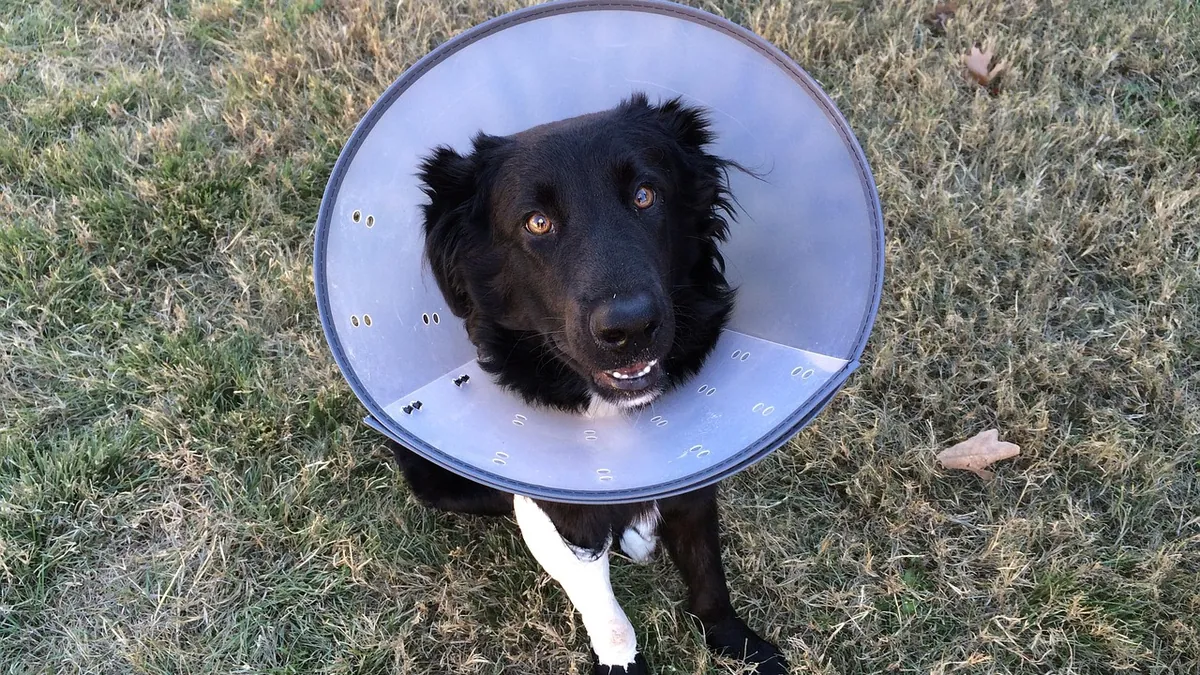
Clindamycin for dogs dosage is calculated by your veterinarian from your dog's body weight, the infection being treated, and your dog's overall health. Most owners give it as a capsule or liquid by mouth, usually two times a day, and most courses run for weeks instead of days. The exact number on your label matters more than any general rule you read online.
This article is educational and is not a substitute for veterinary diagnosis or treatment.
Quick Answer
- Clindamycin is a prescription antibiotic in the lincosamide class, used most often for skin infections, dental and bone infections, and some soft tissue infections [1].
- Your veterinarian decides the dose. There is no safe universal number you can apply at home, because dose depends on weight, the infection, and your dog's liver and kidney function.
- Give the full course even after your dog looks normal again. Stopping early is a common reason infections come back.
- Call your veterinarian if you see vomiting, diarrhea, drooling, or loss of appetite, since stomach upset is the most common problem with this drug.
What Clindamycin Is and What Veterinarians Use It For
Clindamycin belongs to a group of antibiotics called lincosamides. These drugs are made from an amino acid and a sulfur-containing sugar, and they are more stable in salt forms such as hydrochlorides and phosphates [1]. In veterinary medicine, lincomycin and clindamycin are the two lincosamides used most often [1].
Clindamycin works well against many gram-positive bacteria, and it penetrates bone and dental tissue better than many other oral antibiotics. That is why veterinarians reach for it in specific situations instead of using it as a general-purpose antibiotic.
Common reasons a veterinarian prescribes clindamycin include:
- Skin infections, including superficial pyoderma and infected wounds
- Dental infections, tooth root abscesses, and jaw bone infections
- Bone infections (osteomyelitis)
- Some respiratory and soft tissue infections
- Certain protozoal infections, depending on the case
One reason clindamycin is trusted for skin infections is that bacteria in this group are often susceptible to it. In a 2024 study of staphylococcal skin infection isolates from dogs with no recent antibiotic exposure, 100% of the isolates were susceptible to clindamycin [2]. That does not mean every skin infection will respond, but it does explain why veterinarians prescribe it so often for itchy, crusty, or pus-filled skin lesions.
Clindamycin is not the same as amoxicillin, cephalexin, or other common dog antibiotics. If you want to compare how these drugs are dosed by weight, see our guide to amoxicillin dog and cat dosing and our article on cephalexin for skin infections.
How Clindamycin Works
Clindamycin stops bacteria from building the proteins they need to survive and multiply. It binds to the bacterial ribosome, which is the cell's protein factory, and shuts that factory down. Because the drug targets a structure that human and dog cells do not share, it can kill bacteria without directly harming your dog's cells.
There is a catch that matters for treatment planning. Bacteria that become resistant to one drug in this family often become resistant to related drugs too. This is called cross-resistance, and it happens because macrolides, lincosamides, and streptogramin group B antibiotics all act on similar targets. The pattern is known as MLSB resistance, and it can extend to ketolides as well [1].
There is also a tricky form of resistance called inducible cross-resistance. In some bacteria, a strain can look susceptible to clindamycin on a standard lab test, but if the dog was exposed to a macrolide antibiotic first, the bacteria can switch on resistance quickly [1]. Because of this, labs sometimes run a special test called a D-zone test when a bacterium is resistant to macrolides but appears susceptible to clindamycin [1]. Other resistance mechanisms include pumping the drug out of the bacterial cell or destroying the drug outright [1].
For you as an owner, the practical takeaway is simple. If your dog was recently on another antibiotic, especially a macrolide, tell your veterinarian. That history can change which antibiotic is the best choice.
Clindamycin for Dogs Dosage: How the Dose Is Decided
Your veterinarian calculates the clindamycin dose from your dog's body weight and the type and severity of the infection. There is no single number that fits every dog. A dose that treats a skin infection may differ from a dose for a bone infection, and a dog with liver or kidney problems may need a different plan.
Capsule Strengths and Liquid Forms
If your dog weighs less than the smallest capsule can cover, your veterinarian may prescribe a liquid suspension instead, or may split the dose across the day. Never open a capsule or split a tablet unless your veterinarian tells you to. Some formulations are bitter, and crushing or opening them can make your dog drool heavily or refuse food.
How to Give It
- Give the dose at the times written on the label, usually every 12 hours.
- Give it with a small amount of food unless your veterinarian says otherwise. Food reduces stomach upset.
- Use the dosing syringe or spoon that came with a liquid, not a kitchen spoon.
- If you are also giving other medications, ask your veterinarian about timing. Some drugs should be separated by a few hours.
- Keep a simple written log of each dose. It helps you spot missed doses and helps your veterinarian adjust the plan.
If you want to understand how veterinarians turn a weight into a dose, our article on antibiotic dosage calculation for dogs walks through the math.
What to Do About a Missed Dose
If you miss a dose, give it as soon as you remember, unless it is almost time for the next one. In that case, skip the missed dose and go back to your regular schedule. Do not double up to catch up. Doubling a dose raises the risk of stomach upset and does not help your dog heal faster.
How Many Days Does a Course Last?
This is the question owners ask most, and the honest answer is that it depends on the infection. Skin infections often need several weeks of treatment, and your veterinarian may recheck your dog before stopping the drug. A 2026 study of canine superficial pyoderma compared dogs treated until clinical resolution with dogs treated for seven extra days beyond resolution. Recurrence happened in both groups, with median follow-up times to recurrence of 67.5 days in the extended group and 69 days in the shorter group [3]. That study does not settle the ideal duration, but it shows that duration decisions are genuinely case by case.
The one rule that always applies is this. Finish the entire course your veterinarian prescribed, even if your dog looks completely normal after a few days. Stopping early leaves surviving bacteria behind, and those bacteria are more likely to be resistant the next time.
Side Effects of Clindamycin in Dogs
Most dogs tolerate clindamycin well, but stomach upset is common. The table below covers what owners typically see.
| Side effect | How common or serious | What to do |
|---|---|---|
| Vomiting | Common, usually mild | Give with food, call your veterinarian if it repeats |
| Diarrhea | Common, usually mild | Offer bland food if approved, call if it is bloody or lasts more than a day |
| Drooling or lip smacking | Common with bitter liquid or opened capsules | Do not open capsules, call your veterinarian about a different form |
| Loss of appetite | Fairly common | Call your veterinarian if your dog skips more than one meal |
| Itching, hives, facial swelling | Uncommon, potentially serious | Stop the drug and call your veterinarian right away |
| Severe bloody diarrhea | Rare, serious | Stop the drug and seek veterinary care the same day |
| Liver enzyme changes | Uncommon, found on bloodwork | Your veterinarian may monitor bloodwork during long courses |
Severe bloody diarrhea deserves special attention. Antibiotics can disrupt the normal gut bacteria, and in rare cases this leads to a serious overgrowth of toxin-producing bacteria. If your dog has bloody diarrhea, seems painful in the belly, or becomes weak, treat it as an urgent problem.
Who Should Not Take Clindamycin and What Interacts With It
Clindamycin is not right for every dog. Tell your veterinarian about your dog's full medical history before you start.
Dogs that may need a different antibiotic include:
- Dogs with known allergy to clindamycin or other lincosamides
- Dogs with significant liver disease
- Dogs with severe kidney disease
- Dogs currently taking a macrolide antibiotic, because of the cross-resistance risk [1]
- Dogs with a history of antibiotic-associated bloody diarrhea
Drug interactions matter too. Because resistance can develop quickly when lincosamides and macrolides are used close together, your veterinarian will want to know about any recent antibiotic use [1]. Some other drugs, including certain muscle relaxants and seizure medications, can interact with clindamycin. Always bring a complete list of everything your dog takes, including supplements and flea and tick products.
One more point about antibiotic use in general. Antibiotics are sometimes given to dogs in situations where they may not be needed, such as breeding management, where diagnostic uncertainty can drive prescribing [4]. If you are ever unsure why your dog is on an antibiotic, ask. A good question now can prevent a resistant infection later.
Overdose and When to Call for Help
If your dog eats extra capsules or drinks a whole bottle of liquid, do not wait for symptoms. Call your veterinarian or a pet poison hotline immediately. Have the bottle with you so you can read the strength and the amount your dog may have swallowed.
Signs that could follow a large overdose include heavy vomiting, drooling, wobbliness, and lethargy. These signs can also appear with a normal dose in a sensitive dog, so the amount matters when you make the call.
If your regular veterinarian is closed, call an emergency clinic or a pet poison control service. Keep the number saved in your phone before you ever need it, and keep all pet medications in a closed cabinet that your dog cannot reach.
Limitations and When to Contact a Veterinarian
This article gives you general information, not a treatment plan. Your dog's individual case needs a veterinarian who can examine your dog, weigh your dog, and review any lab work.
Contact your veterinarian the same day if:
- Your dog vomits repeatedly or cannot keep food or water down
- Your dog has diarrhea that is bloody or lasts more than 24 hours
- Your dog refuses food for more than one day
- You see hives, facial swelling, or trouble breathing (this is an emergency, go now)
- You miss more than one dose and are unsure how to restart
Call for a routine recheck if:
- The infection looks the same or worse after several days of treatment
- New lesions, lumps, or sores appear
- Your dog seems painful or itchy in new places
- You are near the end of the course and want to know whether to stop
If your dog has a skin condition that keeps flaring, your veterinarian may want to look at the whole picture, including allergies and other treatments. Our article on corticosteroid therapy for canine atopic dermatitis explains how long-term skin management is planned.
Frequently Asked Questions
Can I give my dog human clindamycin?
Only if your veterinarian prescribed it and gave you the exact dose for your dog's weight. Human capsules come in strengths that may not match your dog's needs, and the dose is not the same as a person's dose. Never use leftover human antibiotics without veterinary guidance.
How long does it take for clindamycin to start working?
Many dogs show some improvement within a few days, but skin and dental infections often need longer before they look clearly better. If your dog is not improving at all after several days, call your veterinarian. Do not stop the drug on your own.
Should I give clindamycin with food?
Yes, giving it with a small meal usually reduces nausea and drooling. If your veterinarian told you to give it on an empty stomach for a specific reason, follow those instructions instead. When in doubt, call and ask.
Can clindamycin be used for a dog with a tooth abscess?
Yes, it is commonly used for dental and bone infections because it penetrates those tissues well. Dental disease often needs more than antibiotics, though. Your veterinarian may recommend a cleaning or extraction once the infection is under control.
What happens if I stop the antibiotic early?
The infection may come back, and the bacteria may be harder to treat the second time. Always finish the full course your veterinarian prescribed unless they tell you to stop. If side effects make it hard to continue, call your veterinarian instead of quitting on your own.
Related Articles
- Antibiotic Dosage Calculation for Dogs: A Practical Guide
- Apoquel Oclacitinib Daily Dose: Itch Relief Dosing Chart for Dogs
- Amoxicillin Dog Cat Dose: Broad-Spectrum Antibiotic Weight-Based Guide
- Corticosteroid Therapy in Canine Atopic Dermatitis: Dosing and Monitoring
- Cephalexin for Dogs: Weight-Based Skin Infection Antibiotic Dosing
- Renal Dosing Adjustments for Commonly Used Veterinary Antimicrobials
- Clindamycin Side Effects in Dogs: What to Watch For
- Clindamycin for Dogs: Ear Infections, UTIs, and Teeth
- Neomycin for Dogs: Weight-Based Dosage and Duration
References
- Lincosamides Use in Animals - Pharmacology. Merck Veterinary Manual.
- Staphylococcal skin infection isolates from dogs without recent antibiotic exposure are 100% susceptible to clindamycin. Frontiers in veterinary science, 2024.
- Antibiotic Discontinuation at Clinical Resolution Versus Seven Additional Days for Canine Superficial Pyoderma: A Randomized Clinical Study. Veterinary sciences, 2026.
- Practices and perceptions of antibiotic use in canine breeding: a survey among breeders and veterinarians. Frontiers in veterinary science, 2026.