How Long Does Albon Take to Work in Dogs?
By Dr. Zubair Khalid, DVM, MS, PhD ·
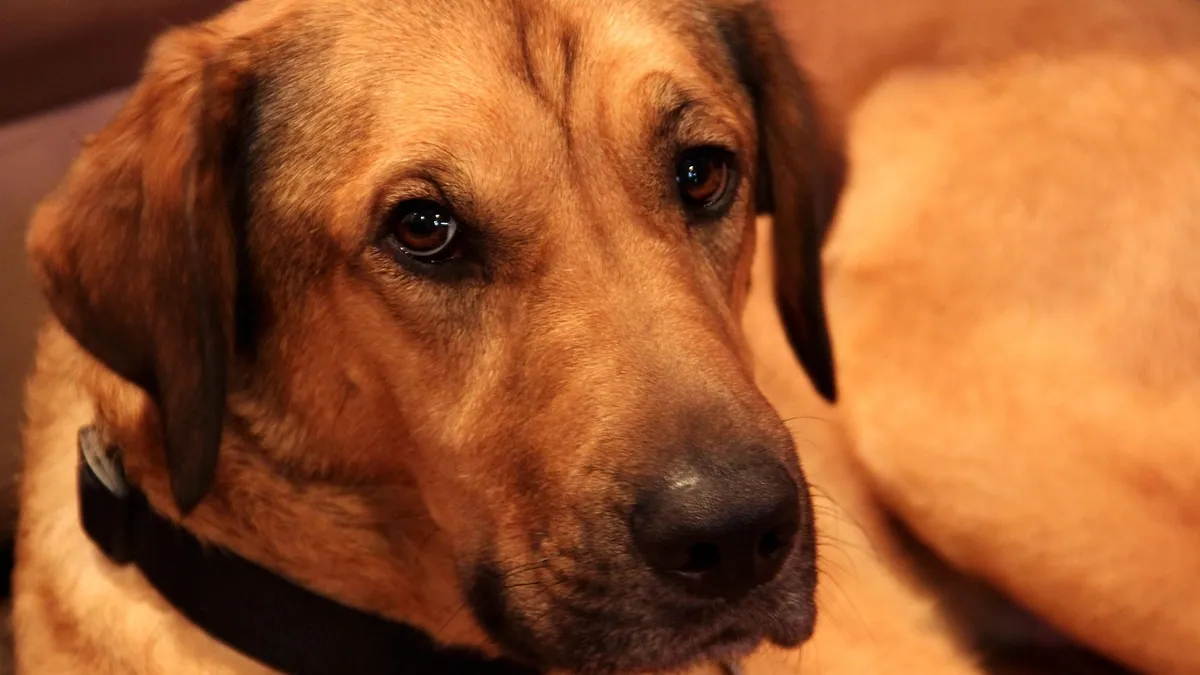
Most dogs with coccidiosis start to improve within 3 to 5 days of starting Albon, though some need the full course before stools firm up completely. Albon for dogs how long to work varies with the severity of the infection, the dog's age, and whether other problems are present. This article is educational and is not a substitute for veterinary diagnosis or treatment.
Quick Answer
- Albon (sulfadimethoxine) is an antibiotic that treats coccidia, a microscopic intestinal parasite, in dogs.
- Many dogs show less diarrhea and more energy within 3 to 5 days, but the stool may stay soft longer.
- Coccidia can keep shedding in the stool even after your dog seems better, so finish the entire prescription.
- If there is no improvement at all after 3 to 5 days, or your dog gets worse, call your veterinarian for a recheck.
- Puppies, seniors, and dogs with other illnesses may respond more slowly and need closer monitoring.
What Albon Is and What Veterinarians Use It For
Albon is the brand name for sulfadimethoxine, an antibiotic in the sulfonamide family. In dogs, veterinarians most often prescribe it to treat coccidiosis, an infection caused by single-celled parasites called coccidia that live in the lining of the small intestine. Coccidia are common in puppies, dogs from shelters or breeding kennels, and dogs under stress or with weakened immune systems.
Coccidia damage the intestinal lining, which leads to watery or bloody diarrhea, mucus in the stool, and sometimes vomiting, dehydration, and poor appetite. Albon does not kill the parasite directly the way some antiparasitics do. It stops the coccidia from multiplying, which gives the dog's immune system time to clear the infection and the gut time to heal.
Veterinarians sometimes use sulfadimethoxine for other bacterial infections too, but coccidiosis is by far the most common reason it is prescribed in dogs. Your veterinarian may also recommend a fecal test to confirm coccidia before or after starting treatment, because many other conditions cause similar diarrhea.
How Albon Works
Sulfadimethoxine works by blocking a step in how bacteria and coccidia make folate, a B vitamin they need to grow and divide. Dogs get folate from their food, so their cells are not affected the same way. This is why the drug can target the parasite while sparing the dog's own tissues.
Because Albon stops growth instead of killing the organism outright, the infection clears gradually. The drug needs to reach a steady level in the bloodstream, and that takes time. In a related example of how drug levels build, a constant rate infusion of metoclopramide without a loading dose takes about 3.25 hours to reach steady state [1]. Albon is given differently, but the principle is the same: the medicine has to accumulate before you see the full effect.
The immune system does much of the actual work of clearing coccidia. That is one reason puppies and dogs with other health problems can take longer to improve. A dog dealing with a serious systemic infection such as melioidosis, for example, can have widespread organ and tissue involvement that slows recovery [2]. Coccidiosis is far less severe in most cases, but the general rule holds: the sicker the dog, the slower the response.
Albon Dosing Basics
Who Decides the Dose
Your veterinarian calculates the Albon dose based on your dog's weight, the severity of the infection, and your dog's overall health. Never guess a dose or reuse a prescription from a previous illness. Doses are not the same for every dog, and giving too much or too little can cause problems.
How It Is Given
Albon comes as tablets and as a liquid suspension. Most veterinarians prescribe it once daily for 5 to 20 days, depending on how the infection responds. Giving it with a small amount of food can reduce stomach upset. If your dog vomits right after a dose, call your veterinarian before giving another one.
Missed Doses
If you miss a dose, give it as soon as you remember, unless it is almost time for the next one. In that case, skip the missed dose and go back to your regular schedule. Do not double up to make up for a missed dose. If you miss more than one dose, call your veterinarian for guidance.
Finishing the Course
Finish the full course even if your dog seems normal. Coccidia can still be present and shedding in the stool after symptoms stop. Stopping early can lead to a relapse and may contribute to resistant infections.
Common and Serious Side Effects
| Side effect | How common or serious | What to do |
|---|---|---|
| Vomiting or nausea | Common, usually mild | Give with food. Call your vet if it continues. |
| Diarrhea that does not improve or worsens | Common early, can signal treatment failure | Call your vet if no improvement after 3 to 5 days. |
| Loss of appetite | Common, usually mild | Offer small bland meals. Call your vet if your dog stops eating. |
| Dry eye (keratoconjunctivitis sicca) | Uncommon but serious with long-term use | Watch for red, cloudy, or painful eyes. Call your vet right away. |
| Blood in urine, pale gums, or bruising | Rare but serious, can signal a blood disorder | Stop the drug and seek emergency care. |
| Hives, facial swelling, or trouble breathing | Rare, serious allergic reaction | Emergency care immediately. |
| Seizures or wobbliness | Rare, serious | Emergency care immediately. |
Sulfonamides can cause dry eye in dogs, and this risk goes up with longer courses. Tell your veterinarian if your dog has had eye problems before. Blood disorders are rare but can happen, so report any unusual bruising, nosebleeds, or weakness.
Who Should Not Take Albon and Drug Interactions
Albon is not right for every dog. Tell your veterinarian about all medications, supplements, and health conditions before you start.
Dogs with known sulfa allergies should not take Albon. Dogs with liver or kidney disease need careful dosing or a different drug, because sulfadimethoxine is processed by the liver and cleared by the kidneys. Dogs with certain blood disorders or immune conditions may also need an alternative.
Albon can interact with other drugs. It may increase the effects of some seizure medications, blood thinners, and diabetes drugs. It can also interact with other sulfa antibiotics and with some pain medications. Drug interactions are not always predictable. In one study, CBD exposure was higher when given with carprofen, though the differences were not significant [3]. That study looked at different drugs, but it shows why your veterinarian needs the full list of everything your dog takes.
Do not give Albon with other sulfa drugs unless your veterinarian specifically directs it. Do not give human sulfa products to your dog.
Overdose and When to Call a Veterinarian or Poison Control
If your dog eats more Albon than prescribed, call for help right away. Signs of overdose can include vomiting, diarrhea, wobbliness, and blood changes. Do not wait for symptoms to appear.
Call your veterinarian first. If they are closed, call the ASPCA Animal Poison Control Center at (888) 426-4435 or the Pet Poison Helpline at (855) 764-7661. Keep the medication bottle with you so you can tell them the strength and how much your dog ate.
Limitations and When to Contact a Veterinarian
Albon does not work instantly, and some dogs need a recheck even when things seem to be going well. Call your veterinarian the same day if your dog vomits repeatedly, refuses food for more than 24 hours, or seems more tired than before treatment started.
Seek emergency care now if your dog has blood in the stool, a swollen face, trouble breathing, pale gums, bruising, a seizure, or collapse. These can be signs of a serious reaction or a different, more urgent problem.
Schedule a routine recheck if your dog's stool is still soft after the full course, if symptoms come back after treatment ends, or if you are unsure whether the infection has cleared. A repeat fecal test can confirm whether coccidia are still present.
Every dog is different. Your veterinarian is the only person who can judge your dog's response and decide whether to continue, change, or stop treatment.
Frequently Asked Questions
How long does Albon take to work in dogs?
Most dogs start to feel better within 3 to 5 days, but the full effect can take longer. Stool consistency often lags behind appetite and energy, so do not panic if your dog seems brighter before the diarrhea resolves.
Why is my dog's stool still soft after starting Albon?
The gut lining needs time to heal after the parasite is controlled. Soft stool for a few days after starting treatment is common. If it is still soft after the full course, ask your veterinarian about a recheck.
Can I stop Albon once my dog feels better?
No. Finish the entire prescription even if your dog seems normal. Stopping early can let the infection return and may make it harder to treat the next time.
What if my dog vomits after taking Albon?
Give the next dose with a small meal and call your veterinarian. If your dog vomits repeatedly or cannot keep food or water down, that is a same-day concern.
Does Albon treat other kinds of diarrhea in dogs?
Albon targets coccidia and some bacteria, but many causes of diarrhea need different treatment. If your dog does not improve on Albon, your veterinarian will look for other causes such as diet problems, other parasites, or chronic intestinal disease. Managing chronic gut inflammation often involves diet changes and immune-suppressing drugs, and response can take a month or longer [4]. If your dog's symptoms do not fit coccidiosis, ask your veterinarian about the next step.
Related Articles
- How Long Does Dog Anxiety Medication Take to Work?
- How Long Does A Dogs Heat Last
- How Long Does A Dog Period Last
- How Long Do Dog Periods Last
- How Long Does A Dog Stay In Heat
- How Long Do Dogs Sleep
- What Is Albon Used For in Dogs?
- Albon Side Effects in Dogs: What to Expect
- How Long Does Drontal Take to Work in Dogs?
References
- Bolus and infusions of metoclopramide: insights on benefits and risks from pharmacokinetic modelling. The Journal of small animal practice, 2026.
- Melioidosis in dogs and cats: 18 cases. Journal of veterinary internal medicine, 2026.
- Pharmacokinetics of Buccally Administered Cannabidiol and Oral Carprofen During Single- and Repeated-Dose Administration in Dogs. Journal of veterinary pharmacology and therapeutics, 2026.
- Retrospective evaluation of short- and medium-term therapeutic response to different immunosuppressive and dietary approaches in 148 dogs diagnosed with immunosuppressant-responsive enteropathy. Open veterinary journal, 2025.