Why Does My Dog Shake or Roll After Vetsulin? What to Do
By Dr. Zubair Khalid, DVM, MS, PhD ·
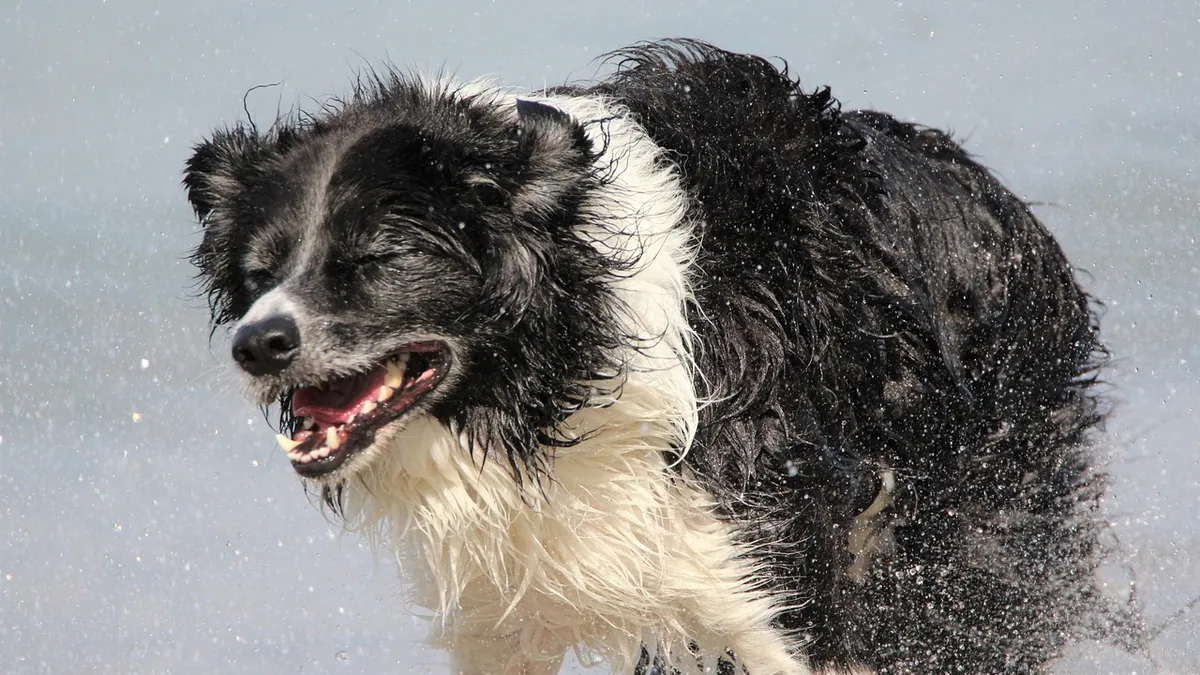
Shaking or rolling right after a Vetsulin injection often points to low blood sugar (hypoglycemia), though some dogs also do it from the sting of the shot or from stress. The timing matters. Signs that start within an hour or two of the injection, especially with wobbling, drooling, or confusion, need fast action. This article is educational and is not a substitute for veterinary diagnosis or treatment.
Quick Answer
- Shaking, trembling, or rolling shortly after an insulin shot is most often linked to blood glucose dropping too low, not to the insulin itself being "bad."
- If your dog is alert and can swallow, offer a small meal or a sugar source your veterinarian has approved, then recheck glucose if you have a meter.
- If your dog is weak, disoriented, collapsing, having a seizure, or cannot swallow, treat it as an emergency and go to a veterinary hospital now.
- Never give a second dose of insulin because you are unsure whether the first one went in. Call your veterinarian instead.
- Keep a simple log of injection time, food intake, and symptoms. Patterns help your vet adjust the dose safely.
What Is Vetsulin and What Do Veterinarians Use It For?
Vetsulin is a brand of porcine insulin zinc suspension. It is an intermediate-acting insulin made for dogs and cats. Veterinarians prescribe it to control diabetes mellitus, the condition where the body cannot properly regulate blood glucose.
Canine diabetes is common enough that most general practices manage it regularly. In a survey of 125 veterinarians, the cumulative risk for starting treatment in diabetic dogs was 71.6% [1]. That means most diabetic dogs seen in practice begin insulin therapy.
Diabetes in dogs is usually permanent and needs lifelong management. Rarely, a dog can go into diabetic remission, meaning insulin is no longer needed. One case report described a 7-year-old spayed female mixed-breed dog that developed diabetes after acute pancreatitis, started on insulin, and then came off insulin two months later after a suspected hypoglycemic episode and persistently normal glucose readings. She stayed euglycemic 19 months later [2]. Remission is rare in dogs, so do not stop insulin on your own.
How Vetsulin Works in Your Dog's Body
Insulin moves glucose out of the bloodstream and into cells, where it is used for energy or stored. Vetsulin is designed to release over roughly a 12-hour window in most dogs, which is why it is usually given twice daily.
The liver plays a large role in glucose handling. Research in dogs shows that insulin exposure in the morning primes the liver to take up and store more glucose later in the day, a pattern called the second-meal phenomenon [3]. This is one reason consistent meal times and consistent injection times matter so much.
When insulin action overshoots the amount of glucose available, blood sugar falls. That is hypoglycemia. It is the main reason a dog shakes or acts strangely after a shot.
Dosing Basics: Who Decides, How It Is Given, and Missed Doses
Who sets the dose
Your veterinarian calculates the dose from your dog's weight, current glucose readings, diet, activity, and other health problems. Do not change the dose yourself based on how your dog looks that day.
How it is given
Vetsulin is given by subcutaneous injection, which means into the fatty layer just under the skin. Your vet or veterinary technician should show you the technique and the correct needle size. Rotate injection sites to keep the skin healthy.
Most dogs receive their injection around the same times each day, tied to meals. In the pancreatitis case described earlier, insulin was started at 0.2 U/kg subcutaneously every 12 hours with no dose adjustments needed [2]. That is one dog's starting point, not a rule for your dog. Your veterinarian sets your dog's dose.
What to do about a missed dose
If you miss a dose, call your veterinarian for instructions. Do not double up at the next injection. Doubling a dose is a common path to serious hypoglycemia.
If you are not sure whether the insulin actually went in, do not repeat it. Wait and call your vet.
Common and Serious Side Effects of Vetsulin in Dogs
| Side effect | How common or serious | What to do |
|---|---|---|
| Shaking or trembling after the shot | Common, can be mild or serious | Check for other low-glucose signs. If alert, offer food. If not, call your vet now. |
| Rolling, restlessness, or pacing | Less common, potentially serious | Treat as possible hypoglycemia until proven otherwise. |
| Injection site stinging or reaction | Common, usually mild | Rotate sites. Report swelling, pain, or lumps to your vet. |
| Weakness, wobbling, collapse | Serious | Emergency. Go to a veterinary hospital. |
| Seizures | Serious but often short-lived | Emergency. See below. |
| Increased thirst and urination | Common when glucose is not controlled | Routine visit to review the dose and monitoring plan. |
| Poor appetite, vomiting | Can be serious in a diabetic dog | Call your vet the same day. |
Insulin-induced hypoglycemic seizures are a known problem in diabetic dogs. A study of 49 dogs found that these seizures are common, but long-term neurologic damage and the need for ongoing anti-seizure medication are uncommon. Only 7 of 34 dogs with seizures received anti-seizure drugs, and just 3 needed long-term management [4]. Body weight mattered. Dogs at both low and high body weights had higher odds of seizures than mid-range dogs [4].
If your dog is shaking without other signs, it can be hard to tell hypoglycemia from pain, anxiety, or a dozen other causes. Our guide on why is my dog shaking walks through the possibilities, and dog shaking or trembling: when to call the vet helps you sort mild from urgent.
Why Does My Dog Shake or Roll After Vetsulin? Common Causes
Hypoglycemia
This is the first thing to consider. Low blood sugar can cause trembling, restlessness, rolling, head tilting, drooling, wobbly walking, and confusion. It can also cause seizures [4].
The sting of the injection
Some dogs flinch, shake, or roll right after the needle goes in. This usually passes in seconds to a minute and the dog returns to normal behavior.
Stress or anticipation
Dogs learn routines fast. If injections have become a struggle, the shaking may start before the needle even touches the skin.
Pain or another medical problem
Arthritis, ear pain, or abdominal discomfort can all cause shaking. If your dog is limping or stiff after activity, our article on dog limping after a walk covers when to rest and when to call the vet.
Other causes of hypoglycemia
Low blood sugar in a dog is not always from insulin. A case report described a 7-year-old Maltese with severe hypoglycemia, a blood glucose of 26 mg/dL, and a large liver mass. Insulin levels were low, so an insulinoma was unlikely, and the hypoglycemia resolved after the mass was removed [5]. This is uncommon, but it shows why recurring low glucose needs a full workup.
Who Should Not Take Vetsulin and What Interacts With It
Vetsulin is not for dogs with known hypersensitivity to porcine insulin or any ingredient in the product. It is also not appropriate for dogs that are not actually diabetic, or for dogs in a hypoglycemic crisis, until glucose is stabilized.
Several drugs and conditions can change how insulin behaves. Your veterinarian will review these before and during treatment.
- Steroids (glucocorticoids) can raise blood glucose and increase insulin needs.
- Progesterone from an intact female's heat cycle can cause insulin resistance. In one survey, most veterinarians reported that all intact female diabetic dogs were spayed near the time of diagnosis [1].
- Some other medications can either raise or lower glucose. Tell your vet about everything your dog takes, including supplements.
- Illness, surgery, and changes in diet or activity can all shift insulin requirements.
Never start or stop a medication for your diabetic dog without asking your veterinarian first.
Overdose and When to Call a Veterinarian or Poison Control
An insulin overdose is a medical emergency. Signs include severe weakness, collapse, seizures, and unresponsiveness. These can appear within an hour or take several hours to develop.
If you think your dog received too much insulin, call your veterinarian or an emergency clinic immediately. You can also contact the ASPCA Animal Poison Control Center at (888) 426-4435 or the Pet Poison Helpline at (855) 764-7661. Fees may apply.
Do not wait for symptoms to appear. Early treatment is much easier than treating a seizure.
If your dog is alert and able to swallow, your veterinarian may tell you to offer food or a sugar source while you head to the clinic. Follow their instructions exactly. If your dog cannot swallow or is having a seizure, do not put anything in the mouth. Go straight to the hospital.
Limitations and When to Contact a Veterinarian
No article can tell you what is happening inside your specific dog. Individual cases need a veterinarian who can examine your dog and check blood glucose.
Contact your veterinarian the same day if:
- Your dog shakes, rolls, or acts off after an injection but recovers within minutes.
- Your dog refuses a meal after an insulin dose.
- You are unsure whether a dose was given.
- You see vomiting, diarrhea, or a sudden drop in appetite.
- Your dog's water intake or urination changes sharply.
Go to an emergency clinic now if:
- Your dog is wobbly, weak, or cannot stand.
- Your dog is disoriented, pressing its head, or staring blankly.
- Your dog has a seizure.
- Your dog is unconscious or cannot be woken.
- Your dog's gums look pale or its breathing is abnormal.
Schedule a routine visit if:
- Shaking or rolling happens after most injections but resolves quickly.
- You want a glucose curve or continuous glucose monitoring set up.
- Your dog's dose has not been reviewed in several months.
If your dog is shaking and restless between meals with no clear trigger, our article on dog shaking and restless may help you organize what you are seeing before you call.
Frequently Asked Questions
Should I feed my dog if it shakes after a Vetsulin shot?
Yes, if your dog is alert and able to swallow, offer its normal meal or a small snack. Food raises blood glucose and buys you time. If your dog is confused, weak, or unable to swallow, do not feed it. Go to an emergency clinic.
Can Vetsulin cause shaking even when the dose is correct?
Yes. Even a well-chosen dose can drop glucose too low on a day when your dog eats less, exercises more, or is fighting an illness. Shaking after a shot always deserves a check, even if the dose has worked for months.
How long after a Vetsulin injection would low blood sugar show up?
Signs often appear within one to several hours of the injection, when the insulin is working hardest. Some dogs show signs later, especially if they did not eat well. Watch closely for the first several hours after every dose.
Can my dog go into remission and stop needing Vetsulin?
It is possible but rare. One case report described a dog that came off insulin two months after starting it and stayed euglycemic 19 months later [2]. Never stop insulin on your own. Remission is confirmed by your veterinarian with glucose testing.
What should I write down to help my veterinarian?
Record the date and time of each injection, how much your dog ate, any shaking, rolling, or weakness, and how long it lasted. Note anything unusual that day, such as extra exercise, vomiting, or a missed meal. Bring the log to your next visit.
Related Articles
- Why Is My Dog Shaking?
- Dog Shaking or Trembling: When to Call the Vet
- Dog Limping After a Walk: When to Rest and When to See the Vet
- Dog Shaking And Restless
- Dog Shaking Head After Ear Drops
- Why Does My Dog Keep Shaking Her Head
- Vetsulin for Dogs: Dosing, Storage, and Owner Instructions
- Why Is My Dog Quivering? Causes of Tremors and Shaking
- Why Is My Dog Yelping in Pain Randomly and Shaking?
References
- Treatment, monitoring, and euthanasia in canine diabetes mellitus - a questionnaire-based survey among veterinarians in Norway. Acta veterinaria Scandinavica, 2026.
- Spontaneous diabetic remission after acute pancreatitis in a dog. Journal of veterinary internal medicine, 2026.
- Morning Elevation in Insulin Enhances Afternoon Hepatic Glucose Disposal in Dogs by Increasing Both Insulin Signaling and Glucose Action. Diabetes, 2026.
- Long-term antiepileptic therapy is often not required in dogs with insulin-induced hypoglycemic seizures: a multicenter retrospective study of 49 dogs. Journal of the American Veterinary Medical Association, 2026.
- Resolution of Recurrent Severe Hypoglycemia After Surgical Excision of a Primary Hepatic Neoplasm of Uncertain Histogenesis in a Dog: A Case Report. Veterinary sciences, 2026.