Dog Eye Vitamins: Do They Help Vision and Eye Health?
By Dr. Zubair Khalid, DVM, MS, PhD ·
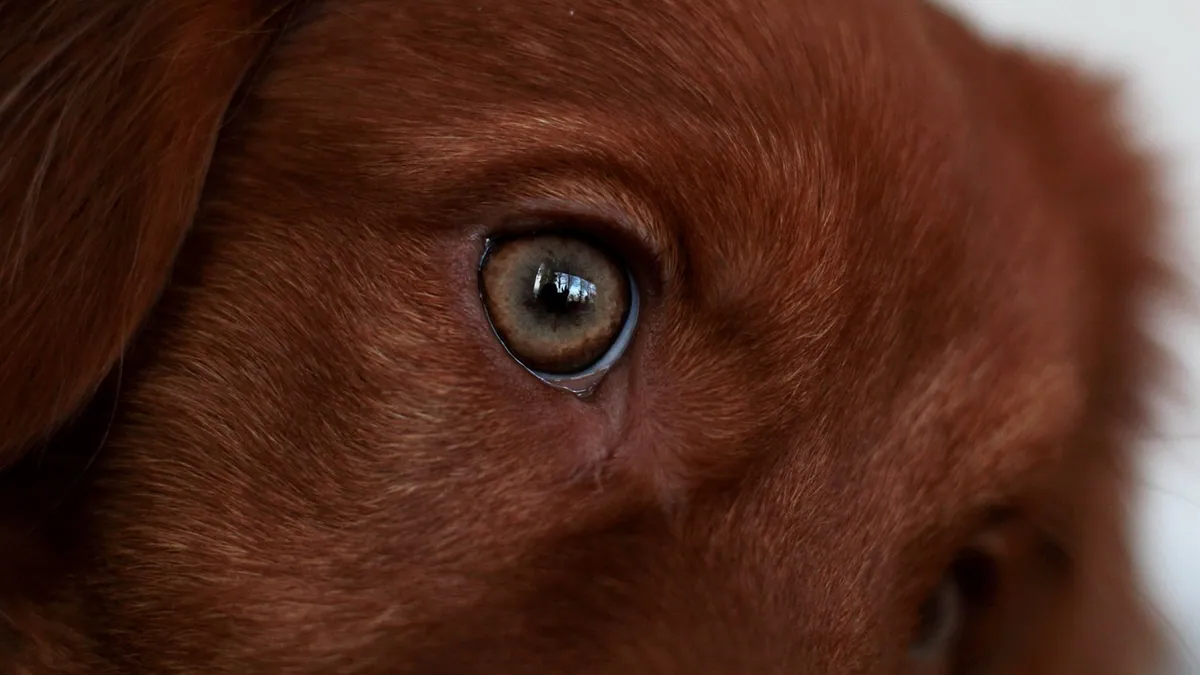
Dog eye vitamins can help in a few specific situations, but they are not a cure-all for vision loss. Most claims about eye supplements for dogs are stronger than the evidence behind them. Some ingredients, like antioxidants, have real biological reasons to be helpful, yet no antioxidant has been proven to stop cataracts in dogs [1].
This article is educational and is not a substitute for veterinary diagnosis or treatment.
Quick Answer
- No antioxidant or vitamin has been clinically proven to slow or prevent cataracts in dogs, and relying on them can delay treatment that protects vision [1].
- Antioxidants such as vitamin E and vitamin C support the body's response to oxidative stress, and they work together in dogs and cats [2].
- Oral antioxidant supplementation may improve semen quality and fertility in male dogs with reproductive problems [3].
- Diet and supplements cannot reverse sudden acquired retinal degeneration syndrome (SARDS), which causes acute, irreversible blindness [4].
- Any eye supplement dose should be set by your veterinarian based on your dog's weight, health, and diagnosis, not by a label or a breeder's advice.
What Dog Eye Vitamins Are and What Veterinarians Use Them For
Dog eye vitamins are dietary supplements that contain nutrients such as vitamin E, vitamin C, lutein, or other antioxidant compounds. Owners often buy them hoping to protect vision, slow cloudiness in the lens, or support aging eyes.
The honest picture is mixed. In veterinary pharmacology references, antioxidants are described as having the theoretical potential to slow cataract progression, but none have been clinically proven to do so [1]. That same reference warns that using them can delay opportune intervention to prevent permanent vision loss, such as lens-induced uveitis or progression to a hypermature cataract with secondary retinal detachment [1]. In plain terms, a supplement is not a substitute for an eye exam and timely treatment.
There are areas where antioxidants have better support. A review of oxidative stress and semen quality in dogs found that oral antioxidant supplementation improves oxidative status and semen quality and may have a positive effect on fertility in male dogs with reproductive problems [3]. That is a reproductive use, not a vision use, but it shows the ingredients are not useless. They simply do different things than many labels suggest.
Some owners ask about giving human vitamins or eye drops to dogs. Both can be risky because human products may contain ingredients or preservatives that are unsafe or irritating for dogs. If you are considering either, read Can You Give Your Dog Human Vitamin Supplements? What's Safe and What's Not and Can You Give Your Dog Human Eye Drops for Red or Irritated Eyes? before you give anything.
How the Eye Works and Why That Matters for Supplements
The eye is built for light to travel in and signals to travel out. The cornea is the clear dome at the front that lets light in and helps focus it on the retina at the back of the eye [5]. The iris controls how much light enters by making the pupil larger in dim light and smaller in bright light [5]. The retina is the light-sensitive layer that converts that light into nerve signals the brain can read.
Most eye supplements are aimed at the lens and the retina, the two structures most affected by oxidative stress and age. The lens sits in the anterior segment of the eye, along with the aqueous humor and the iris and ciliary body [6]. The retina sits in the posterior segment, along with the choroid and optic nerve [6]. This anatomy matters because a pill you give by mouth has to travel through the bloodstream to reach these tissues, and the eye has barriers that limit what gets in.
That is one reason the evidence is thin. A nutrient can raise antioxidant levels in the blood without necessarily reaching a high enough concentration in the lens or retina to change the course of disease. Research in dogs and cats has looked at how dietary antioxidants affect DNA damage and antioxidant status, and vitamin C supports the regeneration of vitamin E during free radical scavenging [2]. These are real biochemical effects. They do not automatically translate into preserved vision.
Do Eye Supplements for Dogs Actually Help Vision?
For cataracts, the answer is no proven benefit. Antioxidants have theoretical potential to decrease cataract progression, but none have been clinically proven to do so in animals [1]. Cataracts are also common across many popular breeds, including Toy Poodles, Shiba Inus, Shih Tzus, Chihuahuas, Miniature Dachshunds, and French Bulldogs in one survey of veterinary ophthalmologists [7]. If your dog has a cataract, the decision that protects vision is usually surgical evaluation, not a supplement.
For inherited retinal diseases such as progressive retinal atrophy, supplements are not a treatment. Progressive retinal atrophy was reported as prevalent in Miniature Dachshunds in the same survey [7]. These conditions are genetic and progressive, and management focuses on diagnosis, monitoring, and keeping your dog safe and comfortable as vision changes.
For sudden acquired retinal degeneration syndrome (SARDS), supplements cannot restore sight. SARDS causes acute, irreversible blindness, and affected dogs show progressive total retinal thinning over time [8][4]. A clinical risk score has been developed to help identify SARDS earlier, before electroretinography confirmation, based on demographic, blood count, and biochemical factors [4]. Early recognition matters for managing the whole dog, not for reversing the blindness.
For general aging eyes, there is no strong evidence that a specific vitamin prevents vision loss. Some dogs with dry eye, corneal ulcers, or uveitis need prescription medication, not supplements. If your dog has discharge or a change in the eye's appearance, see Dog Eye Goop Clear for context on what different types of eye discharge can mean.
Lutein for Dogs and Other Common Ingredients
Lutein is a carotenoid that many owners recognize from human eye health products. It is often included in eye supplements for dogs. The problem is that veterinary research has not established a clear, proven benefit for lutein in preventing or treating canine eye disease. If a product claims lutein prevents cataracts or restores vision, that claim goes beyond what is known.
Antioxidants as a group are better studied, but still not proven for vision. Vitamin E is an antioxidant involved in immune defense and in helping biological systems respond to oxidative stress, and vitamin C supports the regeneration of vitamin E [2]. A study in dogs and cats fed diets differing in antioxidant supplementation measured DNA damage and antioxidant status over 84 days, which shows researchers are actively studying these interactions [2]. It does not show that supplementing prevents blindness.
Microbe-derived antioxidants have also been studied in dogs. In Beagles, different doses of microbe-derived antioxidants changed markers such as malondialdehyde, total antioxidant capacity, and various biochemical values over 30 days of feeding [9]. Those are blood and metabolic measurements, not vision outcomes. This is a good example of why you should be careful with marketing claims. A change in a lab value is not the same as a change in eyesight.
If you are already giving other supplements, such as joint products, tell your veterinarian. You can read more about those in Dog Joint Health Supplements and Joint Health Supplements For Dogs. Stacking multiple products raises the chance of interactions and of your dog getting more of a nutrient than intended.
Dosing Basics for Dog Eye Vitamins
Your veterinarian decides the dose. There is no single correct dose of eye vitamins for dogs, and the right amount depends on your dog's weight, health conditions, other medications, and diet. If your dog eats a complete and balanced commercial diet, that food already meets established nutrient requirements, including vitamin E [2]. Adding a supplement on top may be unnecessary.
How it is given depends on the product. Most eye supplements are chews, powders, or capsules given by mouth with food. Giving with food can reduce stomach upset and improve absorption of fat-soluble nutrients like vitamin E.
If you miss a dose, do not double up. Give the next scheduled dose when it is due, or call your veterinarian for guidance if you are unsure. If you accidentally give too much, treat it as a possible overdose and call for advice instead of waiting for symptoms.
Never change the dose based on how your dog's eyes look. Eye conditions can worsen quietly, and a supplement is not a way to monitor disease.
Side Effects of Eye Supplements for Dogs
| Side effect | How common or serious | What to do |
|---|---|---|
| Stomach upset, vomiting, or diarrhea | Common with new supplements, usually mild | Stop the product and call your veterinarian |
| Loose stool or appetite change | Fairly common, usually mild | Pause the supplement and mention it at your next visit |
| Changes in blood values seen on lab work | Possible, based on measured effects in dogs given microbe-derived antioxidants [9] | Tell your veterinarian about all supplements before any blood testing |
| Allergic reaction such as facial swelling, hives, or trouble breathing | Uncommon but serious | Stop the product and seek emergency veterinary care right away |
| Worsening eye signs such as redness, cloudiness, squinting, or vision loss | Not caused by the supplement itself, but a sign the eye disease is progressing | Call your veterinarian the same day |
The most serious risk is not a direct side effect. It is delay. Relying on antioxidants instead of treatment can allow a treatable eye problem to become permanent [1].
Who Should Not Take Eye Supplements and What Interacts With Them
Dogs with a diagnosed eye disease should not be started on an eye supplement as their only treatment. Cataracts, uveitis, retinal disease, and glaucoma all need a veterinary diagnosis and a plan. Antioxidants are not proven to treat these conditions [1].
Dogs with chronic illness, liver or kidney disease, or a history of food allergies should only take supplements under veterinary supervision. The right product and dose depend on the whole dog.
Dogs eating a complete and balanced diet may not need extra vitamins at all, since those diets already meet nutrient requirements including vitamin E [2]. More is not better.
Interactions are possible with any supplement, especially when you combine several products or give them alongside prescription medications. Because specific interactions for canine eye supplements are not well established in veterinary research, the safest step is to bring every product label to your veterinarian and ask before you combine anything.
Overdose and When to Call for Help
If your dog eats a large amount of an eye supplement, call your veterinarian or a pet poison control service right away. Have the label and an estimate of how much was eaten. Fat-soluble vitamins like vitamin E can build up in the body, and large doses of some ingredients can cause problems.
Signs that need urgent attention include vomiting, weakness, wobbliness, tremors, collapse, or trouble breathing. Do not wait to see if these pass.
If your dog has sudden eye changes, such as a red or cloudy eye, a swollen eye, heavy squinting, or a sudden loss of vision, that is an emergency for the eye, not a supplement question. Call your veterinarian or an emergency clinic immediately.
Limitations and When to Contact a Veterinarian
Individual cases need a veterinarian. No article can tell you whether your dog's eye problem is a cataract, an infection, an immune condition, or something else.
Call your veterinarian the same day if you notice new redness, discharge, cloudiness, a change in pupil size, squinting, pawing at the eye, or any change in how your dog moves around the house.
Go to an emergency clinic now if your dog has sudden vision loss, a bulging or badly swollen eye, a deep wound to the eye, or signs of severe pain such as crying, head pressing, or refusing to open the eye.
Schedule a routine visit if your dog is aging, has a breed predilection for eye disease, or you are considering starting any supplement. Breeds such as Toy Poodles, Shiba Inus, Shih Tzus, Chihuahuas, Miniature Dachshunds, and French Bulldogs are commonly seen for eye problems in veterinary ophthalmology practice [7]. A baseline exam gives you a real answer instead of a guess.
Frequently Asked Questions
Can dog eye vitamins prevent blindness?
No supplement has been proven to prevent blindness in dogs. Antioxidants have theoretical potential to slow cataracts, but this has not been clinically proven, and depending on them can delay treatment that protects vision [1]. If your dog is losing vision, the priority is a veterinary eye exam.
Is lutein for dogs safe and effective?
Lutein is generally included in many canine eye products, but its benefit for dog eye disease is not well established in veterinary research. Safety depends on the dose and the specific product, so ask your veterinarian before starting it. Do not expect lutein to reverse or prevent a diagnosed eye condition.
Do antioxidants for dog eyes really work?
Antioxidants do real things in the body. Vitamin E supports immune defense and the response to oxidative stress, and vitamin C helps regenerate vitamin E [2]. Oral antioxidants may improve semen quality and fertility in male dogs with reproductive problems [3]. For vision, the evidence does not show a proven benefit.
Can I give my dog human eye vitamins?
Human supplements are not made for dogs and may contain doses or ingredients that are unsafe. If you want to give any human vitamin or eye product, ask your veterinarian first. For more on this topic, see Can You Give Your Dog Human Vitamin Supplements? What's Safe and What's Not.
What should I do if my dog's eyes look cloudy?
Cloudy eyes can mean several different things, including cataracts, and cataracts are reported across most popular dog breeds [7]. Make an appointment with your veterinarian for an exam instead of starting a supplement on your own. If the cloudiness appeared suddenly or comes with pain, treat it as urgent.
Related Articles
- Can You Give Your Dog Human Vitamin Supplements? What's Safe and What's Not
- Can You Give Your Dog Human Eye Drops for Red or Irritated Eyes?
- Dog Eye Goop Clear
- Dog Joint Health Supplements
- Joint Health Supplements For Dogs
- Eye Goop In Dogs
- Dog Eye Health: Supplements, Diet, and Common Conditions
- Vision Loss in Dogs: Signs, Causes, and What to Do
- Dog Eye Lubricants: Drops, Gels, and When to Use Them
References
- Miscellaneous Agents for Ocular Treatment in Animals - Pharmacology. Merck Veterinary Manual.
- Effect of dietary antioxidants on free radical damage in dogs and cats. Journal of animal science, 2024.
- Impact of Oxidative Stress and Antioxidants on Semen Quality in Dogs. Animals : an open access journal from MDPI, 2025.
- Development and validation of a clinical risk score for early identification of sudden acquired retinal degeneration syndrome in dogs: A retrospective case-control study. Veterinary world, 2026.
- Eye Structure and Function in Dogs - Dog Owners. Merck Veterinary Manual.
- Ocular Pharmacology in Animals - Pharmacology. Merck Veterinary Manual.
- Common Ophthalmic Conditions in Popular Dog Breeds in Japan: Insights From a Survey of 105 Veterinarians Practicing Ophthalmology. Veterinary ophthalmology, 2026.
- Longitudinal Evaluation of Chromatic Pupillometry and Retinal Thickness in Dogs With Sudden Acquired Retinal Degeneration Syndrome. Veterinary ophthalmology, 2026.
- Effect of diet supplemented with microbe-derived antioxidants on plasma oxidative stress, biochemical parameters and fecal microbiota in Beagle dogs. Polish journal of veterinary sciences, 2025.