Dog Eye Lubricants: Drops, Gels, and When to Use Them
By Dr. Zubair Khalid, DVM, MS, PhD ·
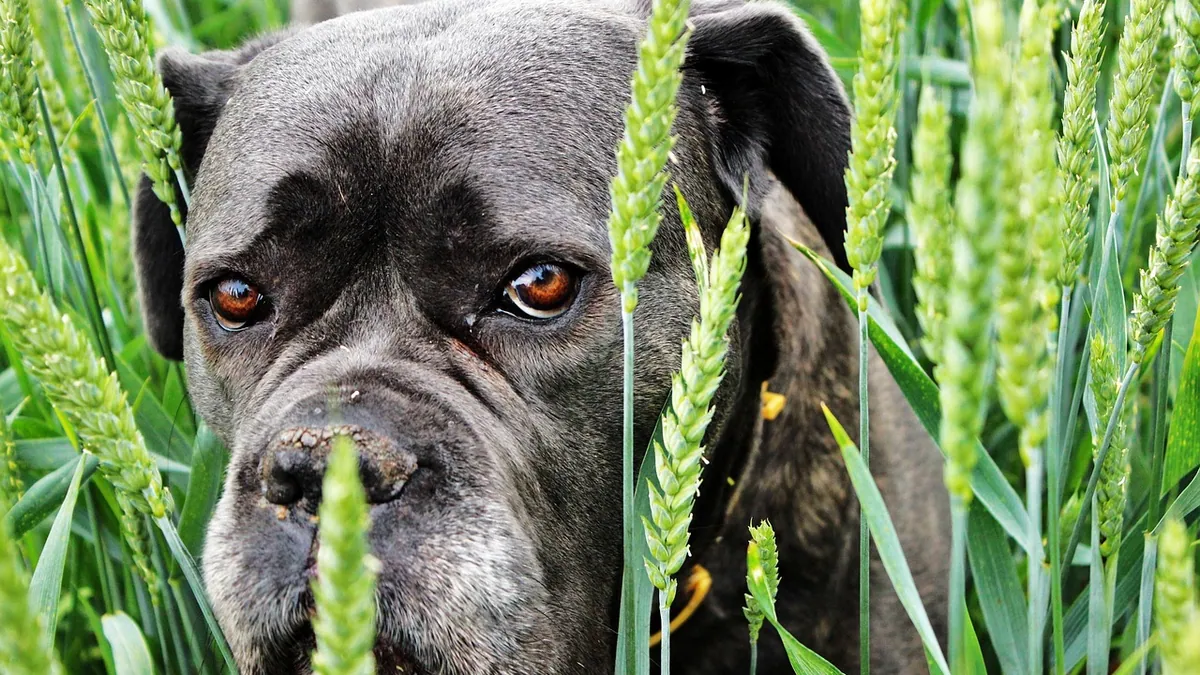
A dog eye lubricant is a drop, gel, or ointment that adds moisture and comfort to the surface of the eye. It can help with mild dryness, irritation, or a low tear film, but it does not treat every cause of a dry or red eye. Some dogs need a prescription medicine instead, so it helps to know the difference before you reach for a bottle.
This article is educational and is not a substitute for veterinary diagnosis or treatment.
Quick Answer
- Lubricants add moisture and support the tear film. They are not a cure for immune-mediated dry eye, which usually needs prescription therapy.
- Hyaluronic acid (also called sodium hyaluronate) is a common, well-studied lubricant ingredient in veterinary eye products [1][2].
- Gels tend to stay on the eye surface longer than watery drops, so they can be useful when you need longer-lasting comfort [3].
- Never use a human eye product on your dog without asking your veterinarian first. Some contain preservatives or ingredients that are not meant for dogs.
- If your dog has thick yellow or green discharge, squinting, cloudiness, or a red, painful eye, see a veterinarian before using any lubricant.
What Dog Eye Lubricants Are and What Vets Use Them For
A dog eye lubricant is a product that mimics or supports the natural tear film. The tear film is the thin layer of fluid that keeps the cornea (the clear front of the eye) moist, smooth, and protected. When that layer breaks down too quickly or tear production drops, the eye can become dry, irritated, and prone to damage.
Veterinarians use lubricants for several situations:
- Mild dryness or a tear film that breaks up too fast
- Comfort during recovery from a minor irritation
- Support for breeds with shallow eye sockets or prominent eyes, where the surface dries out easily
- Added moisture alongside other eye medicines
Lubricants are also used in dogs with evaporative dry eye disease (EDED), a form of dry eye where the watery part of the tear film may be present but the oily outer layer is unstable, so tears evaporate too quickly. In one study of dogs with EDED, a hyaluronate-based lubricant helped, and results were best when it was combined with tacrolimus, a prescription medicine [1].
It helps to separate two ideas that owners often mix up. A lubricant replaces or supplements moisture. A prescription dry eye medicine changes how the eye produces tears or calms the immune attack on the tear glands. If your dog has true keratoconjunctivitis sicca (KCS, the medical term for dry eye), a lubricant alone will not fix it.
How Lubricants Work
Lubricating drops and gels work by coating the cornea and holding moisture against the eye surface. The ingredient matters, and so does the form.
Hyaluronic acid (sodium hyaluronate) is a molecule that binds water and clings to the eye surface. It is the base of many veterinary artificial tears. In brachycephalic dogs (flat-faced breeds like Pugs and French Bulldogs), a single drop of a sodium hyaluronate artificial tear lowered tear film osmolality within 10 minutes, which suggests it improved the tear film's stability [2]. Lower osmolality generally means a more comfortable, better-balanced tear film.
The form of the product changes how long it lasts. In a study of anesthetized dogs, a gel that combined carbomer with sodium hyaluronate stayed measurable on the cornea longer than a carbomer-only gel, with the thicker film still detectable in most eyes at 60 minutes [3]. That is why gels are often chosen when you want longer-lasting comfort and drops are chosen for quick, light moisture.
Hyaluronic acid also helps other medicines stay on the eye. When dogs received a hyaluronic acid product before an antibiotic drop, the antibiotic stayed in the tear film at higher levels for longer, with one cross-linked hyaluronic acid product producing a 2.0-fold increase in total drug exposure [4]. This is a nice bonus when a dog needs both a lubricant and an antibiotic, but it is a reason to follow your veterinarian's instructions on order and timing.
Dog Eye Lubricant Drops, Gels, and Ointments: What to Choose
Drops
Drops are watery and easy to apply. They give quick moisture but tend to run off or blink away fairly fast. They are a good choice for mild dryness, for frequent daytime use, and for dogs who tolerate handling well. Many veterinary artificial tears are drop form.
Gels
Gels are thicker and stay on the eye longer [3]. They can blur vision briefly, so some dogs blink or paw for a minute after application. Gels are useful when you cannot apply drops many times a day, or when the eye needs a longer cushion of moisture.
Ointments
Ointments are the thickest option and can last the longest, but they often cause temporary blurring and a greasy film. They are frequently used at bedtime. Your veterinarian can tell you whether an ointment fits your dog's situation.
What to look for on the label
Look for products made for veterinary eye use, or ones your veterinarian recommends. Hyaluronic acid and carbomer are common, well-tolerated lubricating ingredients [3][1][2]. Avoid grabbing a human bottle off the shelf without checking first, because some human products contain preservatives or active ingredients that are not appropriate for dogs.
If your dog has discharge along with dryness, it helps to understand what you are seeing. These guides can help you sort out what is normal and what needs a visit: Dog Eye Goop Clear and Dog Eye Discharge Goop.
Dosing Basics for a Dog Eye Lubricant
The dose for a dog eye lubricant is not a fixed number you can look up. Your veterinarian sets it based on your dog's weight, the health of the eye, the product chosen, and how often the eye needs support. Follow the label or your veterinarian's instructions exactly.
A few general rules apply:
- Wash your hands before and after handling the eye or the bottle.
- Hold the bottle or tube so the tip never touches the eye, the eyelid, or your fingers. Touching the tip can contaminate the product.
- Gently pull the upper eyelid up and away to form a small pocket, then place the drop or a thin ribbon of gel or ointment into that pocket.
- Let your dog blink to spread the product.
- Wipe away any excess with a clean tissue, working away from the eye.
- Do not share one bottle between dogs unless your veterinarian says it is fine.
If you have never given eye medicine before, this step-by-step guide can help: How to Give Your Dog Eye Drops or Ointment Without a Struggle.
Missed a dose
If you miss a dose, give it when you remember, unless it is almost time for the next one. Do not double up to catch up. If you are unsure, call your veterinarian's office and ask.
How long to keep using it
Some dogs need a lubricant only for a short time, such as during recovery from a minor irritation. Others need ongoing support. Your veterinarian will tell you whether to keep going, taper off, or switch to a prescription. Do not stop a prescribed eye medicine on your own, even if the eye looks better.
Side Effects: Common and Serious
Most dogs tolerate lubricating drops and gels well. Problems are usually mild and related to application or to a sensitivity to an ingredient.
| Side effect | How common or serious | What to do |
|---|---|---|
| Brief blinking, pawing, or head shaking right after application | Common and mild | Wait a minute. Most dogs settle quickly. |
| Temporary blurry vision, especially with gels and ointments | Common and mild | Avoid giving right before a walk or stairs. Many owners use gels at bedtime. |
| Mild redness or irritation that fades | Uncommon and mild | Watch it. If it persists past a day, call your veterinarian. |
| Increased redness, swelling, or new discharge | Uncommon and more serious | Stop the product and call your veterinarian. |
| Squinting, eye held shut, or pawing at the eye | Serious | Stop the product and seek veterinary care the same day. |
| Cloudiness, a blue or white haze on the eye | Serious | This can signal corneal damage. Seek care right away. |
A note on preservatives: some dogs react to preservatives in multi-dose bottles. If your dog's eyes seem more irritated after each dose, tell your veterinarian. A preservative-free option may be a better fit.
Who Should Not Use a Lubricant and What Interacts With It
Lubricants are generally safe for most dogs, but they are not the right first step in every case.
Do not start a lubricant on your own if your dog has:
- A red, painful, or tightly squinted eye
- Thick yellow or green discharge
- A cloudy or blue-tinged cornea
- A known corneal ulcer or a history of one
- An eye that suddenly looks different or larger
These signs can point to an ulcer, an infection, or another problem that a lubricant could mask or make worse. A lubricant is not a treatment for infection or injury.
Interactions to know about
Lubricants can change how other eye medicines behave. Hyaluronic acid products can raise and prolong the tear film levels of some antibiotics, including cefazolin, chloramphenicol, and moxifloxacin [5][4]. That can be helpful, but it also means the order and spacing of your dog's eye medicines matter. Ask your veterinarian which product goes in first and how long to wait between them.
If your dog is on a prescription dry eye medicine such as tacrolimus or cyclosporine, a lubricant is often used alongside it, not instead of it [1][6]. Some dogs with KCS that do not respond well to topical cyclosporine may be candidates for a sustained-release cyclosporine implant placed by a veterinarian [6]. That is a decision for your vet, not something you can manage at home.
Overdose and When to Call for Help
Getting an extra drop or two of a lubricant in the eye is generally not dangerous. Flush the eye gently with a sterile saline eye wash if your veterinarian recommends it, and skip the next scheduled dose if it is close in time.
The bigger risk is a dog chewing open a bottle or tube and swallowing the contents. Lubricant ingredients are usually not highly toxic when swallowed in small amounts, but the container, preservatives, and any other ingredients can cause stomach upset or worse. If your dog eats a lubricant product, call your veterinarian or an animal poison control line right away. Have the product label in hand so you can read the ingredients.
If your dog has a known eye injury and gets a lubricant or another product in the eye that was not meant for it, treat that as urgent and call your veterinarian.
Limitations and When to Contact a Veterinarian
A dog eye lubricant supports comfort and moisture. It does not diagnose or cure the cause of a dry, red, or painful eye. Only a veterinarian can examine the eye, measure tear production, check for ulcers, and decide whether your dog needs a prescription.
Call your veterinarian the same day if you notice:
- New or worsening redness
- Discharge that is thick, yellow, or green
- Squinting or holding the eye closed
- Pawing at the face or rubbing the eye
- The eye looking cloudy, dull, or different in size
- Symptoms that are not improving after a few days of lubricant use
Seek emergency care right away if:
- The eye looks punctured, torn, or has something stuck in it
- The cornea turns blue, white, or hazy
- Your dog is in obvious pain and will not let you near the eye
- There is sudden vision loss or a bulging eye
For routine questions, like which lubricant to buy or how often to use it, a regular visit or a phone call is fine. For anything that looks painful or is getting worse, do not wait.
Every dog's eye is different, and a lubricant that helps one dog may not be right for yours. Your veterinarian is the best judge of what your dog needs.
Frequently Asked Questions
Can I use human artificial tears on my dog?
Sometimes, but only with your veterinarian's approval. Some human products contain preservatives or ingredients that can irritate a dog's eye, and a few are not meant for animals at all. Ask before you use anything from your own medicine cabinet.
How often can I give my dog eye lubricant?
The right schedule depends on the product and your dog's condition, so your veterinarian sets it. Some dogs need a drop a few times a day, while others do well with a gel once or twice daily. Follow the label or your vet's instructions.
Will a lubricant cure my dog's dry eye?
No. A lubricant adds moisture and comfort, but it does not fix the underlying cause of most dry eye cases. Dogs with immune-mediated dry eye usually need a prescription medicine that changes tear production or calms the immune response, often with a lubricant used alongside it.
What is the difference between drops and gels for dogs?
Drops are watery and give quick moisture that does not last long. Gels are thicker and stay on the eye surface longer, which can mean fewer applications per day. Your veterinarian can help you pick the form that fits your dog's needs and your daily routine.
When should I stop using a lubricant and call the vet?
Stop and call your veterinarian if the eye gets redder, your dog starts squinting or pawing at it, or you see new discharge or cloudiness. These signs can mean the problem is more than simple dryness. Do not keep applying a lubricant and hope it settles on its own.
If your dog has ongoing discharge or crusting around the eye, these guides can help you describe what you are seeing when you call: Dog Eye Goop Drops and Eye Goop In Dogs.
Related Articles
- Dog Eye Goop Drops
- How to Give Your Dog Eye Drops or Ointment Without a Struggle
- Dog Eye Goop Clear
- Eye Goop In Dogs
- Dog Eye Discharge Goop
- Dog Ear Infection Drops: How to Apply Them Correctly
- Cyclosporine Eye Drops for Dogs: Uses and Safety
- Dog Eye Wash and Wipes: Safe Cleaning and Tear Stain Care
- Tobramycin Eye Drops for Dogs: Ulcers and Infections
References
- Tacrolimus and Hyaluronate Therapy Enhance Tear Film Stability in Canine Evaporative Dry Eye Disease. Veterinary ophthalmology, 2026.
- Immediate Effect of Three Artificial Tear Formulations on Tear Film Osmolality in Brachycephalic Dogs. Veterinary ophthalmology, 2026.
- Measurement of the Retention Time of Two Different Carbomer-Based Ophthalmic Gels With and Without Hyaluronic Acid in Anesthetized Dogs Using Ultrahigh-Resolution Optical Coherence Tomography. Veterinary ophthalmology, 2026.
- Optimizing topical antibiotic delivery in dogs: Tear film pharmacokinetics of moxifloxacin following pre-treatment with hyaluronic acid. PloS one, 2026.
- Enhanced Tear Film Concentrations of Cefazolin and Chloramphenicol Using Cross-Linked Hyaluronic Acid in Canine Eyes. Veterinary ophthalmology, 2026.
- A Sustained-Release Thermoplastic Polyurethane/Poly L-Lactide-Co-DL-Lactide (TPU/PLDLA) Cyclosporine-A Implant for the Treatment of Canine Keratoconjunctivitis Sicca: A Retrospective Case Series. Veterinary ophthalmology, 2026.