Is There a Cytopoint for Cats? What Owners Need to Know
By Dr. Zubair Khalid, DVM, MS, PhD ·
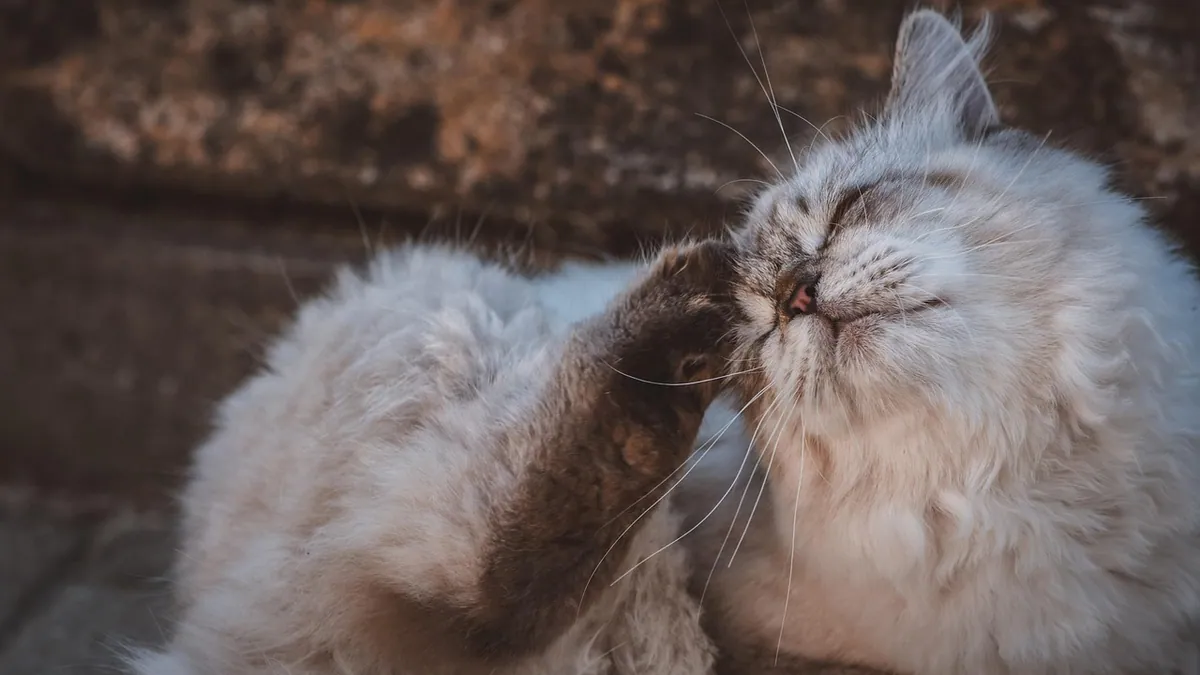
Is there a Cytopoint for cats? No. Cytopoint is not approved for use in cats, and the active ingredient does not work the same way in felines as it does in dogs. If your cat is itching, licking, or scratching itself raw, there are other treatments your veterinarian can use, and this guide explains what those are.
This article is educational and is not a substitute for veterinary diagnosis or treatment.
Quick Answer
- Cytopoint (lokivetmab) is a dog-only injectable medication. It is not FDA-approved for cats, and there is no feline version of it.
- The reason is biological. Cytopoint is a caninized antibody built to bind the dog version of an itch-signaling protein, and it is not approved or proven for cats.
- Cats with allergic skin disease are usually managed with other options, including steroids, cyclosporine, antihistamines, and allergy testing with immunotherapy.
- Never give your cat a Cytopoint injection meant for a dog. The dose, the safety profile, and the way the drug behaves are all different.
- If your cat is itchy, the first step is a veterinary exam to rule out fleas, infections, and other causes before assuming allergies.
What Is Cytopoint and What Do Veterinarians Use It For?
Cytopoint is the brand name for lokivetmab, a monoclonal antibody injection. In dogs, it is used to control itching linked to atopic dermatitis (environmental allergies) and to reduce the itch that comes with allergic skin disease. It is given as a shot under the skin, usually every four to eight weeks, depending on how the individual dog responds.
The drug works by binding to a signaling protein that tells the dog's brain "this skin itches." When that signal is blocked, the dog scratches less. It is not a steroid, so it does not carry the same long list of steroid side effects, which is one reason it became popular so quickly in canine practice.
In cats, none of this applies in the same way. The target protein that lokivetmab binds in dogs is not the same in cats, so the drug does not have a reliable job to do in a feline body. That is the core reason there is no approved feline product and no standard off-label use.
Is Cytopoint for Cats Too? Why the Answer Is No
Owners often ask whether Cytopoint is "for cats too" because it worked so well for their dog. The honest answer is no, and it is not a matter of dose adjustment or a smaller syringe.
Monoclonal antibodies are highly specific. They are designed to lock onto one exact shape on one exact protein. A drug built for a canine target does not simply transfer to a feline patient. Giving a dog product to a cat would not produce the intended itch relief, and it could expose your cat to risks that have not been studied.
There is also no published feline dose for lokivetmab. Any number you see online claiming a "cytopoint dose for cats" should be treated as unreliable. Your veterinarian calculates doses from your pet's weight and health status, and for a drug with no established feline dose, there is nothing safe to calculate.
What Veterinarians Actually Use for Itchy Cats
This is the part that matters most to you. Feline allergic skin disease is common, and veterinarians have several tools. The right choice depends on your cat's age, other health conditions, how severe the itch is, and what your budget allows.
Corticosteroids
Steroids such as prednisolone are still widely used for short-term control of severe feline itch. They work fast and are inexpensive. The tradeoff is that long-term use can raise blood sugar, suppress the immune system, and cause other problems, so veterinarians usually aim for the lowest effective dose for the shortest time.
Cyclosporine
Cyclosporine is an immune-modulating medication used in cats for allergic skin disease. It is not a steroid, so it avoids some steroid side effects, but it works more slowly and requires consistent daily dosing. Your veterinarian will monitor your cat while it is on this drug.
Antihistamines
Antihistamines help some cats and do very little for others. Response is individual, and they are generally considered a mild option instead of a strong one. They are sometimes used alongside other treatments.
Allergy Testing and Immunotherapy
For cats with confirmed environmental allergies, allergy testing followed by allergen-specific immunotherapy can be a long-term solution. In people with cat allergy, immunotherapy has been shown to improve rhinitis and asthma symptoms and quality of life scores after treatment, with benefits still measurable a median of about 51.5 months after stopping [1]. The same general principle, training the immune system to tolerate an allergen over time, is used in veterinary allergy practice, though response varies by patient.
Treating the Triggers
Flea control is not optional for an itchy cat. Flea allergy dermatitis is one of the most common causes of feline itching, and no allergy medication will fully control itch while fleas are still biting. Year-round flea prevention is the foundation of any itch plan. You can read more in Flea Prevention for Dogs and Cats: What Owners Should Know.
Food elimination trials, environmental changes, and treating secondary skin infections all play a role too. Many itchy cats have more than one problem going on at once.
How It Works (and Why That Matters for Cats)
Cytopoint is a monoclonal antibody. Think of it as a custom-shaped key made to fit one specific lock. In dogs, that lock is a protein involved in the itch pathway. The antibody binds it, the itch signal is interrupted, and the dog stops scratching.
Cats have their own version of many immune proteins, but they are not identical to the dog versions. A canine-specific antibody does not fit the feline lock. This is why the drug is not simply "not approved yet" for cats. It is not expected to work, and there is no feline target for it to hit.
This same principle explains why so many veterinary drugs are species-specific. A medication that transforms a dog's comfort can be useless or unsafe in a cat, and the reverse is also true.
Dosing Basics for Feline Itch Treatments
There is no cytopoint dose for cats because there is no approved feline use. For the medications your veterinarian does prescribe, here is how dosing generally works.
Who Decides the Dose
Your veterinarian does. The dose depends on your cat's weight, the specific drug, how severe the condition is, and whether your cat has kidney, liver, heart, or endocrine disease. Never use a dose you found online or a dose calculated for a dog.
How It Is Given
Most feline itch medications are given by mouth at home, as pills, capsules, or liquid. Some are given as injections in the clinic. Immunotherapy is typically given as regular injections that may eventually be spaced out over time.
What to Do About a Missed Dose
If you miss a dose, do not double up. Call your veterinarian's office and ask what to do. For most daily medications, giving the missed dose when you remember (unless it is almost time for the next one) is reasonable, but your veterinarian should confirm this for your specific medication.
Side Effects: What to Watch For
Because Cytopoint is not used in cats, the table below covers the medications veterinarians actually prescribe for feline allergic itch. Side effects vary by drug, so ask your veterinarian which signs matter most for your cat's specific treatment.
| Side effect | How common or serious | What to do |
|---|---|---|
| Increased appetite, thirst, and urination (steroids) | Common with steroids, usually manageable | Mention it at your next visit. Report sudden heavy drinking or accidents in the house. |
| Vomiting or diarrhea | Can occur with several itch medications | Call your veterinarian if it is more than once or lasts more than a day. |
| Lethargy or hiding | Possible with many medications | Contact your veterinarian if your cat seems unusually dull or stops eating. |
| Increased blood sugar (steroids) | Serious in cats with diabetes or at risk | Your veterinarian monitors for this. Report weight loss or increased drinking right away. |
| Immune suppression and infections | Serious with long-term immune-modulating drugs | Keep scheduled recheck visits. Report non-healing sores or new skin lesions. |
| Injection site reaction | Uncommon with most injectable therapies | Watch the site for swelling, pain, or hair loss and report it. |
Skin disease itself can also cause serious lesions. Feline herpesvirus 1 is a common viral infection in cats, and in some cases it produces ulcerative dermatitis with crusting and ulcerated lesions, most often on the face and nose [2]. In one atypical case, a 6-year-old castrated male domestic shorthair developed deep eosinophilic and plasmacytic dermatitis with vasculitis and thrombosis on the limbs and shoulder, without any facial or oral involvement [3]. This matters because not every skin problem in an itchy cat is an allergy, and some are infectious or immune-mediated. If your cat has crusts, ulcers, or open sores, that needs a veterinary exam, not a trial of allergy medication. See Cat Skin Bumps and Lumps: When to See a Vet and When to Monitor for guidance on evaluating skin changes.
Who Should Not Take These Medications
Cats with certain underlying conditions may not be good candidates for specific itch treatments. Steroids are used cautiously in cats with diabetes, heart disease, or a history of certain infections. Cyclosporine is used carefully in cats with kidney or liver disease and in cats with a history of certain viral infections.
Always tell your veterinarian about every medication, supplement, and topical product your cat receives, including flea products, because interactions matter. Cats are also uniquely sensitive to some ingredients that are safe in dogs, which is one more reason not to share medications between species.
If your cat is pregnant, nursing, or has a serious chronic illness, your veterinarian will weigh the risks and benefits for that individual cat.
Overdose and When to Call for Help
If your cat swallows too much of any prescribed medication, or if you are unsure how much it received, call for help right away. Do not wait for symptoms.
- ASPCA Animal Poison Control Center: (888) 426-4435
- Pet Poison Helpline: (855) 764-7661
Have the medication bottle with you when you call. Tell them your cat's weight, what the drug is, how much was taken, and when it happened. Then call your own veterinarian or the nearest emergency clinic.
Signs that need emergency care include collapse, seizures, difficulty breathing, severe vomiting, uncontrolled bleeding, or a cat that cannot be woken.
Limitations and When to Contact a Veterinarian
No article can tell you what is wrong with your specific cat. Individual cases need a veterinarian who can examine your cat, run tests, and adjust treatment over time.
Contact your veterinarian the same day if your cat:
- Starts a new medication and develops vomiting, diarrhea, or marked lethargy
- Has a sudden increase in drinking, urination, or appetite
- Develops new sores, crusts, or hair loss
- Has been on treatment for two to four weeks with no improvement
Go to an emergency clinic now if your cat:
- Has trouble breathing or its gums look pale or blue
- Collapses, seizures, or cannot stand
- Has severe, repeated vomiting or bloody diarrhea
- Has swelling of the face, hives, or a reaction right after an injection
Schedule a routine visit if your cat:
- Has been itchy for more than a few days without an obvious cause
- Has itching that keeps you or your cat awake
- Has skin changes you want evaluated before starting any new treatment
If your cat has a raw, oozing, or rapidly worsening sore, that may be a hot spot or something else that needs prompt care. Cat Hot Spot or Something Else? How to Tell and What to Do walks through the differences, and How to Treat a Cat's Hot Spot at Home: Safe Steps and When to See a Vet covers safe home steps while you wait for your appointment.
Frequently Asked Questions
Can my veterinarian use Cytopoint off-label in my cat?
It is not a standard or recommended practice. The drug targets a canine protein, so it is not expected to relieve itch in cats, and no feline dose has been established. Ask your veterinarian about the treatments that are actually used in cats.
What is the Cytopoint equivalent for cats?
There is no direct equivalent. The closest options are immune-modulating medications such as cyclosporine, short-term steroids, antihistamines, and allergen-specific immunotherapy for cats with confirmed environmental allergies. Your veterinarian will pick based on your cat's health and the severity of the itch.
How much does a Cytopoint shot for cats cost?
There is no feline product, so there is no standard price. Costs for the treatments cats actually receive vary widely by drug, size of your cat, and your clinic. Ask your veterinarian for an estimate before starting any plan.
Can I give my cat my dog's Cytopoint injection?
No. Never share prescription medications between species. The dose, the target, and the safety profile are all different, and giving a dog product to a cat could cause harm.
Are there natural alternatives to Cytopoint for cats?
Some owners try omega-3 fatty acids, hypoallergenic diets, or environmental changes. These can support skin health but usually do not control moderate to severe allergic itch on their own. Talk with your veterinarian before relying on any supplement, and keep flea prevention consistent year-round.
Related Articles
- Cat Hot Spot or Something Else? How to Tell and What to Do
- Cat Skin Bumps and Lumps: When to See a Vet and When to Monitor
- How to Treat a Cat's Hot Spot at Home: Safe Steps and When to See a Vet
- Flea Prevention for Dogs and Cats: What Owners Should Know
- Kidney Stones in Cats: Diagnosing Nephroliths and Ureteroliths
- Why Is My Cat peeing in small amounts frequently? Feline Idiopathic Cystitis Protocol
- Cytopoint Injection for Cats: Safety and Side Effects
- Is There a Safe Sedative for Cats? Vet-Approved Options
- What Vets Give Cats for Cystitis: Medications Explained
References
- The long-term effectiveness of specific immunotherapy in cat allergy: a real-life study. Immunotherapy, 2026.
- Dermal inflammatory vascular changes associated with felid alphaherpesvirus 1 dermatitis in cats. Journal of comparative pathology, 2026.
- Atypical felid alphaherpesvirus 1 dermatitis in a cat. Journal of veterinary diagnostic investigation : official publication of the American Association of Veterinary Laboratory Diagnosticians, Inc, 2026.