Gentamicin for Cats: Side Effects and Safe Use
By Dr. Zubair Khalid, DVM, MS, PhD ·
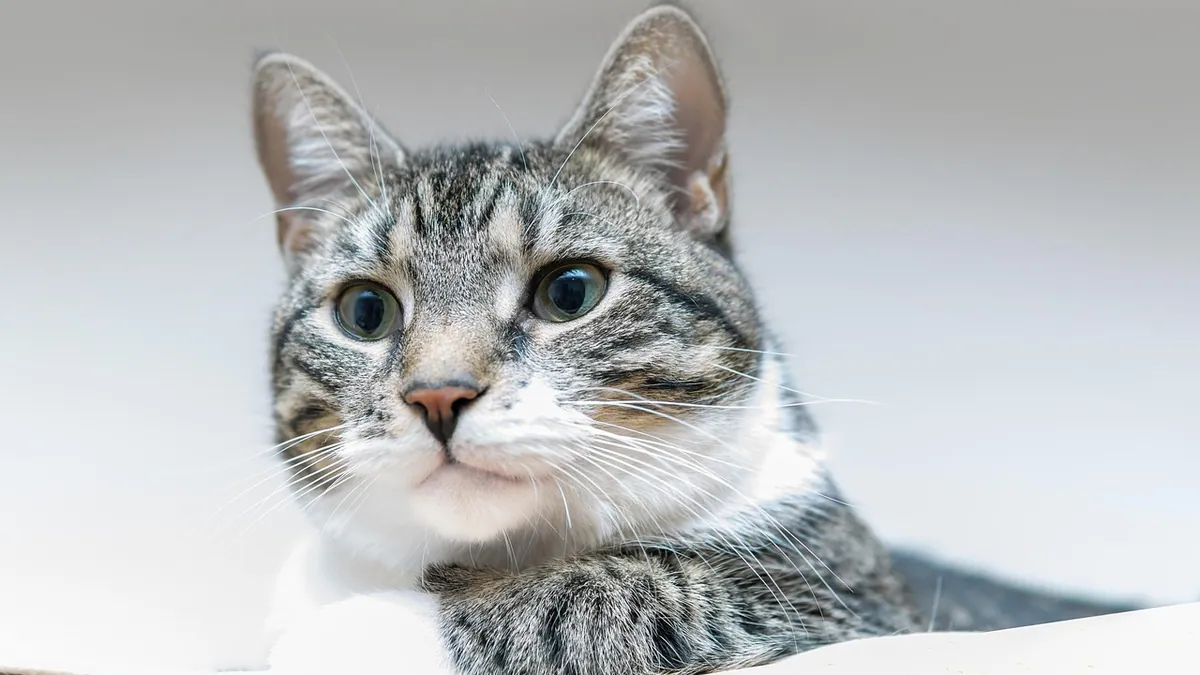
Gentamicin for cats side effects are most often tied to the kidneys and the ears, and they can be permanent. This aminoglycoside antibiotic is powerful against certain bacteria, but it carries real risks that owners need to recognize early. This article is educational and is not a substitute for veterinary diagnosis or treatment.
Quick Answer
- Gentamicin is an aminoglycoside antibiotic that can cause serious kidney damage and hearing or balance problems, so it is usually reserved for infections that other antibiotics cannot treat [1][2].
- Never give your cat gentamicin that was prescribed for a person or another pet. Human antibiotic doses are very different from cat doses [3].
- Ear and eye drops containing gentamicin are sometimes prescribed for local infections, but the veterinarian decides whether the infection is bacterial and whether this drug is appropriate [3].
- Watch for vomiting, loss of appetite, increased drinking or urination, wobbling, head tilt, or a sudden lack of response to sound, and report these the same day.
- If you suspect an overdose or a bad reaction, call your veterinarian or a pet poison control hotline right away.
What Gentamicin Is and What Veterinarians Use It For
Gentamicin is an antibiotic in the aminoglycoside family. It works against many gram-negative bacteria, which are a common cause of stubborn infections in the urinary tract, skin, wounds, and other tissues [2]. Because it is strong and carries significant risks, veterinarians typically save it for infections that are severe or that have not responded to safer antibiotics [1].
You may see gentamicin in several forms. There are injectable products given by a veterinarian, and there are topical products such as eye drops and ear preparations. Owners often search for "gentamicin for cats ears" or "gentamicin for cat eye infection" because these topical forms are the ones they are most likely to encounter at home.
A topical product is not automatically safe just because it is applied to the surface. The ear canal and the eye are delicate, and the wrong medication can cause harm. Your veterinarian needs to confirm what kind of infection your cat has before any antibiotic is used [3].
Some owners also ask about "gentamicin spray for cats." A spray may be prescribed for certain skin wounds, but you should never reach for a human product or an old bottle from a previous pet. Any medication that was not prescribed for this cat, for this problem, is a risk [3].
How Gentamicin Works
Gentamicin kills bacteria by interfering with their ability to build proteins. Without working proteins, the bacteria cannot survive and multiply. This is different from antibiotics that attack the bacterial cell wall, which is why gentamicin belongs to its own class with its own set of risks [3].
The same power that makes gentamicin effective also makes it hard on certain cat tissues. The drug can build up in the kidney and in the hair cells of the inner ear. In studies, gentamicin has been shown to cause kidney toxicity through oxidative stress and inflammation, and it can damage the auditory hair cells responsible for hearing [1][4][2]. That is why kidney function and hearing are the two main concerns with this drug.
Dosing Basics: Who Decides and How It Is Given
Only your veterinarian decides the dose. The amount depends on your cat's weight, kidney function, the specific infection, and the form of the drug being used. Never use a dose that was calculated for a person or another animal, because antibiotic doses for humans are much different from doses for cats [3].
Injectable gentamicin is given in a veterinary clinic, often once daily or on a schedule your veterinarian sets. Because the drug is cleared by the kidneys, a cat with any kidney impairment needs special handling. Research in dogs with reduced kidney function shows that dosing has to be adjusted carefully when renal function is not normal, and the same principle applies to cats [5].
Topical drops or ointments are usually applied to the affected eye or ear a set number of times per day. Follow the label and your veterinarian's instructions exactly. Do not extend treatment beyond what was prescribed, and do not stop early without asking.
If you miss a dose, do not double up. Give the next dose at the normal time, or call your veterinarian for guidance. For injectable doses given at the clinic, the staff will manage the schedule.
Gentamicin for Cats Side Effects
Most side effects fall into two groups: local irritation from topical products and serious internal damage from systemic use. The table below covers the ones owners ask about most.
| Side effect | How common or serious | What to do |
|---|---|---|
| Vomiting, diarrhea, poor appetite | Can happen with many antibiotics and may signal a toxic reaction [6][7] | Call your veterinarian the same day |
| Increased drinking and urination | A possible early sign of kidney stress | Call your veterinarian the same day |
| Kidney damage (nephrotoxicity) | A known and serious risk of gentamicin, caused by oxidative stress and inflammation in kidney tissue [1][4] | Stop the drug only if your veterinarian tells you, and seek care immediately |
| Hearing loss or balance problems (ototoxicity) | A known and serious risk, linked to damage of auditory hair cells [2][8] | Treat as urgent, call right away |
| Head tilt, circling, wobbling | Suggests inner ear or balance involvement [8] | Emergency visit |
| Eye redness, swelling, or increased discomfort | Local irritation from drops | Stop and call your veterinarian |
| Ear pain, head shaking, or worsening odor | Local reaction or a worsening infection | Call your veterinarian |
The kidney and ear effects are the reason gentamicin is used with caution. In animal studies, gentamicin has been shown to reduce the viability of inner ear cells and to trigger autophagy-related damage in those cells [2]. Reviews of antibiotic-related hearing loss confirm that aminoglycosides like gentamicin are well known for causing hearing loss and vestibular deficits [8].
Kidney injury from gentamicin is tied to oxidative stress and inflammation in renal tissue [4]. This means the damage can develop even when the drug is doing its job against the infection. Early signs are easy to miss, which is why bloodwork monitoring matters.
If your cat is also taking other medications, ask your veterinarian about interactions. Some drugs add to the strain on the kidneys or the ears. If your cat takes medication for allergies, seizures, or pain, mention every product, including supplements. You can read more about common medication risks in our guides to Cat Prednisolone for Allergies: Side Effects and Safe Use and What Are the Side Effects of Gabapentin for Cats?.
Who Should Not Take Gentamicin
Gentamicin is generally avoided in cats with known kidney disease, dehydration, or a history of hearing or balance problems. It is also used with great caution in very young, very old, or debilitated cats. Your veterinarian will weigh the benefit of treating a serious infection against the risk of organ damage.
Cats taking other drugs that stress the kidneys or the ears need extra care. Diuretics, some pain medications, and certain other antibiotics can add to the risk. Tell your veterinarian about everything your cat receives, including over-the-counter products and supplements.
Never give gentamicin to a cat who was not prescribed it. Human antibiotics can poison a cat, and toxic doses can cause gastrointestinal, metabolic, or nervous system problems [6][3][7]. The same warning applies to leftover antibiotics from a previous illness.
Overdose and When to Call for Help
An overdose of gentamicin can happen through an accidental injection, a swallowed human product, or repeated dosing errors at home. Signs of a toxic reaction can range from mild stomach upset to serious metabolic and nervous system problems [6][7].
If you think your cat received too much gentamicin, call your veterinarian or a pet poison control hotline immediately. Do not wait for symptoms to appear, because kidney and ear damage can begin before you see anything obvious. Bring the product packaging with you so the veterinary team knows exactly what was given and how much.
If your cat is collapsing, having trouble breathing, or cannot stand, go to an emergency clinic now. For less dramatic signs such as vomiting or a sudden change in drinking, call your veterinarian the same day.
Limitations and When to Contact a Veterinarian
This article cannot tell you whether your individual cat should take gentamicin. That decision depends on your cat's exam, lab work, and infection. Only your veterinarian can make that call.
Contact your veterinarian the same day if you notice vomiting, diarrhea, loss of appetite, increased thirst or urination, or new eye or ear irritation during treatment.
Go to an emergency clinic now if your cat is wobbly, tilting its head, circling, unresponsive to sound, collapsing, breathing hard, or not producing urine.
Schedule a routine visit if your cat finished gentamicin and seems fine but you want a kidney check. Bloodwork can catch problems that are not yet visible at home.
Frequently Asked Questions
Can I use gentamicin ear drops on my cat without a prescription?
No. Ear drops containing gentamicin should only be used when a veterinarian has examined your cat and confirmed a bacterial infection that this drug can treat. Using the wrong drop can worsen the problem or mask a condition that needs different care.
Is gentamicin safe for a cat eye infection?
It can be prescribed for some bacterial eye infections, but only after a veterinarian examines the eye. Not every red or watery eye is bacterial, and some eye conditions get worse with the wrong medication. Never use leftover or human eye drops on your cat.
How long does gentamicin stay in a cat's system?
The drug is cleared mainly by the kidneys, so the time it stays in the body depends on how well those kidneys are working. A cat with reduced kidney function clears it more slowly, which is one reason dosing has to be adjusted for renal impairment [5]. Your veterinarian can explain what to expect for your cat.
Can gentamicin cause permanent hearing loss in cats?
Yes, hearing loss from aminoglycosides like gentamicin can be permanent. The drug can damage the hair cells in the inner ear that are needed for hearing and balance [2][8]. This is why any sign of head tilt, wobbling, or reduced response to sound is treated as urgent.
What should I do if my cat seems sick after a gentamicin injection?
Call your veterinarian right away and describe the signs you are seeing. Do not give any other medication to manage the symptoms on your own. If your cat is weak, vomiting repeatedly, or unsteady, go to an emergency clinic.
Related Articles
- Cat Prednisolone for Allergies: Side Effects and Safe Use
- What Are the Side Effects of Gabapentin for Cats?
- Cat Allergy Medication Side Effects: What to Watch For
- What Are the Side Effects of Seizure Medication in Cats?
- Cat Urinary Tract Infection Side Effects
- What Human Medications Are Safe for Cats? A Vet's Guide to OTC Options
- Gentamicin for Cats: Dose, Duration, and Safe Use
- Gentamicin Sulfate for Cats' Eyes: Safe Use and Risks
- Neomycin Side Effects in Cats: What to Watch For
References
- Vincamine induces cytoprotective autophagy via regulation of ampk/mtor signaling pathway in gentamicin-induced hepatotoxicity and nephrotoxicity in rats. Scientific reports, 2025.
- 2,3,4',5-Tetrahydroxystilbene-2-O-β-D-glucoside ameliorates gentamicin-induced ototoxicity by modulating autophagy via Sesn2/AMPK/mTOR signaling. International journal of molecular medicine, 2022.
- Can Cats Take Human Antibiotics. Pet Poison Helpline.
- Selegiline Improved Oxidative and Inflammatory Stress Factors in Gentamicin-Induced Nephrotoxicity in Human Renal Tubular Epithelial Cells. International journal of preventive medicine, 2025.
- Physiology-Based Pharmacokinetic Modeling for Prediction of Gentamicin Plasma Profile in Dogs with Renal Dysfunction. Pharmaceutics, 2026.
- Cats and Antibiotics. Pet Poison Helpline.
- Can You Give Cats Human Antibiotics. Pet Poison Helpline.
- Ototoxicity of Non-aminoglycoside Antibiotics. Frontiers in neurology, 2021.