Clavamox for Cats: Antibiotic Vet Guide
By Dr. Zubair Khalid, DVM, MS, PhD ·
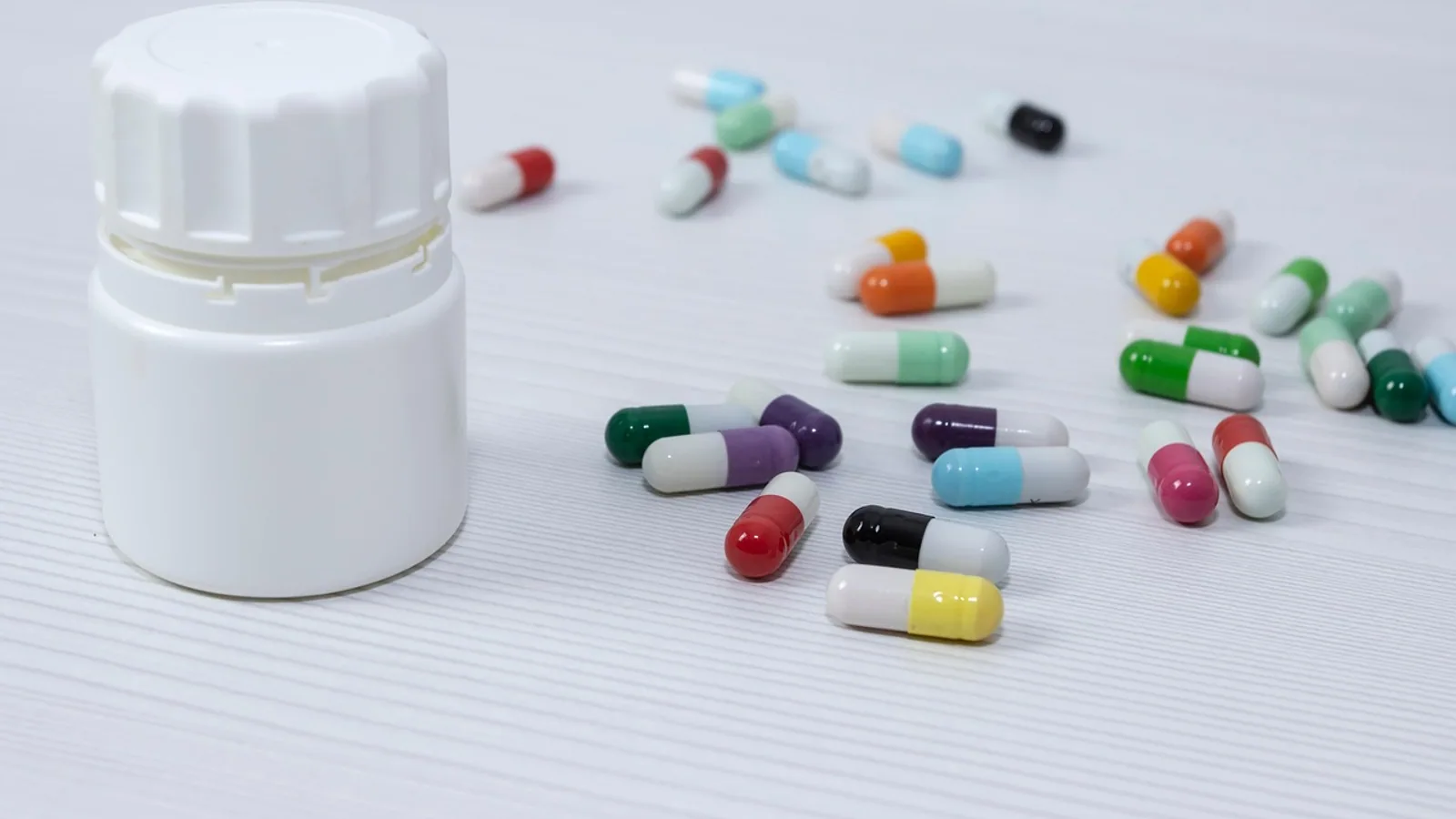
Clavamox is a prescription antibiotic for cats that combines amoxicillin trihydrate with potassium clavulanate. The amoxicillin kills susceptible bacteria by disrupting the bacterial cell wall, and the clavulanate blocks the beta-lactamase enzymes that many bacteria produce to destroy amoxicillin. That second ingredient is what separates Clavamox from plain amoxicillin and widens the range of bacteria the drug can reach.
Clavamox is used for skin and soft tissue infections, bite wounds and abscesses, dental and oral infections, urinary tract infections, and some respiratory infections in cats. It is also used in dogs, and the same active combination is sold under other brand names, including Clavacillin. Clavamox, Clavacillin, and Augmentin all refer to the same two active drugs, amoxicillin and clavulanate. They differ mainly by manufacturer, formulation, and the species the label covers, not by the spectrum of bacteria they can treat.
This article is educational and is not a substitute for veterinary diagnosis or treatment.
At a Glance
| Feature | Detail |
|---|---|
| Active ingredients | Amoxicillin trihydrate plus potassium clavulanate |
| Drug class | Aminopenicillin antibiotic plus beta-lactamase inhibitor |
| Species on the label | Dogs and cats |
| How it is given | By mouth as a chewable tablet, oral suspension, or drops, depending on the product |
| Labeled dose (cats and dogs) | 12.5 to 25 mg/kg by mouth every 12 hours |
| Onset | Starts working within hours, but clinical improvement usually takes 24 to 72 hours |
| Duration | Set by the veterinarian, commonly 7 to 14 days, and often several days past symptom resolution |
| Prescription status | Prescription only in the United States |
| Main side effects | Vomiting, diarrhea, appetite loss, and rarely allergic reactions |
What Clavamox Is and What It Contains
Clavamox is a brand of amoxicillin-clavulanate made for veterinary use. Every dose delivers two drugs in a fixed ratio. The amoxicillin is the antibiotic that does the killing. The potassium clavulanate is a beta-lactamase inhibitor, which is a compound with little antibacterial power of its own that protects the amoxicillin from bacterial enzymes.
That pairing matters because beta-lactamase enzymes are one of the most common ways bacteria resist penicillins. When a bacterium makes beta-lactamase, it chops up amoxicillin before the drug can reach its target. Clavulanate binds those enzymes and takes them out of the fight, so the amoxicillin survives long enough to work. Early veterinary work on this combination found that amoxicillin resistance was common among staphylococci, Klebsiella, and Escherichia coli isolates from dogs and cats, and that adding potassium clavulanate cut resistance rates dramatically, from 50 percent to 0.3 percent for staphylococci, 97 percent to 3 percent for Klebsiella, and 28 percent to 7 percent for E. coli [1]. That is the core reason the combination exists.
The clavulanate does not add a new class of activity. It restores activity that plain amoxicillin would otherwise lose. A bacterium that is resistant to amoxicillin for reasons other than beta-lactamase production, such as a changed penicillin-binding protein or a closed outer membrane channel, will not become susceptible just because clavulanate is present.
Clavamox, Clavacillin, and Augmentin: Same Drugs, Different Labels
Owners often see three names and assume they are three different antibiotics. They are not.
Clavamox is the veterinary brand most US cat owners recognize. Clavacillin is another veterinary brand of the same amoxicillin trihydrate and potassium clavulanate combination, typically marketed for dogs. Augmentin is the human brand of the same two active drugs. The active ingredients and their ratio are the same idea across all three. What changes is who makes it, what formulation is offered (chewable tablet, oral suspension, drops, or injectable), and which species the label is written for.
For a cat, the practical difference is usually the formulation. A chewable tablet sized for a dog may be too large or dosed too high for a cat, and the flavoring may not be accepted. An oral suspension or small feline tablet is easier to dose accurately. The veterinarian picks the product that matches the cat's weight and the infection being treated.
Clavacillin for dogs follows the same logic in reverse. It is the same drug combination, labeled for canine use, and dosed on the same milligram-per-kilogram basis. A dog on Clavacillin is receiving amoxicillin-clavulanate, exactly as a cat on Clavamox is.
How Amoxicillin and Clavulanate Work
Amoxicillin is an aminopenicillin. It binds proteins inside the bacterial cell wall that are responsible for building and cross-linking the wall. When those proteins are blocked, the wall weakens, the bacterium takes on water, and it bursts. This is a bactericidal effect, meaning the drug kills bacteria rather than just stopping their growth.
Clavulanate is a beta-lactam molecule with weak antibacterial activity. Its value is as a suicide inhibitor. It binds beta-lactamase enzymes irreversibly, so each clavulanate molecule permanently disables one enzyme molecule. That leaves the amoxicillin free to reach the penicillin-binding proteins.
The combination works best when the bacteria are actively dividing and when drug concentrations stay above the minimum inhibitory concentration at the site of infection. This is why the label calls for dosing every 12 hours rather than once daily. A study of amoxicillin and clavulanate concentrations in cat urine found that after oral dosing, amoxicillin stayed above 8 micrograms per milliliter in every urine sample collected within 12 hours, with mean concentrations of 929 micrograms per milliliter in the first 6 hours and 532 micrograms per milliliter from 6 to 12 hours [2]. Clavulanate was also detected in all urine samples, with a mean half-life of about 2.17 hours [2]. Those high urinary concentrations are one reason the drug performs well in urinary tract infections when the bacteria are susceptible.
Labeled Uses in Cats
Clavamox is labeled for cats and dogs for infections caused by susceptible bacteria. In practice, veterinarians use it for:
- Skin and soft tissue infections, including bite wounds, abscesses, and pyoderma
- Dental and oral infections, including periodontal disease and tooth root abscesses
- Urinary tract infections
- Respiratory tract infections
- Wound infections after surgery or trauma
The drug is not effective against viruses, fungi, or parasites. It does not treat feline herpesvirus, calicivirus, or any other viral upper respiratory infection. It also does not treat toxoplasmosis. One case report described a cat with systemic toxoplasmosis that improved on a combination of amoxicillin-clavulanate, enrofloxacin, clindamycin, and supportive care, but the antiprotozoal activity came from clindamycin, not from the amoxicillin-clavulanate [3].
Clavamox also does not cover Mycoplasma, which lacks a cell wall and is therefore inherently resistant to all beta-lactam antibiotics. It does not reliably cover Pseudomonas aeruginosa. It does not cover methicillin-resistant staphylococci, which resist beta-lactams through a changed penicillin-binding protein rather than through beta-lactamase.
What Clavamox Does Not Cover
Beta-lactamase production is the target of clavulanate, but bacteria have other resistance tools. Efflux pumps actively push antibiotics out of the bacterial cell. One study of Klebsiella pneumoniae exposed to amoxicillin-clavulanate and ciprofloxacin examined efflux pump genes including AcrAB, MarA, and MdtK, and outer membrane porin genes OmpK35 and OmpK36, showing that these systems are part of how Gram-negative bacteria lower internal drug concentrations [4]. A bacterium that resists amoxicillin through efflux or through a closed porin channel will not be rescued by clavulanate.
Extended-spectrum beta-lactamases are another concern. These enzymes, common in E. coli from food-animal production and increasingly found in companion animals, can break down penicillins and cephalosporins. A large survey of multidrug-resistant E. coli from pig farms in Hungary found that 62.6 percent of isolates showed a cefotaxime-clavulanate inhibitor-positive phenotype, meaning clavulanate could block the enzyme in the lab, but these isolates were still multidrug-resistant and carried mobile resistance genes [5]. The lesson for cat owners is that clavulanate helps with classic beta-lactamases, not with every resistance mechanism.
Regional resistance data matter. A study of urinary E. coli isolates from cats and dogs in the Midwestern United States found that no feline isolates were susceptible to amoxicillin-clavulanate when judged against the plasma-based breakpoint of 0.25/0.12 micrograms per milliliter, while 92 percent of canine isolates were susceptible against the urine-specific dog breakpoint of 8/4 micrograms per milliliter [6]. The authors noted that the disparity likely reflects the different breakpoints used for cats and dogs rather than a true species difference in bacterial susceptibility [6]. This is exactly why urine culture and susceptibility testing matter before committing a cat to a course of amoxicillin-clavulanate for a urinary infection.
How to Give Clavamox to a Cat
Give Clavamox exactly as the veterinarian prescribed. The label dose for cats and dogs is 12.5 to 25 mg/kg by mouth every 12 hours [7]. Your veterinarian will calculate the dose from your cat's weight and may adjust based on the infection and the product's concentration.
Practical points that improve success:
- Give with a small amount of food if your cat tolerates it. Food can reduce nausea and stomach upset.
- Follow with a few milliliters of water or a small treat if you can, to help the tablet move down the esophagus. Cats that get a dry tablet stuck in the esophagus can develop irritation.
- Do not crush or split a tablet unless the veterinarian or pharmacist says it is safe for that specific product. Some formulations are scored and some are not.
- Shake liquid suspensions well before each dose. Refrigerate them if the label says to, and discard them after the labeled beyond-use date.
- Do not skip doses. If you miss one, give it as soon as you remember, unless it is almost time for the next dose. Then skip the missed dose and continue on schedule. Never double up.
- Finish the full course. Stopping early when the cat looks better is one of the main drivers of relapse and resistance.
If your cat will not take the medication by mouth, do not switch to a human formulation or a different product on your own. Call the veterinarian. Some cats need a different antibiotic, a different formulation, or an injectable option.
Side Effects and What to Do
Gastrointestinal upset is the most common side effect. Vomiting, diarrhea, and reduced appetite are the usual complaints. A survey of owners whose cats were prescribed amoxicillin-clavulanate found no significant difference in the presence or type of side effects between cats with azotemic chronic kidney disease and cats without it, which suggests that kidney disease alone does not raise the risk of these common reactions [8].
Diarrhea from amoxicillin-clavulanate is tied to disruption of the gut microbiome. A randomized, placebo-controlled study of healthy adult cats given amoxicillin-clavulanate for 7 days showed a shift in fecal microbiota and changes in fecal bile acid metabolism, and giving the probiotic Enterococcus lactis strain SF68 sped recovery from that dysbiosis [9]. A separate study of growing cats treated with amoxicillin-clavulanate at 20 mg/kg every 12 hours for 20 days found that fecal microbial composition differed from healthy controls on the last day of treatment, with increased Enterobacteriales and decreased Erysipelotrichi [10]. The microbiome disruption is real and measurable, though it usually resolves after the course ends.
Hypersensitivity reactions are uncommon but possible. A retrospective study of 1,672 dogs and cats given a new formulation of intravenous amoxicillin-clavulanate found 11 dogs with apparent type I hypersensitivity reactions and no cats, for an incidence of 0.81 percent in dogs [11]. Dermatologic signs were recorded in all 11 cases, with some showing cardiovascular or gastrointestinal signs, and all cases survived [11]. That study was about an intravenous product, so the numbers do not translate directly to oral Clavamox in cats, but they confirm that true allergy to this drug family is rare and usually manageable when recognized.
Clavulanate has been linked to liver injury in humans, and laboratory work has shown that cytochrome P450 enzymes can metabolize clavulanic acid and contribute to cytotoxicity in cell lines [12]. Clinically significant liver injury from oral amoxicillin-clavulanate in cats is uncommon, but any cat that becomes jaundiced, stops eating, or develops neurological signs during or shortly after a course should be seen promptly.
What to do if you see side effects:
- Mild vomiting or soft stool once or twice: give the next dose with food and call the veterinarian if it continues.
- Repeated vomiting, bloody diarrhea, or refusal to eat for more than 24 hours: stop the medication and call the veterinarian the same day.
- Facial swelling, hives, difficulty breathing, or collapse: this is an emergency. Stop the drug and go to the nearest veterinary emergency hospital.
- Yellow gums, yellow skin, or dark urine: call the veterinarian immediately.
Who Should Not Receive Clavamox
Do not give Clavamox to a cat with a known allergy to penicillins or cephalosporins. Cross-reactivity between these two beta-lactam families is possible, so a documented cephalosporin allergy is also a reason to avoid it unless the veterinarian decides the benefit outweighs the risk.
Do not give Clavamox to a cat that is being treated for a bacterial infection known to be resistant to amoxicillin-clavulanate. If a culture shows resistance, the drug will not help and will only add to selective pressure.
Use caution in cats with liver disease. Clavulanate has been associated with hepatotoxicity in humans, and a cat with pre-existing liver compromise deserves a careful risk-benefit discussion with the veterinarian.
Use caution in cats with kidney disease. The survey data suggest that azotemic cats do not experience more side effects than non-azotemic cats on this drug, but dose adjustments and monitoring may still be appropriate depending on the severity of the kidney disease and the infection being treated [8].
Do not give Clavamox to a cat that is pregnant or nursing unless the veterinarian specifically recommends it. The label does not establish safety for breeding, pregnant, or lactating cats.
Drug Interactions
Clavamox has relatively few clinically important drug interactions compared with many other antibiotics, but a few matter.
- Other bacteriostatic antibiotics, such as tetracyclines and chloramphenicol, can theoretically reduce the killing effect of penicillins, which need actively dividing bacteria to work best.
- Probenecid can raise amoxicillin blood levels by reducing renal excretion. This is rarely relevant in cats but is worth knowing if the cat is on multiple drugs.
- Methotrexate clearance can be affected by penicillins in humans. If a cat is receiving methotrexate for any reason, the veterinarian should be told.
- Allopurinol can increase the risk of rash when combined with amoxicillin in humans. Report any new rash to the veterinarian.
Always tell the veterinarian every drug, supplement, and herbal product your cat receives. Do not add over-the-counter human medications without asking first.
Clavamox Compared With Other Antibiotics
Clavamox sits in the middle of the antibiotic spectrum for cats. It covers many Gram-positive cocci, many Gram-negative rods, and anaerobes, but it does not cover Mycoplasma, Pseudomonas, or methicillin-resistant staphylococci.
Clindamycin is another common oral antibiotic for cats. It has excellent anaerobic coverage and good Gram-positive coverage, which makes it a frequent choice for dental infections and bite wounds. It does not cover most Gram-negative bacteria. In US primary care dental procedures, clindamycin, amoxicillin-clavulanate, and amoxicillin were the most common oral antimicrobials used in both dogs and cats [13]. Amoxicillin-clavulanate was also among the most frequently used antimicrobials in dental procedures with co-morbidities, alongside cefpodoxime and clindamycin in dogs and cefovecin and clindamycin in cats [14].
Doxycycline is a tetracycline with broad coverage including Mycoplasma and some intracellular organisms. It is dosed once daily in cats, which is convenient, but it can cause esophageal stricture if a dry tablet or capsule lodges in the esophagus, so it must always be followed with water or food. A study comparing amoxicillin-clavulanate and doxycycline in growing cats with upper respiratory tract infection found that both disrupted the gut microbiome, with different patterns and recovery times [10].
Cefovecin is a long-acting injectable cephalosporin used in cats. It is convenient because it is given every 14 days by injection, but it is a higher-priority antibiotic for stewardship reasons and is not a first choice for routine infections.
Enrofloxacin and other fluoroquinolones cover Gram-negative bacteria including Pseudomonas, but they carry a risk of retinal toxicity in cats at higher doses and are generally reserved for specific indications.
The choice among these drugs depends on the suspected bacteria, the site of infection, culture results when available, the cat's ability to take oral medication, and stewardship principles. Clavamox is a reasonable first-line choice for many skin, dental, and urinary infections when the bacteria are likely to be susceptible.
Product Comparison Table
| Product | Species on label | Formulation | Label dose | Key notes |
|---|---|---|---|---|
| Clavamox | Dogs and cats | Chewable tablet, oral suspension, drops | 12.5 to 25 mg/kg PO every 12 hours [7] | Veterinary brand most US cat owners know. Same active drugs as Clavacillin and Augmentin. |
| Clavacillin | Dogs | Chewable tablet, oral suspension | 12.5 to 25 mg/kg PO every 12 hours [7] | Same amoxicillin trihydrate and potassium clavulanate combination. Marketed for dogs. Not a different spectrum. |
| Augmentin | Humans | Tablet, suspension | Human dosing, not for veterinary use | Same active drugs. Never give human formulations to a cat without veterinary direction. |
| Generic amoxicillin-clavulanate | Varies by product | Varies | Follow the specific product label | Generic veterinary products exist. Confirm the concentration and species on the label with the pharmacist. |
The key point for owners is that Clavamox and Clavacillin are the same drug combination. The clavulanate does the same job in both. The difference is the manufacturer, the formulation, and the species the label is written for.
Antibiotic Stewardship and Why It Matters
Antibiotic resistance is a One Health problem, meaning it affects animals, people, and the environment. Every course of antibiotics selects for resistant bacteria in the treated animal's gut. A study of Enterobacteriaceae from diseased cats in Italy found that resistance to amoxicillin-clavulanate was the most common resistance pattern, at 61.3 percent of isolates, ahead of trimethoprim-sulfamethoxazole at 33.6 percent and cefotaxime at 32.8 percent [15]. That is a reminder that amoxicillin-clavulanate is not a universal answer and that culture-guided use matters.
Stewardship in practice means:
- Use antibiotics only when a bacterial infection is likely.
- Culture and susceptibility test when the infection is serious, recurrent, or fails to respond.
- Use the narrowest effective drug, at the right dose, for the right duration.
- Do not use antibiotics for viral infections or as a substitute for good wound care and dental care.
- Finish the prescribed course and do not save leftover antibiotics for later.
The American Veterinary Medical Association and the World Small Animal Veterinary Association both publish stewardship guidance for veterinarians. Owners support stewardship by asking whether an antibiotic is truly needed and by following the prescribed course exactly.
Protecting the Handler
Clavamox is a penicillin-family drug. People with a known penicillin allergy should avoid handling the tablets, the powder, or the suspension. If you must give the medication and you have a penicillin allergy, wear gloves and wash your hands thoroughly afterward. Do not crush tablets in an open area where dust can be inhaled. If you develop a rash, hives, or breathing difficulty after handling the drug, seek medical care.
Keep the medication out of reach of children and pets. Store it as the label directs, usually at room temperature for tablets and refrigerated for reconstituted suspensions. Discard expired product and any unused suspension after the beyond-use date on the label.
Limitations and When to Contact a Veterinarian
This article covers the general use of amoxicillin-clavulanate in cats. It does not replace an examination, a diagnosis, or a prescription from your veterinarian. Individual cats vary in weight, kidney and liver function, concurrent disease, and the bacteria involved, and only your veterinarian can weigh those factors.
Contact a veterinarian promptly if any of the following occur:
- Your cat vomits repeatedly, has bloody diarrhea, or refuses food for more than 24 hours.
- Your cat develops facial swelling, hives, difficulty breathing, or collapse. This is an emergency.
- Your cat's symptoms are not improving after 48 to 72 hours on the medication.
- Your cat's symptoms worsen at any point during treatment.
- Your cat develops yellow gums, yellow skin, or dark urine.
- Your cat misses more than one or two doses and you are unsure how to catch up.
- Your cat has a known penicillin or cephalosporin allergy and was prescribed Clavamox anyway.
- Your cat is pregnant, nursing, or being used for breeding.
- Your cat has kidney or liver disease and you have not discussed monitoring with the veterinarian.
Do not stop the medication early without talking to the veterinarian, even if the cat looks completely normal. Stopping early can allow the infection to return and can promote resistance.
Frequently Asked Questions
What is Clavamox used for in cats?
Clavamox is used to treat bacterial infections in cats, including skin and soft tissue infections, bite wounds and abscesses, dental and oral infections, urinary tract infections, and some respiratory infections. It works only against susceptible bacteria and does not treat viruses, fungi, or parasites.
Is Clavamox the same as Clavacillin?
Yes. Clavamox and Clavacillin contain the same two active drugs, amoxicillin trihydrate and potassium clavulanate. They differ mainly by manufacturer, formulation, and the species the label covers. Clavacillin is typically marketed for dogs, but the active combination and the labeled dose range are the same.
What is the dose of Clavamox for cats?
The label dose for cats and dogs is 12.5 to 25 mg/kg by mouth every 12 hours [7]. Your veterinarian will calculate the exact dose from your cat's weight and the infection being treated. Never adjust the dose on your own.
How long does Clavamox take to work in cats?
Most cats start to improve within 24 to 72 hours of starting the medication. If your cat is not improving after 3 days, or is getting worse at any point, call the veterinarian. The full course is usually 7 to 14 days and often continues several days past symptom resolution.
What are the side effects of Clavamox in cats?
The most common side effects are vomiting, diarrhea, and reduced appetite. These are usually mild and tied to gut microbiome disruption [9][10]. Serious allergic reactions are rare. A study of an intravenous amoxicillin-clavulanate formulation found type I hypersensitivity in 0.81 percent of dogs and no cats [11].
Can I give my cat human amoxicillin-clavulanate?
No. Human formulations such as Augmentin are dosed and flavored for people, and the tablet sizes do not match feline dosing. Giving a human product can cause serious overdose or underdose. Only use the veterinary product your veterinarian prescribes.
Can Clavamox be used for a urinary tract infection in a cat?
Yes, if the bacteria are susceptible. A study of cat urine found that oral amoxicillin-clavulanate produced amoxicillin concentrations above 8 micrograms per milliliter in every urine sample collected within 12 hours [2]. However, resistance is common in some regions, so urine culture and susceptibility testing are important before and during treatment [6][15].
What should I do if my cat vomits after taking Clavamox?
Give the next dose with a small amount of food and call the veterinarian if the vomiting continues. If your cat vomits repeatedly, has bloody diarrhea, or refuses to eat for more than 24 hours, stop the medication and contact the veterinarian the same day. Do not give a second dose to replace a vomited one without veterinary guidance.
Related Articles
- What Are the Side Effects of Clavamox for Dogs?
- Clavamox Feline Dosage & Administration Calculator: Veterinary Dosage Guide
- Clavamox Amoxicillin-Clavulanate: Feline Respiratory and Skin Infection Dose
- What Are the Side Effects of Antibiotics in Dogs?
- Tylosin Antibiotic Diarrhea Dose: Antibiotic-Responsive Diarrhea Dose
- Antibiotic Dosage Calculation for Dogs: A Practical Guide
- Chloramphenicol: Uses, Doses and Safety
- IV Fluids: Types, Rates, and Vet Calculations
- SIRS Criteria Explained: Vet and Clinical Context
Sources
- Clavulanate-potentiated amoxycillin: activity in vitro and bioavailability in the dog.
- Evaluation of urine concentrations of amoxicillin and clavulanate in cats.
- Systemic toxoplasmosis manifested as protozoal arthritis and secondary immune mediated thrombocytopenia in an apparently immunocompetent adult cat.
- Phenotypic and molecular detection of efflux pump and expression profiling genes in Klebsiella pneumoniae exposed to ciprofloxacin and amoxicillin/clavulanic acid.
- Integrated Phenotypic and Genomic Characterization of Cefotaxime/Clavulanic Acid Inhibitor-Positive Multidrug-Resistant Escherichia coli from Large-Scale Pig Farms in Hungary.
- Amoxicillin and amoxicillin-clavulanate resistance in urinary Escherichia coli antibiograms of cats and dogs from the Midwestern United States.
- Amoxicillin-clavulanic acid (Clavamox, Augmentin, Clavacillin) - Veterinary Partner - VIN
- Pilot study of side effects and serum and urine concentrations of amoxicillin-clavulanic acid in azotemic and non-azotemic cats.
- Oral administration of Enterococcus lactis strain SF68 speeds the recovery of amoxicillin-clavulanate-induced dysbiosis in cats.
- Short- and long-term effects of amoxicillin/clavulanic acid or doxycycline on the gastrointestinal microbiome of growing cats.
- Retrospective Determination of the Incidence of Apparent Type I Hypersensitivity Reaction to Intravenous Amoxicillin-Clavulanate in Dogs and Cats.
- Contribution of cytochrome P450-mediated metabolism to clavulanic acid-induced cytotoxicity in TK6-derived cytochrome P450-overexpressing cell lines.
- Antimicrobial use practices in canine and feline dental procedures performed in primary care veterinary practices in the United States.
- Antimicrobial use practices in canine and feline patients with co-morbidities undergoing dental procedures in primary care practices in the US.
- Detection of multidrug resistance and extended-spectrum/plasmid-mediated AmpC beta-lactamase genes in Enterobacteriaceae isolates from diseased cats in Italy.