SIRS Criteria Explained: Vet and Clinical Context
By Dr. Zubair Khalid, DVM, MS, PhD ·
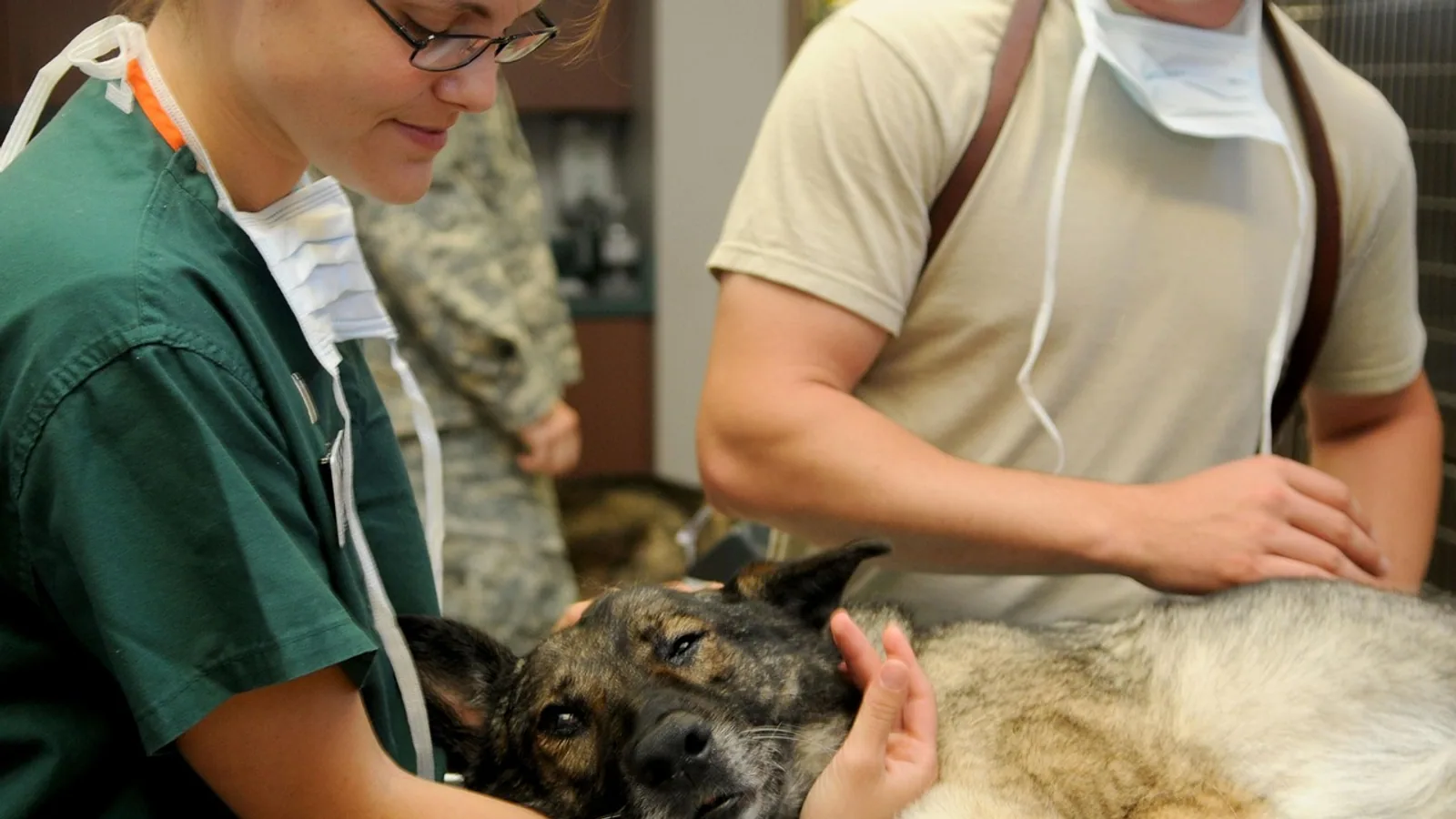
Systemic inflammatory response syndrome, or SIRS, is a set of four bedside measurements that flag a patient whose whole body is mounting an inflammatory response. The method achieves one specific goal: it converts a vague clinical impression of "this animal looks systemically sick" into a reproducible screen that any trained team member can apply in under five minutes. You use it on admission, during triage, and at every recheck of a hospitalized patient. The hands-on time is roughly two minutes once you have a temperature, heart rate, respiratory rate, and a complete blood count. The elapsed time from patient to result depends on how fast your in-house analyzer returns a white cell count, typically 15 to 60 minutes.
SIRS is a screening trigger. It is not a diagnosis. A patient can meet SIRS criteria because of trauma, surgery, pancreatitis, immune-mediated disease, or neoplasia, with no infection anywhere in the body. Sepsis is a narrower concept that requires SIRS plus a confirmed or suspected infection plus organ dysfunction [1]. Keeping that hierarchy straight is the single most important skill in this topic.
This article is educational and is not a substitute for veterinary diagnosis or treatment.
What SIRS Actually Measures
SIRS describes the host response, not the cause. The four criteria capture four different organ systems reacting to the same circulating inflammatory mediators: the thermoregulatory center (temperature), the cardiovascular system (heart rate), the respiratory system (respiratory rate), and the bone marrow (white cell count). When two or more of these systems deviate in the same patient, the probability that a systemic inflammatory process is underway rises.
The concept originated in human critical care and was adapted to veterinary medicine because the underlying physiology is shared across mammals. Theuerkauf and colleagues adapted a standard human protocol for measuring activated platelets in equine SIRS cases, which illustrates how directly the human framework transfers to veterinary species at the mechanistic level [2]. That transfer is useful for pathophysiology. It is dangerous when clinicians copy human numeric thresholds directly onto dogs, cats, horses, or cattle.
The Four Criteria and Their Species Thresholds
The table below gives the canine and feline thresholds that are used in the veterinary literature and in standard emergency practice. Every value in the dog and cat columns is drawn from the criteria as applied in the veterinary studies cited in this article [3][1][4][5][6].
| Criterion | Canine threshold | Feline threshold | Notes |
|---|---|---|---|
| Temperature | Less than 100.0 F or greater than 103.5 F | Less than 100.0 F or greater than 103.5 F | Hypothermia carries as much weight as fever |
| Heart rate | Greater than 120 beats per minute | Greater than 200 beats per minute | Cats tolerate far higher rates before meeting the cut-off |
| Respiratory rate | Greater than 20 breaths per minute | Greater than 40 breaths per minute | Measure at rest, not during handling |
| White blood cell count | Greater than 12,000 per microliter, less than 4,000 per microliter, or greater than 3 percent band neutrophils | Greater than 19,000 per microliter, less than 4,000 per microliter, or greater than 3 percent band neutrophils | Band neutrophils count as a left shift even when the total count is normal |
Two or more positive criteria in a dog, or three or more in a cat, constitute a positive SIRS screen. The cat requirement is stricter because cats are less likely to mount a fever and more likely to hide tachycardia, so a lower bar would over-trigger.
Why Equine and Bovine Cut-Offs Differ
Equine and bovine SIRS criteria exist but use different numbers, and they must be sourced from species-specific literature rather than extrapolated from small animal values. In horses, heart rate and white cell count thresholds are set against the normal equine resting range, which is far lower than the canine range. Barnabé and colleagues calculated horse-validated SIRS scores in donkeys and found that only two of the equine criteria (heart rate and one other) performed usefully in that species, which is why they developed a separate donkey score [7]. Wong and Wilkins published a specific definition of SIRS for use in foal medicine because the neonatal equine patient does not behave like the adult horse [8]. Wong and colleagues later showed that 127 of 273 ill foals met the original equine SIRS criteria while only 88 met the equine neonatal criteria, and that the original criteria had sensitivity and specificity for predicting sepsis similar to dedicated sepsis scores [9].
The practical lesson for a mixed or referral practice is simple. Never carry a canine or feline threshold into a horse or a cow. Look up the species-specific cut-off, or use a validated species score such as the equine neonatal SIRS criteria for foals.
When to Apply the Criteria
Apply SIRS screening to any patient with a plausible inflammatory driver and any sign of systemic illness. The most common triggers in small animal emergency practice are vomiting and diarrhea, abdominal pain, fever of unknown origin, collapse, tachycardia, tachypnea, and a patient that simply "looks bad" without a clear cause.
Knopf and colleagues prospectively categorized 172 canine SIRS cases and found the most common underlying causes were gastrointestinal disease at 35.5 percent, vector-borne disease at 16.3 percent, and neoplasia at 12.8 percent [1]. That distribution is a useful mental checklist when you are deciding whether a patient's presentation fits the SIRS pattern.
Do not apply SIRS screening as a stand-alone diagnostic test to a stable outpatient with a single abnormal vital sign. The criteria are designed to be combined with clinical judgment and with the rest of the diagnostic workup.
Materials and Reagents
SIRS screening requires no special reagents beyond what a standard emergency workup already uses. The table lists the practical materials and the working values you need.
| Material | Purpose | Working value or note |
|---|---|---|
| Digital thermometer | Rectal temperature | Record in Fahrenheit, one decimal place |
| Stethoscope | Heart rate and respiratory rate | Count for a full 60 seconds, not 15 seconds multiplied |
| Stopwatch or timer | Rate counting | Reduces error in tachycardic patients |
| In-house hematology analyzer | White blood cell count and differential | Must report band neutrophil percentage |
| Manual blood smear | Left shift confirmation | Essential when the analyzer flags bands or toxic changes |
| SIRS screening form | Standardized documentation | One row per criterion, positive or negative |
| Species-specific threshold card | Prevents human threshold errors | Dog, cat, horse, foal, and bovine columns |
Working concentrations are not applicable to SIRS screening because the method uses no chemical reagents. The only quantitative inputs are the four measured values.
Step-by-Step Procedure
- Measure rectal temperature first. Use a digital thermometer and record the value to one decimal place. Temperature is the criterion most often skipped in a fractious patient, and hypothermia is as significant as fever. Reason: the thermoregulatory criterion cannot be scored without a true core temperature.
- Count heart rate for a full 60 seconds with a stethoscope. Do not estimate from a pulse that you palpated for 15 seconds. Reason: cats must exceed 200 beats per minute to score positive, and a short count magnifies error at that threshold.
- Count respiratory rate at rest, before handling the chest. Observe chest excursions for a full 60 seconds while the patient is undisturbed. Reason: handling artifact raises respiratory rate and produces false positives.
- Submit a complete blood count with differential. Confirm the total white cell count, and confirm the band neutrophil percentage on a manual smear if the analyzer reports bands or toxicity. Reason: the left shift criterion can be positive even when the total white cell count is normal.
- Score each of the four criteria as positive or negative against the species threshold. Use the table above for dogs and cats. Use a species-specific source for horses, foals, and cattle.
- Count the positives. Two or more in a dog, or three or more in a cat, is a positive SIRS screen.
- Record the result on the screening form and in the medical record. Reason: serial SIRS scores over time carry more information than a single admission score, and a documented trend supports or refutes the working diagnosis.
- Move immediately to the next question. If the screen is positive, ask whether there is a confirmed or suspected infection and whether there is organ dysfunction. Reason: this is the step that separates SIRS from sepsis, and it changes management.
- Repeat the screen at least once daily in hospitalized patients. Reason: patients can develop SIRS after admission, and Babyak and Sharp documented cats that developed sepsis while hospitalized after presenting without it [6].
flowchart TD
    [Patient looks systemically ill]
    [Measure temperature heart rate respiratory rate]
    [Submit white cell count with differential]
    [Score four criteria against species thresholds]
    [Two or more positive in dog]
    [Three or more positive in cat]
    [Positive SIRS screen]
    [Is infection confirmed or suspected]
    [Assess organ dysfunction]
    [Sepsis or severe sepsis]
    [Noninfectious SIRS]
    [Reassess daily and treat cause]
    [Patient looks systemically ill] --> [Measure temperature heart rate respiratory rate]
    [Patient looks systemically ill] --> [Submit white cell count with differential]
    [Measure temperature heart rate respiratory rate] --> [Score four criteria against species thresholds]
    [Submit white cell count with differential] --> [Score four criteria against species thresholds]
    [Score four criteria against species thresholds] --> [Two or more positive in dog]
    [Score four criteria against species thresholds] --> [Three or more positive in cat]
    [Two or more positive in dog] --> [Positive SIRS screen]
    [Three or more positive in cat] --> [Positive SIRS screen]
    [Positive SIRS screen] --> [Is infection confirmed or suspected]
    [Positive SIRS screen] --> [Assess organ dysfunction]
    [Is infection confirmed or suspected] --> [Sepsis or severe sepsis]
    [Assess organ dysfunction] --> [Sepsis or severe sepsis]
    [Is infection confirmed or suspected] --> [Noninfectious SIRS]
    [Noninfectious SIRS] --> [Reassess daily and treat cause]
The Principle Behind the Screen
SIRS works because a systemic inflammatory response produces a stereotyped set of physiologic changes regardless of the trigger. Circulating cytokines drive fever or hypothermia, tachycardia, tachypnea, and either a leukocytosis with a left shift or a leukopenia from marrow consumption. Rau and colleagues measured plasma interleukin-6 in dogs with naturally occurring SIRS and sepsis and found that higher admission IL-6 levels correlated with more severe disease, higher mortality, and earlier death [10]. That finding supports the underlying model: the more intense the cytokine response, the more systems deviate, and the worse the outcome.
The screen is deliberately crude. It uses four easily measured variables because a screening tool must be fast, cheap, and repeatable. Crude screening tools trade specificity for sensitivity, and SIRS does exactly that.
SIRS Versus Sepsis Versus Septic Shock
The terminology forms a ladder. SIRS is the inflammatory response alone. Sepsis is SIRS plus a confirmed or suspected infection plus organ dysfunction [1]. Severe sepsis is sepsis with dysfunction of one or more organ systems. Septic shock is sepsis with hypotension that persists despite adequate fluid resuscitation [1].
Knopf and colleagues applied this ladder to 172 canine cases and found organ dysfunction in 114 cases, or 66.3 percent. The coagulation system was most frequently affected at 45.3 percent, followed by the cardiovascular system at 27.3 percent [1]. That distribution tells you where to look first when you are deciding whether a SIRS-positive patient has crossed into sepsis: check coagulation parameters and perfusion before you chase less common organ failures.
Goggs and Letendre separated dogs with sepsis from dogs with noninfectious systemic inflammation and confirmed that both groups satisfied two or more SIRS criteria [11]. The SIRS screen alone could not tell the two groups apart. That is the central limitation of the method and the reason the infection and organ dysfunction steps exist.
Controls and Expected Results
SIRS screening has no laboratory controls in the traditional sense because it is a clinical scoring method, not an assay. The equivalent of a control is a reference population. Spillane and colleagues enrolled 65 healthy dogs and 57 healthy cats from a primary care service and compared them to emergency room patients [4]. This is the control group that tells you how often the screen fires in animals that are not systemically ill.
The expected results are striking. In that study, 69.9 percent of emergency room dogs and 53.8 percent of healthy primary care dogs were SIRS-3 positive when only the three vital parameter criteria were used [4]. More than half of clinically healthy dogs met the screen. That is the expected behavior of a sensitive screening tool, and it is the number every clinician should carry in their head when they interpret a positive result.
For cats, the proportion of SIRS-3 positive animals did not differ between the emergency room and primary care groups [4]. The feline screen is more specific by design because it requires three of three vital criteria rather than two of three.
How to Read a Positive Result
A positive SIRS screen means the patient has a systemic inflammatory response. It does not mean the patient has an infection, and it does not mean the patient needs antibiotics. Read the result as a prompt to answer two follow-up questions: is there an infection, and is there organ dysfunction?
A negative SIRS screen in a patient that looks systemically ill does not rule out sepsis. It means the four measured variables have not yet crossed their thresholds. Repeat the screen, because the values change over hours.
Troubleshooting
| Symptom | Likely cause | Fix |
|---|---|---|
| Healthy post-operative patient screens positive | Surgical trauma drives a systemic inflammatory response without infection | Interpret the screen in context and do not treat as sepsis without infection evidence |
| Trauma patient screens positive on admission | Tissue injury alone triggers SIRS | Reassess after resuscitation and look for organ dysfunction rather than assuming infection |
| Cat with obvious sepsis screens negative | Feline thresholds are strict and cats mask tachycardia | Repeat the screen and weigh clinical judgment over a single negative result |
| Dog screens positive on respiratory rate only during examination | Handling artifact | Recount at rest before scoring |
| White cell count normal but patient clearly inflammatory | Left shift without leukocytosis | Check the band neutrophil percentage on a manual smear |
| Screen positive but no source found | Noninfectious SIRS or occult infection | Pursue imaging and culture, and reassess daily |
| Horse or cow scored with dog thresholds | Wrong species thresholds applied | Use species-specific criteria from equine or bovine literature |
Variations and Species Notes
Canine SIRS
The canine screen is the most studied. Pierini and colleagues graded SIRS by how many criteria each dog fulfilled and found that a SIRS grade greater than two was associated with mortality [3]. That is a useful refinement: the number of positive criteria carries prognostic weight beyond the simple positive or negative result.
Feline SIRS
Gori and colleagues studied 54 SIRS cats and 79 septic cats and found that the neutrophil-to-lymphocyte ratio was higher in sick cats than in healthy cats but did not differ between SIRS and sepsis [5]. Two other ratios, the band neutrophil-to-lymphocyte ratio and the band neutrophil-to-neutrophil-to-lymphocyte ratio, did differ between SIRS and sepsis in cats [5]. These ratios are adjuncts, not replacements for the four criteria.
Equine and Neonatal Equine SIRS
Equine SIRS uses different thresholds, and foals use a separate neonatal definition [8]. Wong and colleagues found the original equine SIRS criteria performed comparably to dedicated sepsis scores for predicting sepsis in foals, but the neonatal criteria identified a smaller and probably more specific group [9]. Donkeys require their own score because equine criteria transfer imperfectly [7].
Bovine SIRS
Bovine SIRS criteria exist in the large animal literature but are not interchangeable with small animal or equine values. Source the cut-offs from bovine-specific references before applying the screen to cattle.
Storage and Stability Notes
SIRS scores are not stored reagents, but the data behind them have stability characteristics worth knowing. Vital parameters are instantaneous and must be measured at the time of scoring. A heart rate from two hours ago is not a valid input. White cell counts are stable in EDTA anticoagulant for a limited window, and the differential, particularly the band neutrophil percentage, degrades faster than the total count. If you are scoring SIRS from a blood sample drawn earlier in the day, confirm that the differential was performed on a fresh smear.
Serial scores are more informative than single scores. Store them in the medical record in a consistent format so that the trend is visible to every clinician who touches the case.
Clinical Relevance, Limitations and Common Mistakes
SIRS screening is relevant because it standardizes the recognition of systemic inflammation and creates a shared language between triage, the ward, and the clinician. It feeds directly into sepsis screening protocols: a positive SIRS screen plus a suspected infection plus organ dysfunction equals sepsis, and that diagnosis changes monitoring intensity, fluid strategy, and source control urgency.
The limitations are substantial and must be stated plainly. Specificity is low. In the emergency room and primary care comparison, more than half of healthy dogs screened positive using vital criteria alone [4]. Trauma and post-operative patients are the classic false positive groups because tissue injury alone drives the inflammatory response. A positive screen in a dog that was hit by a car tells you the dog is injured, not that the dog is infected.
The most common mistake is applying human adult thresholds to animals. Human SIRS criteria use adult human temperature, heart rate, respiratory rate, and white cell count ranges, and those ranges do not match any veterinary species. A dog with a heart rate of 130 beats per minute meets the canine criterion but would be unremarkable by human standards. A cat with a heart rate of 180 beats per minute does not meet the feline criterion but would be profoundly tachycardic by human standards. Copying human numbers onto a veterinary patient produces both false positives and false negatives, and it is the single error that most undermines the value of the screen.
A second common mistake is treating a positive SIRS screen as a diagnosis. It is a trigger. The diagnosis requires the infection and organ dysfunction steps.
A third mistake is scoring SIRS once and never repeating it. Patients evolve, and Babyak and Sharp documented cats that developed sepsis during hospitalization after presenting without it [6]. Daily rescoring catches that transition.
A fourth mistake is ignoring the left shift when the total white cell count is normal. The band neutrophil criterion exists precisely for that scenario, and Marchetti and colleagues found that increased band neutrophils were associated with critical illness-related corticosteroid insufficiency in SIRS dogs [12].
Individual cases require a veterinarian who can integrate the screen with the full clinical picture.
Frequently Asked Questions
What are the four criteria of SIRS in veterinary medicine?
The four criteria are temperature, heart rate, respiratory rate, and white blood cell count with differential. A patient scores positive when enough of these deviate from the species-specific normal range.
How many criteria must be met for a positive SIRS screen?
Dogs need two or more of the four criteria. Cats need three or more. The stricter feline requirement reflects how often cats mask early signs of systemic illness.
Is SIRS the same as sepsis?
No. SIRS is the inflammatory response alone. Sepsis requires SIRS plus a confirmed or suspected infection plus organ dysfunction.
Why do healthy dogs sometimes screen positive for SIRS?
The screen is deliberately sensitive. More than half of healthy dogs in one primary care population met the vital-parameter criteria, so a positive result in a well-looking dog is expected rather than alarming.
Can a trauma patient have SIRS without an infection?
Yes. Tissue injury alone drives a systemic inflammatory response, which is why trauma and post-operative patients are the classic false positive groups for SIRS screening.
Do horses and cattle use the same SIRS thresholds as dogs and cats?
No. Equine and bovine thresholds differ and must be taken from species-specific literature. Foals use a separate neonatal equine definition.
What is the difference between SIRS and severe sepsis?
Severe sepsis is sepsis with dysfunction of one or more organ systems. In one canine case series, organ dysfunction was present in about two thirds of SIRS and sepsis cases, most often affecting coagulation.
What should I do when my patient screens positive for SIRS?
Ask whether there is a confirmed or suspected infection and whether there is organ dysfunction. Those two questions move the patient from a SIRS label toward a sepsis diagnosis and a management plan.
Related Articles
- Clinical Chemistry Analyzers: Selection Criteria and Workflow Integration
- Clinical Trial Management Systems: Features and Selection Criteria
- Laboratory Animal Monitoring: Clinical Observations, Record Keeping, and Intervention Criteria
- A Practical Guide to Using gnomAD for Variant Interpretation in Clinical Research: From Allele Frequency to ACMG Criteria
- FINER criteria research question
- Alfalfa Hay for Goats: Feeding Decisions and Mineral Context
- Dorsal Recumbency: Definition and Clinical Use
Sources
- Causes and Outcome of Systemic Inflammatory Response Syndrome in Dogs: An Observational Study of 172 Cases.
- Activated platelets and platelet-leukocyte aggregates in the equine systemic inflammatory response syndrome.
- Neutrophil-to-lymphocyte ratio, nucleated red blood cells and erythrocyte abnormalities in canine systemic inflammatory response syndrome.
- Evaluating the clinical utility of the systemic inflammatory response syndrome criteria in dogs and cats presenting to an emergency department.
- Leukocytes Ratios in Feline Systemic Inflammatory Response Syndrome and Sepsis: A Retrospective Analysis of 209 Cases.
- Epidemiology of systemic inflammatory response syndrome and sepsis in cats hospitalized in a veterinary teaching hospital.
- Development of a prognostic scoring system for systemic inflammatory response syndrome in donkeys.
- Defining the Systemic Inflammatory Response Syndrome in Equine Neonates.
- Evaluation of updated sepsis scoring systems and systemic inflammatory response syndrome criteria and their association with sepsis in equine neonates.
- Plasma interleukin-6 response is predictive for severity and mortality in canine systemic inflammatory response syndrome and sepsis.
- Evaluation of the host cytokine response in dogs with sepsis and noninfectious systemic inflammatory response syndrome.
- Critical illness-related corticosteroid insufficiency in dogs with systemic inflammatory response syndrome: A pilot study in 21 dogs.