Is It Safe for Cats to Lick a Flea Collar?
By Dr. Zubair Khalid, DVM, MS, PhD ·
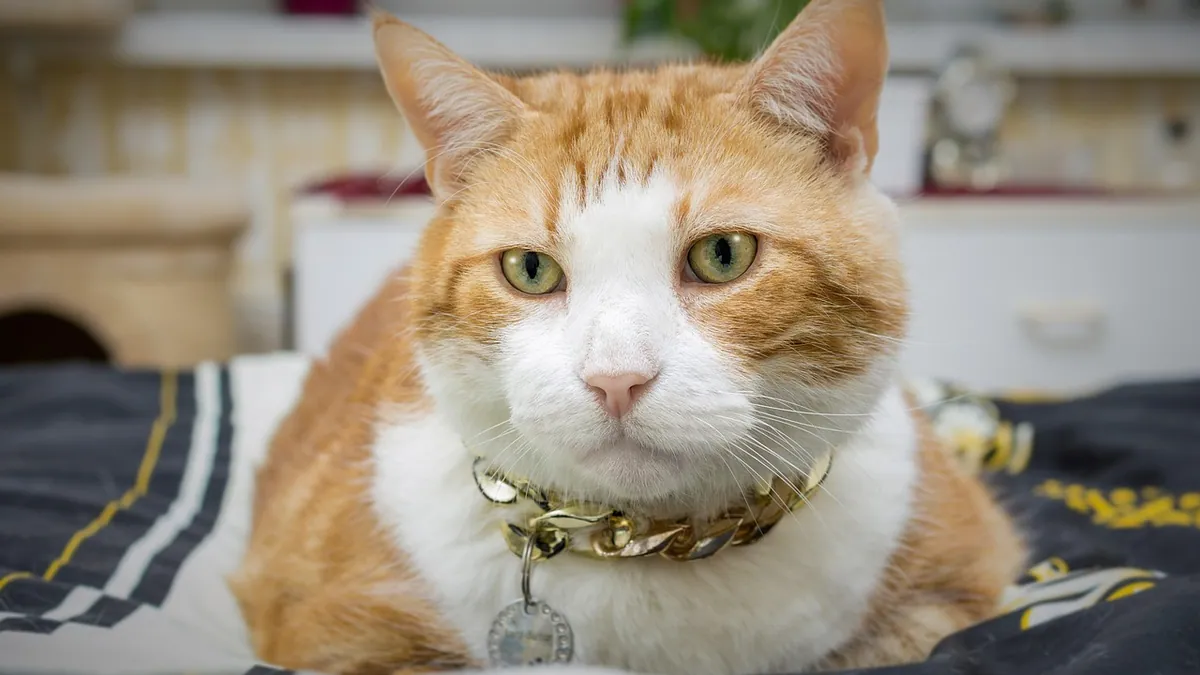
Is it safe for cats to lick flea collars? Usually, brief licking of a properly fitted collar is not dangerous, but chewing, swallowing, or prolonged mouth contact can cause poisoning. The risk depends on the active ingredients, how much your cat takes in, and your cat's size and health. This article is educational and is not a substitute for veterinary diagnosis or treatment.
Quick Answer
- Most flea collars are designed to release small amounts of insecticide onto the skin, and casual grooming near a collar is generally low risk.
- Chewing or eating a collar is a real emergency, because it delivers a much larger dose than skin contact alone.
- Cats are especially sensitive to pyrethroid insecticides, including permethrin and flumethrin, which are common in dog products and some collars.
- Signs of poisoning can include drooling, vomiting, tremors, wobbliness, and seizures, and these need same-day veterinary care.
- If you think your cat swallowed part of a collar, call your veterinarian or a pet poison hotline right away. Do not wait for symptoms.
What Flea Collars Are and What Veterinarians Use Them For
Flea collars are plastic or polymer bands worn around the neck that slowly release insecticide onto the fur and skin. They are one option among many for flea control, alongside topical spot-on products, oral tablets, and injectable medications.
One well-known collar type releases two active ingredients, imidacloprid and flumethrin, over a long period [1]. Imidacloprid is a neonicotinoid that kills adult fleas. Flumethrin is a pyrethroid that also kills fleas and may repel them.
Veterinarians recommend flea control because flea infestations cause itching, skin damage, and can spread disease. Fleas on cats are a major clinical and public health concern, partly because they can transmit pathogens to animals and people [2]. Effective flea control matters for your cat and for your household.
Flea collars are not the only choice, and they are not always the best one. Many veterinarians prefer spot-on or oral products because the dose is more predictable and because collars can be chewed, lost, or removed. If you are comparing options, see Cat Flea Treatment Safe For Cats and Flea Prevention for Dogs and Cats: What Owners Should Know.
How Flea Collars Work
A flea collar works by slow release. The active ingredient migrates from the collar material onto your cat's skin and hair, where it contacts fleas. Some ingredients kill fleas on contact. Others spread through the oily layer of the skin.
Because the medicine sits on the fur, anything that touches the fur can pick it up. That includes your hands, your furniture, and your cat's own tongue during grooming. A study that measured imidacloprid and flumethrin levels on dog fur found that concentrations were highest right after a collar was applied [1]. That tells us transfer to the environment is real, though the measured levels stayed well below a toxicity threshold for people in that study [1].
That same transfer is why licking matters. When your cat grooms near the collar, it swallows a small amount of insecticide. For most cats, that small amount is not enough to cause illness. The problem comes when the amount goes up, which happens with chewing, a damaged collar, or a collar that is too loose and easy to grab.
Is It Safe for Cats to Lick a Flea Collar? Dosing Basics
There is no single safe dose you can apply at home. The dose your cat receives from a collar depends on the product, the concentration of active ingredients, how much your cat grooms, and your cat's body weight. Your veterinarian decides whether a collar is appropriate and which one to use.
Flea collars are not dosed like a pill. You do not calculate a milligram amount and give it. You fit the collar according to the label, trim excess length, and check it regularly. A collar that is too loose can be caught on objects or pulled into the mouth. A collar that is too tight can cause skin damage.
If you use a collar and also use another flea product, you can accidentally double up on the same class of drug. That raises the risk of side effects. Tell your veterinarian everything your cat receives, including collars, spot-ons, shampoos, and oral products.
If you forget to replace a collar on schedule, put a new one on when you remember, then return to the normal schedule. Do not apply two collars at once to make up for lost time. If you are unsure about timing, call your veterinary clinic.
Common and Serious Side Effects
| Side effect | How common or serious | What to do |
|---|---|---|
| Mild drooling after licking the collar | Uncommon, usually mild | Wipe the mouth, remove the collar, watch for 24 hours |
| Vomiting or diarrhea | Uncommon, can be moderate | Remove the collar and call your veterinarian |
| Skin redness, hair loss, or itching under the collar | Fairly common with contact irritation | Remove the collar, clean the area gently, call your vet |
| Wobbliness, tremors, or twitching | Serious | Remove the collar and seek veterinary care the same day |
| Seizures, collapse, or trouble breathing | Emergency | Go to a veterinary emergency hospital now |
Pyrethroid poisoning is a known risk in animals. In one report, a permethrin-containing powder caused fatal toxicosis in a group of mountain quail, with signs appearing about three days after exposure and including reduced activity and ruffled feathers [3]. That report involved birds, not cats, but it shows how pyrethroids can cause serious harm when exposure is high. Cats are generally more sensitive to pyrethroids than many other species.
There is no specific antidote for pyrethrin or pyrethroid poisoning. Treatment is supportive and may include liver-supportive medications and vitamin therapy [3]. That is why prevention and early recognition matter so much.
Who Should Not Wear a Flea Collar
Not every cat should wear a flea collar. Skip collars, or ask your veterinarian first, in these situations.
- Kittens. Young cats are smaller and may be more vulnerable to insecticide effects. Age limits vary by product, so follow the label and your veterinarian's advice.
- Cats with liver or kidney disease. These organs process and clear drugs. A cat with organ disease may not handle insecticide exposure well.
- Cats with known reactions to a flea product. If your cat has had drooling, tremors, or skin reactions after a collar, do not use that product again.
- Cats that live with dogs wearing permethrin products. Permethrin is common in dog flea products and is dangerous to cats. A cat that grooms a treated dog can be poisoned. This is a major reason to keep species-specific products separate.
- Cats with breakaway collar needs. Cats should wear breakaway collars for safety. A flea collar that does not break away can be a strangulation risk.
Drug interactions matter too. If your cat takes other medications, or if you use multiple parasite products, ask your veterinarian before adding a collar. Combining products with similar active ingredients can increase the dose beyond what is intended.
Flea resistance is another reason collars may fail. A study of cat fleas found mutations linked to flumethrin resistance, with one mutation present in 10 percent of fleas and another in 2.5 percent [4]. If a collar is not controlling fleas, the problem may be resistance, not your cat. Your veterinarian can help you switch to a product that still works. For more on choosing safe products, see Fleas on Cats: Safe Flea Treatments and What to Avoid.
Overdose and When to Call a Veterinarian or Poison Control
An overdose happens when your cat takes in more insecticide than its body can handle. The most common cause is chewing or swallowing a collar or part of one. A second cause is using a dog product on a cat, especially a permethrin product.
Signs of toxicity usually involve the nervous system. Watch for drooling, vomiting, dilated pupils, wobbliness, muscle twitching, tremors, or seizures. Some cats become agitated, and others become dull and weak. Signs can start within minutes to hours, but in some cases they appear days later.
If you see any of these signs, remove the collar and call your veterinarian or a pet poison hotline immediately. Do not induce vomiting unless a veterinarian tells you to. Do not give human medications, food, or milk to try to absorb the poison.
If your cat is having a seizure, is collapsing, or is struggling to breathe, go to an emergency clinic now. Bring the collar or its packaging with you so the veterinary team knows exactly what was involved.
If your cat licked the collar once and seems completely normal, you can call your veterinarian for advice and monitor closely for 24 hours. If any symptom appears, treat it as an emergency.
Limitations and When to Contact a Veterinarian
No article can tell you whether your specific cat will be fine after licking a flea collar. Individual cases need a veterinarian who can examine your cat, ask about the product, and decide on treatment.
Contact your veterinarian the same day if your cat drools, vomits, seems off balance, or has skin irritation under the collar. Contact them the same day if you are unsure how much of the collar your cat swallowed.
Go to an emergency hospital now if your cat has a seizure, tremors that will not stop, collapse, weakness, or trouble breathing. These are signs of serious poisoning and need immediate care.
Schedule a routine visit if you want help choosing a flea product, if fleas keep coming back despite treatment, or if your cat has ongoing skin problems. Flea-related itching can have several causes, and a veterinarian can sort them out. For example, sarcoptic mange in cats can cause crusty lesions and intense itching, and it is treated with medications such as moxidectin and imidacloprid or selamectin and ivermectin [5]. That is a different problem from fleas, but it shows why a proper diagnosis matters.
Frequently Asked Questions
Can my cat get sick from just licking a flea collar once?
A single brief lick is usually not enough to cause poisoning in a healthy adult cat. The amount of insecticide transferred to the tongue during normal grooming is small. Still, watch your cat for drooling, vomiting, or wobbliness, and call your veterinarian if anything seems wrong.
What should I do if my cat chews a piece off the collar?
Treat this as an emergency and call your veterinarian or a pet poison hotline right away. Chewing delivers a much larger dose than licking, and swallowed pieces can also cause a blockage. Do not wait for symptoms to appear before you call.
Are flea collars safe for kittens?
Many flea collars are not labeled for young kittens, and age limits differ by product. Kittens are small, so the same amount of insecticide can have a stronger effect. Ask your veterinarian which flea product is safe for your kitten's age and weight.
Can my cat be poisoned by a flea collar meant for dogs?
Yes. Dog flea products often contain permethrin, which is toxic to cats. A cat can be poisoned by wearing a dog collar or by grooming a dog that recently wore one. Never put a dog flea product on a cat, and keep treated dogs and cats separated until the product dries.
Do flea collars still work if fleas are resistant?
Sometimes they do not. Flea populations can develop resistance to common insecticides, including flumethrin, which is used in some collars [4]. If fleas persist, your veterinarian can recommend a different product or a combination approach. Do not add extra collars or products on your own.
A Final Word on Safety
Flea collars can be part of a flea control plan, but they are not risk free. The biggest danger is not a quick lick. It is chewing, swallowing, or using the wrong product on a cat. Keep collars fitted properly, store them out of reach, and never use a dog product on your cat.
If you have any doubt about your cat's exposure, call your veterinarian. Early advice is far better than waiting. For more background on safe flea control, see Cat Flea Treatment Safety and Home Flea Treatment Safe For Cats.
Related Articles
- Cat Flea Treatment Safe For Cats
- Cat Flea Treatment Safety
- Flea Prevention for Dogs and Cats: What Owners Should Know
- Fleas on Cats: Safe Flea Treatments and What to Avoid
- Home Flee Treatment Safe For Cats
- Flea Prevention Dogs Cats
- Are Flea Collars Toxic to Cats? Safety Guide
- Cat Licked Flea Medicine: What to Do Right Now
- Is Revolution Safe If My Cat Licks It?
References
- Antiparasitic Collars: Concentration Levels of Imidacloprid and Flumethrin in Dog Fur Suggest Low Toxicity Risks for Adult Humans. Journal of veterinary pharmacology and therapeutics, 2025.
- Field evaluation of a topical combination of ivermectin, imidacloprid, and praziquantel for flea control in cats under routine clinical. Frontiers in parasitology, 2026.
- Suspected Permethrin-Containing Powder Bath Poisoning in a Flock of Mountain Quail (Oreortyx pictus). Animals : an open access journal from MDPI, 2025.
- Investigation of knockdown resistance mutations in Ctenocephalides felis samples from the cat populations of Istanbul Province. Polish journal of veterinary sciences, 2025.
- Feline sarcoptic mange in Poland: A case series of three cats. Veterinary medicine and science, 2024.