Cat Pain Medication: Prescription Options and Safety
By Dr. Zubair Khalid, DVM, MS, PhD ·
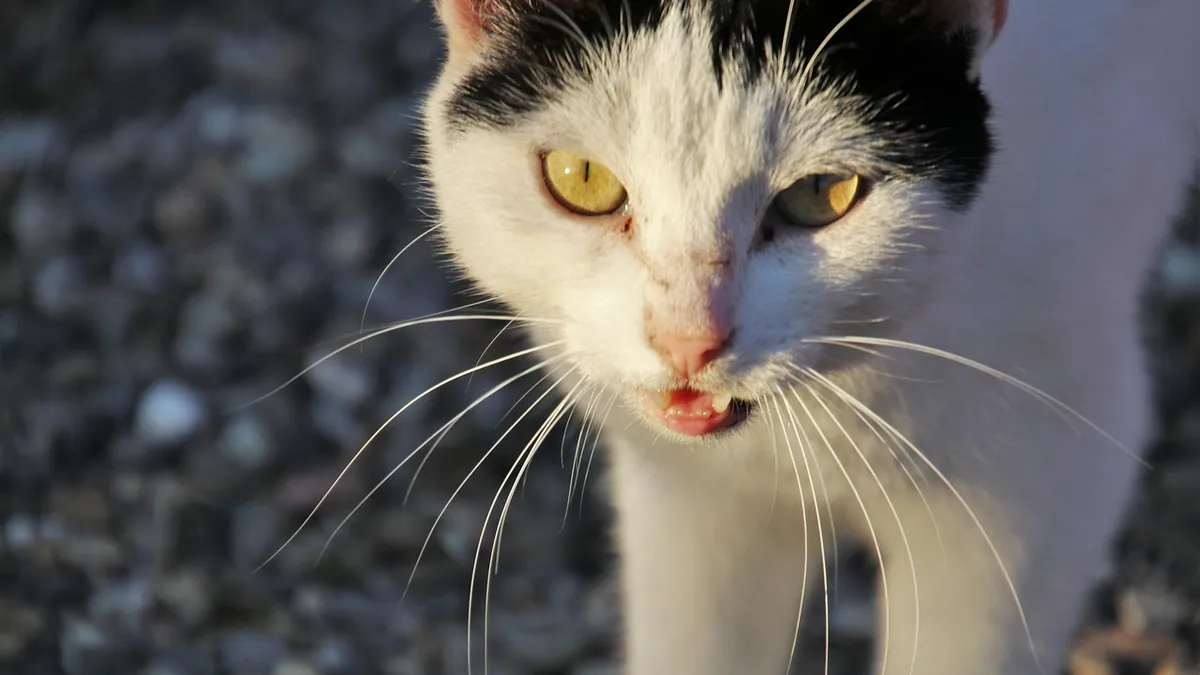
Pain in cats is treated with prescription medications, and the choice depends on whether the pain is acute (like after surgery) or chronic (like arthritis). Never give a cat human pain relievers such as ibuprofen or acetaminophen, because they can be fatal. This article is educational and is not a substitute for veterinary diagnosis or treatment.
Quick Answer
- Only a veterinarian can prescribe cat pain medication. Human pain pills are not a substitute and can kill a cat.
- Buprenorphine is the first FDA-approved, single-dose injectable opioid for post-operative pain in cats [1].
- Meloxicam and robenacoxib are the NSAIDs most often used by veterinarians for feline pain [2][3].
- Gabapentin and pregabalin are used for anxiety and for some types of acute and chronic pain in cats [4].
- If you think your cat ate a human pain pill, call Pet Poison Helpline at (855) 764-7661 and your veterinarian right away [5].
What Is Cat Pain Medication and What Is It Used For?
Cat pain medication is any drug prescribed by a veterinarian to reduce pain in a cat. It is not sold over the counter for cats in the United States. Every product your cat receives should come from your vet, with a label that lists your cat's name, the drug, the strength, and the schedule.
Veterinarians treat two broad categories of pain in cats.
Acute pain happens suddenly and usually has a clear cause. Surgery, dental extractions, injuries, and urinary blockages are common examples. A global survey of veterinarians found that meloxicam (76.4%) and buprenorphine (48.1%) were the most frequently used analgesics for acute pain in cats [2]. A separate survey in Africa found meloxicam was available to 80.3% of respondents for acute pain management in cats and dogs [6].
Chronic pain lasts weeks to years. Osteoarthritis is the most common example in cats, and it is often missed because cats hide pain well. In the same global survey, meloxicam (62.6%) and robenacoxib (25.2%) were the most frequently used NSAIDs for chronic pain [2]. A European survey found the same two drugs led chronic pain management, and that 48.5% of veterinarians did not use any chronic pain scoring instrument at all [3].
Your veterinarian may combine drugs from different classes. This is called multimodal analgesia, and it often works better than one drug alone because each medication targets a different part of the pain pathway.
If your cat needs medication for a behavior problem as well as pain, see Cat Anxiety Medication: What You Need to Know.
How Does Cat Pain Medication Work?
Different classes of cat pain relief medicine work in different ways.
Opioids bind to opioid receptors in the brain and spinal cord and blunt the perception of pain. Buprenorphine is a partial opioid agonist. The FDA approved Simbadol (buprenorphine) in July as the first single-dose injectable opioid for controlling post-operative pain in cats recovering from surgery [1]. The single-dose design matters because it limits handling of a stressed cat who is waking up from anesthesia [1]. Studies suggest buprenorphine provides good pain relief and is safe in cats recovering from surgery [1].
NSAIDs (non-steroidal anti-inflammatory drugs) reduce inflammation and pain by blocking enzymes in the inflammatory pathway. Veterinary-specific NSAIDs exist for cats, and they are used to treat general pain and inflammation [5]. Human NSAIDs such as Aleve, Advil, and ibuprofen treat the same problems in people, but they are not safe for cats and can be dangerous if consumed [5]. Cats metabolize these drugs differently than people and dogs, which is why the veterinary versions and the dosing are so specific.
Gabapentin and pregabalin were originally developed for seizures and nerve pain. A systematic review of 40 studies found they are used in cats for stress, fear, and anxiety management and for control of both acute and chronic pain [4]. They are often prescribed before a vet visit to reduce fear, which makes examination and pain scoring easier.
Tramadol is an opioid-like drug sometimes used orally. One study evaluated a fixed-dose oral combination of dipyrone and tramadol in cats after ovariohysterectomy, dosed every 12 hours for 5 days [7]. This is an example of how oral options are studied for at-home pain control, though availability and use vary by country and clinic.
Dosing Basics for Cat Medication for Pain
Who decides the dose
Your veterinarian decides the dose. They calculate it from your cat's weight, body condition, kidney and liver values, other medications, and the type of pain being treated. Never adjust the dose on your own, and never split a dose based on what a previous cat needed.
How it is given
Cats receive pain medication by injection in the clinic or by mouth at home. Some drugs come as liquids, some as tablets, and some as transmucosal gels absorbed through the gums. Follow the label exactly. If your vet shows you a technique, such as placing a liquid between the cheek and gum, practice it once in the clinic before you go home.
What to do about a missed dose
If you miss a dose, do not double up. Give the next dose at the next scheduled time unless your veterinarian tells you otherwise. Call the clinic if you are unsure whether a dose was swallowed, especially with opioids or NSAIDs.
What to do if your cat vomits or spits out the dose
Do not repeat the dose automatically. Some drugs are absorbed quickly and a second dose could cause an overdose. Call your veterinarian for instructions.
For help getting your cat to accept medication and to the clinic with less stress, see How to Prepare Your Cat for a Vet Visit to Get a Prescription.
Side Effects of Feline Pain Relief
| Side effect | How common or serious | What to do |
|---|---|---|
| Sedation, sleepiness | Common with opioids and gabapentin, usually mild | Keep the area quiet and let your cat rest. Call if your cat is hard to wake. |
| Vomiting or nausea | Common with several classes, can be serious if repeated | Call your vet the same day. Nausea can also raise pain scores on assessment tools [8]. |
| Decreased appetite | Common, mild to moderate | Offer small meals. Call if your cat refuses food for more than 24 hours. |
| Behavior changes (vocalizing, restlessness, unsteady walking) | Can occur with opioids, may be mistaken for pain | Do not give extra medication. Call your vet for guidance [8]. |
| Stomach or intestinal ulcers | Uncommon but serious with NSAIDs | Stop the drug and call your vet or an emergency clinic right away [5]. |
| Kidney injury | Rare with correct NSAID use, more likely with overdose or dehydration | Emergency care is needed if your cat stops urinating or seems very ill [5]. |
| Liver injury | Rare, serious | Same-day veterinary visit for yellow gums, vomiting, or lethargy. |
| Breathing difficulty or extreme sedation | Rare, emergency | Go to an emergency clinic now. |
A study in healthy cats found that drug-induced nausea and opioid-related behavior changes can affect pain scores, which means some signs you see after medication may not mean the pain is worse [8]. This is one reason your veterinarian may ask you to describe behavior in detail instead of just rate pain on a scale.
Who Should Not Take These Medications and What Interacts With Them
Not every cat can take every pain drug. Your veterinarian will review your cat's history before prescribing.
Cats with kidney disease, liver disease, dehydration, or a history of stomach ulcers may not be good candidates for NSAIDs [5]. Cats who are already vomiting or not eating are usually not started on an NSAID until those problems are sorted out. Cats on steroids, certain antibiotics, or other NSAIDs face higher risk of gastrointestinal and kidney problems, so tell your vet about every drug and supplement your cat takes, including flea products and joint supplements.
Opioids can interact with sedatives, antihistamines, and some behavior medications. Gabapentin and pregabalin can add to sedation from other drugs. If your cat is scheduled for anesthesia, your veterinarian needs a complete medication list.
Never combine a prescription NSAID with a human NSAID, and never give two NSAIDs at once unless your veterinarian specifically directs it. For a deeper look at monitoring, see NSAID Selection and Safety Monitoring in Feline Chronic Pain Management.
If you are unsure which human medicines are ever acceptable around cats, read What Human Medications Are Safe for Cats? A Vet's Guide to OTC Options. The short version is that human pain relievers are not on the safe list.
Overdose and When to Call a Veterinarian or Poison Control
Cats can overdose on NSAIDs, and life-threatening signs can occur if the dose is high [5]. Cats can also have a bad reaction to a correctly prescribed dose [5]. Either way, the response is the same. Get your cat to a veterinarian immediately.
Call Pet Poison Helpline at (855) 764-7661 for medical advice on an NSAID overdose [5]. You can also call your own veterinarian or the nearest emergency clinic. Bring the bottle or package with you so the team knows the drug, the strength, and how much may have been eaten.
To prevent poisoning, keep all cat medication in a secure place your cat cannot reach [5]. Tell every family member about your cat's medication routine, and ask your veterinarian if anyone in the household has questions about it [5].
Signs that warrant an immediate call include vomiting, drooling, black or bloody stool, wobbling, collapse, seizures, fast or labored breathing, and not producing urine. Do not wait to see if things improve on their own.
Limitations and When to Contact a Veterinarian
Pain management in cats is not one-size-fits-all. Surveys show wide differences in how veterinarians assess and treat feline pain around the world, including how often they use pain scoring tools [2][6][3][9]. Your cat's plan should be built for your cat, and individual cases need a veterinarian who can examine your cat and review lab work.
Contact your veterinarian the same day if:
- Your cat vomits more than once, drools heavily, or refuses food after starting a new pain medication.
- Your cat seems more sedated than expected, or is hard to rouse.
- You missed a dose, gave a double dose, or are not sure how much was swallowed.
- Your cat's pain seems worse instead of better after 24 to 48 hours.
Go to an emergency clinic now if:
- Your cat ate any human pain reliever, including ibuprofen, naproxen, or acetaminophen.
- Your cat is collapsing, having seizures, breathing hard, or has pale or yellow gums.
- Your cat has not urinated in 12 hours or more, or is straining to urinate.
- Your cat has black, tarry stool or is vomiting blood.
Schedule a routine visit if:
- Your cat is stiff, jumping less, or hesitating on stairs, which can signal chronic pain.
- You want to discuss long-term pain management products and monitoring.
- Your cat needs a refill and has not had a checkup or bloodwork in several months.
For general guidance on how prescriptions work for cats, see Prescription Medicine For Cats.
Frequently Asked Questions
Can I give my cat ibuprofen or acetaminophen?
No. Human NSAIDs are not safe for cats and can be dangerous if consumed [5]. These drugs can cause serious harm even in small amounts, and there is no safe home dose. If your cat ate any, call Pet Poison Helpline at (855) 764-7661 and your veterinarian immediately [5].
What is the most commonly used pain medication for cats?
Meloxicam is the most frequently used analgesic for both acute and chronic pain in cats, based on a global survey of veterinarians [2]. Buprenorphine is also widely used for acute pain and was the first FDA-approved single-dose injectable opioid for post-operative pain in cats [1][2].
Is buprenorphine safe for cats?
Studies suggest buprenorphine provides good pain relief and is safe in cats recovering from surgery [1]. It is given as a single injection in the clinic for post-operative pain, which reduces handling of a stressed cat [1]. Your veterinarian will decide whether it fits your cat's situation.
Can cats take gabapentin for pain?
Yes, gabapentin is used in cats for anxiety and for some acute and chronic pain [4]. A systematic review of 40 studies examined its anxiolytic and analgesic effects in cats [4]. It is prescription-only, and the dose must come from your veterinarian.
What should I do if my cat seems sleepy after pain medication?
Some sleepiness is expected with opioids and gabapentin, but excessive sedation needs a call to your veterinarian. Drug-induced nausea and opioid-related behavior changes can also affect how your cat looks and acts after medication [8]. If your cat is hard to wake, breathing slowly, or not responding to you, treat it as an emergency.
Related Articles
- Prescription Medicine For Cats
- Cat Anxiety Medication: What You Need to Know
- What Human Medications Are Safe for Cats? A Vet's Guide to OTC Options
- NSAID Selection and Safety Monitoring in Feline Chronic Pain Management
- How to Prepare Your Cat for a Vet Visit to Get a Prescription
- How to Give Your Cat Allergy Medication Safely
- Cat Pain Relief at Home: Safe Options and What to Avoid
- Over-the-Counter Pain Relief for Cats: What's Safe
- What Can I Give My Cat for Pain? Safe Options and Risks
References
- Newly approved pain drug for cats. Cornell University College of Veterinary Medicine.
- A global survey of attitudes and practices of veterinarians about pain management in cats. Veterinary journal (London, England : 1997), 2026.
- EXPRESS: Attitudes and practices of veterinarians regarding feline pain management in Western versus Eastern Europe. Journal of feline medicine and surgery, 2026.
- Comparison of the Anxiolytic and Analgesic Effects of Gabapentin and Pregabalin in Cats: A Systematic Review. Animals : an open access journal from MDPI, 2025.
- Nsaids for Cats. Pet Poison Helpline.
- Analgesic practices for acute pain management in cats and dogs in Africa. The Journal of small animal practice, 2026.
- Analgesic efficacy of oral tramadol-dipyrone combination in cats undergoing ovariohysterectomy. Frontiers in veterinary science, 2026.
- Influence of drug-induced nausea and opioid-associated behavioural alterations on pain scores in nonpainful cats: a prospective, randomised, experimental trial. Veterinary anaesthesia and analgesia, 2026.
- Opioid use and perioperative pain management practices in dogs and cats in Latvia: A national survey highlighting regional disparities and generational differences. Veterinary world, 2026.