Senior Cat Joint Pain: Arthritis Care and Support Options
By Dr. Zubair Khalid, DVM, MS, PhD ·
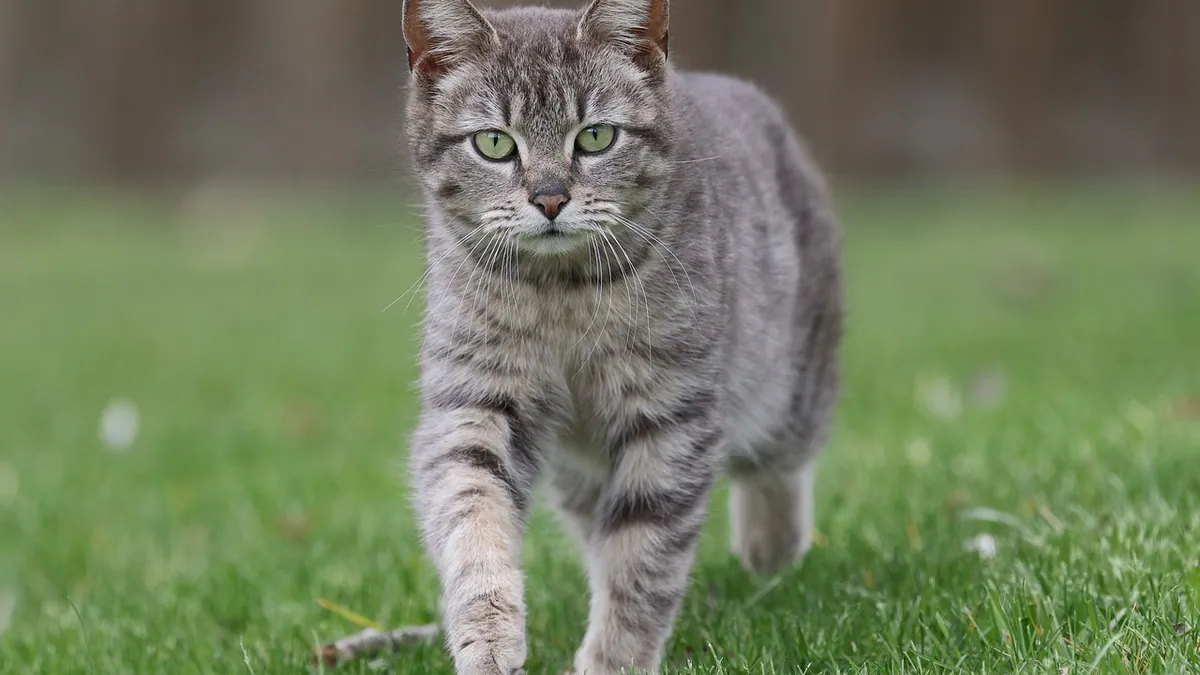
Senior cat arthritis is joint degeneration that causes chronic pain and stiffness, and it affects most older cats even when owners see no obvious limping. You can do a lot to keep your cat comfortable, from simple home changes to prescription pain relief. The first step is getting your cat evaluated, because cats hide pain well and the signs are easy to miss.
This article is educational and is not a substitute for veterinary diagnosis or treatment.
Quick Answer
- Osteoarthritis is very common in older cats. Roughly 60% to 90% of older cats have it, and many are never diagnosed [1][2].
- Cats rarely limp the way dogs do. Instead they get quiet, stop jumping, miss the litter box, or sleep more.
- Home changes (ramps, low-sided boxes, warm bedding, soft footing) are the foundation of senior cat joint care.
- Prescription pain relief exists for cats, but the dose must come from your veterinarian based on your cat's weight and health.
- Weight control and gentle activity help, and your vet can screen for arthritis at a routine visit using a checklist [2].
What Senior Cat Arthritis Actually Is
Arthritis, also called osteoarthritis or degenerative joint disease, is a breakdown of the joint that gets worse over time. The smooth cartilage lining the joint thins and cracks, the joint capsule and surrounding bone change, and the joint becomes inflamed [3][1]. This is not simple wear and tear from old age. It is an active disease process.
In cats, the joint cartilage in freely moving joints degenerates over time, which leads to loss of joint movement and, in many cases, pain [1]. The inflammation sets off a cycle. Damaged cells release enzymes and pain-signaling mediators, the joint lining becomes inflamed, and that inflammation destroys more cartilage [3].
One detail matters a lot for how your cat feels. The pain of arthritis is felt less at the worn cartilage surfaces than in the tissues around and beneath the joint, including the joint capsule [3]. That helps explain why a cat can have terrible joints and still walk across the room. The joint is not the only problem either. Arthritis affects the whole musculoskeletal system, and cats shift weight off sore limbs onto others, which strains the healthy limbs and leads to muscle loss and more disability over time [3].
There is also a nerve component. In about one quarter of affected patients, the pain becomes maladaptive or even neuropathic, meaning the nervous system itself starts amplifying pain signals [3]. Research in cats is starting to map the pain sensors involved in this process, which may lead to better treatments later [4].
Signs of Senior Cat Joint Pain You Might Be Missing
Cats hide pain. That is a survival instinct, not stubbornness. Many owners assume their cat is "just slowing down" when the cat actually has treatable joint pain. Detection rates stay low partly because owners do not recognize the signs [5].
Watch for changes in these areas:
- Jumping. Your cat stops jumping onto the counter, bed, or favorite windowsill, or jumps down in stages.
- Stairs and heights. Hesitation at stairs, or meowing to be carried.
- Grooming. A dull, greasy coat, mats near the back, or overgrooming one sore joint.
- Litter box. Missing the box, peeing over the edge, or crying in the box can all point to painful hips or knees.
- Mood. Hiding more, sleeping more, or becoming irritable when touched.
- Posture. A stiff, low-slung walk, a hunched back, or sitting differently.
- Activity. Less play, less interest in toys, more time in one spot.
Joint swelling, muscle wasting, thickening of the joint membrane, and a grating sound during joint movement are all physical signs of osteoarthritis [1]. You may not be able to feel these at home, which is one reason a veterinary exam matters.
If your cat is limping, it is worth sorting out whether arthritis is the cause or something else is going on. Our guide to Cat Limping: Arthritis or Something Else? How to Tell walks through that comparison. For a broader look at subtle pain signals, see Cat Arthritis: How to Tell If Your Cat Is in Pain.
Causes and Risk Factors
Joint degeneration in cats can be caused by trauma, infection, the body's own immune system, or malformation during development [1]. In dogs, developmental malformations are the most common cause, but cats are different, and the underlying triggers in cats are less well understood [3][5].
Age is the biggest risk factor. Radiographic evidence of degenerative joint disease shows up in 61% of cats aged six years or older [6]. Other risk factors include:
- Previous injury to a joint, including old fractures or ligament damage.
- Being overweight. Extra body weight increases load on already painful joints.
- Breed and conformation. Some cats are built with joints that wear unevenly.
- Coexisting disease. Almost 70% of cats with degenerative joint disease pain also have chronic kidney disease, which complicates treatment choices [7].
That last point is a big deal. Kidney disease limits which pain medications are safe, so your veterinarian needs to know how well your cat's kidneys are working before prescribing anything.
How Veterinarians Diagnose Arthritis in Cats
Diagnosis starts with a history and a hands-on exam. Your vet will watch your cat walk, feel each joint for swelling and thickening, check muscle mass along the spine and limbs, and assess range of motion.
X-rays are the main imaging tool. They can show increased fluid in the joint, soft tissue swelling, bony outgrowths, hardening and thickening of bone beneath the cartilage, and sometimes a narrowed joint space [1]. X-rays confirm structural change, but they cannot measure how much pain your cat feels [6]. That gap is why your observations matter so much.
Screening tools are improving. A Feline Osteoarthritis Checklist used in general practice found far more cases than the old approach of relying on physical exam and owner conversation alone. In one study, only 1% of cats had orthopedic issues noted when screened the historical way, compared with much higher detection using the checklist [2]. If your vet does not bring up arthritis at your senior cat's exam, ask about screening.
Newer approaches are being studied, including collar-mounted activity sensors analyzed with machine learning to catch early mobility changes [6]. These are not standard in clinics yet, but they point to where diagnosis is heading.
Treatment Options for Senior Cat Arthritis
There is no cure, so the goal is pain control, function, and quality of life. Treatment usually combines several approaches. Only 29 published papers exist on managing feline osteoarthritis, and many have weak methods, so some recommendations lean on human and dog research [5]. That does not mean they are wrong. It means your vet's clinical judgment and your cat's response matter more than any single study.
Home and Lifestyle Changes
These are low risk and often make a visible difference.
- Ramps and steps to beds, sofas, and windowsills so your cat can stay up high without jumping.
- Low-sided litter boxes with easy entry, placed on each floor your cat uses.
- Warm, soft bedding in draft-free spots. Arthritic joints often feel worse in the cold.
- Rugs and carpet runners over slick floors for traction.
- Raised food and water bowls if your cat is stiff in the neck or shoulders.
- Everything within reach. Keep food, water, litter, and resting spots close together.
Our article on Cat Arthritis: How to Recognize the Signs and Make Your Home More Comfortable has more detail on setup.
Weight Management
Extra pounds mean extra load on painful joints. Food restriction and weight loss are commonly recommended for feline osteoarthritis, though the evidence base in cats specifically is limited and largely borrowed from human and other-species research [5]. Still, gradual weight loss in an overweight arthritic cat is one of the most useful things you can do. Do it with your vet's guidance, because crash dieting is dangerous for cats.
Joint Supplements
Owners often ask about glucosamine, chondroitin, omega-3 fatty acids, and similar products. These are widely used, but the evidence for them in cats is not strong, and proposed alternatives to prescription pain relief are mostly based on human studies and research in other species [5]. Supplements are not regulated like drugs, so quality varies. Talk to your vet before starting one, especially if your cat has kidney disease. For a closer look at what is available, see Cat Joint Health Supplements.
Prescription Pain Relief
This is where the strongest evidence sits. Most feline osteoarthritis research focuses on nonsteroidal anti-inflammatory drugs, which remain the mainstay of prescription pain control [5]. Your veterinarian calculates the dose from your cat's weight and health, and dosing for cats is not the same as for dogs. Never give your cat a human pain reliever or a dog's medication. Some common human pain drugs are highly toxic to cats.
Your vet will likely run bloodwork before starting an NSAID and recheck it periodically, particularly if kidney disease is present, since kidney disease is common alongside joint pain in cats [7].
Other Options
Anti-nerve growth factor monoclonal antibodies are a promising newer avenue for feline arthritis pain, but the long-term effects of repeated dosing, the best administration schedule, and which cats benefit most are not yet established [5]. Physiotherapy and other musculoskeletal treatments are sometimes used, though the evidence in cats is limited [5]. Ask your vet what is realistic for your cat.
| Option | What it does | Owner role |
|---|---|---|
| Home changes | Reduces jumping, slipping, and strain | Set up ramps, low boxes, rugs, warm beds |
| Weight loss | Lowers load on painful joints | Follow a vet-designed feeding plan |
| Supplements | May support joint comfort, evidence limited in cats | Ask your vet first, especially with kidney disease |
| Prescription NSAIDs | Mainstay of pain control in feline arthritis | Give exactly as prescribed, keep recheck appointments |
| Monoclonal antibodies | Newer pain-targeted option | Discuss candidacy and monitoring with your vet |
Recovery, Outlook, and Long-Term Management
Arthritis does not go away. It is progressive, and the cycle of inflammation and cartilage destruction keeps advancing once it starts [3]. That sounds grim, but it does not mean your cat cannot live well. Many cats improve noticeably with the right combination of home changes, weight control, and pain relief.
Long-term management means regular rechecks. Your vet will reassess pain, mobility, muscle mass, and bloodwork, and adjust the plan as your cat changes. Because arthritis affects the whole musculoskeletal system and leads to muscle wasting and strain on other limbs, keeping your cat moving gently matters [3]. Short, frequent play sessions and food puzzles can help maintain muscle without overloading sore joints.
Quality of life is a real treatment target. Researchers have developed owner-completed tools to measure quality of life and treatment satisfaction in feline osteoarthritis, because how satisfied you are with the treatment plan affects whether you stick with it, which affects your cat's health [8]. If a plan is not working for your household, say so. There is usually another option.
For the bigger picture of caring for an aging cat, see Caring For Senior Cats.
Prevention
You cannot prevent arthritis entirely, especially when it stems from injury or developmental problems. You can lower the odds and slow the decline.
- Keep your cat lean. This is the single most useful preventive step.
- Treat injuries promptly. Old joint trauma is a known cause of degeneration [1].
- Stay active. Gentle, regular play supports muscle and joint function.
- Screen early. Ask about arthritis screening at every senior exam, since detection rates are low without a deliberate tool [2].
- Watch for subtle change. Catching mobility loss early means earlier treatment and possibly slower progression [6].
Limitations and When to Contact a Veterinarian
Feline arthritis research is thin. Only a small number of published studies exist, and many lack rigorous methods, so some common recommendations rest on weaker evidence than owners assume [5]. Your veterinarian knows your cat's full health picture, including kidney function and other conditions, and individual cases need a veterinarian's assessment.
Contact your vet or an emergency clinic right away if you see:
- Sudden inability to walk or use the back legs. This can signal a blood clot or spinal problem and is an emergency.
- Crying out, panting, or hiding in pain that seems severe or new. Same-day care.
- Not eating or drinking for more than 24 hours. Same-day care.
- Straining to urinate, especially in a male cat. This is an emergency.
- Sudden swelling, heat, or a wound near a joint. Same-day care.
- Vomiting, black stools, or lethargy while on pain medication. Stop the medication and call your vet or a pet poison hotline immediately.
For routine care, book a visit if your cat is slowing down, missing jumps, or avoiding the litter box. These are not normal aging. They are treatable.
Frequently Asked Questions
Can I give my cat human pain relievers for arthritis?
No. Human pain medications can be toxic to cats, and cat dosing is completely different from human or dog dosing. Your veterinarian will calculate a safe prescription dose based on your cat's weight and health.
Are joint supplements worth it for senior cats?
The evidence in cats is limited, and most supplement recommendations come from human and other-species research. Some owners report improvement, and many supplements are low risk, but check with your vet first, especially if your cat has kidney disease.
How do I know if my cat is in pain from arthritis?
Look for behavior change, not limping. Cats that stop jumping, hide more, groom poorly, or miss the litter box are often in pain. Your vet can confirm arthritis with an exam and X-rays.
Is arthritis in cats curable?
No, it is progressive and cannot be reversed. With home changes, weight control, and prescription pain relief, many cats stay comfortable and active for years.
Will my arthritic cat need pain medication forever?
Most likely, yes, because arthritis is a long-term disease. Your vet will adjust the plan over time and monitor bloodwork, especially if your cat has kidney disease, which is common alongside joint pain.
Related Articles
- Cat Arthritis: How to Tell If Your Cat Is in Pain
- Cat Limping: Arthritis or Something Else? How to Tell
- Caring For Senior Cats
- Cat Arthritis: How to Recognize the Signs and Make Your Home More Comfortable
- Cat Joint Health Supplements
- Arthritis In Senior Dogs
- Arthritis in Cats: Leg, Hip, and Paw Signs to Know
- Is There a Librela for Cats? Arthritis Options Explained
- Cat Pain Relief at Home: Safe Options and What to Avoid
References
- Joint Disorders in Cats - Cat Owners. Merck Veterinary Manual.
- Implementation of a prospective in-clinic validated Feline Osteoarthritis Checklist. Journal of feline medicine and surgery, 2025.
- Osteoarthritis in Dogs and Cats - Musculoskeletal System. Merck Veterinary Manual.
- Artemin/GFRA3 axis and TRP channels: molecular insights from a feline model of osteoarthritis. Frontiers in pain research (Lausanne, Switzerland), 2026.
- Osteoarthritis in cats: what we know, and mostly, what we don't know. . . yet. Journal of feline medicine and surgery, 2025.
- Accelerometer-derived classifiers for early detection of degenerative joint disease in cats. Veterinary journal (London, England : 1997), 2025.
- Proteomic profiling of serum in cats with naturally occurring degenerative joint disease and co-morbid conditions. Frontiers in pain research (Lausanne, Switzerland), 2025.
- Development and validation of a Quality of Life and Treatment Satisfaction measure in feline osteoarthritis. Frontiers in veterinary science, 2026.