Capromorelin (Entyce) for Cats: Appetite Stimulant
By Dr. Zubair Khalid, DVM, MS, PhD ·
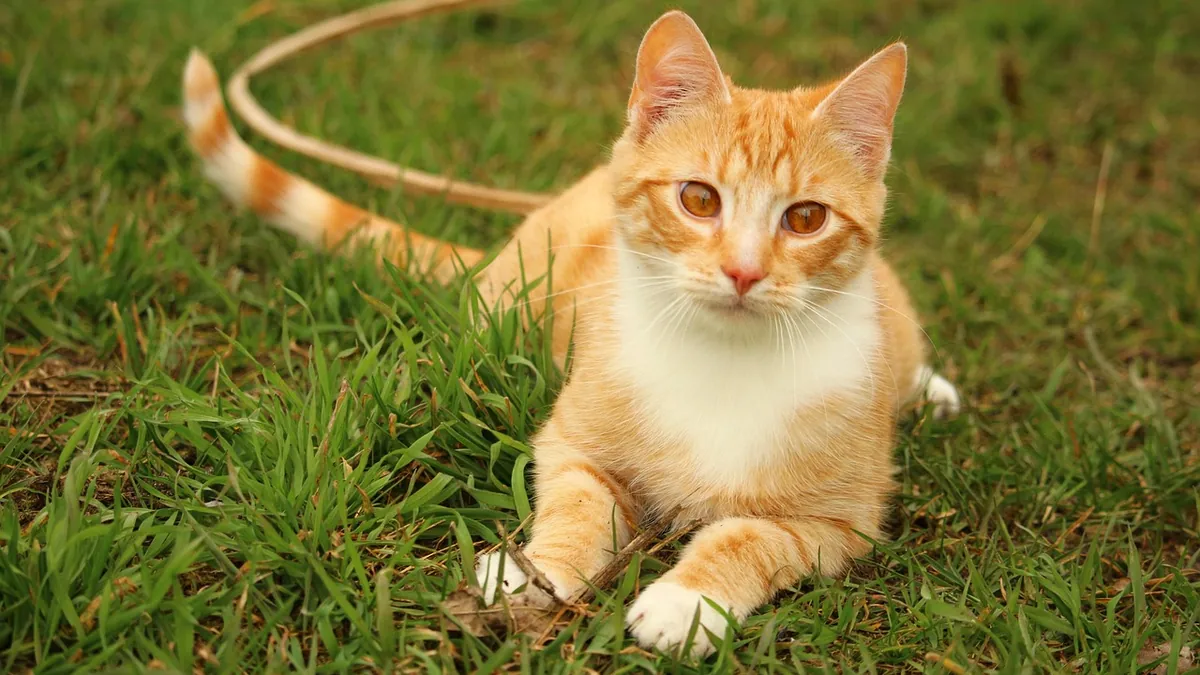
Capromorelin (brand name Entyce) is an appetite stimulant that is FDA-approved for dogs, not cats. Veterinarians do prescribe it off-label for cats, and a 2025 clinical trial found it helped cats with unintended weight loss gain weight safely [1]. If your cat has stopped eating well, capromorelin entyce for cats may come up in your conversation with your veterinarian, but the decision and the dose belong to your vet.
This article is educational and is not a substitute for veterinary diagnosis or treatment.
Quick Answer
- Capromorelin is FDA-approved as an appetite stimulant in dogs only. Use in cats is off-label, which means a veterinarian may legally prescribe it based on clinical judgment [2].
- In a randomized, masked, placebo-controlled trial of 176 cats with chronic kidney disease and unintended weight loss, cats given capromorelin gained an average of 5.18% of body weight over 55 days, while placebo cats lost 1.65% [1].
- Capromorelin works by activating the ghrelin receptor (also called the growth hormone secretagogue receptor), which directly stimulates hunger centers in the hypothalamus [2].
- Capromorelin can affect blood glucose handling in cats, so cats with diabetes or other glucose problems need extra monitoring [3].
- Never give your cat a dose meant for a dog. Your veterinarian calculates the dose from your cat's weight and health status.
What Is Capromorelin and Why Do Vets Use It in Cats?
Capromorelin is a ghrelin-receptor agonist. Ghrelin is a hormone your cat's body makes that signals hunger and helps regulate metabolism [4]. The drug mimics that signal, so the brain receives a stronger "eat" message.
Entyce is the FDA-approved brand for dogs. There is no FDA-approved capromorelin product for cats in the United States, so any feline use is off-label [2]. Off-label prescribing is common and legal in veterinary medicine. It simply means the manufacturer did not run the specific studies the FDA requires for a feline label, not that the drug is unsafe or unproven in cats.
Veterinarians reach for capromorelin when a cat is eating poorly and losing weight. The most common scenario is chronic kidney disease, where nausea, altered taste, and metabolic changes all suppress appetite [4]. Other situations include recovery from illness or surgery, cancer, dental pain, and any chronic disease where weight loss is a concern. The goal is not to force eating. The goal is to restart normal hunger signaling so your cat eats enough to maintain or regain weight.
Cats with kidney disease often have higher total ghrelin levels than healthy cats, and those levels correlate with creatinine, a kidney marker [4]. That suggests appetite regulation is genuinely disrupted in these cats, which is one reason a ghrelin-based drug makes sense.
If your cat's poor appetite is tied to nausea, your vet may choose a different drug. Mirtazapine is FDA-approved as a transdermal appetite stimulant for cats, and it also has anti-nausea effects [5]. You can read more about how the two compare in our guide to the mirtazapine appetite stimulant dose for cats and dogs.
How Capromorelin Works
Capromorelin binds to the growth hormone secretagogue receptor, the same receptor ghrelin uses [2]. This receptor is found in the hypothalamus, the brain region that controls hunger. When capromorelin activates it, the hunger centers fire, and food consumption increases [2].
The effect is direct. It does not depend on smell, taste, or stomach emptying. That matters for cats with kidney disease or cancer, where the problem is often a brain-level loss of appetite instead of a physical inability to eat.
Capromorelin also triggers growth hormone release, which is where the receptor gets its name. In practical terms for your cat, the visible effect is increased interest in food and gradual weight gain when the drug works.
One thing to know: capromorelin is not an anti-nausea drug. If your cat is vomiting, drooling, or lip-smacking before meals, treating nausea may matter as much as stimulating appetite. Tell your vet about those signs.
Dosing Basics for Cats
Who decides the dose
Your veterinarian does. There is no FDA-approved capromorelin dose for cats, so your vet sets it based on your cat's weight, kidney function, other medications, and the reason for the appetite loss. Do not use a dog's dose or a dose you found online. Doses that appear in research settings are not automatically the right dose for your individual cat.
How it is given
Capromorelin is an oral liquid given by mouth, typically once daily [1]. Many cats accept the taste, but some do not. If your cat fights the syringe, ask your vet about flavoring options or whether a different drug might be easier. Never mix a dose into a full bowl of food unless your vet says to, because you cannot tell how much your cat actually swallowed.
What to do about a missed dose
If you miss a dose, give it when you remember, unless it is almost time for the next one. In that case, skip the missed dose and go back to your normal schedule. Do not double up. If you miss several doses in a row, call your vet before restarting, because appetite and weight need to be reassessed.
How long cats stay on it
Duration depends on the cause. In the 2025 trial, cats received capromorelin once daily for 55 days [1]. Some cats need it short term while recovering from an illness. Cats with chronic kidney disease may need longer courses, with periodic rechecks to confirm it is still helping and still safe.
Side Effects: Common and Serious
| Side effect | How common or serious | What to do |
|---|---|---|
| Increased appetite, begging, food seeking | Expected effect, not a problem | This is the drug working. Keep portions appropriate |
| Vomiting or diarrhea | Uncommon but possible | Call your vet if it lasts more than a day or your cat stops eating |
| Lethargy or unusual quietness | Uncommon | Call your vet the same day |
| Increased thirst or urination | Possible, especially in cats with kidney disease or diabetes | Report it. Your vet may want to recheck bloodwork |
| Blood glucose changes | Documented in healthy cats given capromorelin [3] | Cats with diabetes need closer monitoring and a vet check |
| Signs of an allergic reaction (facial swelling, hives, trouble breathing) | Rare but serious | Stop the drug and seek emergency care now |
In healthy cats, capromorelin raised fasting blood glucose and blunted the first-phase insulin response on day one of treatment [3]. Glucose tolerance returned toward baseline by day 30, but mean interstitial glucose was still elevated in the first days of dosing [3]. This does not mean every cat will develop diabetes. It does mean cats with existing diabetes or prediabetes need a conversation with their vet before starting, and bloodwork monitoring during treatment.
The 2025 feline trial reported that capromorelin was safe and effective in cats with chronic kidney disease and unintended weight loss [1]. Safety data from a controlled trial is reassuring, but it does not replace monitoring in your own cat.
Who Should Not Take Capromorelin
Capromorelin is not right for every cat. Your veterinarian will weigh the risks in these situations:
- Cats with diabetes or poorly controlled blood glucose. Capromorelin disrupts glucose homeostasis in cats [3]. Your vet may choose a different appetite stimulant or monitor glucose closely.
- Cats with known hypersensitivity to capromorelin or any ingredient in the liquid.
- Cats whose appetite loss has a fixable cause. If a painful tooth, an intestinal blockage, or severe nausea is the reason your cat will not eat, stimulating hunger does not solve the problem and may delay treatment.
- Cats already eating adequately. Capromorelin is for unintended weight loss and poor appetite, not routine weight gain [1].
Drug interactions
Tell your vet about every drug, supplement, and topical product your cat receives. This includes flea and tick preventives, joint supplements, and anything you apply to the skin. Cats absorb topical products, and your vet needs the full picture. If your cat takes other medications, ask whether they should be timed apart from capromorelin.
If your cat is on multiple medications, bring the actual bottles or a written list to the appointment. Guessing at names and doses leads to errors.
Overdose and When to Call for Help
If your cat gets more capromorelin than prescribed, call your veterinarian right away. If your regular clinic is closed, call an animal poison control service. In the United States, you can reach the ASPCA Animal Poison Control Center at (888) 426-4435 or the Pet Poison Helpline at (855) 764-7661. Both may charge a consultation fee.
Signs that warrant an immediate call after a possible overdose include vomiting, drooling, wobbliness, extreme sleepiness, or any breathing difficulty. Do not wait to see if signs develop. Have the bottle with you so you can tell the veterinarian the concentration and how much your cat received.
Limitations and When to Contact a Veterinarian
Capromorelin is a tool, not a cure. It can improve appetite and support weight gain, but it does not treat the underlying disease. A cat with kidney disease still needs kidney management. A cat with cancer still needs a cancer plan. If your cat gains weight on capromorelin but the underlying condition worsens, the drug is masking a problem instead of solving it.
Contact your veterinarian the same day if your cat vomits repeatedly, becomes lethargic, develops diarrhea that lasts more than a day, or starts drinking and urinating much more than usual. These can signal drug side effects or a worsening of the original disease.
Seek emergency care now if your cat has trouble breathing, collapses, has a seizure, or shows facial swelling, hives, or severe weakness. These are rare but serious.
Schedule a routine recheck if your cat has been on capromorelin for a few weeks and is not eating better or is still losing weight. That is a sign the plan needs to change. Your vet may switch drugs, add nausea control, or look for a cause that was missed.
Every cat is different, and only your veterinarian can decide whether capromorelin is appropriate, what dose to use, and how long to continue it. If your cat has inflammatory bowel disease or another chronic gut condition, appetite support often works alongside diet changes. Our article on an IBD diet for cats with hydrolyzed novel protein and B12 injections explains that side of treatment. If your cat is also on gabapentin for pain, review our gabapentin for cats guide so you know what sedation and appetite changes to expect.
Frequently Asked Questions
Is capromorelin safe for cats?
It appears safe in the cats studied so far, including a large trial in cats with chronic kidney disease and weight loss [1]. However, it is not FDA-approved for cats, so use is off-label and requires veterinary supervision [2]. Cats with diabetes need extra caution because the drug affects glucose handling [3].
How long does capromorelin take to work in cats?
Many owners notice increased interest in food within the first few days, though full weight gain takes weeks. In the 2025 trial, body weight increased progressively across 55 days of once-daily dosing [1]. If your cat shows no improvement after a week or two, call your vet.
Can I use my dog's Entyce for my cat?
No. Entyce is approved for dogs, and the dog dose is not the cat dose [2]. Giving a cat a dog-sized dose could cause side effects, and the concentration may not suit a small cat. Ask your veterinarian for a feline-specific prescription and dosing instructions.
Does capromorelin cause diabetes in cats?
There is no evidence that it causes diabetes, but it does change glucose metabolism during treatment. Healthy cats given capromorelin had higher fasting glucose and a blunted insulin response on day one, with some changes persisting in the first weeks [3]. Cats with existing glucose problems need monitoring.
What if my cat still will not eat on capromorelin?
If appetite does not improve, the cause of the poor eating may not be hunger-related. Nausea, pain, dental disease, or another medical problem could be driving it. Your vet may add an anti-nausea drug, treat the underlying issue, or switch to a different appetite stimulant such as transdermal mirtazapine [5].
Related Articles
- Mirtazapine Appetite Stimulant: Dose for Cats and Dogs Guide
- Gabapentin For Cats
- Revolution Plus for Cats: Selamectin Sarolaner Feline Dose Guide
- Tonkinese Cat Feeding Guide: Protein Requirements and Urinary Tract Safety Plans
- IBD Diet for Cats: Hydrolyzed Novel Protein and B12 Injections
- Singapura Cat Feeding Guide: Protein Requirements and Urinary Tract Safety Plans
- Mirtazapine vs Entyce for Cats: Which Appetite Stimulant?
- Entyce for Cats: Dose, Uses, and Safety Explained
- Maropitant (Cerenia) for Cats: Appetite and Dosing
References
- Capromorelin promotes weight gain in cats with unintended weight loss: a randomized, masked, placebo-controlled clinical trial. Journal of feline medicine and surgery, 2025.
- Effect of Capromorelin on Appetite and Weight Gain of Domestic Pigeons (Columba livia domestica). Journal of avian medicine and surgery, 2025.
- The effect of the ghrelin-receptor agonist capromorelin on glucose metabolism in healthy cats. Domestic animal endocrinology, 2021.
- Measurement of Ghrelin as a Marker of Appetite Dysregulation in Cats with and without Chronic Kidney Disease. Veterinary sciences, 2023.
- FDA Approves Appetite Stimulant for Cats. Cornell University College of Veterinary Medicine.