Entyce for Dogs: Appetite Stimulant Guide
By Dr. Zubair Khalid, DVM, MS, PhD ·
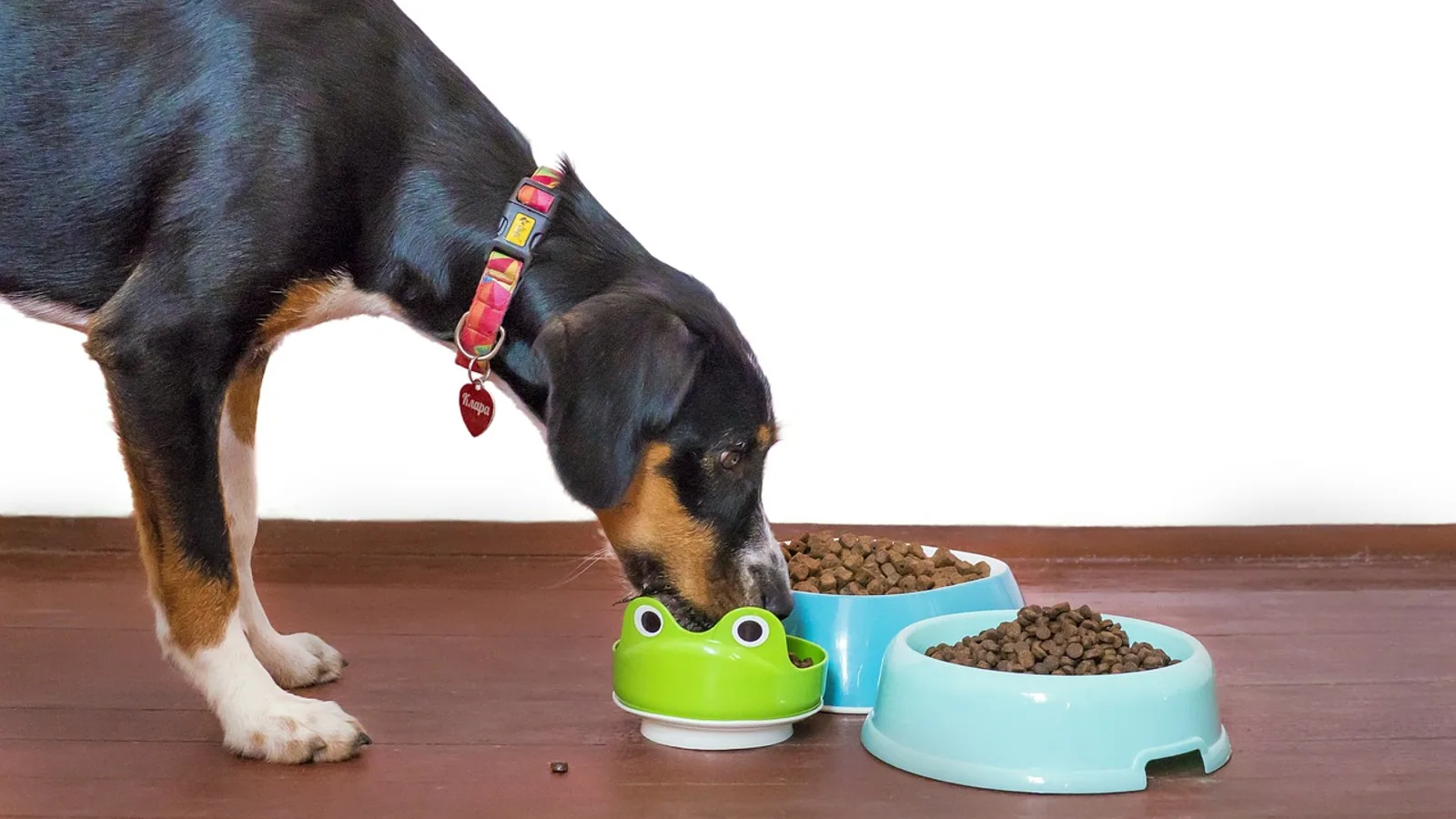
Entyce is a prescription oral liquid that helps dogs with a poor appetite start eating again. Its active ingredient, capromorelin, is a ghrelin receptor agonist, which means it mimics a natural hormone the body releases to signal hunger. Entyce is FDA-approved for appetite stimulation in dogs only, and it is not a steroid, not an antihistamine, and not approved for cats. It is given by mouth once a day at 3 mg/kg, and it works by activating hunger centers in the brain rather than by masking nausea or treating the underlying disease.
This guide explains what Entyce does, how to give it, what side effects to watch for, and why a veterinarian needs to look for the cause of appetite loss before reaching for any stimulant.
This article is educational and is not a substitute for veterinary diagnosis or treatment.
At a Glance
| Feature | Detail |
|---|---|
| Active ingredient | Capromorelin oral solution |
| Drug class | Ghrelin receptor agonist (growth hormone secretagogue) |
| Brand name | ENTYCE (also spelled Entyce) |
| Species approved | Dogs |
| Labeled dose | 3 mg/kg by mouth once daily [1][2] |
| How it is given | Oral liquid, typically by syringe |
| Onset of effect | Appetite improvement assessed over the first few days of treatment [2] |
| Typical course | Often used short term while the cause of inappetence is addressed |
| Prescription status | Prescription only, FDA-approved for dogs [3][4] |
| Not for | Cats, and not a treatment for the underlying disease causing appetite loss |
What Entyce Is and What It Treats
Entyce is the brand name for capromorelin oral solution, an FDA-approved appetite stimulant for dogs [3][4]. It was approved in May 2016 and reached the market in the fall of 2017 [3]. The drug is used when a dog is eating less than normal, a problem veterinarians describe with three overlapping terms: anorexia (complete loss of appetite), hyporexia (decreased appetite), and dysrexia (a change in food preferences) [1].
Inappetence is a clinical sign, not a diagnosis. It can accompany many medical conditions, and it often appears alongside weight loss. Entyce targets the appetite signal itself. It does not treat infection, cancer, kidney disease, dental pain, or any other condition that may be driving the problem. That distinction matters for owners: the drug can help a dog eat while the veterinary team works on the cause, but it is not a substitute for diagnosing and managing that cause.
The FDA approval for appetite stimulation in dogs is specific to that use and that species [3][4]. A separate capromorelin product was later approved in 2020 for managing weight loss in cats with chronic kidney disease, but that is a different product with a different label [3]. Entyce itself is a dog medication.
How Capromorelin Works
Capromorelin belongs to a class of compounds called ghrelin receptor agonists, also known as growth hormone secretagogues [1][3][4]. To understand the drug, it helps to understand ghrelin.
Ghrelin is a hormone released from cells in the stomach. It stimulates appetite and food intake in mammals and also influences gut motility, gastric acid secretion, taste sensation, and several other functions [3]. Ghrelin works by binding to a specific G-protein-coupled receptor called the growth hormone secretagogue receptor 1a, or GHS-R1a, which is found in areas of the brain that regulate food intake [4]. When ghrelin docks with that receptor in the hypothalamus and pituitary gland, it triggers a release of growth hormone and sends a hunger signal [4].
Capromorelin mimics ghrelin at that receptor [1][3]. It activates the same hunger pathways, which is why it increases food consumption. Because the receptor also drives growth hormone release, capromorelin mildly raises growth hormone and insulin-like growth factor 1 (IGF-1) levels [5]. That effect is part of the drug's normal pharmacology, not a side effect to fear, and it is one reason capromorelin is classified as a growth hormone secretagogue rather than a simple appetite pill.
Two points follow from this mechanism. First, capromorelin is not a steroid. It does not contain cortisone or any corticosteroid, and it does not work by reducing inflammation. Second, it is not an antihistamine. Some owners confuse appetite stimulants with antihistamines or with human appetite medications, but capromorelin's action is specific to the ghrelin receptor. There is no sedation component and no antihistamine effect.
Evidence That Entyce Works
The effectiveness of capromorelin in dogs rests on controlled studies, and the numbers are worth knowing because they set realistic expectations.
In a randomized, masked, placebo-controlled study of healthy adult Beagle dogs, a daily 3 mg/kg oral dose given for four consecutive days increased mean food consumption by about 60.6 percent compared with a decrease of about 11.2 percent in placebo-treated dogs [1]. The drug was well tolerated, with no abnormalities on physical examination or clinical pathology, though some dogs showed increased salivation [1].
The more clinically relevant study enrolled 244 client-owned dogs whose owners reported inappetence for at least two days [2]. Dogs received capromorelin at 3 mg/kg or a placebo once daily. Success was defined as improvement in appetite at day 3. Capromorelin treatment improved appetite in 68.6 percent of dogs compared with 44.6 percent of placebo-treated dogs, a statistically significant difference [2]. Mean body weight also increased in the capromorelin group by about 1.8 percent, compared with about 0.1 percent in the placebo group [2].
Those figures describe groups, not individual dogs. Some dogs respond, some do not, and the placebo response in the second study shows that appetite can improve on its own, especially when the underlying problem is being managed. A veterinarian uses the drug as one part of a broader plan.
Labeled Dosing for Dogs
The labeled dose of capromorelin oral solution for dogs is 3 mg/kg by mouth once daily [1][2][6]. That is the dose used in the pivotal effectiveness study and the dose the FDA label specifies. It is the only dose an owner should expect to see prescribed for routine appetite stimulation.
Dosing details that matter in practice:
- The dose is calculated from the dog's body weight in kilograms.
- The liquid is measured with the syringe or dosing device supplied with the product.
- It is given once every 24 hours.
- The label dose should not be adjusted by the owner. If a dog is not eating after several days, the veterinarian needs to reassess the dog, not the dose.
Higher doses have been studied for safety. In a 12-month safety study, Beagle dogs received 0.3, 7, or 40 mg/kg capromorelin once daily, and the drug was well tolerated at daily doses up to 40 mg/kg for 12 months [5]. That study establishes a wide safety margin. It does not mean higher doses are appropriate for routine use. The labeled 3 mg/kg dose is the standard, and any change should come from the veterinarian managing the case.
Owners should never split, double, or "top up" a dose on their own. If a dose is missed, the usual approach is to give the next scheduled dose and not to give two doses at once. Confirm the specific instructions with the prescribing veterinarian, since the right plan depends on the dog's condition.
What Entyce Does Not Do
Entyce stimulates appetite. It does not diagnose or treat the reason appetite dropped in the first place.
A dog that stops eating may have dental disease, gastrointestinal disease, kidney disease, cancer, pain, fever, nausea, or a dozen other problems. Appetite loss is also a common feature of cancer-related anorexia and cachexia, a metabolic syndrome marked by decreased food intake, involuntary weight loss, and loss of fat and muscle [7]. In that setting, appetite support can improve quality of life, but it does not shrink a tumor or reverse the metabolic changes of cachexia [7].
Entyce is also not a nausea treatment. A dog that is vomiting or nauseated may need a different approach, and giving an appetite stimulant to a vomiting dog can make the situation worse. This is one reason a veterinary examination comes first.
Finally, Entyce does not replace nutrition support. A dog that will not eat enough on its own may need a therapeutic diet, hand feeding, or other interventions chosen by the veterinary team. The drug opens the door to eating. What the dog eats, and how much, still matters.
How to Give Entyce
Entyce is an oral solution, so it is measured and given by mouth, usually with a dosing syringe. A few practical habits make it easier.
Give the dose at roughly the same time each day. Consistency helps owners remember and helps the veterinary team interpret how the dog is responding. Many owners give it shortly before a meal so the appetite effect lines up with food being offered.
Measure carefully. The dose depends on body weight, and a kitchen spoon is not an accurate measure for a prescription liquid. Use the syringe provided with the product or one supplied by the clinic.
Offer food after the dose. The point of the medication is to increase food consumption, so have the dog's usual diet or the prescribed diet ready. If the dog has been placed on a specific diet for a medical condition, keep to that diet rather than tempting the dog with something off-plan.
Keep a simple log. Note whether the dog ate, how much, and whether any vomiting, diarrhea, drooling, or lethargy occurred. That record is genuinely useful at the follow-up visit.
Store the product as directed on the label. Do not use it past its expiration date, and do not transfer it into an unlabeled container.
If the dog refuses the liquid or spits it out, do not repeat the dose blindly. Contact the veterinarian for guidance.
Side Effects and What to Do About Them
Capromorelin has a favorable safety profile in dogs, but side effects do occur. The most commonly reported signs are vomiting, diarrhea, hypersalivation (excessive drooling), and lethargy.
The safety data support this picture. In the four-day Beagle study, the drug was well tolerated with no abnormalities on physical examination or clinical pathology, though some dogs showed increased salivation [1]. In the 12-month safety study, adverse events were limited to mild emesis and loose stools across all groups, with excess salivation among some dogs receiving higher doses [5]. Clinical pathology was generally normal, though blood lipids and alkaline phosphatase levels were moderately increased in treated dogs, and treated dogs had slightly longer post-treatment PR intervals on ECG with no changes in cardiac histopathology [5]. Postmortem findings were normal, and drug-related increases in liver weight were linked to overall increases in body weight [5].
What this means for an owner:
- Mild drooling after a dose is common and usually not dangerous [1][5].
- A single episode of vomiting or soft stool may not require stopping the drug, but it should be reported.
- Repeated vomiting, persistent diarrhea, marked lethargy, or any sign that worries you warrants a call to the veterinarian.
- Changes in blood work, including alkaline phosphatase and lipid values, are possible and are one reason monitoring matters [5].
Do not stop a prescribed medication without talking to the veterinarian, and do not treat side effects with human medications or leftover pet medications unless the veterinarian specifically directs it.
Glucose Effects and Why Monitoring Matters
Capromorelin affects glucose metabolism, and this is an area where monitoring earns its place.
In a study of eight healthy adult dogs, capromorelin given at 3 mg/kg once daily for three days increased mean 48-hour interstitial glucose by about 10 percent and mean blood glucose by about 20 percent at 90 and 120 minutes after a glucose-rich meal [6]. Post-meal insulin concentrations roughly doubled at 120 minutes, and there was a measurable effect on glucose-dependent insulinotropic peptide [6].
These were healthy dogs receiving a glucose-rich test meal, so the findings do not translate directly to every patient. They do mean that a dog with diabetes, insulin resistance, or other glucose-handling problems needs careful thought before starting capromorelin. The same is true for dogs on medications that affect blood sugar. If your dog has a glucose-related condition, raise it with the veterinarian before the first dose, and expect the monitoring plan to include glucose assessment.
Who Should Not Receive Entyce
Entyce is approved for dogs, and the label is species-specific [3][4]. Cats should not receive Entyce. A different capromorelin product was approved for managing weight loss in cats with chronic kidney disease, and that approval does not extend to the dog product [3]. Owners should never give a dog medication to a cat.
Beyond species, the key caution is the underlying condition. A dog with vomiting, suspected gastrointestinal obstruction, or an untreated systemic illness needs a diagnosis before an appetite stimulant is layered on top. Appetite loss is often the body's signal that something else is wrong, and suppressing that signal without investigating it can delay treatment.
Dogs with glucose-handling disorders deserve specific caution given the effects on blood glucose and insulin described above [6]. Dogs with known hypersensitivity to capromorelin or any component of the product should not receive it.
Pregnant, breeding, or lactating dogs are a separate conversation. The prescribing veterinarian should weigh the situation individually, since the label population is not that group.
Drug Interactions
Capromorelin's effects on growth hormone, IGF-1, and glucose mean that interactions are possible with medications that influence those systems. The 12-month safety study documented mild increases in growth hormone and IGF-1 in treated dogs, along with moderate increases in blood lipids and alkaline phosphatase [5]. Any drug that also affects glucose, insulin, or liver enzymes is worth reviewing with the veterinarian before capromorelin is added.
The practical step for owners is simple: give the veterinarian a complete list of everything the dog receives. That includes prescription medications, over-the-counter products, joint supplements, flea and tick preventives, heartworm preventives, and any compounded preparations. Do not assume that a supplement is irrelevant because it is "natural."
Do not start or stop any medication on your own while the dog is on Entyce. If a specialist or emergency clinic prescribes something new, tell them the dog is receiving capromorelin.
Monitoring: What the Veterinary Team Watches
Monitoring is not optional with an appetite stimulant, because the drug's success is measured by the dog's behavior and the underlying disease still needs attention.
The core monitoring parameters are:
- Appetite. Owners report whether eating has improved. In the pivotal study, appetite improvement was assessed at day 3, which gives a reasonable early checkpoint [2].
- Body weight. Weight change is tracked over time. In the effectiveness study, capromorelin-treated dogs gained about 1.8 percent of body weight on average compared with about 0.1 percent in placebo-treated dogs [2].
- Side effects. Vomiting, diarrhea, drooling, and lethargy are recorded and reported [1][5].
- Clinical pathology. Blood work, including liver enzymes and lipids, may be checked, since moderate increases in alkaline phosphatase and blood lipids have been observed in treated dogs [5].
- Glucose status. Dogs with glucose-handling concerns need glucose monitoring given the documented effects on blood glucose and insulin [6].
- The underlying disease. This is the most important item. The appetite stimulant buys time and comfort while the real problem is diagnosed and treated.
A reasonable early recheck happens within the first several days of treatment, because that is when a response, or a lack of one, becomes clear [2]. Long-term use requires periodic reassessment. The 12-month safety data support tolerability with monitoring, not indefinite use without oversight [5].
How Entyce Compares With Other Approaches
Appetite support in dogs is not limited to one drug, and the choice depends on the cause of the problem.
Capromorelin's advantage is its specific mechanism. It activates the ghrelin receptor, the same pathway the body uses to signal hunger, and it is the only FDA-approved drug for stimulating appetite in dogs [3][4]. It is given once daily by mouth, and its safety profile has been characterized in both short-term effectiveness studies and a 12-month safety study [1][2][5].
Other approaches address appetite indirectly. Treating pain, nausea, dental disease, or the primary illness can restore appetite without any stimulant at all. Dietary changes, warming food, hand feeding, and reducing stress at mealtimes are common supportive measures. In cancer patients, appetite and weight loss are often multifactorial, which means no single drug solves the whole problem [7].
The honest comparison is this: capromorelin is a targeted appetite stimulant with regulatory approval and controlled evidence behind it, and it works best as part of a plan that also addresses the cause of inappetence. It is not a shortcut around diagnosis.
Questions to Ask Your Veterinarian
Before starting Entyce, or while your dog is taking it, these questions help you understand the plan:
- What is causing my dog's appetite loss, and what tests are needed to find out?
- Is Entyce appropriate for my dog's specific condition, or is another approach better?
- What dose has been prescribed, and how should I measure and give it?
- How soon should I expect to see improvement, and what should I do if I do not?
- Which side effects should I report immediately, and which can wait?
- Does my dog need blood work or glucose monitoring while on this medication?
- How long should my dog stay on Entyce, and what is the plan for stopping it?
- What should I feed my dog during treatment, and how much should I expect them to eat?
Limitations and When to Contact a Veterinarian
This article is educational and is not a substitute for veterinary diagnosis or treatment. Individual dogs need individual assessment, and the right plan depends on the examination, history, and test results.
Contact a veterinarian promptly if any of the following occur:
- The dog has not improved after several days on the medication.
- Vomiting or diarrhea becomes frequent, persistent, or severe.
- The dog becomes noticeably lethargic, weak, or unresponsive.
- The dog shows signs of pain, bloating, or abdominal discomfort.
- The dog refuses all food and water.
- The dog has a known glucose-handling condition and develops increased thirst, increased urination, or unusual behavior.
- Any new medication, supplement, or diet change is being considered.
- You are unsure whether a dose was given or missed.
Do not wait for a scheduled recheck if the dog is getting worse. Appetite loss that persists or worsens despite treatment is a signal that the underlying problem needs another look.
Frequently Asked Questions
What is Entyce used for in dogs?
Entyce is an FDA-approved oral appetite stimulant for dogs. It is used when a dog is eating less than normal, and it works by activating the ghrelin receptor to trigger hunger signals in the brain [1][3][4].
Is Entyce a steroid or an antihistamine?
No. Capromorelin is a ghrelin receptor agonist, a growth hormone secretagogue that mimics the natural hunger hormone ghrelin [1][3][4]. It contains no steroid and has no antihistamine action.
What is the dose of Entyce for dogs?
The labeled dose is 3 mg/kg by mouth once daily [1][2][6]. The dose is based on body weight, and it should only be set or changed by a veterinarian.
Can Entyce be given to cats?
No. Entyce is approved for dogs, not cats [3][4]. A separate capromorelin product was approved for managing weight loss in cats with chronic kidney disease, but that is a different product with a different label [3].
How fast does Entyce work?
Appetite improvement is typically assessed within the first few days of treatment. In the pivotal study, success was measured at day 3, and 68.6 percent of capromorelin-treated dogs improved compared with 44.6 percent of placebo-treated dogs [2].
What are the side effects of Entyce?
The commonly reported side effects are vomiting, diarrhea, hypersalivation, and lethargy. Mild drooling and mild gastrointestinal signs have been documented in safety studies, along with moderate increases in alkaline phosphatase and blood lipids [1][5].
Does Entyce treat the cause of appetite loss?
No. Entyce stimulates appetite but does not diagnose or treat the underlying disease. Appetite loss can accompany many conditions, including cancer-related anorexia and cachexia, and the cause still needs veterinary evaluation [7].
Can Entyce affect blood sugar in dogs?
Yes, it can. In healthy dogs, capromorelin increased mean interstitial glucose and post-meal blood glucose and roughly doubled post-meal insulin concentrations at 120 minutes [6]. Dogs with glucose-handling conditions need monitoring and veterinary guidance.
Related Articles
- Mirtazapine Appetite Stimulant: Dose for Cats and Dogs Guide
- What to Do If Your Dog's Medication Is Causing Loss of Appetite
Sources
- Capromorelin oral solution (ENTYCE®) increases food consumption and body weight when administered for 4 consecutive days to healthy adult Beagle dogs in a randomized, masked, placebo controlled study.
- A Prospective, Randomized, Masked, Placebo-Controlled Clinical Study of Capromorelin in Dogs with Reduced Appetite.
- Insights on discovery, efficacy, safety and clinical applications of ghrelin receptor agonist capromorelin in veterinary medicine.
- Capromorelin: a ghrelin receptor agonist and novel therapy for stimulation of appetite in dogs.
- Evaluation of the safety in dogs of long-term, daily oral administration of capromorelin, a novel drug for stimulation of appetite.
- The effect of capromorelin on glycemic control in healthy dogs.
- Anorexia and the Cancer Patient.