Can Cats Have Unflavored Pedialyte? Hydration Safety
By Dr. Zubair Khalid, DVM, MS, PhD ·
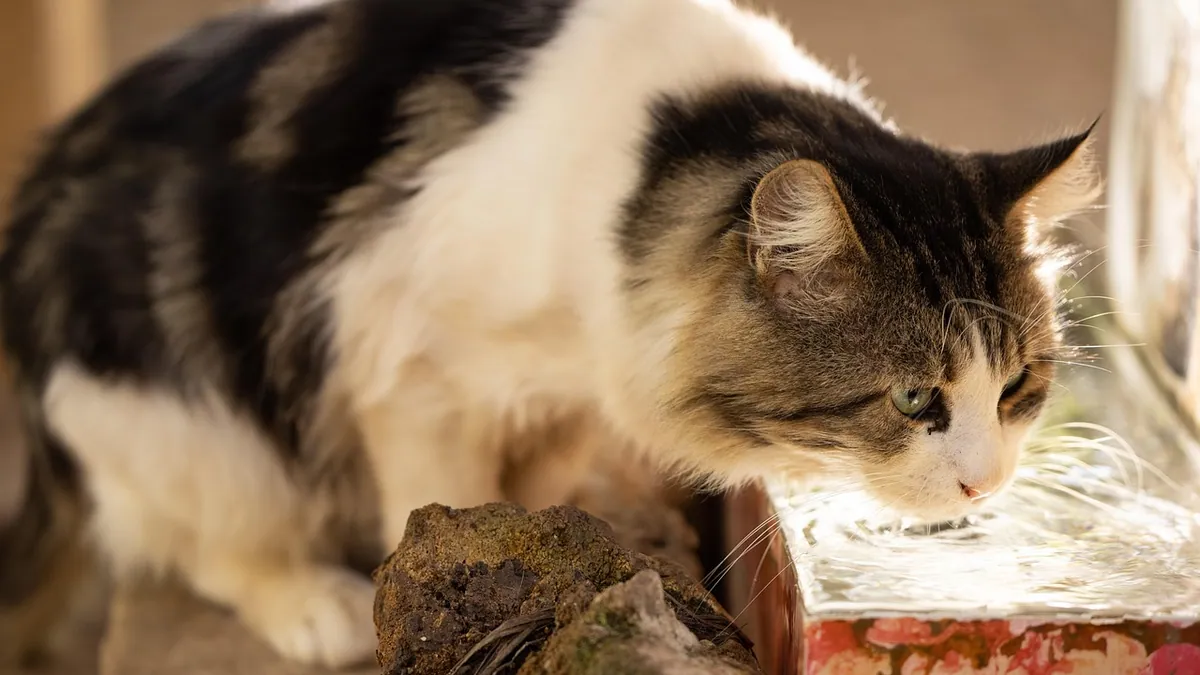
Can cats have unflavored Pedialyte? In some mild cases, yes. A small amount of plain, unflavored Pedialyte can help a mildly dehydrated cat replace fluids and electrolytes. It is not a treatment for the cause of dehydration, and it should never replace a veterinary exam when your cat is sick. This article is educational and is not a substitute for veterinary diagnosis or treatment.
Quick Answer
- Plain, unflavored Pedialyte can be offered to a mildly dehydrated adult cat in small amounts, but only with your veterinarian's guidance.
- Never use flavored, colored, or sugar-free versions. Some contain sweeteners or additives that cats should not eat.
- Pedialyte does not fix the reason your cat is dehydrated. Vomiting, diarrhea, kidney disease, and urinary blockages all need veterinary care.
- A cat who will not drink, is vomiting repeatedly, or seems weak needs a veterinarian the same day or right away.
- Your veterinarian sets the amount based on your cat's weight and health. Do not guess at a dose.
What Pedialyte Is and What Veterinarians Use It For
Pedialyte is an oral rehydration solution sold for human babies and children. It contains water, sodium, potassium, chloride, and a small amount of sugar (dextrose). The balance of these ingredients is designed to replace fluids lost through vomiting, diarrhea, and sweating.
Veterinarians do not routinely prescribe Pedialyte for cats. When they do suggest an oral rehydration solution, it is usually for a mild, short-term problem in a cat who is still alert and able to swallow. For serious dehydration, veterinarians use intravenous (IV) fluids, which deliver fluid directly into the bloodstream and work far faster than anything you can give by mouth. A study of cats after blood donation compared IV fluid therapy with no treatment and found no clear consensus on when post-donation fluids are needed, which shows how carefully veterinarians weigh fluid decisions case by case [1].
The electrolytes in Pedialyte matter because cats need sodium and potassium in the right amounts. Salt helps regulate hydration and electrolyte levels, but too much salt can cause dehydration, vomiting, diarrhea, and even kidney failure, and too little can also damage organs [2]. Potassium is just as delicate. Most potassium sits inside cells, and small shifts in blood levels can change heart rhythm and muscle function, which is why both high and low potassium are emergencies in cats [3].
If your cat is vomiting and refusing water, that combination is a bigger problem than simple thirst. Our guide to cat vomiting and not drinking water walks through what to watch for at home.
How It Works
When a cat drinks Pedialyte, the fluid and electrolytes are absorbed through the stomach and intestines into the bloodstream. The sugar in the solution helps the gut pull sodium and water across the intestinal wall more efficiently, which is the same principle behind human oral rehydration therapy.
That said, oral fluids only work if the gut is functioning. A cat with severe vomiting, a bowel obstruction, or heavy diarrhea may not absorb what you give, and the fluid can come right back up. That is one reason oral rehydration is a stopgap, not a cure.
Water intake itself is a moving target in cats. A review of 32 publications found that healthy domestic cats drank roughly 23 to 51 mL of total water per kilogram of body weight per day across five groups, while other reports ranged from 70 to 293 mL daily [4]. Those wide ranges show that "normal" drinking varies a lot from cat to cat. Urine specific gravity is the most commonly reported marker veterinarians use to judge hydration status [4].
Research also shows that what you feed affects how much a cat drinks. In one study, healthy cats eating a dry diet drank more total water when they were given high-moisture treats containing amino acids, osmolytes, and added sodium, and their urine became less concentrated [5]. This supports a simple idea: moisture in food counts toward hydration. If your cat is a dry-food eater, wet food is one of the easiest ways to add water to the day.
Can Cats Have Unflavored Pedialyte? Dosing Basics
Who decides the amount
Your veterinarian decides whether Pedialyte is appropriate and how much to give. The amount depends on your cat's weight, how dehydrated she is, and what is causing the fluid loss. There is no single safe number that fits every cat, so do not rely on a chart from the internet or a human dosing label.
How it is given
Offer plain, unflavored Pedialyte at room temperature in a clean bowl. Some cats will drink it on their own. If your cat will not drink, your veterinarian may have you use a needleless syringe or dropper to place small amounts in the side of the mouth, letting your cat swallow between each bit. Never squirt a large volume into the back of the throat, because that can cause choking or fluid in the lungs.
Go slowly. Giving too much too fast can trigger vomiting, which defeats the purpose. Stop and call your veterinarian if your cat vomits after a dose.
What to do about a missed dose
If you are giving Pedialyte on a schedule and miss a dose, offer the next amount at the next planned time. Do not double up to make up for the missed one. If your cat has missed several doses and seems worse, call your veterinarian instead of trying to catch up on your own.
How long to use it
Pedialyte is meant for short-term use while you arrange veterinary care or while your veterinarian monitors a mild problem. It is not a long-term water replacement. A cat who needs ongoing hydration support usually needs a different plan, often including a change in diet or prescription fluids.
Side Effects and Risks
| Side effect | How common or serious | What to do |
|---|---|---|
| Mild stomach upset or loose stool | Uncommon with small amounts, mild | Pause and call your veterinarian |
| Vomiting after drinking it | Possible if given too fast or if the cat is already vomiting | Stop giving it and call your veterinarian |
| Refusing it | Common, many cats dislike the taste | Do not force it, offer plain water and call your veterinarian |
| High sodium intake | Serious if large amounts are given or if your cat has heart or kidney disease | Only use under veterinary direction, watch for worsening thirst, wobbliness, or vomiting [2] |
| Electrolyte imbalance | Serious, especially with potassium | Do not give extra potassium sources, let your veterinarian guide the plan [3] |
Too much salt is a real risk. Cats that take in excessive sodium can become dehydrated and develop vomiting, diarrhea, and kidney problems, and both too much and too little salt can harm organs [2]. Pedialyte is not a high-salt product when used as directed, but it is easy to overdo it if you keep refilling the bowl.
Potassium problems are another concern. High potassium can cause rapid heart and muscle compromise, and treatment depends on finding and fixing the underlying cause [6]. Urine potassium testing can help veterinarians sort out why a cat's potassium is abnormal and guide treatment [7]. This is not something you can manage by adding a human electrolyte drink at home.
If your cat has a known electrolyte emergency, that is a hospital problem. Our article on electrolyte emergencies in dogs and cats explains how these are recognized and corrected.
Who Should Not Get Pedialyte
Do not give Pedialyte to a cat with any of these conditions unless your veterinarian specifically says to:
- Heart disease or a history of heart failure, because extra sodium can worsen fluid retention [2]
- Kidney disease, because the kidneys may not handle the sodium and potassium load well [2]
- A urinary blockage, especially in male cats, which is a life-threatening emergency linked to potassium problems [3]
- Diabetes or other conditions that affect blood sugar, because Pedialyte contains dextrose
- Any cat who is vomiting and cannot keep fluids down
What about other drinks and foods
Do not substitute sports drinks, soda, juice, milk, or broth for Pedialyte. Sports drinks are made for human sweat losses and have different electrolyte levels. Broth and many human foods are high in sodium. Some human drinks contain ingredients that are toxic to cats, such as caffeine. Our article on green tea and caffeine toxicity in cats explains why caffeine is a problem for cats.
Drug interactions
Pedialyte itself is not a drug, so classic drug interactions are not the main concern. The bigger issue is how it interacts with your cat's overall treatment plan. If your cat takes a diuretic, a heart medication, insulin, or a potassium supplement, adding extra sodium, sugar, or potassium can work against those treatments. Always tell your veterinarian every medication and supplement your cat receives before you give any oral rehydration product.
Diet matters too. Cats have specific nutrient needs, including taurine and arachidonic acid, that human drinks cannot meet. If you are rethinking your cat's diet overall, our guide to the raw diet for cats covers the safety rules. Older cats have their own needs, and veterinary nutrition research still lacks official guidelines for senior cats, with recommendations largely borrowed from adult cat requirements [8].
Overdose and When to Call for Help
An overdose of Pedialyte usually means too much sodium and sugar at once. Signs to watch for include heavy thirst, vomiting, diarrhea, wobbliness, tremors, and unusual tiredness. Severe sodium excess can lead to dehydration and kidney injury [2].
If you think your cat drank a large amount of Pedialyte, or if she is showing any of these signs, call your veterinarian right away. You can also call a pet poison control hotline for guidance:
- ASPCA Animal Poison Control Center: (888) 426-4435
- Pet Poison Helpline: (855) 764-7661
Have your cat's weight, the product name, and the estimated amount swallowed ready when you call. Do not wait for symptoms to get worse before reaching out.
Limitations and When to Contact a Veterinarian
Pedialyte cannot fix dehydration caused by ongoing vomiting, diarrhea, kidney disease, diabetes, or a urinary blockage. It also cannot replace fluids lost faster than your cat can drink. Oral rehydration only buys time in mild cases.
Call your veterinarian the same day if your cat:
- Has vomited more than once or has had diarrhea for more than a day
- Is drinking less than usual but still alert
- Has dry gums, sticky saliva, or skin that stays tented when gently pinched
- Is a senior cat or has a chronic illness
Go to an emergency clinic now if your cat:
- Will not eat or drink at all
- Is vomiting repeatedly and cannot keep anything down
- Is weak, wobbly, or collapsing
- Is a male cat straining to urinate with little or no urine produced
- Has a fast, irregular, or very slow heartbeat
- Is breathing fast or open-mouthed
Schedule a routine visit if your cat has been drinking more than usual for several days, has lost weight, or has had repeated bouts of mild dehydration. These patterns often point to a medical problem that needs testing.
Every cat is different. Only your veterinarian can examine your cat, run tests if needed, and decide whether Pedialyte is safe and how much to give.
Frequently Asked Questions
Can I give my cat Pedialyte every day?
No, plain unflavored Pedialyte is not meant for daily use. It is a short-term option for mild dehydration while you arrange veterinary care. A cat who needs fluid support long term usually needs a different plan set by a veterinarian.
Is unflavored Pedialyte safer than the flavored kind?
Yes, plain unflavored is the safer choice. Flavored and colored versions often contain sweeteners, artificial flavors, or extra additives that cats do not need. Sugar-free versions may contain sweeteners that can upset a cat's stomach.
Can kittens have Pedialyte?
Only if a veterinarian tells you to use it. Kittens dehydrate very quickly and have different fluid and electrolyte needs than adults. A kitten who seems dehydrated should be seen by a veterinarian instead of treated at home.
Does Pedialyte stop vomiting in cats?
No, Pedialyte does not stop vomiting. It only replaces some fluid and electrolytes. Vomiting has many causes, and a cat who keeps vomiting needs a veterinary exam to find out why.
What if my cat refuses to drink Pedialyte?
Do not force it. Offer plain water instead and call your veterinarian. A cat who refuses fluids and seems unwell may need injectable fluids or other treatment that you cannot provide at home.
Related Articles
- Cat Vomiting and Not Drinking Water: Hydration Tips and Red Flags
- Electrolyte Emergencies in Dogs and Cats: Recognition and Correction
- Can Cats Eat Green Tea? Catechin Caffeine Toxicity
- Raw Diet for Cats: Taurine Arachidonic Acid and Safety Rules
- Deworming Medicine For Cats
- Cat Kidney Disease Food Reddit
- Cat Dehydration: Safe Liquids and Electrolytes at Home
- Is Tap, Distilled, or Bottled Water Safe for Cats?
- Can I Give My Cat Potassium? Supplement Safety
References
- Intravenous fluid therapy compared to no treatment following blood donation in cats: a randomised controlled trial. The Journal of small animal practice, 2024.
- Is Salt Bad for Cats. Pet Poison Helpline.
- Emergency management of hyperkalemia in dogs and cats - Part 1: Pathophysiology and etiology. The Canadian veterinary journal = La revue veterinaire canadienne, 2026.
- Diet format, protein, amino acids, salt, and osmolytes, as well as water viscosity, affect water consumption in domestic cats: a scoping review of 32 publications (published from 1975 to 2025) on water intake, hydration status, and related health outcomes. Journal of animal science, 2026.
- Consuming treats with amino acids, osmolytes and sodium increased total water intake and decreased urine specific gravity of healthy cats. Journal of feline medicine and surgery, 2026.
- Emergency management of hyperkalemia in dogs and cats - Part 2: Diagnosis and treatment. The Canadian veterinary journal = La revue veterinaire canadienne, 2026.
- Urine Potassium Concentration Analysis in Dogs and Cats: A Case-Based Review. Journal of veterinary emergency and critical care (San Antonio, Tex. : 2001), 2025.
- EXPRESS: What Goes in the Bowl? Evidence-Based Nutrition for Ageing Domestic Cats. Journal of feline medicine and surgery, 2026.