Is Tap, Distilled, or Bottled Water Safe for Cats?
By Dr. Zubair Khalid, DVM, MS, PhD ·
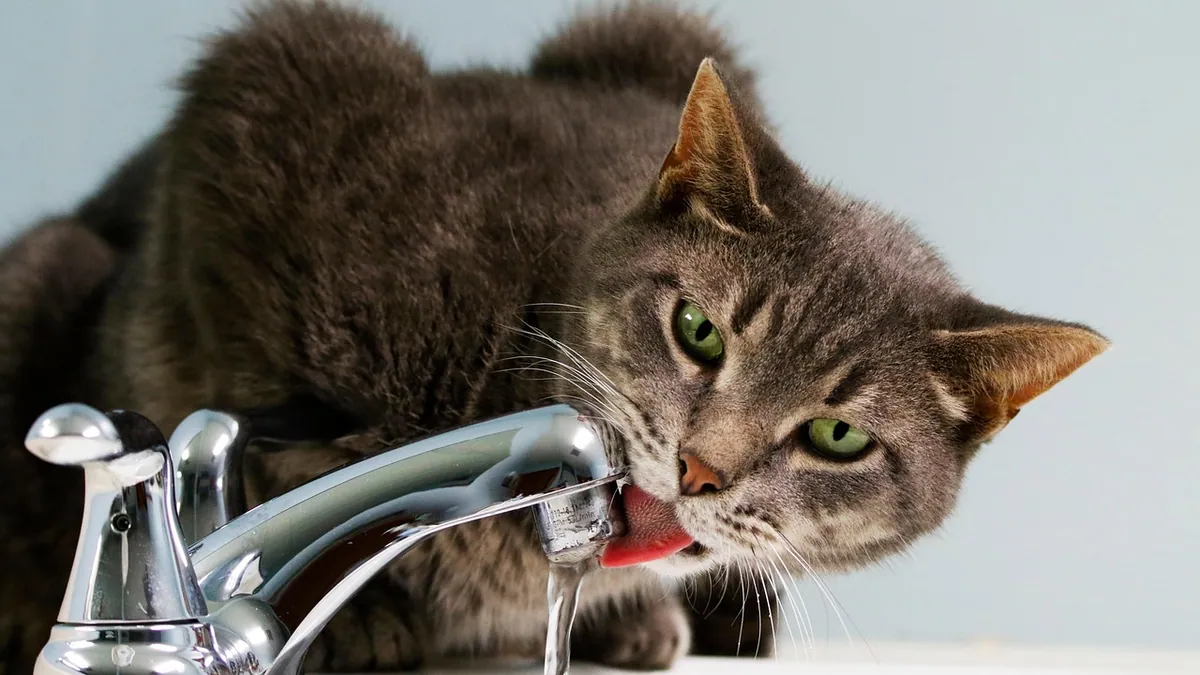
Yes, it is safe for cats to drink tap water in most U.S. households, and tap water is usually the easiest way to keep your cat hydrated. Distilled and bottled water are also generally safe, while toilet and pool water carry real risks. The bigger question is not which water is "best" but whether your cat is drinking enough of it.
This article is educational and is not a substitute for veterinary diagnosis or treatment.
Quick Answer
- Tap water that meets U.S. drinking water standards is safe for healthy cats. If you would drink it, your cat usually can too.
- Distilled water is safe for cats. It lacks minerals, but your cat gets minerals from food, not water.
- Bottled water is safe in most cases. Spring and purified brands are fine. Avoid bottled water that is heavily flavored, sweetened, or carbonated.
- Toilet water is not safe. Bowl cleaners, bacteria, and standing water make it a poor choice even in a clean bathroom.
- Pool water is not safe to drink. Chlorine, other pool chemicals, and salt systems can cause stomach upset and, in large amounts, worse.
How Much Water Does a Cat Actually Need?
Healthy adult cats in research settings have consumed roughly 23 to 51 mL of total water per kilogram of body weight per day, and other reports describe daily water intake of about 70 to 293 mL per cat [1]. That is a wide range because diet matters so much.
Cats eating only dry food drink far more from a bowl than cats eating canned food, which already contains a lot of moisture [2]. If your cat eats mostly wet food, a small amount of bowl drinking can be completely normal.
Urine specific gravity is the measurement veterinarians use most often to judge hydration status [1]. Your vet can check it from a urine sample, and it tells them more than watching your cat at the bowl ever will.
Is It Safe for Cats to Drink Tap Water?
For most cats in the United States, yes. Public water systems are regulated, and household tap water is tested for contaminants. One study measured heavy metals in household drinking water alongside cat foods and found metal concentrations stayed below established regulatory limits [3].
A few situations deserve extra thought.
When Tap Water Might Be a Problem
- Your home has older lead plumbing. Lead can leach into standing water. Run the cold tap for a minute before filling the bowl, and never use hot tap water for your cat.
- You are on a private well. Wells are not regulated the same way as city water. Test your well at least yearly for bacteria and nitrates.
- You use a water softener. Softened water is high in sodium. Ask your veterinarian whether it is appropriate for your cat, especially if your cat has heart or kidney disease.
- Your cat has a diagnosed health condition. Your veterinarian may recommend a specific water source. Follow their guidance.
If your cat suddenly starts drinking much more than usual, that is a medical signal, not a water-quality signal. See Cat Drinking a Lot of Water: Is It a Sign of Illness? for what that change can mean.
Is It Safe for Cats to Drink Distilled Water?
Yes. Distilled water is safe for cats to drink. It has had minerals and other dissolved solids removed through distillation.
The concern people raise is that distilled water "pulls minerals out of the body." That is not how feline nutrition works. Cats get their minerals from food, and a complete and balanced cat food supplies what they need. Water is for hydration.
Distilled water can be a reasonable choice if your tap water has an odor or taste your cat rejects, or if your veterinarian has concerns about a specific contaminant in your local supply. It is not required for health, and it costs more than tap water.
Is It Safe for Cats to Drink Bottled Water?
Usually, yes. Spring water and purified bottled water are fine for cats. The main things to avoid are flavored, sweetened, carbonated, or vitamin-enhanced bottled waters. Those add ingredients your cat does not need, and some contain sweeteners that can upset a cat's stomach.
Two practical notes.
First, bottled water is not automatically cleaner than tap water. Both are regulated, just under different rules. Second, plastic bottles left in a warm car or in sunlight can take on a plastic taste that many cats refuse.
If your cat is a picky drinker, the bowl and the water's freshness often matter more than the brand. A circulating fountain keeps water moving and can encourage drinking. See Best Cat Water Fountain For Cleanliness for what to look for.
Is It Safe for Cats to Drink Toilet Water?
No, and this is one of the most common water mistakes owners make. Cats often prefer toilet water because it is cool, fresh-tasting, and constantly replaced.
The risks are real:
- Cleaning products. Bowl cleaners, drop-in tablets, and bleach leave residue in the water and on the bowl surface.
- Bacteria. Toilet bowls harbor organisms you do not want your cat ingesting.
- Household chemicals. Anything poured down the toilet, including some drain cleaners, can harm a cat that drinks afterward.
The fix is simple. Keep the lid down, and give your cat a clean bowl of fresh water in a spot they like. If your cat is determined to drink from the bathroom, try a fountain near the sink.
Is It Safe for Cats to Drink Pool Water?
No. Pool water is not a safe drinking source for cats.
Chlorine and other pool chemicals can irritate the mouth, throat, and stomach. Saltwater pools contain high sodium levels. In a cat with heart or kidney disease, a significant gulp of pool water can be more than the body can handle.
Most cats take only a lap or two, which usually causes mild drooling or stomach upset. A cat that drinks a large volume needs veterinary attention. Call your veterinarian or a pet poison hotline right away if your cat drank a lot of pool water or is showing signs like vomiting, wobbling, or drooling.
Is It Safe for Cats to Drink Sink Water?
Yes, sink water is the same as tap water. A cat drinking from the bathroom or kitchen faucet is drinking the same supply that fills their bowl.
Some cats prefer running water because it tastes fresher and because moving water feels safer to them. If your cat only drinks from the sink, you have two options. Leave a faucet dripping at a low rate, or set up a fountain so the water is always moving. A fountain is usually the better long-term answer because it does not waste water and it holds more volume.
One caution: if your cat suddenly starts demanding water from the sink after years of ignoring it, that change in thirst is worth a vet visit. See Why Is My Cat Drinking So Much Water? for the patterns that matter.
Water Source Comparison for Cats
| Water source | Safe for cats? | Main concern | What to do |
|---|---|---|---|
| Tap water | Yes, in most U.S. homes | Lead pipes, private wells, softened water | Run cold tap briefly, test wells yearly |
| Distilled water | Yes | None for healthy cats | Use if tap taste or quality is an issue |
| Bottled water | Yes, if plain | Flavored, sweetened, or carbonated types | Choose plain spring or purified |
| Toilet water | No | Cleaners, bacteria, chemicals | Keep the lid closed |
| Pool water | No | Chlorine, other chemicals, salt | Keep cats indoors and away from pools |
| Sink water | Yes | Same as tap water | Offer a fountain if your cat prefers running water |
Step-by-Step: Setting Up a Safe Water Station
- Pick the location. Put the bowl away from the litter box and away from food if your cat prefers that. Many cats drink more when water is in a quiet spot they pass often.
- Choose the bowl. Wide, shallow, ceramic or stainless steel bowls are easiest to keep clean. Plastic can hold odors and cause chin irritation in some cats.
- Fill with fresh water daily. Even if the bowl looks full, dump it and refill. Biofilm builds fast in warm weather.
- Wash the bowl every one to two days. Hot water and dish soap, then rinse well. Skip the dishwasher only if your bowl is not dishwasher safe.
- Consider a fountain. Moving water encourages drinking in many cats. Clean the fountain and its filter on the schedule the manufacturer gives.
- Track what you refill. You do not need exact measurements, but you should notice if your cat's intake changes a lot in either direction.
Signs Something Is Wrong
Watch for these and act on them.
- Drinking much more than usual. This is one of the earliest signs of diabetes, kidney disease, and other conditions. See Why Is My Cat Drinking So Much Water?.
- Drinking much less than usual. Cats that stop drinking can dehydrate quickly, especially on dry food.
- Refusing water but eating normally. Try a different bowl, a fountain, or a different water source. If it continues more than a day, call your vet.
- Drooling, vomiting, or wobbling after drinking from a pool or toilet. Treat this as a possible poisoning. Call your veterinarian or a pet poison hotline immediately.
- Sunken eyes, tacky gums, or skin that stays tented when gently pinched. These suggest dehydration and need same-day veterinary care.
If your cat drank something you are not sure about, including antifreeze from a garage floor or driveway, that is an emergency. See Cat Drank Antifreeze for why timing matters so much.
Common Mistakes Owners Make
- Assuming a cat that drinks a lot is just thirsty. Increased thirst is a symptom, not a personality trait.
- Leaving the toilet lid up "because she likes it." The risk is not worth the convenience.
- Using a dirty fountain. A fountain that is not cleaned grows biofilm and can make water less appealing, which defeats the purpose.
- Switching water sources abruptly. Some cats refuse new water. Transition by mixing or offering both for a few days.
- Filling the bowl to the top and forgetting it. Topping off a bowl instead of dumping it concentrates saliva, food particles, and dust.
- Giving milk instead of water. Many adult cats are lactose intolerant, and milk does not replace water.
Supplies and Setup That Matter
You do not need much, but the details affect how much your cat drinks.
- Two water stations. One near where your cat hangs out, one in a quiet corner. Cats often drink more when water is easy to reach.
- A fountain with a filter. Filters trap hair and debris. Replace them on the manufacturer's schedule, not when they look bad.
- A spare bowl. Rotate bowls so one is always clean and dry.
- A water test kit if you are on a well. Test for bacteria and nitrates at least yearly.
- A note on your phone. Jot down how often you refill the bowl. Patterns are easier to spot with a record.
Diet also shapes water needs. Cats on dry food drink more from the bowl, while cats on wet food get most of their moisture from meals [2]. If your cat is a poor drinker, ask your veterinarian whether adding moisture to the diet makes sense. Some cats respond well to high-moisture treats or a nutrient-enriched water supplement. In one study of clinically dehydrated cats, voluntary intake of a nutrient-enriched water supplement was significantly higher than plain water intake, with a median of 38.9 mL/kg/day compared with 13.7 mL/kg/day from the regular bowl [4]. That is a veterinary-guided option, not a home remedy.
Limitations and When to Contact a Veterinarian
Water quality advice cannot replace an exam. Every cat is different, and only your veterinarian can assess your cat's hydration, lab work, and diet together.
Call your veterinarian the same day if:
- Your cat has stopped drinking for more than 24 hours.
- Your cat is drinking far more or far less than usual for more than a day or two.
- Your cat drank from a toilet that had cleaner or a chemical tablet in it.
- Your cat drank a large amount of pool water.
- You see vomiting, drooling, or lethargy after any unusual water exposure.
Go to an emergency clinic now if:
- Your cat is wobbling, collapsing, having seizures, or breathing hard.
- Your cat drank from a pool and is now weak or unresponsive.
- Your cat shows signs of severe dehydration, such as sunken eyes or gums that feel dry and tacky.
- You suspect exposure to antifreeze, drain cleaner, or any other poison.
Schedule a routine visit if:
- Your cat's water intake has slowly crept up over weeks.
- Your cat has had urinary issues before and you want to recheck hydration.
- You want help choosing a water source for a cat with kidney, heart, or urinary disease.
Frequently Asked Questions
Can I give my cat filtered water from the fridge?
Yes. Refrigerator-filtered water is safe for cats and often tastes fresher to them. Change the filter on the schedule the manufacturer recommends, because a spent filter stops doing its job.
Does my cat need bottled water if the tap water smells like chlorine?
No. Most cats tolerate tap water fine. If your cat refuses it, let the water sit in an open pitcher for a few hours so the chlorine dissipates, or switch to filtered or distilled water.
Is it bad if my cat only drinks from the sink?
It is not harmful as long as your cat is drinking enough. The problem is that a dripping faucet gives you no easy way to track how much your cat actually drinks, so watch for changes in thirst and energy.
Can my cat get sick from drinking rainwater or puddles outside?
Yes. Outdoor water can carry bacteria, parasites, fertilizers, and runoff from driveways. Keep cats indoors and provide clean water inside instead.
Should I add anything to my cat's water?
Only if your veterinarian recommends it. Plain, clean water is the default. Some cats benefit from a nutrient-enriched water supplement under veterinary guidance, but adding things on your own can reduce how much your cat drinks or cause stomach upset.
Related Articles
- Cat Drinking a Lot of Water: Is It a Sign of Illness?
- Best Cat Water Fountain For Cleanliness
- Why Is My Cat Drinking So Much Water?
- Cat Drank Antifreeze
- Can Tuna Safe For Cats
- Best Cat Water Fountain That Is Easy To Clean
- Cat Dehydration: Safe Liquids and Electrolytes at Home
- How Do Cats Drink Water? Normal Habits and Warning Signs
- How Often Should You Change Cat Water?
References
- Diet format, protein, amino acids, salt, and osmolytes, as well as water viscosity, affect water consumption in domestic cats: a scoping review of 32 publications (published from 1975 to 2025) on water intake, hydration status, and related health outcomes. Journal of animal science, 2026.
- Water intake and consumption behavior of colony and privately-owned healthy domestic cats fed 100% dry, 50% dry and 50% wet, and 100% wet diets: a comparison of research and home environments. Journal of animal science, 2026.
- Comparison of As, Cd, Cu, Fe, and Pb levels in dry cat foods containing different protein sources (poultry, fish, red meat) and in cats consuming these diets. Veterinary research communications, 2026.
- Voluntary acceptance of nutrient-enriched water supplement and promotion of water intake in clinically dehydrated cats. Journal of feline medicine and surgery, 2025.