Apple Cider Vinegar for Cat UTIs and Bladder Stones
By Dr. Zubair Khalid, DVM, MS, PhD ·
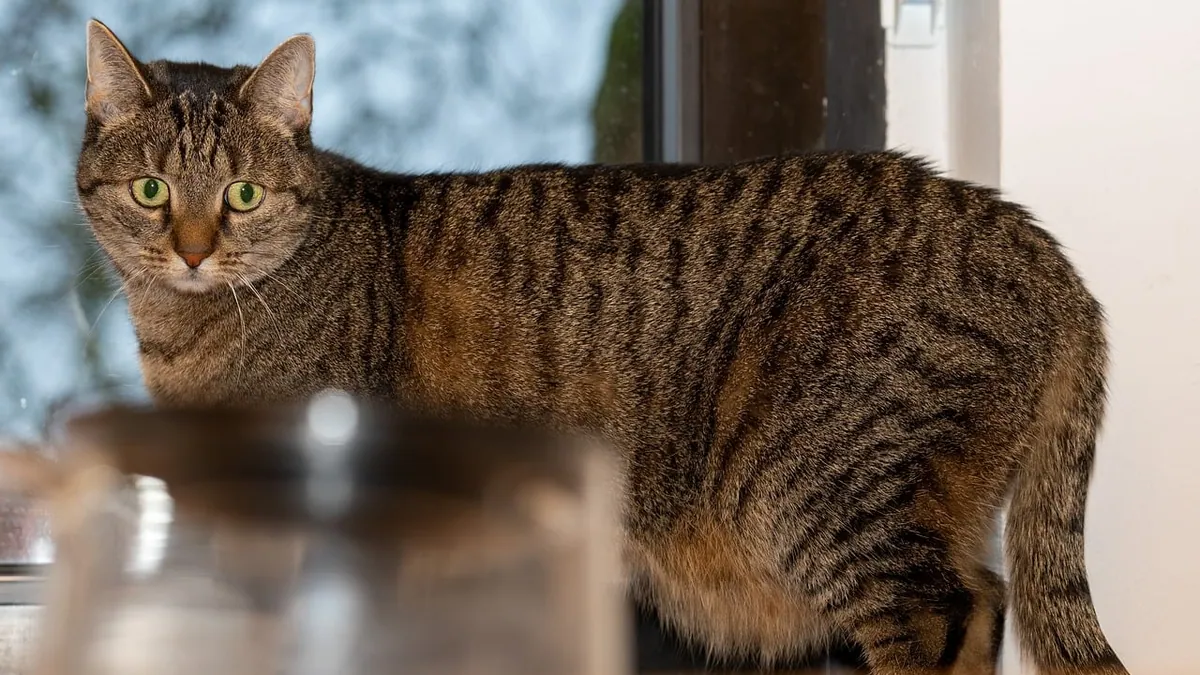
Apple cider vinegar for cats with UTI is not a treatment. It cannot cure a bacterial urinary infection, dissolve bladder stones, or relieve the pain of feline lower urinary tract disease. Cats with urinary signs need a veterinarian, often the same day, because some of these problems become life threatening within hours.
This article is educational and is not a substitute for veterinary diagnosis or treatment.
Quick Answer
- Apple cider vinegar has no role in treating urinary tract infections or bladder stones in cats. No source supports it for either problem.
- Most cats with lower urinary tract signs do not have a bacterial infection at all. The most common diagnosis is feline idiopathic cystitis, a stress linked bladder condition [1].
- Struggling to urinate, crying in the litter box, or producing no urine is an emergency. A blocked urethra can kill a male cat in a day or two.
- Urinary stones are diagnosed with imaging such as radiographs or ultrasound plus a urinalysis, not with home remedies [2].
- Treatment depends on the cause. It may include pain control, diet changes, stress reduction, or in some cases surgery, and your veterinarian chooses based on your cat's specific problem.
What Is Happening in Your Cat's Urinary Tract?
The urinary system includes the kidneys, ureters, bladder, and urethra. Minerals that naturally occur in urine can clump into tiny crystals, and when crystals gather, they form uroliths, also called urinary stones or calculi. These stones can sit anywhere in the urinary tract, including the kidney, ureter, bladder, or urethra [3].
Veterinarians group the signs of bladder and urethra trouble under the term feline lower urinary tract disease, or FLUTD. The typical signs are blood in the urine, frequent urination, straining to urinate, and urinating outside the litter box [1]. Many different problems can cause these signs, including stones, infections, urethral plugs, and cancer. Even so, most cats with these signs turn out to have feline idiopathic cystitis [1].
That last point matters for the apple cider vinegar question. If your cat does not have a bacterial infection, an acid or an antimicrobial home remedy has nothing to act on. And if your cat does have an infection or a stone, vinegar is far too weak and far too unpredictable to fix it.
Signs Owners Notice First
Cats hide discomfort well, so the first clues are often in the litter box.
- Peeing small amounts much more often than usual
- Crying or yowling while urinating
- Licking the genital area more than normal
- Blood tinged urine or pink spots in the litter
- Urinating on beds, laundry, or floors instead of the box
- Hiding, pacing, or acting restless
These are the characteristic clinical signs of FLUTD: hematuria (blood in urine), pollakiuria (frequent urination), stranguria (straining to urinate), and periuria (urinating outside the litter box) [1].
One sign stands apart from the rest. If your cat is squatting and straining with little or nothing coming out, or if he is crying and pacing and cannot settle, treat it as an emergency. That pattern suggests a urethral obstruction, which is a blockage that stops urine from leaving the body. It is most common in male cats because their urethra is longer and narrower.
Causes and Risk Factors
Several conditions produce the same outward signs, and they need different treatments.
Feline idiopathic cystitis. This is the most common cause of lower urinary tract signs in cats [1]. The underlying cause is unknown, but the condition involves an interplay between the lower urinary tract, stress, and altered neurohormonal factors [1]. In plain terms, a stressed cat can develop a painful, inflamed bladder. Recent work also shows that cats with this condition have a disrupted urinary bacterial microbiome compared with healthy cats, with shifts in the types of bacteria present [4]. That finding does not mean the condition is a standard infection.
Urinary stones. Urolithiasis is common in cats and is an important cause of lower urinary tract disease [2]. In cats, calcium oxalate stones account for roughly half of all uroliths and most kidney stones, and they can form anywhere in the urinary tract [2]. The cause is unknown in most cats, though factors that raise the amount of calcium, oxalate, or both in urine can contribute [2]. Struvite is the other major stone type, and diet strongly influences struvite risk through urinary pH and mineral levels [5]. Struvite stones fell in frequency from the mid 1980s into the 2000s as urinary diets improved, but recent U.S. reports show an increase, so this problem has not gone away [5].
Bacterial infection. True bacterial urinary infections do occur in cats, but they are less common than many owners assume. They can be serious. One recent report described a cat with a mixed urinary tract infection caused by Escherichia coli and Candida albicans, a fungal organism, that developed after starting a diabetes medication and went on to have repeated obstructions and a urethral rupture [6]. That case is unusual, but it shows how quickly a complicated urinary problem can escalate.
Other causes. Urethral plugs, tumors, and anatomic problems can all cause lower urinary tract signs [1].
Risk factors worth knowing include being male (higher risk of blockage), being overweight, living indoors with limited activity, stress from changes in the household, and eating a diet that promotes crystal formation. Age matters too, since the makeup of the urinary microbiome shifts with age in healthy cats [4].
How Veterinarians Diagnose the Problem
Diagnosis is based on ruling out the other causes of lower urinary tract disease. The standard tests include radiography, ultrasonography, urinalysis, and urine culture [1].
Your veterinarian will start with a physical exam, including careful palpation of the bladder. A bladder that feels large and tight in a straining male cat points to an obstruction and triggers immediate treatment.
Imaging matters because different stones behave differently. Calcium oxalate stones are radiopaque, which means they show up clearly on radiographs. Ultrasound may still be needed to confirm exactly where a stone sits and to find complications such as ureteral obstruction [2].
A urinalysis checks urine pH, crystals, blood, and concentration. A urine culture identifies bacteria when an infection is present. These steps matter because the treatment for a stone is not the treatment for cystitis, and the treatment for an infection is not the treatment for either.
If your cat has been diagnosed with a urinary problem and you want to understand the treatment path, see Cat Uti Treatment and Treating Urinary Tract Infection In Cats.
Treatment Options
Treatment follows the diagnosis.
For urethral obstruction. This is the emergency. The cat needs catheterization to relieve the blockage, intravenous fluids, pain medication, and monitoring for electrolyte problems. This cannot wait.
For feline idiopathic cystitis. Because stress is part of the picture, management combines pain relief, environmental changes that reduce stress, and sometimes medication. A recent clinical trial tested a single low dose of radiation to the lower urinary tract in 15 male cats with severe idiopathic cystitis and a history of obstruction. All but one of the 13 cats available for follow up showed improvement, with a median follow up of 548 days [7]. This is a specialized option for severe, recurrent cases, not a first line home treatment.
For stones. Some stones can be managed with a specific therapeutic diet that changes urine chemistry. Others need surgical removal. The choice depends on the stone type, its location, and whether it is causing a blockage. Struvite prevention relies on controlled dietary acidification, which is why urinary diets contain acidifying agents [5].
For bacterial infection. Antibiotics chosen for the specific organism found on culture. Fungal infections need antifungal drugs, as in the case described above [6].
About supplements. Owners often ask about cranberry, which is sometimes suggested for urinary health. A systematic review found only three studies on cranberry supplementation for urinary tract disease in dogs and cats, involving 122 animals total, and none reported a significant or even numerical benefit. The certainty of evidence was low to very low, so the role of cranberry remains unproven [8]. Herbal products are in a similar spot. One placebo controlled study in healthy male cats looked at whether an herbal compound could lower urinary relative supersaturation, a measure of crystal forming risk, and the results were limited by the small number of cats completing the study [9]. None of this supports apple cider vinegar, and none of it replaces a diagnosis.
If you are looking for safe ways to keep your cat comfortable at home while under veterinary care, see Cat Urinary Tract Infection Care and Cat Uti Home Relief.
Why Apple Cider Vinegar Does Not Work Here
Apple cider vinegar is an acid. The idea behind using it is that acidifying urine will dissolve stones or kill bacteria. That reasoning fails on several counts.
First, urine pH is only one factor in stone formation, and it is not the same for every stone type. Struvite and calcium oxalate stones form under different conditions, so a single acid approach cannot address both [2][5]. Second, the acidification that helps prevent struvite comes from controlled amounts of specific agents in prescription diets, not from a splash of vinegar in a water bowl [5]. Third, apple cider vinegar does not treat a bacterial or fungal urinary infection. Those need culture guided antimicrobial drugs [6]. Fourth, giving an acid by mouth to a cat can irritate the mouth, esophagus, and stomach, and it can worsen acid base balance in a cat that is already sick.
There is no established dose of apple cider vinegar for cats with a UTI. Any number you see online is invented. If your cat needs a medication, your veterinarian calculates the dose from your cat's weight and health status.
A Quick Comparison
| Problem | What it is | Typical treatment | Does ACV help? |
|---|---|---|---|
| Feline idiopathic cystitis | Stress linked bladder inflammation, the most common cause of urinary signs [1] | Pain control, stress reduction, sometimes medication [1] | No |
| Struvite stones | Stones linked to urine pH and minerals, preventable with diet [5] | Therapeutic diet, sometimes surgery [5] | No |
| Calcium oxalate stones | About half of cat uroliths, often need removal [2] | Surgery or specific management, imaging to locate [2] | No |
| Bacterial or fungal UTI | Infection of the urinary tract [6] | Culture guided antibiotics or antifungals [6] | No |
| Urethral obstruction | Blockage stopping urine flow | Emergency catheterization and supportive care | No, and delay is deadly |
Recovery, Outlook, and Long Term Management
Outcome depends on the cause and how fast you act. A cat with uncomplicated cystitis often improves with pain control and stress reduction, though flare ups can recur. A cat with a stone may do well after surgery or with a prescription diet, but the stone can return if the diet is not maintained.
Long term management usually centers on a few habits.
- Feed a veterinarian recommended urinary diet if one is prescribed. Diet is a manageable risk factor for uroliths, and it works by changing urine pH, mineral concentrations, and crystallization potential [5].
- Keep fresh water available and consider a fountain to encourage drinking.
- Keep litter boxes clean, plentiful, and in quiet spots.
- Reduce household stress. Stable routines, hiding places, and vertical space help.
- Keep regular recheck visits so your veterinarian can monitor urine and imaging over time.
If your cat has had a blockage before, know that recurrence is a real risk. The cats in the radiation study had a history of obstruction and remained symptomatic despite environmental and drug management, which shows how stubborn this condition can be [7].
Prevention
You cannot prevent every urinary problem, but you can lower the odds.
- Choose a diet formulated for urinary health, especially if your cat has had stones [5].
- Watch weight. Obesity raises risk.
- Encourage water intake with wet food, fountains, and multiple water stations.
- Keep stress low. Cats do better with predictable schedules and enough resources.
- Scoop the box daily and pay attention to clump size and urine color. You will notice changes earlier.
- Schedule routine exams, and bring a urine sample if your veterinarian asks.
Limitations and When to Contact a Veterinarian
Apple cider vinegar is not a substitute for veterinary care, and no home remedy can clear a blockage or cure an infection. Individual cases need a veterinarian who can examine your cat, run tests, and choose treatment.
Go to an emergency clinic now if your cat:
- Is straining to urinate with little or no urine coming out
- Is crying, pacing, or unable to settle
- Has a hard, painful belly
- Is vomiting, drooling, or acting weak and wobbly
- Has not urinated in 12 to 24 hours
Call your veterinarian the same day if your cat:
- Has blood in the urine
- Is urinating much more often than usual
- Is urinating outside the litter box for the first time
- Is licking the genital area constantly
Schedule a routine visit if your cat:
- Has had urinary problems before and you want a recheck
- Needs a diet plan for stone prevention
- Has mild, intermittent signs that come and go
Frequently Asked Questions
Can I give my cat apple cider vinegar for a urinary tract infection?
No. Apple cider vinegar does not treat bacterial or fungal urinary infections, and it can irritate your cat's mouth, esophagus, and stomach. Infections need culture guided antimicrobial drugs prescribed by a veterinarian [6]. If your cat has urinary signs, get a diagnosis first.
What is the correct apple cider vinegar dosage for cats with a UTI?
There is no correct dosage because apple cider vinegar is not a treatment for this problem. Any dose you find online is not based on veterinary evidence. Medications for cats are dosed by your veterinarian based on your cat's weight and health, and you should never guess.
Can apple cider vinegar dissolve bladder stones in cats?
No. Stone treatment depends on the stone type and location. Calcium oxalate stones, which make up about half of cat uroliths, generally need surgical removal or specific management, while struvite prevention relies on controlled dietary acidification from prescription diets [2][5]. Vinegar cannot do what those diets do.
How do I know if my cat has a UTI or something else?
You often cannot tell from signs alone. Blood in the urine, frequent urination, straining, and urinating outside the box are the classic signs of lower urinary tract disease, and most cats with those signs have feline idiopathic cystitis instead of an infection [1]. Only a veterinarian can sort out the cause using a urinalysis, urine culture, and imaging [1].
Is a urinary blockage really an emergency?
Yes. A urethral obstruction stops urine from leaving the body, and it can become fatal quickly. Cats with this problem need immediate catheterization and supportive care. Do not wait to see if it passes, and do not try a home remedy first. Call an emergency clinic and go.
Related Articles
- Cat Uti Treatment
- Treating Urinary Tract Infection In Cats
- Treatment Of Urinary Tract Infection In Cats
- Cat Urinary Tract Infection Care
- Cat Uti Home Relief
- Treating Urinary Tract Infection In Cats At Home
- Apple Cider Vinegar for Cats With Crystals: Does It Help?
- Can Cats Have Cranberry Juice for UTI?
- Apple Cider Vinegar for Cats: Dosage, Safety, and Risks
References
- Lower Urinary Tract Disease in Cats - Urinary System. Merck Veterinary Manual.
- Urolithiasis in Cats - Urinary System. Merck Veterinary Manual.
- Urinary Stones (Uroliths, Calculi) in Cats - Cat Owners. Merck Veterinary Manual.
- Characterization and comparative analysis of urinary bacterial microbiome profiling in healthy cats and cats with feline idiopathic cystitis. Scientific reports, 2026.
- Revisiting feline urinary tract health: the role of diet and acidifying agents in urolith prevention and long-term cat health. Journal of animal science, 2026.
- Candida albicans urinary tract infection in a cat treated with velagliflozin. JFMS open reports, 2026.
- Low-dose radiation therapy for idiopathic or interstitial cystitis in male cats. Journal of veterinary internal medicine, 2026.
- Effectiveness of Cranberry Supplementation for Prevention and Treatment of Infectious Urinary Tract Disease in Dogs and Cats: A Systematic Review. Journal of veterinary pharmacology and therapeutics, 2026.
- A placebo-controlled study of an herbal compound used for management of lower urinary tract disease in healthy cats. Frontiers in veterinary science, 2026.