Adequan vs Solensia for Cats: Which Joint Pain Option Fits?
By Dr. Zubair Khalid, DVM, MS, PhD ·
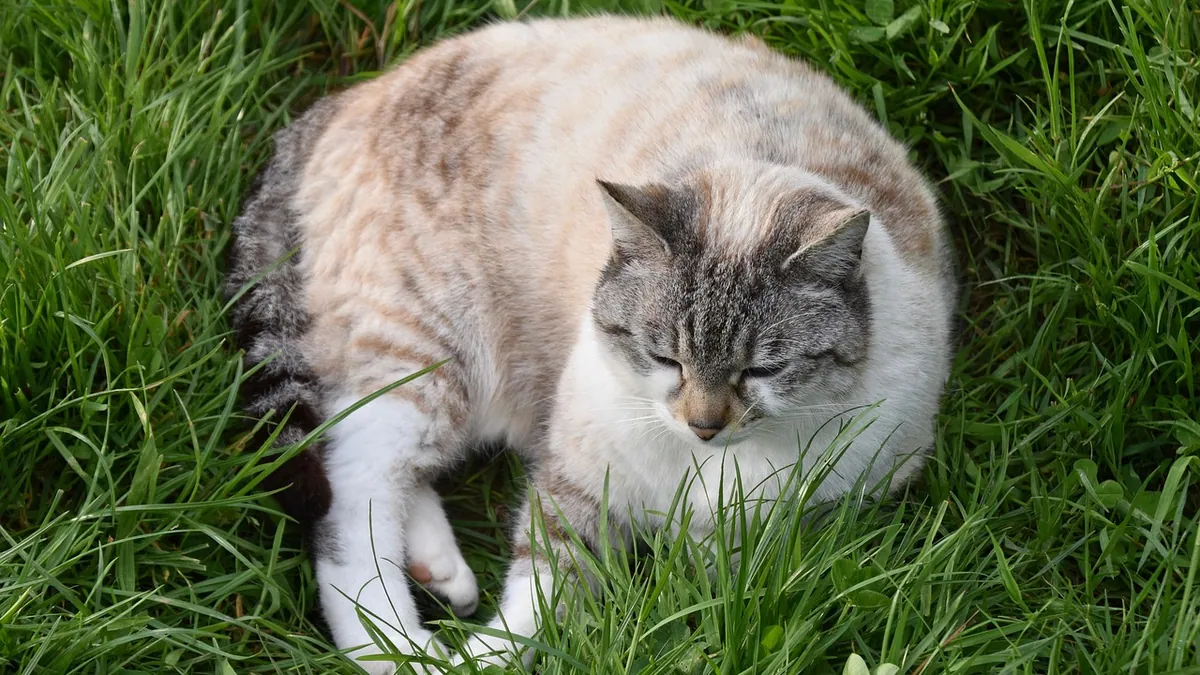
Adequan for cats vs Solensia comes down to two very different drugs. Adequan (polysulfated glycosaminoglycan) is an injectable that is not FDA-approved for cats and is used off-label by some veterinarians, while Solensia (frunevetmab) is an FDA-approved monthly antibody injection for feline osteoarthritis pain. Your cat's age, other health problems, and how advanced the arthritis is all shape which one your vet may recommend.
This article is educational and is not a substitute for veterinary diagnosis or treatment.
Quick Answer
- Solensia is a felinized anti-nerve growth factor monoclonal antibody licensed to relieve osteoarthritis pain in cats, given by subcutaneous injection, often monthly [1][2][3].
- Adequan is a polysulfated glycosaminoglycan product labeled for dogs and horses, so any use in cats is extra-label and based on limited feline research [4].
- Feline osteoarthritis is common and underdiagnosed. Roughly 60% to 90% of older cats have it, and many hide the pain [5].
- Anti-nerve growth factor antibodies like frunevetmab have moderate evidence for reducing pain and improving mobility in cats with degenerative joint disease [3].
- Neither drug replaces weight control, home changes, or other pain management. Ask your vet how each option fits your cat's full plan.
What Adequan and Solensia Actually Are
Adequan for cats
Adequan is the brand name for polysulfated glycosaminoglycan, an injectable compound marketed for joint disease in dogs and horses. It is not approved by the FDA for cats, so when a veterinarian uses it in a cat, that is an extra-label use. Extra-label use is legal and common in veterinary medicine when a vet judges it appropriate, but it means the safety and dosing data specific to cats are thinner.
That gap matters. A 2025 review of feline osteoarthritis research found only 29 publications on managing the disease, and most focused on non-steroidal anti-inflammatory drugs. Alternatives such as biologics, physical therapy, and lifestyle changes were largely extrapolated from human studies or research in other species, which raises the risk of bias [4]. In plain terms, we know less about Adequan in cats than owners often assume.
Solensia for cats
Solensia is the brand name for frunevetmab, a felinized anti-nerve growth factor monoclonal antibody. It is licensed specifically to relieve osteoarthritis pain in cats [1][2]. "Felinized" means the antibody was engineered to be recognized by a cat's immune system, which lowers the chance the body will attack the drug itself.
This is a targeted pain treatment, not a joint supplement and not an anti-inflammatory in the classic sense. It works on the nerve signaling behind chronic arthritis pain.
How Each One Works
Adequan
Polysulfated glycosaminoglycan is given as an injection, usually into the muscle. The theory is that it supports cartilage health and may interfere with the enzymes that break cartilage down. Osteoarthritis involves progressive loss of articular cartilage, joint effusion, and bony outgrowths at the joint edges, driven by degradative enzymes and inflammatory mediators that keep the cycle going [6]. A drug aimed at that enzyme activity is a reasonable idea.
The honest caveat is that strong feline-specific proof is lacking. Most of what is claimed for Adequan in cats comes from its use in dogs and horses, plus small studies. Your vet may still recommend it, but you should understand you are trying a treatment with limited cat-specific evidence.
Solensia
Nerve growth factor is a signaling protein that rises in inflamed, arthritic joints and sensitizes pain nerves. Frunevetmab binds nerve growth factor and blocks that signal, which turns down pain without acting like a steroid or an NSAID [2].
The pain of osteoarthritis is felt less at the worn cartilage surface than in the surrounding joint structures, capsule, and bone [6]. That is part of why a nerve-targeted drug can help even when the joint looks badly damaged on an X-ray.
Cat Arthritis Injections: Dosing Basics
Who decides the dose
Your veterinarian does, every time. Doses are calculated from your cat's weight, overall health, kidney and liver values, and other medications. Never adjust or repeat a dose on your own, and never use a product labeled for dogs or horses without a vet's direction.
For context on how these drugs are studied, frunevetmab has been given subcutaneously at 1 to 2.8 mg/kg on days 0, 28, and 56 in quality-of-life research [1], and trial injections have been given at day 0, day 0 and 28, or day 0, 28, and 56 depending on the study [3]. Those are research protocols, not a prescription for your cat.
How each is given
- Solensia is a subcutaneous injection, meaning under the skin, typically given in the clinic. Many cats receive it about once a month [1][3].
- Adequan is an injection, often into the muscle, and is commonly given as a series of loading doses followed by maintenance injections. Your vet sets the schedule.
Some owners learn to give injections at home. Only do this if your vet has trained you and given you a written plan.
Missed doses
Call your veterinary clinic and ask how to reschedule. Do not double up to catch up. If your cat is on a monthly antibody injection, a few days of drift is usually a scheduling question your vet can answer, but the decision belongs to them.
If your cat is limping more, seems stiff getting up, or has stopped jumping onto favorite spots, that is worth mentioning at the next visit. Here is how to read those signals: Cat Arthritis: How to Tell If Your Cat Is in Pain. If the limp came on suddenly or your cat cannot bear weight, that needs same-day attention, and this guide helps you sort the possibilities: Cat Limping: Arthritis or Something Else? How to Tell.
Side Effects: What to Watch For
| Side effect | How common or serious | What to do |
|---|---|---|
| Injection site reaction (tenderness, swelling, hair loss) | Reported with frunevetmab. Usually mild and local [2] | Note it, tell your vet at the next visit. Call sooner if it worsens |
| Itching (pruritus) | Among the most frequently reported adverse events for frunevetmab in a large FDA database analysis [2] | Call your vet if scratching is new, intense, or causing skin damage |
| Vomiting, diarrhea, reduced appetite | Possible with either injectable. Can also signal something unrelated | Call your vet if it lasts more than a day or your cat stops eating |
| Lethargy or behavior change | Uncommon but worth reporting | Call your vet. Same-day if your cat is hard to rouse |
| Signs of an allergic reaction (facial swelling, hives, trouble breathing, collapse) | Rare but an emergency | Emergency care now |
| Worsening lameness or new joint swelling | May mean the drug is not working or another problem is present | Book a recheck. Same-day if sudden or severe |
A disproportionality analysis of the FDA Animal Drug Adverse Events database looked at 5,248 frunevetmab reports out of 33,378 feline reports and found events spanning 24 organ system categories, with itching among the most frequent [2]. That kind of database work flags patterns, it does not prove cause, but it is useful real-world information.
For Adequan, feline-specific side effect data are limited because the product is not approved for cats. Ask your vet what they watch for, especially at the injection site.
Who Should Not Take These Drugs
Solensia
Cats with a known allergy to the drug or its components should not receive it. Because frunevetmab is an antibody, the immune system is part of the picture, and your vet will weigh any immune-related condition. Cats that are pregnant, breeding, or very young are generally not candidates, since the drug has not been studied in those groups. Long-term effects of repeated dosing, ideal administration conditions, and specific indications are still not fully described [4].
Adequan
Because Adequan is not approved for cats, there is no official feline label listing contraindications. Cats with known bleeding disorders or those on blood thinners deserve extra caution, and your vet will decide. Cats with significant kidney or liver disease need a careful risk-benefit discussion.
Drug interactions
Tell your vet about everything your cat takes, including NSAIDs like meloxicam or robenacoxib, gabapentin, steroids, joint supplements, and any compounded product. Combining pain drugs can be helpful, but the combination has to be chosen and monitored by a veterinarian. If your cat already takes gabapentin, this guide covers how it is used for stress and pain support: Gabapentin for Cats: Pre-Vet Visit Stress Dosing and Joint Pain Support.
Many owners also ask about supplements alongside injections. That is a reasonable question, and this overview explains what the evidence does and does not support: Cat Joint Health Supplements.
Overdose and When to Call for Help
An overdose of either injectable is a medical situation, not a wait-and-see situation. Signs to watch for include vomiting, drooling, wobbliness, tremors, collapse, or trouble breathing.
Call your veterinarian or an emergency clinic right away. If your regular clinic is closed, contact a pet poison helpline. Have your cat's weight, the product name, the amount given, and the time it was given ready before you call.
Do not induce vomiting unless a veterinarian tells you to.
Adequan vs Solensia: How to Think About the Choice
There is no head-to-head trial in published veterinary research comparing these two drugs in cats, so nobody can tell you one is proven better than the other. What we do have is this:
- Frunevetmab has moderate evidence from randomized controlled trials showing reduced pain and improved mobility in cats with degenerative joint disease [3].
- Frunevetmab has also been linked to improved owner-reported quality of life in real-world use [1].
- Adequan has a long history in dogs and horses but thin cat-specific evidence, and feline osteoarthritis management overall is under-researched [4].
Cost is a real factor and varies by clinic, region, and your cat's size, so ask your veterinary team for an estimate instead of relying on internet numbers. Frequency matters too. A monthly clinic injection suits some households and not others.
If your cat has early arthritis and you want to start with the option that has the most feline-specific evidence, Solensia is often the first conversation. If your cat cannot tolerate it, has a reaction, or your vet has a specific reason to try Adequan, that is a legitimate discussion to have. You can read more about the antibody option here: Solensia Injection for Feline Osteoarthritis: Safe Joint Pain Relief Guide.
Whichever route you take, plan for the rest of the package. Weight control, soft bedding, low-sided litter boxes, ramps to favorite perches, and regular rechecks all matter. Osteoarthritis is a disease of the whole joint and the whole musculoskeletal system, and pain and lameness feed into muscle loss and strain on other limbs [6].
Limitations and When to Contact a Veterinarian
Feline osteoarthritis is easy to miss. Many owners do not recognize the signs, and detection and diagnosis rates stay low [4]. That means the biggest limitation is often us, not the drugs.
Contact your veterinarian the same day if your cat:
- Stops eating or drinking
- Vomits repeatedly or has diarrhea for more than a day
- Develops swelling, redness, or pain at an injection site
- Seems suddenly more painful or much less mobile
- Has a new cough, trouble breathing, or a change in gum color
Go to an emergency clinic now if your cat:
- Collapses, has a seizure, or is difficult to wake
- Has facial swelling, hives, or noisy breathing after an injection
- Cannot use a limb at all or cries out when touched
- Is straining to urinate, especially a male cat
Book a routine visit if your cat:
- Hesitates before jumping or stops jumping altogether
- Has trouble reaching the litter box or misses it
- Is grooming less, or the coat looks dull and unkempt
- Seems stiff after resting
- Is gaining weight or losing muscle along the spine
Every cat is different, and only your veterinarian can examine your cat, review lab work, and set a treatment plan. Bring a short video of your cat walking and jumping to your appointment. It often shows more than a description can.
Frequently Asked Questions
Is Adequan approved for cats?
No. Adequan is labeled for dogs and horses, so use in cats is extra-label and based on limited feline research. Your veterinarian can legally prescribe it if they judge it appropriate, but you should know the cat-specific evidence is thin.
How fast does Solensia work in cats?
Some owners notice a change within the first month, and quality-of-life studies tracked responses at 14, 28, and 56 days after injections. Response varies by cat, so your vet may ask you to keep a simple mobility diary to judge whether it is helping.
Can my cat get both Adequan and Solensia?
Possibly, but only under veterinary direction. There is no good evidence in published veterinary research on combining them, and stacking pain treatments raises the chance of side effects and interactions. Ask your vet before adding anything.
Do I have to bring my cat to the clinic for these injections?
Solensia is typically given in the clinic, though some owners are trained to give it at home. Adequan is often given as a series of injections, and your vet will decide whether home administration is safe and practical for your cat.
Are there other feline osteoarthritis options besides injections?
Yes. Weight management, home changes, physical therapy, and other pain medications are all part of care. A small randomized study found that a complementary feed containing undenatured type II collagen improved mobility in cats with mild to moderate degenerative joint disease [7], and green light exposure has been studied for its effects on pain sensitization in osteoarthritic cats [8]. Ask your vet which add-ons make sense for your cat.
Related Articles
- Solensia Injection for Feline Osteoarthritis: Safe Joint Pain Relief Guide
- Cat Limping: Arthritis or Something Else? How to Tell
- Cat Joint Health Supplements
- Gabapentin for Cats: Pre-Vet Visit Stress Dosing and Joint Pain Support
- Cat Arthritis: How to Tell If Your Cat Is in Pain
- Cat Arthritis: How to Recognize the Signs and Make Your Home More Comfortable
- Librela vs Solensia for Cats: Which Arthritis Shot Works?
- Senior Cat Joint Pain: Arthritis Care and Support Options
- Is There a Librela for Cats? Arthritis Options Explained
References
- Measuring the effect of the anti-nerve growth factor antibodies bedinvetmab and frunevetmab on quality of life in dogs and cats with osteoarthritis using a validated health-related quality of life outcome measure: an observational real-world study. Frontiers in veterinary science, 2024.
- Safety assessment of frunevetmab for osteoarthritis pain in cats: disproportionality analysis of the Food and Drug Administration Animal Drug Adverse Events database. Journal of veterinary internal medicine, 2026.
- The effect of anti-nerve growth factor monoclonal antibodies on the clinical signs of degenerative joint disease in cats. Veterinary evidence, 2023.
- Osteoarthritis in cats: what we know, and mostly, what we don't know. . . yet. Journal of feline medicine and surgery, 2025.
- Joint Disorders in Cats - Cat Owners. Merck Veterinary Manual.
- Osteoarthritis in Dogs and Cats - Musculoskeletal System. Merck Veterinary Manual.
- EXPRESS: Undenatured type II collagen enhances mobility in cats: a randomized placebo controlled cross over field study. Journal of feline medicine and surgery, 2026.
- Green light exposure reduces central sensitization in cats with osteoarthritis-associated somatosensory impairment. iScience, 2026.