When Do Dogs' Ears Stand Up? Puppy Ear Timeline
By Dr. Zubair Khalid, DVM, MS, PhD ·
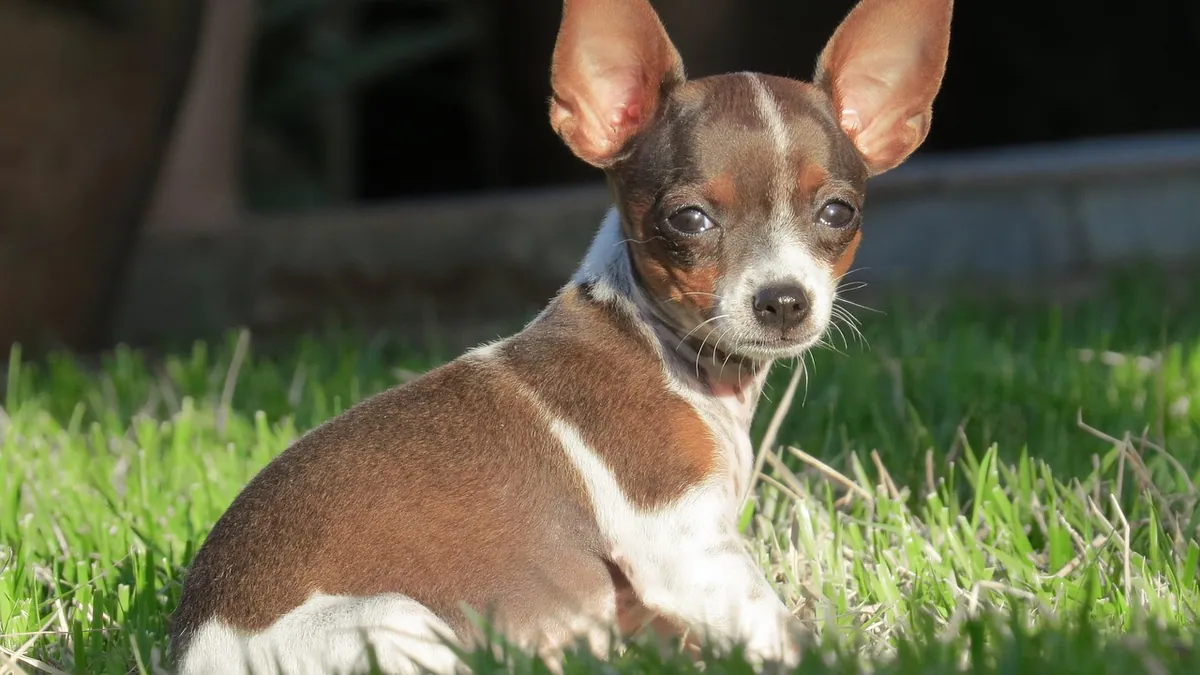
Most puppies with prick ears (the upright kind) have ears that stand on their own somewhere between 6 and 8 months of age. The cartilage firms up gradually, and the exact timing depends on breed, genetics, teething, and sometimes a little help from you. This article is educational and is not a substitute for veterinary diagnosis or treatment.
Quick Answer
- Ear cartilage in prick-eared breeds usually firms up between 4 and 8 months, with most puppies fully upright by 6 to 8 months.
- Teething (roughly 4 to 6 months) can temporarily pull calcium and energy toward the mouth, so ears may droop or flip during that window.
- Genetics decide the final ear carriage. Two independent genetic variants on canine chromosome 10 control whether ears drop or stand [1].
- Taping or massaging can support a soft ear, but only if the ear is otherwise healthy and you follow your veterinarian's guidance.
- A floppy ear is a cosmetic issue in most cases, but it becomes a medical concern when it traps moisture, hides infection, or causes pain.
When Do Dogs' Ears Stand Up? The Normal Timeline
Ear carriage is written into a puppy's DNA before birth. A large study of dog genomes found that two separate variants on canine chromosome 10 are linked to ear carriage, and only a puppy that inherits a specific combination of both variants ends up with drop ears [1]. That means if your puppy comes from two prick-eared parents, the odds are strongly in favor of upright ears, even if they look floppy right now.
The timeline below reflects typical development in prick-eared breeds. Individual puppies vary.
| Age | What You Will Likely See |
|---|---|
| Birth to 4 weeks | Ears are closed and flat against the head. Cartilage is soft. |
| 4 to 8 weeks | Ear canals open. Ears may start to lift or wobble. |
| 8 to 12 weeks | One or both ears may stand briefly, then flop again. |
| 3 to 4 months | Ears often rise more consistently, but teething is starting. |
| 4 to 6 months | Teething peak. Ears may droop, flip, or tip. This is normal. |
| 6 to 8 months | Cartilage firms up. Most prick-eared puppies are fully upright. |
| 8 to 12 months | Final ear carriage is usually set. Late bloomers may still improve slightly. |
If your puppy is 5 months old and one ear stands while the other tips over, that is common and not a sign of disease. The cartilage on each side matures at its own pace.
What Affects Ear Cartilage Firmness
Genetics
Genetics are the biggest factor. The chromosome 10 locus that controls ear carriage also influences ear size, and ear size itself varies across breeds because ears help with thermoregulation (small ears conserve heat, large ears release it) [1]. A puppy from a breed with a long history of upright ears is far more likely to end up with upright ears than a puppy from a drop-eared line, no matter what you do at home.
Teething
Teething is the most common reason a puppy's ears suddenly droop between 4 and 6 months. The body is using energy and minerals for tooth development, and ear cartilage can soften temporarily. Ears often pop back up once teething finishes.
Nutrition and Growth Rate
Puppies that grow very fast, or that are underweight, may have delayed cartilage firmness. Birth weight and early weight gain are important prognostic factors in newborn dogs, and early weight changes help identify puppies that need extra care [2]. If your puppy is not gaining weight steadily, talk to your veterinarian before assuming the ears are the only issue.
Body Size and Breed Type
Body size and head shape affect ear health in ways owners do not always expect. A study of 868 dogs found that large breeds and dogs with semi-erect ears had a significantly lower risk of developing otitis externa (outer ear infection), while medium-sized breeds and dogs with erect ears were diagnosed more often [3]. Ear carriage and ear health are connected, so keeping the ear clean matters regardless of how it stands.
How to Help a Puppy's Ears Stand Up
Owners often search for ways to help a puppy's ears stand up. Here is a practical, step-by-step approach.
Step 1: Confirm the Ear Is Healthy First
Before you do anything cosmetic, check for redness, swelling, discharge, odor, or pain. If you see any of these, stop and see your veterinarian. You can review How To Tell If My Dog Has A Ear Infection for a plain-language checklist.
Step 2: Wait Through Teething
Do not panic if ears drop at 4 to 6 months. Give them until 7 or 8 months before deciding the ear will stay floppy. Many owners tape too early and cause more harm than good.
Step 3: Massage Gently
Gentle massage at the base of the ear for a few minutes a day is a common home technique. It will not change genetics, but it can help you notice swelling or tenderness early. Never pull or bend the ear sharply.
Step 4: Consider Taping Only With Veterinary Guidance
Taping and splinting are sometimes used in prick-eared breeds, but they must be done correctly. Tape that is too tight can cut off blood flow, trap moisture, and cause infection. Ask your veterinarian to show you the technique or refer you to someone experienced with your breed.
Step 5: Feed a Complete Puppy Diet
Cartilage needs protein, calcium, and other nutrients. Feed a diet formulated for your puppy's life stage and size. Do not add random calcium supplements without veterinary advice, because excess calcium can cause growth problems.
Step 6: Keep the Ear Clean and Dry
Whether the ear stands or flops, clean it gently when needed and dry it after swimming or bathing. Moisture in a folded ear is a setup for infection.
Signs Something Is Wrong, Not Just Cosmetic
A floppy ear by itself is rarely a medical problem. These signs are different.
- Head shaking or pawing at the ear. This can signal pain, infection, or a foreign object. See Dog Shaking Head But Ears Look Fine for what to watch.
- Scratching until the ear bleeds. This is a red flag for infection, allergies, or mites. See Dog Scratching Ears Until They Bleed.
- A swollen, puffy ear flap. This is an aural hematoma, a collection of blood between the ear cartilage and skin. A large study estimated the one-year incidence risk at 0.25%, and breeds with V-shaped drop ears and semi-erect ear carriage had increased odds [4]. Bull Terriers, Saint Bernards, and French Bulldogs had the highest odds among the breeds studied [4].
- Foul odor or dark discharge. This suggests infection and needs treatment.
- One ear suddenly droops in an adult dog. This is not a puppy timeline issue. It can point to nerve problems, injury, or infection, and it needs a veterinary exam.
Ear carriage also interacts with breed anatomy. Brachycephalic breeds (flat-faced dogs) have a more compact, dorsoventrally positioned hyoid structure than mesocephalic breeds [5]. That anatomy can affect how the ear drains and how easily it stays clean.
Common Mistakes Owners Make
- Taping too tight. This is the most dangerous mistake. It can cause pain, infection, and permanent cartilage damage.
- Taping too early. Ears that are still growing may not hold the tape well, and you risk irritating the skin.
- Assuming a floppy ear means poor breeding. Genetics are complex, and even well-bred puppies can have one ear that tips.
- Ignoring infection because you are focused on appearance. A droopy ear that smells bad is a medical problem, not a cosmetic one.
- Using human ear products. Some human ear drops are toxic to dogs. Never put anything in the ear canal without veterinary approval.
- Pulling on the ear to "train" it. This does not work and can cause injury.
Supplies and Setup That Matter for Ear Health
You do not need much, but the right basics help.
- A vet-approved ear cleaner. Use only what your veterinarian recommends.
- Cotton balls or gauze. Never use cotton swabs inside the ear canal.
- A drying agent for swimmers. If your dog swims often, ask your veterinarian about a routine to keep the ears dry.
- A soft towel. Dry the ear flap and the area around the canal after baths.
- A calendar or notes app. Track when each ear stands, droops, or changes. This helps your veterinarian spot patterns.
- A scale for puppy weigh-ins. Early weight changes matter for overall health, and slow growth can affect cartilage development [2].
If your dog is shaking the head repeatedly, see Dog Shaking Head Because Of Ear for guidance on when to call your veterinarian.
Limitations and When to Contact a Veterinarian
This article gives general information. Your puppy's ear timeline depends on breed, genetics, nutrition, and health history, and individual cases need a veterinarian who can examine your dog.
Contact your veterinarian the same day if you see:
- A swollen, fluid-filled ear flap (possible aural hematoma)
- Foul odor, pus, or dark discharge from the ear
- Head tilting that started suddenly
- Scratching that has broken the skin or caused bleeding
- One ear that was upright and suddenly dropped in an adult dog
Go to an emergency clinic now if you see:
- Severe pain when the ear is touched
- Collapse, disorientation, or circling
- Bleeding that will not stop
- A foreign object stuck in the ear canal
Schedule a routine visit if:
- Ears are still floppy after 8 to 10 months and you want to discuss options
- You are considering taping or splinting
- Your puppy is not gaining weight normally
- You notice recurring ear infections
Frequently Asked Questions
Can I make my puppy's ears stand up faster?
You cannot speed up genetics, but you can support healthy cartilage with good nutrition and gentle care. Taping may help in some breeds, but only under veterinary guidance. Never tape tightly or leave tape on for long periods.
Why did my puppy's ears stand up and then fall back down?
This usually happens during teething, when the body redirects energy and minerals to tooth development. Ears often rise again after teething finishes. If the droop comes with pain, odor, or discharge, see your veterinarian.
Does taping a puppy's ears actually work?
Taping can help hold a soft ear in position while cartilage matures, but results depend on breed, age, and technique. Improper taping can cause infection or permanent damage. Ask your veterinarian before trying it.
Is a floppy ear in a prick-eared breed a health problem?
Usually no. A floppy ear is a cosmetic trait in most cases. It becomes a health concern when it traps moisture, hides infection, or causes pain. Keep the ear clean and check it regularly.
At what age should I give up on my dog's ears standing?
Most prick-eared puppies are fully upright by 8 months, and final carriage is usually set by 12 months. If ears are still floppy after that, they are likely to stay that way. Talk to your veterinarian if you have concerns about ear health or appearance.
Related Articles
- Dog Scratching Ears Until They Bleed
- Dog Shaking Head But Ears Look Fine
- How To Tell If My Dog Has A Ear Infection
- Dog Keeps Scratching Ear Until It Bleeds
- Dog Shaking Head Because Of Ear
- Dog Keeps Shaking Head But Ears Are Clean
- When Do Puppies Open Their Eyes and Ears?
- When Do Puppies Open Their Eyes? Timeline and Care
- When Do Dogs Reach Full Size? Growth Timeline
- Tympanic Ear: Eardrum, Ear Bones, and How Hearing Works
References
- Identification of genetic variants associated with ear length in drop-eared dogs. Scientific reports, 2025.
- Birth Weight and Early Weight Changes in Newborn Dogs: Analyzing Key Influencing Factors in Dobermann Puppies. Animals : an open access journal from MDPI, 2026.
- Brachycephaly, Ear Anatomy, and Co-Does Size Matter? A Retrospective Study on the Influence of Size-Dependent Features Regarding Canine Otitis Externa. Animals : an open access journal from MDPI, 2025.
- Reporting the epidemiology of aural haematoma in dogs and proposing a novel aetiopathogenetic pathway. Scientific reports, 2021.
- Comparative Anatomy of the Hyoid Apparatus in Various Dog Breeds: Insights From Clinical Imaging. Veterinary medicine and science, 2026.